Introduction
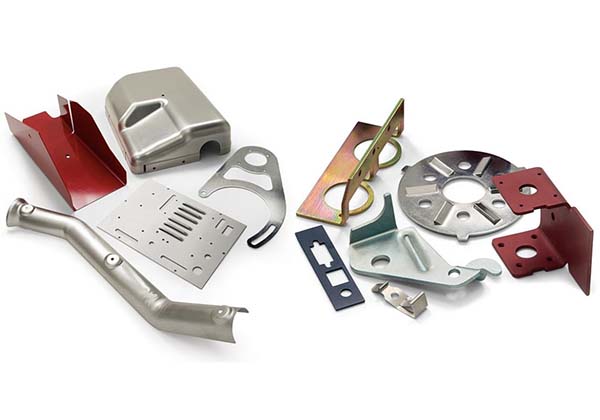
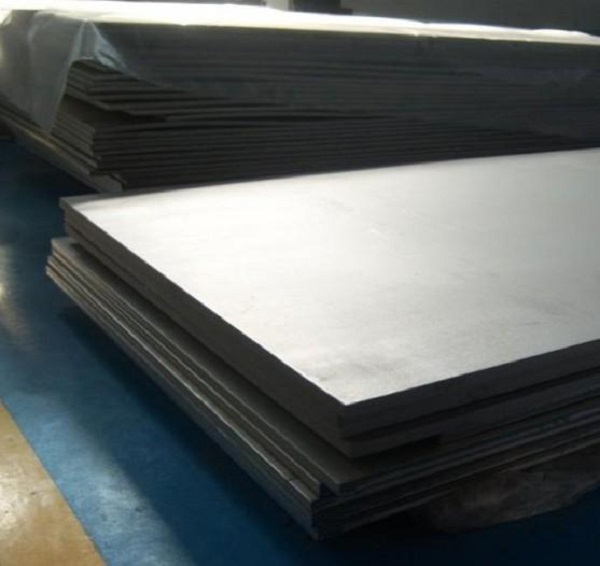
Steel sheet metal is everywhere. It forms the body of your car. It covers the roof of your home. It makes up the casing of your refrigerator. But what exactly is it, and why is it so widely used? Steel sheet metal is a flat-rolled product made from steel. It is produced by rolling molten steel into thin sheets, then further processed to achieve the desired thickness and surface finish. In this guide, we will explore the different types of steel sheet metal, how they are processed, and where they are used. By the end, you will have a clear understanding of which type suits your project.
What Types of Steel Sheet Metal Exist?
Carbon Steel Sheet Metal
Carbon steel is the most common type. It contains carbon in varying amounts, which affects its strength and formability.
| Grade | Carbon Content | Properties | Common Uses |
|---|---|---|---|
| Low-carbon | Less than 0.3% | Soft, ductile, easy to weld | Car doors, hoods, fenders |
| Medium-carbon | 0.3–0.6% | Stronger, harder | Machine parts, axles, structural brackets |
| High-carbon | Above 0.6% | Very hard, less ductile | Cutting tools, springs, high-strength fasteners |
Real-world example: The Ford F-150 pickup truck uses low-carbon steel sheet metal for many body panels. The material offers a good balance of strength and formability at a reasonable cost. A typical mid-sized car uses 900–1200 kilograms of steel sheet metal across its structure.
Stainless Steel Sheet Metal
Stainless steel contains at least 10.5% chromium. This element forms a thin oxide layer on the surface that prevents rust. It is also visually appealing, with a sleek, modern look.
- Grade 304: The most common grade. Used for kitchen sinks, appliances, and general-purpose applications.
- Grade 316: Contains molybdenum for enhanced corrosion resistance. Ideal for marine environments and chemical processing.
Example: Most high-end kitchen sinks are made from 304 stainless steel. They resist water, detergents, and food acids without rusting.
Galvanized Steel Sheet Metal
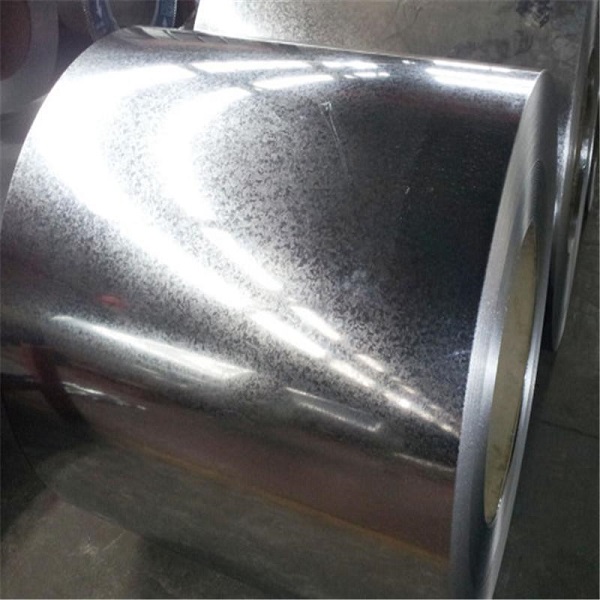
Galvanized steel is coated with a layer of zinc. The zinc acts as a sacrificial anode—it corrodes first, protecting the steel underneath. This makes it ideal for outdoor use.
Common applications include:
- Roofing and gutters
- Appliance casings (refrigerators, washing machines)
- Outdoor structures
A typical suburban home may have galvanized steel roofing that lasts 40–60 years with minimal maintenance.
Comparison Table
| Type | Strength | Corrosion Resistance | Cost | Main Applications |
|---|---|---|---|---|
| Carbon Steel | High (varies) | Low (rusts easily) | Low–Moderate | Automotive, construction, machine parts |
| Stainless Steel | Moderate–High | Excellent | High | Kitchen equipment, medical, marine |
| Galvanized Steel | High | High (zinc coating) | Moderate | Outdoor construction, appliance casings |
How Is Steel Sheet Metal Processed?
Cutting
Different cutting methods suit different needs.
Laser Cutting
Uses a high-energy beam to melt or vaporize the metal. Accuracy can reach ±0.05 mm. Ideal for intricate shapes and tight tolerances. However, equipment costs are high, and it is less efficient for sheets thicker than 20 mm.
Plasma Cutting
Uses a high-temperature plasma arc to melt and remove metal. Faster than laser for thick sheets—can handle up to 100 mm. Cut edges are rougher, and the heat-affected zone is larger.
Shearing
A mechanical method using blades to cut straight lines. Simple and cost-effective. Limited to straight cuts and may leave burrs that require deburring.
Bending
Cold Bending
Performed at room temperature. Suitable for most steel types. High-precision machines ensure accurate angles. However, high-strength steels may require more force and risk cracking.
Hot Bending
Performed at elevated temperatures. Used for steels that are difficult to bend cold. Heating makes the metal more ductile but can cause surface oxidation. Post-bending heat treatment is often required.
Welding
Arc Welding
Common methods include MIG (gas-metal arc) and stick (manual metal arc) welding. Versatile and suitable for various thicknesses. Proper technique prevents porosity, lack of fusion, and distortion.
Resistance Welding
Includes spot welding and seam welding. Uses electric current to generate heat at the contact point. Fast and efficient for thin sheets. Automotive manufacturers use spot welding extensively for body panels.
Quality tip: Post-weld inspections—like visual checks and ultrasonic testing—help ensure strong, defect-free joints.
What Factors Affect Material Choice?
Application Environment
- Outdoor or wet conditions: Choose galvanized or stainless steel. Galvanized offers cost-effective protection. Stainless steel (especially 316) handles saltwater and harsh chemicals.
- Indoor, dry conditions: Carbon steel works well. It is strong and affordable.
- High-temperature environments: Some stainless steels maintain strength at elevated temperatures.
Strength Requirements
High-carbon steel or certain stainless grades provide superior strength. For structural components, medium-carbon steel often strikes the right balance.
Cost Considerations
Carbon steel is the most economical. Galvanized steel adds moderate cost for corrosion protection. Stainless steel is the most expensive but offers the longest lifespan in harsh environments.
Yigu Technology’s Perspective
At Yigu Technology, we work with all types of steel sheet metal for custom manufacturing. Each type offers unique advantages.
- Carbon steel gives us formability and cost efficiency for structural and automotive parts.
- Stainless steel allows us to create corrosion-resistant components for medical, food processing, and marine applications.
- Galvanized steel provides durable, weather-resistant solutions for outdoor structures and appliance casings.
Our equipment includes high-precision laser cutters (accuracy ±0.05 mm) and CNC bending machines. We ensure that every part meets dimensional and surface quality standards.
Example: A client needed custom enclosures for outdoor electrical equipment. We recommended galvanized steel for its corrosion resistance and cost-effectiveness. After cutting and bending, the enclosures passed a 500-hour salt spray test with no rust.
Conclusion
Steel sheet metal is a versatile, essential material across industries. Carbon steel offers strength and affordability. Stainless steel provides unmatched corrosion resistance and aesthetic appeal. Galvanized steel delivers durable, weather-resistant protection at a moderate cost. Understanding the differences helps you choose the right material for your project. With proper processing—cutting, bending, and welding—steel sheet metal can be shaped into durable, high-quality products that last for decades.
FAQ
What is the best type of steel sheet metal for outdoor applications?
Galvanized steel and stainless steel are both excellent choices. Galvanized steel has a zinc coating that protects against rust at a moderate cost. Stainless steel, especially grade 316, offers superior corrosion resistance for harsh environments like coastal areas.
How can I ensure the quality of welded steel sheet metal?
Select the right welding method for your material. Use high-quality, compatible welding materials. Ensure operators are skilled and control parameters like current and speed accurately. Perform pre-weld inspections for contaminants and post-weld inspections—visual and non-destructive testing—to verify joint integrity.
Can steel sheet metal be recycled?
Yes. Steel is 100% recyclable. Recycling uses significantly less energy than producing new steel from raw materials. It also reduces greenhouse gas emissions and conserves natural resources like iron ore.
What is the difference between hot-rolled and cold-rolled steel sheet?
Hot-rolled steel is processed at high temperatures, resulting in a rougher surface and looser tolerances. Cold-rolled steel is further processed at room temperature, producing a smoother finish, tighter tolerances, and higher strength.
How thick is standard steel sheet metal?
Thickness varies widely. Thin sheets can be 0.4 mm (used for appliances). Thicker sheets can reach 6 mm or more for structural applications. Gauge numbers are also used—a higher gauge means thinner metal.
Contact Yigu Technology for Custom Manufacturing
At Yigu Technology, we specialize in custom steel sheet metal fabrication. From carbon steel to stainless and galvanized, our team delivers precision parts for automotive, construction, and industrial applications. [Contact us today] to discuss your project and get a tailored manufacturing solution.