Flat sheet metal forms the foundation of countless products. From car panels to electronics enclosures, it is everywhere. But with so many materials and thicknesses available, choosing the right one can feel overwhelming. This guide breaks down everything you need to know to make an informed decision.
Introduction
Flat sheet metal is exactly what it sounds like—metal rolled or pressed into thin, flat pieces. Its uniform thickness and smooth surface make it ideal for manufacturing. Thickness ranges from ultra-thin foils used in electronics to thicker sheets used in construction and automotive applications.
In this guide, you will learn about common materials, their properties, and how to select the right flat sheet metal for your project. Whether you are building industrial equipment or prototyping a new product, this information will help you succeed.
What Is Flat Sheet Metal?
Defining the Material
Flat sheet metal refers to metal that has been processed into a thin, flat form. The defining characteristic is uniform thickness. Generally, any metal less than 6mm thick is considered sheet metal. Thicker pieces are classified as plate.
This thin, flat profile allows for easy manipulation. You can cut it, bend it, weld it, and form it into complex shapes. That versatility explains why flat sheet metal is a preferred choice across so many industries.
Common Materials for Flat Sheet Metal
Stainless Steel
Stainless steel sheets are valued for exceptional corrosion resistance, strength, and durability. They contain a minimum of 10.5% chromium, which forms a passive oxide layer on the surface. This layer protects against rust and corrosion.
| Grade | Key Properties | Common Applications |
|---|---|---|
| 304 | Excellent corrosion resistance, good formability | Kitchen appliances, sinks, storage tanks |
| 316 | Added molybdenum; superior corrosion resistance in chloride environments | Marine applications, chemical processing, pharmaceutical equipment |
Real-world example: A food processing plant used 304 stainless steel for mixing tanks. After five years of daily cleaning with sanitizing chemicals, the tanks showed no corrosion. The material’s durability justified the higher upfront cost compared to coated carbon steel.
Carbon Steel
Carbon steel sheets consist primarily of iron and carbon. They offer a good balance of strength, toughness, and cost-effectiveness.
| Type | Carbon Content | Properties | Applications |
|---|---|---|---|
| Low-Carbon Steel | Less than 0.3% | Highly ductile, easy to form | Automotive body panels, furniture, general machinery |
| Medium-Carbon Steel | 0.3% – 0.6% | Higher strength and hardness | Axles, gears, shafts |
| High-Carbon Steel | Above 0.6% | Very hard and strong, less ductile | Tools, springs, blades |
Low-carbon steel is the most common choice for general fabrication. It forms easily and welds well. Medium and high-carbon steels require more careful handling but deliver greater strength.
Aluminum Alloy
Aluminum alloy sheets are lightweight—about one-third the density of steel. They also offer excellent corrosion resistance, high thermal and electrical conductivity, and good formability.
| Grade | Key Properties | Common Applications |
|---|---|---|
| 6061 | Good strength, corrosion resistance, workability | Aircraft structures, automotive parts, electronics enclosures |
| 7075 | High strength-to-weight ratio | Aerospace components (wings, fuselage parts) |
Key data point: The Aluminum Association reports that using recycled aluminum saves 95% of the energy required to produce new aluminum. This makes aluminum a sustainable choice for environmentally conscious projects.
How to Choose the Right Flat Sheet Metal
Consider Your Application Requirements
Start by clearly defining what your project demands. Different applications require different properties.
Structural applications: If your component must withstand heavy loads—like a machine frame or structural support—you need high tensile strength. Carbon steel or certain stainless steel grades work well here.
Corrosive environments: For coastal buildings, chemical plants, or marine equipment, corrosion resistance is essential. Stainless steel (especially 316) or aluminum alloys are strong candidates.
Electrical applications: When electrical conductivity matters, copper or aluminum are the obvious choices. Copper offers the highest conductivity among common sheet metals.
Real-world example: A client needed enclosures for outdoor telecommunications equipment in a coastal area. Standard carbon steel would have rusted within two years. We recommended 316 stainless steel. The enclosures remained corrosion-free after five years of exposure.
Evaluate Material Properties
Once you know your application requirements, compare material properties.
| Property | What It Means | When It Matters |
|---|---|---|
| Strength | Ability to withstand forces without deforming | Structural parts, load-bearing components |
| Corrosion Resistance | Resistance to rust and chemical attack | Outdoor applications, marine environments, chemical exposure |
| Formability | Ease of shaping without cracking | Complex bends, deep drawing, intricate shapes |
| Conductivity | Ability to transfer electricity or heat | Electrical components, heat sinks, thermal management |
Strength: Tensile strength measures how much pulling force a material can handle before breaking. High-carbon steel can exceed 600 MPa, while aluminum 6061 typically ranges from 200–300 MPa. Choose based on the loads your part will face.
Corrosion resistance: Stainless steel’s chromium content creates a protective layer. The higher the chromium and the addition of nickel and molybdenum, the better the performance in aggressive environments.
Formability: Low-carbon steel and some aluminum alloys excel here. For deep-drawn parts like beverage cans, formability is critical. Materials with poor formability may crack during complex shaping.
Thermal and electrical conductivity: Copper leads with conductivity around 5.96×10⁷ S/m. Aluminum follows with about 3.5×10⁷ S/m. For heat sinks and electrical bus bars, these properties matter enormously.
Think About Cost-Benefit Ratio
Cost is always a consideration, but the cheapest material is rarely the most cost-effective over time.
Calculate total cost:
- Material cost
- Manufacturing and processing costs
- Maintenance and replacement costs over expected lifespan
- Potential cost of failure
A low-grade carbon steel might cost less upfront. But if it requires frequent coating repairs or fails prematurely, the long-term cost exceeds that of a higher-grade material.
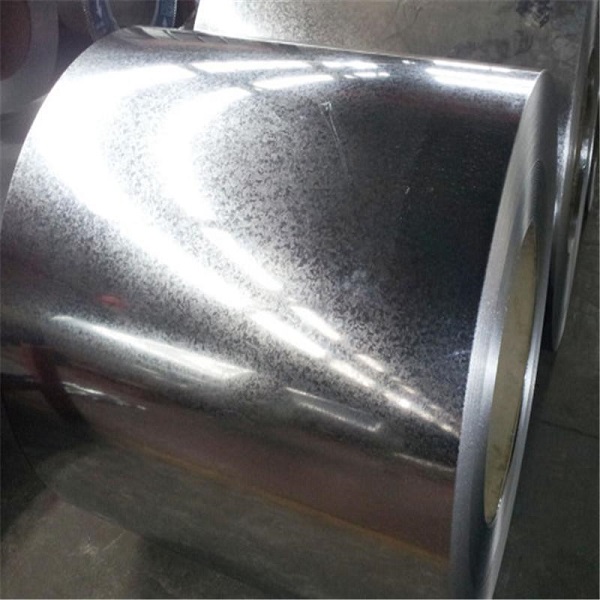
Example: A construction company chose galvanized steel roofing for a commercial building. The slightly higher initial cost over bare steel paid off. Fifteen years later, the roof still performs well with minimal maintenance. Bare steel would have required replacement twice in that period.
Consider Manufacturing Compatibility
Your chosen material must work with your intended manufacturing processes.
- Welding: Low-carbon steel welds easily. Stainless steel requires proper technique to avoid corrosion issues. Aluminum needs specialized equipment and filler materials.
- Cutting: Most sheet metals cut well with laser or plasma. Highly reflective materials like copper require specialized laser settings.
- Bending: Formability varies. Materials with poor ductility may crack during tight-radius bends.
Yigu Technology’s Perspective
At Yigu Technology, we work with flat sheet metal daily. As a custom manufacturer of non-standard metal and plastic products, we see how material choice impacts project success.
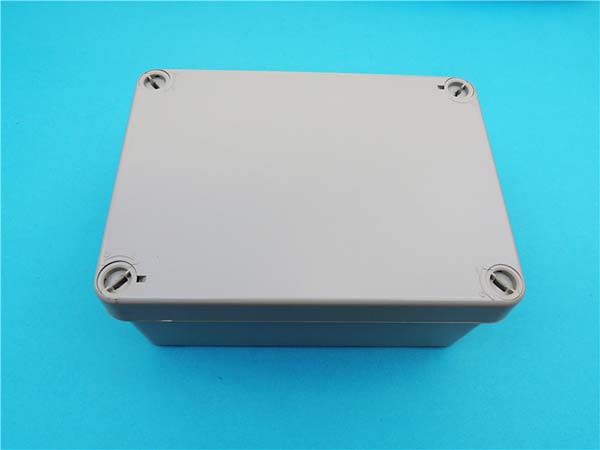
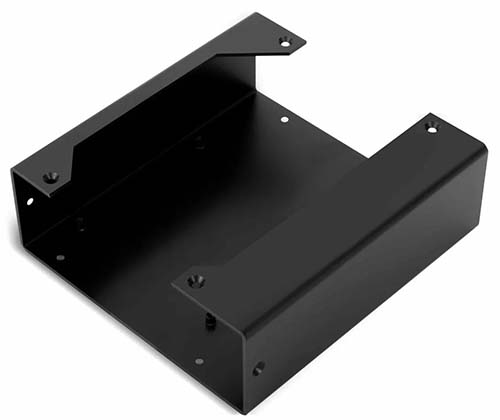
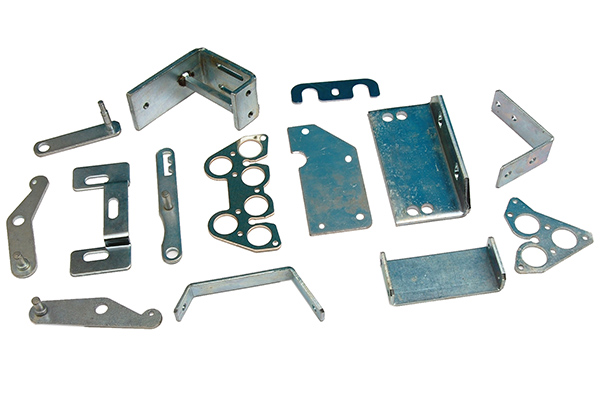
Flat sheet metal serves as a versatile base material. Its malleability allows us to create intricate, unique parts according to complex design requirements. Whether it is a one-of-a-kind electronics enclosure or a specialized automotive component, the right sheet metal makes it possible.
We often combine sheet metal with non-standard plastic parts. The metal provides structural strength. The plastic offers insulation or targeted corrosion resistance. This synergy improves both functionality and product lifespan.
In one recent project, we built housings for industrial sensors. The stainless steel base provided structural integrity and EMI shielding. The plastic inserts offered electrical isolation where needed. The combination delivered better performance than either material alone.
Conclusion
Flat sheet metal is a fundamental material in modern manufacturing. Understanding its types, properties, and selection criteria helps you make better decisions for your projects.
Start with your application requirements. Match them to material properties. Consider the total cost over the product’s lifespan. And ensure your chosen material works with your manufacturing processes.
When you choose wisely, flat sheet metal delivers durability, performance, and value that lasts.
FAQ
What are the most common thicknesses of flat sheet metal?
Thicknesses vary by application. Automotive body panels typically use 0.7–1.2mm. Residential roofing uses 0.5–1mm galvanized steel. Industrial roofing may use 1–3mm. Electronics applications often use 0.1–0.3mm for thin-walled enclosures and shielding.
Can flat sheet metal be easily welded?
It depends on the material. Low-carbon steel welds easily with standard arc welding. Stainless steel welds well but requires proper technique to maintain corrosion resistance. Aluminum is more challenging—it needs specialized MIG or TIG welding, aluminum-specific filler wire, and careful oxide management.
How do I prevent flat sheet metal from rusting?
Several methods work: Coating with paint or powder coating provides a physical barrier. Galvanization applies a zinc layer that corrodes sacrificially. Electroplating deposits a thin layer of corrosion-resistant metal like nickel or chromium. For stainless steel, the material itself resists rust through its chromium oxide layer.
What is the difference between sheet metal and plate?
The dividing line is thickness. Sheet metal is generally less than 6mm thick. Plate is 6mm or thicker. This distinction matters for manufacturing processes—sheet metal is typically formed, bent, and cut using different equipment than plate.
Contact Yigu Technology for Custom Manufacturing
Need flat sheet metal components for your next project? Yigu Technology combines material expertise with precision manufacturing. From material selection to finishing, we deliver custom solutions tailored to your requirements. [Contact us] to discuss your project.