Introduction
You need a sheet metal that can survive outdoors. Maybe it is for roofing, fencing, or equipment exposed to rain, snow, and salt. Standard steel rusts too quickly. Stainless steel may be overkill for your budget. So what is the middle ground?
SGCC sheet metal—hot-dip galvanized steel—offers a practical solution. It starts with a strong steel base and adds a thick zinc coating that protects against corrosion for decades. Unlike thin electro-plated coatings, this one bonds tightly to the steel, forming layers that resist peeling and chipping.
In this guide, we will explore what SGCC is, how it is made, where it performs best, and how to work with it. By the end, you will know whether this material fits your next project.
What Is SGCC Sheet Metal Made Of?
Steel Substrate and Zinc Coating
SGCC stands for “Steel, Galvanized, Cold-rolled, Commercial quality.” The base material is low-carbon steel. This gives the sheet good strength and ductility—it bends and forms without cracking.
The defining feature is the hot-dip galvanized coating. The steel is dipped into molten zinc at about 450°C. This creates multiple layers:
- Iron-zinc alloy layers next to the steel (strong adhesion)
- A pure zinc outer layer (sacrificial protection)
This structure matters. If the surface gets scratched, the zinc corrodes first, protecting the steel underneath. And because the alloy layers bond tightly, the coating does not peel or flake—even when you bend or punch the metal.
Real-World Example: A customer needed fencing panels for a coastal park. Electro-galvanized steel was cheaper but showed rust spots within two years. SGCC panels installed nearby remained rust-free after five years. The thicker, alloyed coating held up against salt spray that ate through the thinner coating.
Coating Weight and Surface Finish
Coating thickness is measured in grams per square meter (g/m²) . SGCC typically ranges from 120 g/m² to 600 g/m², which translates to 15 to 85 micrometers of coating thickness.
| Coating Weight | Thickness | Best For |
|---|---|---|
| 120–180 g/m² | Light | Indoor applications, light duty |
| 180–275 g/m² | Medium | General outdoor use, roofing, fencing |
| 275–450 g/m² | Heavy | Industrial equipment, storage tanks |
| 450–600 g/m² | Extra heavy | Coastal environments, chemical exposure |
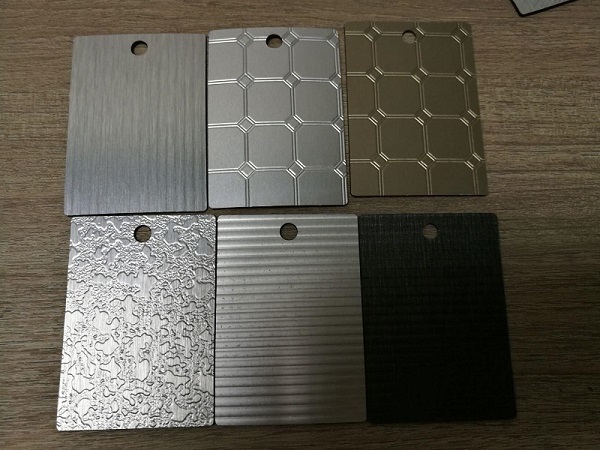
The surface has a distinctive spangled appearance—shiny crystalline patterns formed as the zinc cools. This finish can be left exposed or painted. A variant called galvannealed SGCC undergoes additional heating after galvanizing, creating a matte, paintable surface commonly used in automotive parts.
How Is SGCC Sheet Metal Made?
The Hot-Dip Galvanizing Process
Producing SGCC involves several precise steps. The goal is a clean steel surface that bonds fully with molten zinc.
- Cleaning: The steel sheet passes through degreasing baths to remove oil, dirt, and mill scale.
- Annealing: The steel is heated and cooled to soften it, improving ductility for later forming.
- Fluxing: A zinc-based solution coats the steel, preventing oxidation before dipping.
- Dipping: The steel enters a bath of molten zinc at about 450°C. It moves through at a controlled speed to ensure even coating.
- Cooling: After exiting the bath, the coated steel cools rapidly. Cooling must be controlled to avoid warping while allowing proper zinc crystal formation.
In modern continuous galvanizing lines, these steps happen in sequence on coils up to 2 meters wide. This ensures consistent coating thickness across large volumes.
Quality Control Checks
Reputable manufacturers test SGCC for:
- Coating thickness using magnetic gauges
- Adhesion by bending the metal 180° and checking for peeling
- Surface uniformity—no bare spots or runs
Pro Tip: When ordering SGCC, ask for mill test reports. They confirm coating weight, tensile strength, and compliance with standards like ASTM A653 or JIS G3302.
What Properties Make SGCC Unique?
Corrosion Resistance: The Main Advantage
SGCC’s corrosion resistance comes from two mechanisms:
- Barrier protection: The zinc layer physically blocks moisture and oxygen.
- Galvanic protection: If scratched, zinc corrodes sacrificially, protecting the exposed steel.
In salt spray tests (ASTM B117), SGCC can resist rust for 2,000 to 5,000 hours, depending on coating thickness. Compare that to electro-galvanized steel, which typically fails within 500 hours.
Real-world lifespan:
- Rural environments: 30–50 years
- Urban/industrial: 20–35 years
- Coastal (high salt): 15–25 years
Strength and Ductility
SGCC retains the strength of its steel substrate while adding the protective coating. Typical mechanical properties:
| Property | Typical Range |
|---|---|
| Tensile Strength | 300–500 MPa |
| Yield Strength | 200–350 MPa |
| Elongation | 15–30% |
| Hardness (Brinell) | 80–120 |
This combination makes SGCC suitable for structural applications. It can handle loads while still being formable into bends, channels, and complex shapes.
Additional Properties
- Impact resistance: The iron-zinc alloy layers add toughness. SGCC withstands sudden blows better than bare steel of the same thickness.
- Wear resistance: Harder than uncoated steel, it resists abrasion in applications like sliding gates or conveyor components.
- Flatness: While not as precise as cold-rolled steel, SGCC maintains adequate flatness for most structural and outdoor uses.
Where Is SGCC Sheet Metal Used?
Construction and Architecture
SGCC is a staple in construction. You will find it in:
- Roofing and siding: The coating withstands decades of rain and sun.
- Structural components: Beams, columns, and purlins for buildings.
- Fencing and railings: Park fences, highway barriers, and handrails.
- Ductwork: Outdoor HVAC systems exposed to moisture.
Case Study: A municipal project required 5,000 linear feet of park fencing. Stainless steel was quoted at $120 per foot—far over budget. SGCC with a 275 g/m² coating came in at $38 per foot. After seven years of public use and seasonal weather, the fence showed no rust and minimal coating wear.
Automotive and Transportation
Automakers use SGCC for parts that face road salt and moisture:
- Undercarriage components
- Wheel wells
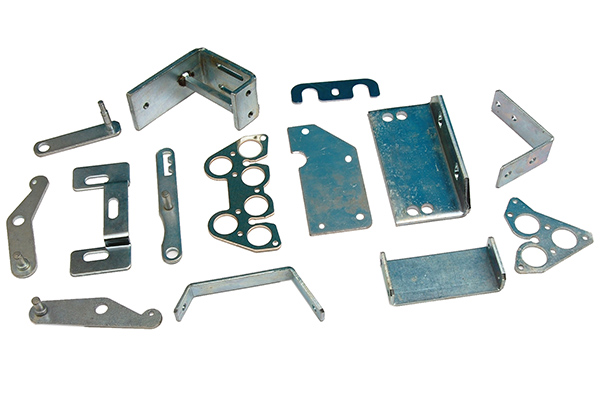
- Frame brackets
- Exhaust heat shields (with additional thermal barriers)
Industrial and Agricultural Equipment
Heavy-duty equipment often operates outdoors or in wet conditions. SGCC protects:
- Storage tanks for water, fuel, and chemicals
- Conveyor systems and machine frames
- Toolboxes and equipment enclosures
- Agricultural machinery: Tractor components, plow blades, grain silos
A plow blade made from SGCC, for example, resists rust from damp soil while maintaining the strength to turn hard ground.
HVAC and Piping
Outdoor ductwork, irrigation pipes, and industrial fluid lines benefit from SGCC’s corrosion resistance and pressure-handling capability.
How Do You Work with SGCC?
Cutting and Forming
SGCC cuts and forms similarly to uncoated steel, with a few considerations:
- Cutting: Shearing, laser cutting, and plasma cutting all work. Laser cutting may leave a thin, unprotected edge that requires touch-up.
- Bending: The coating remains intact during moderate bends. For tight radii, use a larger punch radius to prevent cracking.
- Punching: Use sharp tooling to minimize coating damage at the cut edge.
Welding
SGCC can be welded, but heat damages the zinc coating around the weld zone. This creates a potential rust point.
Best practices:
- Use welding techniques that minimize heat spread (short welds, proper heat input)
- Grind away coating slightly before welding to reduce zinc fume generation
- Always touch up welds with zinc-rich paint or cold galvanizing spray to restore corrosion protection
Safety Note: Welding galvanized steel produces zinc oxide fumes. Work in a well-ventilated area and wear appropriate respiratory protection.
Finishing and Painting
SGCC can be painted for aesthetic or additional protection purposes. Steps:
- Clean the surface to remove oil and dirt
- Prime with a primer designed for galvanized surfaces (acid-etched or epoxy-based)
- Paint with acrylic, polyester, or polyurethane coatings
Properly painted SGCC can exceed the corrosion resistance of unpainted material, especially in coastal areas.
Conclusion
SGCC sheet metal delivers a proven balance of corrosion resistance, strength, and affordability. Its hot-dip galvanized coating—thicker and more durable than electro-galvanized alternatives—protects steel for decades in outdoor environments. The material forms well, withstands impact, and accepts paint for additional protection or aesthetics.
Choose SGCC when you need:
- Long-term outdoor durability
- Cost-effective corrosion protection
- A material that can be formed, welded (with touch-up), and painted
With proper selection of coating weight and post-fabrication treatment, SGCC components can outlast the structures they serve.
FAQs
How does SGCC compare to electro-galvanized steel?
SGCC has a much thicker coating (15–85 micrometers) with iron-zinc alloy layers that bond tightly to the steel. Electro-galvanized coatings are thinner (5–15 micrometers) and lack the alloy layers. In rural environments, SGCC lasts 30–50 years; electro-galvanized typically lasts 5–15 years. SGCC is the better choice for outdoor and heavy-duty applications.
Can SGCC be welded without damaging corrosion resistance?
Yes, but precautions are needed. Welding heat destroys the zinc coating around the weld. After welding, clean the area and apply zinc-rich paint or cold galvanizing spray to restore corrosion protection. Use short welds and proper heat control to minimize the affected zone.
What factors affect the lifespan of SGCC outdoors?
Three main factors: coating thickness (thicker = longer life), environment (coastal salt reduces lifespan), and physical damage (scratches or dents that expose steel). Proper installation and occasional maintenance—like touching up damaged areas—can extend service life significantly.
Is SGCC suitable for food or drinking water contact?
SGCC can be used for water storage, but confirm with local codes. For potable water, ensure the coating meets relevant standards (e.g., NSF/ANSI 61). The zinc coating is generally safe for water contact, but some applications may require specialized coatings.
Contact Yigu Technology for Custom Manufacturing
At Yigu Technology, we work with SGCC sheet metal across a range of industries—construction, automotive, agriculture, and industrial equipment. We cut, bend, weld, and finish SGCC components to your specifications. Our team understands how to maintain coating integrity during fabrication and offers post-fabrication treatments like painting and zinc touch-up. Contact us to discuss your next project—we will help you select the right coating weight and fabrication approach for long-lasting results.