Introduction
Choosing the right material for a manufacturing project can feel overwhelming. You need something strong enough to handle heavy loads, yet affordable enough to keep your budget on track. Maybe you have dealt with materials that warp during welding or arrive with inconsistent thickness, causing headaches during assembly. These are common frustrations. Sheet metal hot-rolled steel often provides a practical answer. It offers a balance of strength, formability, and cost-effectiveness that many other materials cannot match. In this guide, we will explore its key properties, how manufacturers make it, where it works best, and the quality standards that ensure it performs as expected.
Material Properties: What Makes It Strong?
Understanding the core traits of hot-rolled steel helps you decide if it fits your needs.
What Is Inside Hot-Rolled Steel?
This material starts with iron as its main ingredient. Manufacturers add a small amount of carbon—typically between 0.05% and 0.25%—along with traces of manganese, silicon, and phosphorus. This mix creates a strong yet flexible metal. For instance, a sheet with 0.15% carbon provides enough strength for structural frames while remaining easy to bend and weld.
How Strong and Flexible Is It?
Hot-rolled steel offers a tensile strength between 300 and 500 MPa. While cold-rolled steel can be slightly stronger, hot-rolled steel compensates with impressive ductility. It can stretch 20% to 40% before breaking. This makes it ideal for applications that require bending, forming, or welding.
| Property | Typical Value | Why It Matters |
|---|---|---|
| Carbon Content | 0.05% – 0.25% | Ensures workability without sacrificing strength |
| Tensile Strength | 300 – 500 MPa | Handles heavy loads in buildings and machinery |
| Ductility (Elongation) | 20% – 40% | Allows bending and forming without cracking |
| Density | ~7.85 g/cm³ | Provides stability for structural applications |
Does It Resist Rust?
In its natural state, hot-rolled steel has limited corrosion resistance. The rolling process leaves a dark oxide scale on the surface. This scale offers minor protection, but it will rust when exposed to moisture over time. For outdoor use, you will need to apply a coating such as paint, galvanization, or other surface treatments.
Manufacturing Process: From Slab to Sheet
Knowing how hot-rolled steel is made helps you understand its characteristics and limitations.
How Does Hot Rolling Work?
The process begins by heating steel slabs to extreme temperatures—between 1100°C and 1250°C. This heat makes the steel soft and pliable. The material then passes through a series of rollers that squeeze it into thinner sheets. Because the steel stays above its recrystallization temperature, it remains easy to shape without cracking.
Key steps in the core process:
- Heating steel billets to over 1100°C
- Passing the material through multiple rolling stands
- Reducing thickness gradually to the desired dimension
- Cooling the sheet in a controlled environment
How Do They Control Thickness?
Modern rolling mills use advanced sensors and computer systems. These tools monitor thickness continuously and adjust roller pressure in real time. The result is consistent sheet thickness across long production runs. Hot-rolled sheets can range from as thin as 1.2 mm to over 100 mm, depending on the application.
What Finishing Steps Improve Quality?
After rolling, some sheets undergo annealing. This heat treatment involves heating the steel to 600°C to 700°C and then cooling it slowly. Annealing relieves internal stresses and improves ductility, making the steel easier to form into complex shapes.
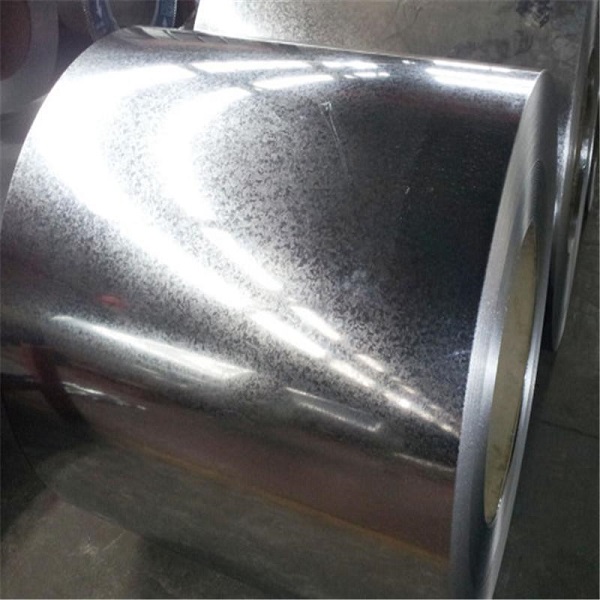
Surface treatment follows. Manufacturers often use pickling—an acid bath that removes the oxide scale—or shot blasting for a cleaner surface. Finally, the sheets are coiled for storage and transport. Coiling helps maintain flatness and prevents damage during handling.
Applications: Where Does Hot-Rolled Steel Excel?
This material appears in many industries because of its versatility and strength.
Construction and Infrastructure
Building Frames: Hot-rolled steel beams and columns form the skeletons of skyscrapers, bridges, and stadiums. Its strength supports heavy loads, while its weldability simplifies on-site assembly.
Piping Systems: Large-diameter pipes for water, gas, and oil rely on hot-rolled steel. The material’s thickness handles high pressure, and proper coatings protect against corrosion.
Automotive and Industrial Uses
Automotive Components: Car manufacturers use hot-rolled steel for chassis frames and engine mounts. Its ductility helps absorb impact energy during collisions, improving safety.
Industrial Machinery: Presses, conveyors, and heavy equipment often feature hot-rolled steel frames. The material withstands constant vibration and heavy use without failing.
Appliances: Washing machines and dryers use hot-rolled steel for internal frames and supports. Strength and affordability make it a practical choice for these hidden structural parts.
| Industry | Common Applications | Why It Works |
|---|---|---|
| Construction | Beams, columns, bridges | High strength, easy welding |
| Automotive | Chassis frames, engine mounts | Ductility for impact absorption |
| Industrial Machinery | Press frames, conveyor systems | Durability under heavy loads |
| Appliances | Internal structural supports | Cost-effective and strong |
Quality Standards: Ensuring Reliability
Working with substandard steel leads to project delays and safety risks. Reputable manufacturers follow strict standards.
What Are the Key International Standards?
ASTM A36 is a common standard for structural steel. It requires a minimum tensile strength of 400 MPa and a yield strength of 250 MPa. Products meeting this standard deliver predictable performance.
ISO 9001 certification indicates that a manufacturer follows consistent quality management practices. This certification covers everything from raw material sourcing to final inspection.
How Is Quality Tested?
Manufacturers use several methods to verify quality:
- Tensile Testing: Measures strength and ductility
- Ultrasonic Testing: Detects internal flaws like cracks or voids
- Hardness Testing: Confirms consistent mechanical properties
- Dimensional Inspection: Ensures thickness and width meet specifications
For most hot-rolled sheets, thickness tolerance stays within ±0.5 mm. While this is less precise than cold-rolled steel, it is acceptable for structural applications where strength matters more than surface perfection.
What About Surface Finish?
Hot-rolled steel has a naturally rough surface with visible scale. Standards define acceptable levels of surface imperfections based on the intended use. For applications where appearance is critical, you may need to specify additional finishing or consider cold-rolled alternatives.
Conclusion
Hot-rolled sheet metal offers a reliable combination of strength, ductility, and affordability. It works well for structural components, heavy machinery, and infrastructure projects where surface finish is not the primary concern. Understanding its properties—moderate tensile strength, excellent formability, and limited corrosion resistance—helps you select the right material for your needs. The manufacturing process, with its high-temperature rolling and optional annealing, gives this steel its characteristic flexibility. By choosing material that meets recognized standards like ASTM A36 and ISO 9001, you ensure consistent quality and predictable performance. Whether you are building a bridge, manufacturing automotive parts, or designing industrial equipment, hot-rolled steel provides a cost-effective foundation that gets the job done.
FAQs
What is the main difference between hot-rolled and cold-rolled steel?
Hot-rolled steel is processed at high temperatures, making it easier to shape but leaving a rougher surface. Cold-rolled steel undergoes additional processing at room temperature, resulting in a smoother finish and tighter dimensional tolerances. Choose hot-rolled when strength and cost matter most; choose cold-rolled when appearance and precision are critical.
Can hot-rolled steel be used outdoors without a coating?
It is not recommended. Hot-rolled steel rusts when exposed to moisture over time. For outdoor applications like piping or structural frames, you should apply a protective coating such as paint, galvanization, or powder coating to extend its lifespan.
What thicknesses are available for hot-rolled steel sheets?
Hot-rolled steel sheets typically range from 1.2 mm to over 100 mm in thickness. The wide range makes this material suitable for everything from thin appliance components to thick industrial plates.
How do manufacturers ensure hot-rolled steel meets quality standards?
Reputable manufacturers perform tensile testing, ultrasonic testing, and dimensional inspections throughout production. They also follow international standards such as ASTM A36 and maintain ISO 9001 certification to ensure consistent quality.
Contact Yigu Technology for Custom Manufacturing
At Yigu Technology, we specialize in transforming sheet metal hot-rolled steel into precision components for your projects. Our team works with certified materials that meet ASTM and ISO standards, ensuring every part delivers the strength and reliability you expect. From cutting and welding to forming and finishing, we handle the entire process under one roof. Whether you need structural frames, industrial machinery parts, or custom fabrications, we provide cost-effective solutions tailored to your specifications. Contact us today to discuss your next project and discover how our expertise can bring your designs to life.