Discover how 3D printing is revolutionizing medical applications—from custom implants and prosthetics to surgical planning and bioprinting. Real cases and future trends inside.
Introduction
3D printing has found one of its most profound purposes in medicine. Unlike traditional manufacturing, which produces standard sizes for hypothetical "average" patients, additive manufacturing creates solutions tailored to individual anatomy. A hip implant that matches your exact bone structure. A surgical guide that fits your unique skull. A prosthetic limb designed for your specific needs.
This isn't incremental improvement—it's fundamental change. 3D printing in medicine moves healthcare from "one size fits most" to "designed for you." The results: better outcomes, faster recoveries, and treatments previously impossible.
In this guide, we'll explore how medical 3D printing is transforming patient care across prosthetics, implants, surgical planning, drug delivery, and the frontier of bioprinting. You'll see real applications, understand the technologies behind them, and learn where this field is heading next.
What Technologies Drive Medical 3D Printing?
How Did We Get Here?
3D printing began in the 1980s as rapid prototyping for industrial design. Early machines were expensive, slow, and limited to basic plastics. The idea of printing medical devices seemed science fiction.
By the early 2000s, researchers started exploring medical applications. The first custom implants appeared. Surgeons began printing anatomical models for planning complex cases. Today, additive manufacturing plays a vital role in personalized treatment across dozens of specialties.
The evolution continues: what was once experimental is now routine in leading hospitals worldwide.
What Printing Methods Are Used in Medicine?
Different medical applications require different 3D printing technologies:
| Technology | How It Works | Medical Applications |
|---|---|---|
| FDM (Fused Deposition Modeling) | Melts plastic filament, deposits layer by layer | Prosthetics, external aids, anatomical models |
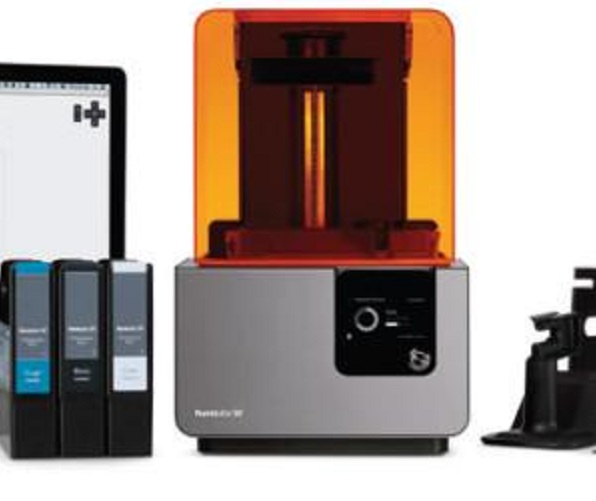
| SLA (Stereolithography) | Laser cures liquid resin | High-precision models, surgical guides, dental appliances |
| SLS (Selective Laser Sintering) | Laser fuses powder particles | Durable implants, surgical tools, custom devices |
| SLM/DMLS (Metal Printing) | Laser melts metal powder | Orthopedic implants, dental crowns, spinal cages |
| Bioprinting | Deposits living cells and bioinks | Tissue engineering, research models, experimental therapies |
Each technology offers different strengths. FDM provides low-cost, large-scale models. SLA delivers exceptional detail. SLS produces strong, functional parts. Metal printing creates permanent implants. Bioprinting aims for living tissue.
What Materials Are Safe for Medical Use?
Materials for medical 3D printing must meet strict standards for biocompatibility, sterilization, and mechanical performance:
- Polymers: Medical-grade nylon, PEEK, PEKK, and resins (FDA-approved grades)
- Metals: Titanium (Ti6Al4V), cobalt-chrome, stainless steel (316L)
- Bioresorbables: PLA, PCL, other materials that dissolve over time
- Bioinks: Hydrogels with living cells for bioprinting research
Each material requires validation for its specific application. An implant that contacts bone needs different properties than a surgical guide used only during surgery.
What Are the Main Medical Applications of 3D Printing?
How Are Prosthetics Being Transformed?
Prosthetics represent one of the earliest and most impactful applications. Traditional prosthetic limbs require extensive manual fitting, multiple appointments, and significant cost. Many patients, especially children who outgrow prosthetics quickly, go without.
3D printing changes this:
- Custom fit: A scan of the residual limb creates a perfect digital model. The prosthetic socket prints to match exactly—no gaps, no pressure points, no discomfort.
- Rapid production: What once took weeks now takes days. A child who needs a new arm every year can have one printed affordably and quickly.
- Design freedom: Prosthetics aren't limited to flesh-colored plastic. Patients choose colors, patterns, even superhero themes. A young patient is more likely to wear—and benefit from—a prosthetic they're excited about.
- Functionality: Complex mechanisms print as assembled parts, reducing assembly time and improving reliability.
Cochlear, the hearing implant company, uses 3D printing to produce hearing implants perfectly matched to each patient's ear canal shape. The result: better comfort, improved effectiveness, and higher patient satisfaction.
Facial prosthetics—noses, ears, eye sockets—benefit enormously. Each patient's anatomy is unique. Printing matches that uniqueness, restoring both function and appearance.
What's Changing with Custom Implants?
Medical implants—hip replacements, knee joints, cranial plates, spinal cages—have traditionally come in standard sizes. Surgeons choose the closest match and make adjustments during surgery. This works, but "closest match" isn't perfect.
3D-printed implants solve this:
Anatomical precision: Using CT or MRI data, engineers design implants that match the patient's exact anatomy. A hip implant follows the natural curve of the femur. A cranial plate fits precisely into the skull defect.
Osseointegration: Printed implants include porous structures that bone grows into. This biological integration creates a permanent bond, reducing loosening over time—a common failure mode for smooth implants.
Complex geometries: Implants with internal lattice structures weigh less while maintaining strength. Channels for bone growth, features that reduce stress shielding, and patient-specific fixation points all become possible.
Reduced surgery time: When the implant fits perfectly, less adjustment happens in the OR. Shorter surgeries mean less anesthesia, lower infection risk, and faster recovery.
A real example: A patient with a cranial defect needed a custom plate to protect brain tissue. Traditional methods would take weeks to form a titanium sheet by hand. Using 3D printing, surgeons scanned the defect, designed a precise-fitting plate, and printed it overnight. The implant matched perfectly, reducing surgery time by 2 hours. The patient recovered faster with better cosmetic results.
Dental implants follow the same pattern. Printed crowns, bridges, and surgical guides fit precisely, reducing chair time and improving outcomes.
How Is Surgical Planning Improving?
Surgical planning has been transformed by 3D-printed anatomical models. Surgeons have always studied X-rays, CTs, and MRIs. But looking at 2D images on a screen is different from holding a physical model.
3D-printed models offer:
- Tactile understanding: Surgeons hold the exact anatomy they'll operate on. They see spatial relationships, practice approaches, and anticipate challenges.
- Patient communication: Showing a patient a model of their own heart, with the defect explained, builds understanding and trust. "Let me show you what we'll fix" is more powerful than any diagram.
- Team coordination: Complex surgeries involve multiple specialists. A physical model lets everyone see the same anatomy, discuss approaches, and coordinate their work.
- Education: Residents learn from realistic models. Rare conditions become teachable moments without needing a live patient.
A cardiac surgery team used a 3D-printed heart model to plan a complex pediatric procedure. The infant had multiple defects that made traditional repair risky. The team practiced on the model, developed a novel approach, and completed the actual surgery in half the estimated time. The child recovered fully.
Surgical guides take this further. Custom guides fit precisely on patient anatomy, showing exactly where to cut, drill, or place implants. In joint replacement surgery, a printed guide ensures the prosthesis aligns perfectly with the patient's bone structure—improving function and longevity.
What About Drug Delivery?
Drug delivery might seem unrelated to printing, but 3D-printed pharmaceuticals offer intriguing possibilities:
Personalized dosing: Patients metabolize drugs differently. A child needs a different dose than an adult. With printed pills, each tablet contains exactly the prescribed amount—no splitting, no guessing.
Complex release profiles: Multi-layer pills release drugs at different times. One layer provides immediate relief, another releases hours later. This improves compliance (one pill instead of several) and efficacy.
Combination therapies: Patients on multiple medications could receive one pill containing all their drugs, each in the right dose and release profile.
Rare conditions: For diseases with few patients, pharmaceutical companies don't develop custom formulations. 3D printing enables small-batch production tailored to individual needs.
The FDA approved the first 3D-printed drug in 2015—an epilepsy medication that dissolves quickly, helping patients who have difficulty swallowing. More approvals have followed.
Controlled-release carriers can be designed to release medication at a steady pace over days or weeks, reducing the need for multiple daily doses and improving patient compliance.
What Is Bioprinting and Why Does It Matter?
How Does Bioprinting Work?
Bioprinting represents the frontier of 3D printing in medicine. Instead of plastic or metal, bioprinters deposit living cells, growth factors, and biomaterials to create tissue-like structures.
The process:
- Scan: Patient anatomy is scanned to define the structure needed
- Design: Engineers design a scaffold that matches the target tissue
- Print: Bio-ink—containing living cells—is deposited layer by layer
- Mature: The printed structure incubates, allowing cells to grow and organize
- Implant: The mature tissue is implanted into the patient (experimental)
Current bioprinting produces thin tissues—skin, blood vessels, cartilage. The challenge with complex organs (hearts, livers, kidneys) is scale and vascularization. Tissues need blood vessels to deliver oxygen and nutrients throughout. Printing those networks remains difficult.
What Progress Has Been Made?
Significant milestones have been achieved:
- Skin: Several companies print skin grafts for burn victims. The printed skin incorporates the patient's own cells, eliminating rejection risk.
- Cartilage: Researchers have printed ear-shaped cartilage that matures into functional tissue. Children with microtia (underdeveloped ears) could receive printed replacements.
- Bone grafts: Printed scaffolds seeded with bone cells promote regeneration in defects too large to heal naturally.
- Blood vessels: Small-diameter vessels have been printed and implanted in animal studies. They remain patent (open) and integrate with surrounding tissue.
- Organoids: Miniature versions of organs—liver, kidney, brain—are printed for drug testing and disease modeling. These aren't transplantable but accelerate research.
Researchers are developing bioinks that mimic the human extracellular matrix, providing the environment cells need to grow and organize. Each advancement brings functional printed tissues closer to clinical reality.
When Will We Print Transplantable Organs?
The timeline for printed organs generates intense interest—and controversy. Predictions range from 5 to 50 years. The honest answer: it's complicated.
Challenges include:
- Vascularization: Organs need blood vessels throughout. Printing these networks at capillary scale is extraordinarily difficult.
- Cell types: Organs contain multiple cell types arranged precisely. Recreating that organization requires advanced printing.
- Maturation: Printed cells must organize into functional tissue. This happens partly during incubation, partly after implantation.
- Regulation: Even when technically possible, printed organs must prove safety and efficacy. Clinical trials take years.
Most experts believe simple tissues (skin, cartilage, blood vessels) will reach clinical use within 5-10 years. Complex organs (heart, liver, kidney) are 15-20 years away, assuming research progresses steadily.
The payoff justifies the effort. Thousands die waiting for organ transplants. Printed organs, derived from the patient's own cells, would eliminate rejection and waiting lists.
What Benefits Does 3D Printing Bring to Medicine?
Enhanced Patient Outcomes
Personalization directly improves outcomes:
- Better fit: Custom implants and prosthetics match patient anatomy perfectly
- Improved function: Devices designed for individual needs perform better
- Reduced complications: Precise fit means fewer adjustments, less trauma
- Faster recovery: Shorter surgeries, better integration, quicker healing
Patients receiving personalized prosthetics report better comfort and functionality. Those with custom implants experience fewer complications and revisions.
Cost-Efficiency in Healthcare
While the initial investment in 3D printing equipment can be significant, long-term savings are substantial:
- Reduced inventory: Print on demand, no storage costs
- Less waste: Additive manufacturing uses material efficiently
- Fewer complications: Better outcomes mean fewer corrective procedures
- Shorter surgeries: Less operating room time = lower costs
- Faster development: New devices reach patients quicker
3D-printed anatomical models and surgical guides reduce complication rates and the need for corrective surgeries, lowering overall healthcare costs.
Faster Innovation
3D printing accelerates medical innovation:
- Rapid prototyping: New devices iterate in days, not months
- Custom research tools: Scientists print exactly what they need
- Clinical trials: Custom devices for specific patient populations
- Regulatory testing: Faster iteration through design cycles
What once took years now takes weeks. This speed brings treatments to patients faster.
Educational Value
Medical education has been transformed:
- Anatomical models: Students hold realistic representations
- Pathological specimens: Rare conditions become teachable
- Surgical practice: Trainees rehearse on realistic models
- Patient education: Models help patients understand their conditions
A medical student who has held a 3D-printed heart with a congenital defect understands that defect differently than one who has only seen diagrams.
What Challenges Remain?
Regulatory Oversight
Regulatory pathways for 3D-printed medical devices are still evolving:
- Unique challenges: Each printed device is slightly different—how do you regulate uniqueness?
- Guidance development: The FDA has issued guidance but frameworks continue developing
- Validation requirements: Processes must be validated, not just products
- Quality control: Ensuring consistency across customized devices
Clearer guidelines will accelerate adoption while maintaining safety.
Material Safety
Biocompatibility is critical:
- Material testing: Each material must prove safe for its intended use
- Long-term performance: Implants must last years or decades
- Sterilization: Complex geometries must be sterilizable
- Degradation: Resorbable materials must break down safely
Not all 3D-printing materials are suitable for medical use, especially those that contact tissue or implant permanently.
Accessibility
Advanced 3D printing isn't available everywhere:
- Cost barriers: Equipment and expertise remain expensive
- Training requirements: Specialized knowledge needed
- Infrastructure: Clean rooms, quality systems, sterilization
- Disparities: Low-resource settings may lack access
As technology matures and costs decrease, accessibility should improve.
Ethical Considerations
Ethical questions arise:
- Privacy: Patient data used for custom designs must be protected
- Equity: Who gets access to advanced personalized treatments?
- Responsibility: If a printed device fails, who is liable?
- Human enhancement: Where is the line between treatment and enhancement?
These questions require ongoing discussion among clinicians, regulators, and ethicists.
What's the Future of 3D Printing in Medicine?
Integration with AI and Robotics
Artificial Intelligence will accelerate medical 3D printing:
- Design optimization: AI generates implant designs balancing strength, weight, and biocompatibility
- Process control: AI monitors printing, detects defects, adjusts parameters
- Personalization: AI extracts anatomical measurements from scans, generates custom designs
- Prediction: AI predicts how printed devices will perform in specific patients
Robotics combined with 3D printing can automate complex surgeries and improve precision in implant placement, reducing human error.
Advances in Bioprinting
Bioprinting research accelerates:
- Vascularization techniques: Printing blood vessel networks
- Multi-material printing: Depositing multiple cell types precisely
- Maturation systems: Bioreactors that accelerate tissue development
- Immunomodulation: Engineering tissues that avoid rejection
The first printed organ transplants in humans will likely occur within 10-15 years. Initially simple organs (bladders, tracheas, blood vessels), eventually complex organs (kidneys, livers, hearts).
Point-of-Care Manufacturing
Point-of-care printing—manufacturing devices in hospitals—continues growing:
- Speed: No shipping, no waiting
- Customization: Design changes happen immediately
- Inventory reduction: Print what you need, when you need it
- Cost savings: Eliminate middlemen
More hospitals will bring printing in-house as regulatory frameworks mature.
Predicted Impact on Healthcare Systems
The widespread adoption of 3D printing in healthcare will:
- Personalize care: Individual patient needs addressed more effectively
- Reduce costs: Efficient production, fewer complications
- Improve access: Distributed manufacturing reaches underserved areas
- Accelerate innovation: Faster development of new treatments
- Transform education: Better training for next generation
As technology becomes more accessible and affordable, it will become a standard tool in hospitals and clinics worldwide.
Yigu Technology's Perspective
At Yigu Technology, we've watched medical 3D printing evolve from experimental to essential. We've printed:
- Cranial implants for trauma reconstruction
- Surgical guides for complex oncology cases
- Anatomical models for surgical planning
- Prosthetic sockets for pediatric patients
- Research devices for drug delivery studies
Our observation: 3D printing succeeds in medicine when it solves a real problem—not when it's used because it's cool. The best applications address genuine clinical needs: improving fit, reducing surgery time, enabling new procedures.
We work with hospitals, device companies, and researchers to:
- Select appropriate technologies for each application
- Design for printability and clinical use
- Validate processes for regulatory compliance
- Produce devices reliably and reproducibly
A recent collaboration with a craniofacial surgery team exemplifies this approach. They needed custom implants for pediatric patients with skull deformities. Traditional options required extensive intraoperative modification. We developed a workflow: CT scan → implant design → printed titanium implant → surgery. Each implant fits perfectly. Surgery times dropped by 2+ hours. Children recovered faster.
That's the promise of 3D printing in medicine: not technology for its own sake, but better outcomes for patients.
Frequently Asked Questions
What are the main advantages of 3D printing in medical applications?
Personalization: Tailored devices based on individual patient needs. Precision: Enhanced accuracy in surgeries and procedures. Cost-effectiveness: Reduced production costs and waste. Innovation: Enabling new medical technologies. Education: Realistic anatomical models for training.
What are the challenges associated with 3D printing in medicine?
Regulatory: Evolving guidelines and approval processes. Material safety: Ensuring biocompatibility for medical use. Cost: High upfront investment for equipment and training. Skill requirements: Need for specialized knowledge. Quality control: Maintaining consistency in customized devices.
What medical devices can be 3D printed today?
Currently approved devices include: orthopedic implants (hip, knee, spine), cranial plates, dental crowns and bridges, surgical guides, prosthetic sockets, anatomical models, and external aids like splints and orthotics.
Is 3D-printed medical equipment safe?
Yes, when produced through validated processes. 3D-printed devices must meet the same safety standards as traditionally manufactured devices. Regulatory bodies require biocompatibility testing, sterilization validation, and quality system compliance.
How much does 3D printing in healthcare cost?
Costs vary widely. A simple anatomical model might cost $200-500. A custom titanium implant ranges from $2,000-10,000—comparable to premium standard implants. The value comes from improved outcomes, reduced surgery time, and avoided complications.
What's the difference between 3D printing and bioprinting?
3D printing creates objects from plastic, metal, or non-living materials. Bioprinting deposits living cells and biomaterials to create tissue-like structures. 3D printing produces implants, models, and instruments. Bioprinting aims to produce living tissues and organs.
Contact Yigu Technology for Custom Manufacturing
Need 3D-printed medical devices or anatomical models for your practice, research, or device development? At Yigu Technology, we combine engineering expertise with medical-grade production capabilities.
We help clinicians and researchers:
- Convert CT/MRI data to printable models
- Design custom implants and surgical guides
- Select appropriate materials and processes
- Validate devices for clinical use
- Produce small batches for trials or individual patients
Contact our team today with your requirements. Whether you need a single anatomical model for surgical planning or a batch of custom implants for a clinical study, we'll provide expert guidance and reliable production.
Let's advance patient care together.