Introduction
In product development, precision and speed often seem like opposing forces. Faster processes sacrifice detail. Higher detail takes longer. Stereolithography (SLA) breaks this trade-off. It uses ultraviolet lasers to cure liquid resin into solid objects layer by layer, enabling the creation of highly detailed, intricate prototypes in hours—not weeks. Since its invention by Charles Hull in the 1980s, SLA has revolutionized how products are designed, tested, and manufactured. At Yigu Technology, we use SLA to serve clients across industries. This article explores how SLA works, its benefits, applications, and its impact on product development.
What Is Stereolithography?
Stereolithography (SLA) is an additive manufacturing process where a UV laser cures photopolymer resin into solid structures layer by layer. The name comes from Greek—“stereos” (solid) and “lithos” (stone)—reflecting the transformation of liquid resin into solid, three-dimensional objects.
SLA was first introduced in the 1980s by Charles Hull, co-founder of 3D Systems, who patented the technology in 1986. Hull’s invention of the stereolithography apparatus (SLA) paved the way for 3D printing as we know it today.
How Does SLA Work?
Step-by-Step Process
| Step | Description |
|---|---|
| 1. Design preparation | 3D model created using CAD software; sliced into thin layers using specialized slicing software |
| 2. Resin preparation | Vat of liquid photopolymer resin prepared and set at appropriate level |
| 3. Laser exposure | UV laser traces each layer’s outline, solidifying resin where exposed |
| 4. Layer buildup | Build platform lowers slightly; next layer formed in same manner |
| 5. Post-processing | Object removed from platform; cleaned; post-cured under UV light for complete solidification |
Key Milestones in SLA Development
| Year | Milestone |
|---|---|
| 1986 | Charles Hull patents the SLA process |
| 1988 | 3D Systems commercializes the first SLA machine |
| 1990s | SLA widely adopted across automotive, medical industries |
| 2000s | Advancements in resin materials and laser technology improve precision and speed |
| 2010s | Software enables printing of more complex geometries and finer details |
| Present | Ongoing innovations in material science, machine efficiency, and integration with other technologies |
What Materials Are Used in SLA?
Common Resin Types
| Resin Type | Properties | Applications |
|---|---|---|
| Standard resins | Balance of strength, flexibility, detail | General prototyping |
| Engineering resins | ABS-like, polycarbonate-like, high-temperature resistant | Functional prototypes, end-use parts |
| Biocompatible resins | Safe for healthcare; can be sterilized | Medical devices, dental applications, surgical guides |
| Specialty resins | Flexibility, transparency, color | Unique applications requiring specific properties |
What Are the Benefits of SLA?
Time and Cost Efficiency
Unlike traditional manufacturing—which requires molds and tooling—SLA is additive, eliminating expensive setups. Prototypes can be produced in hours or days, enabling quicker iterations and faster time-to-market.
Impact: Companies can test and refine designs earlier, reducing development costs and accelerating launch.
Design Flexibility and Complexity
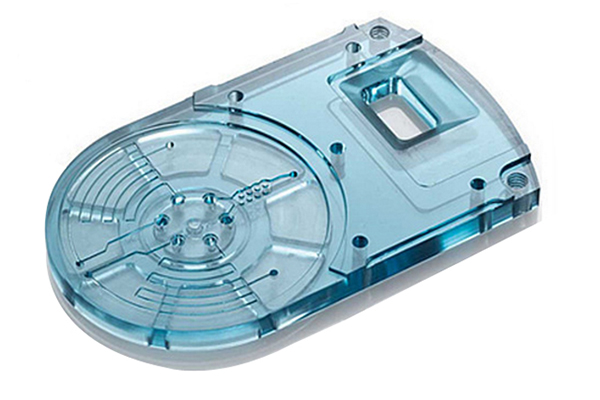
SLA enables complex geometries and fine details that would be difficult or impossible with conventional manufacturing.
Capabilities:
- Intricate internal structures
- Smooth curves and organic shapes
- High detail (layer thickness as low as 0.025–0.1 mm)
- Features that would require multiple parts in traditional manufacturing
High-Quality Prototyping and Final Products
SLA provides smooth surface finishes and high-resolution parts suitable for both prototyping and end-use manufacturing.
Applications:
- Detailed models for design validation
- Functional prototypes for testing
- Final products requiring tight tolerances and intricate features
How Is SLA Applied in Product Development?
Prototyping and Modeling
SLA is extensively used for rapid prototyping. Designers can quickly produce functional prototypes to test fit, form, and function.
Iterative advantage: The iterative nature of SLA prototyping allows easy adjustments to the design—ensuring potential issues are addressed before full-scale production.
Final Product Manufacturing
SLA is increasingly used for manufacturing end-use parts, especially in industries requiring high precision:
| Industry | Applications |
|---|---|
| Aerospace | Lightweight components, complex geometries |
| Automotive | Functional parts, interior components |
| Medical devices | Implants, surgical guides, custom prosthetics |
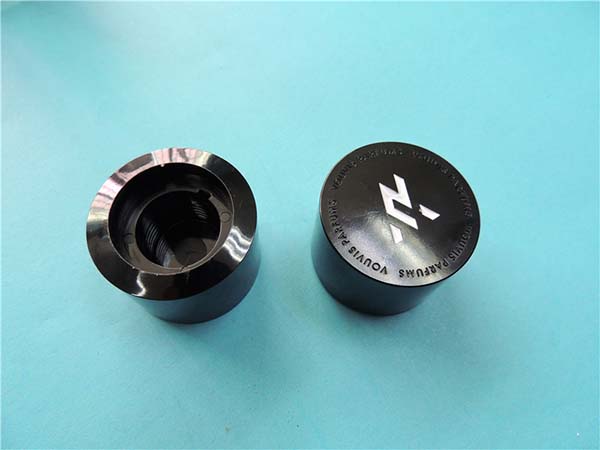
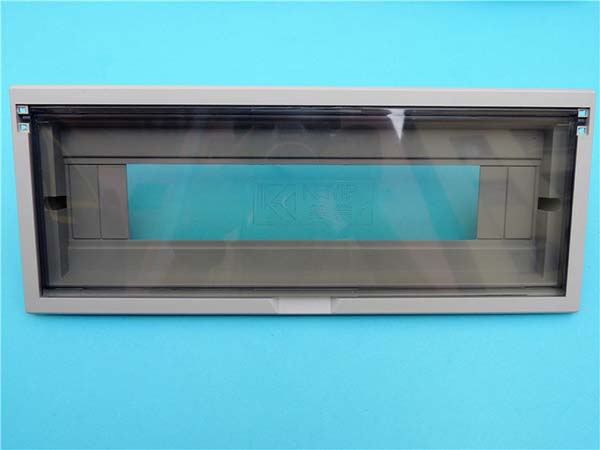
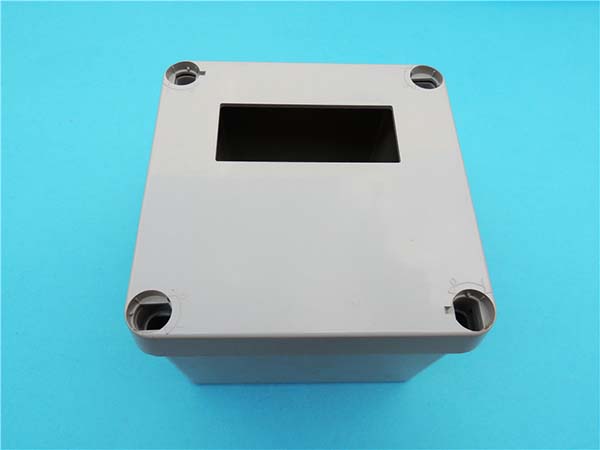
| Consumer goods | High-detail enclosures, custom products |
How Does SLA Impact the Product Development Cycle?
Accelerating Innovation
SLA speeds up the product development cycle by enabling rapid prototyping and iteration. The ability to quickly create functional models allows for:
- Faster testing
- Earlier design validation
- Quicker refinement
Result: Companies bring new products to market faster and stay ahead of the competition.
Enhancing Collaboration
SLA’s digital nature makes collaboration easier. Teams can share digital files easily, enabling:
- Real-time feedback
- Better decision-making
- Seamless communication between designers, engineers, and clients
Potential for Further Innovation
Advancements in material science: New materials will offer better performance—higher strength, flexibility, heat resistance. These innovations will expand SLA’s applications.
Integration with other technologies: The future of SLA will involve greater integration with AI, robotics, and machine learning—leading to smarter, more adaptive manufacturing processes that optimize efficiency and quality.
How Does SLA Compare to Other Technologies?
| Factor | SLA | FDM | SLS |
|---|---|---|---|
| Precision | Very high (0.025–0.1 mm layers) | Low–Moderate (0.1–0.4 mm) | Moderate–High (0.05–0.2 mm) |
| Surface finish | Smooth | Rough (layer lines) | Rough (grainy) |
| Speed | Fast for small parts | Moderate | Slow |
| Materials | Photopolymer resins | Thermoplastics | Plastics, metals, ceramics |
| Cost (equipment) | Medium–High | Low–Medium | High |
| Best for | High detail, smooth finish | Low-cost concepts | Functional parts, complex geometries |
When to choose SLA:
- High detail and smooth surface finish required
- Functional prototypes with tight tolerances
- Aesthetic models for presentations
- Medical devices requiring biocompatibility
Yigu Technology's Perspective
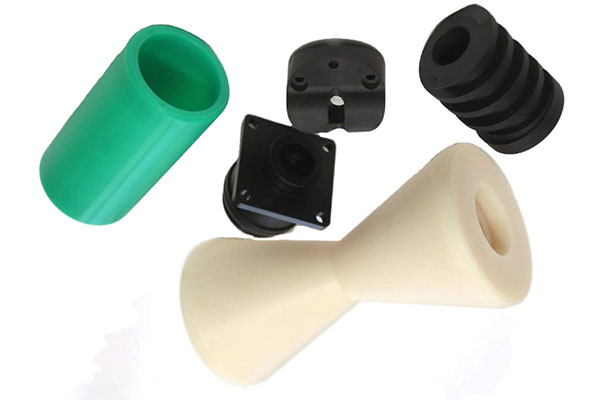
As a custom manufacturer of non-standard plastic and metal products, Yigu Technology uses SLA to serve clients across industries.
What we offer:
- High-precision SLA printing: Layer thickness as low as 0.025 mm
- Wide material selection: Standard, engineering, biocompatible, and specialty resins
- Post-processing: Cleaning, UV curing, and finishing
- Design for manufacturability (DFM): Optimize designs for SLA
Our view: SLA has revolutionized product development by providing a fast, flexible, cost-effective method for creating highly detailed prototypes and end-use products. Its ability to produce intricate parts, reduce lead times, and enable rapid iteration has transformed how companies design, test, and manufacture products.
Conclusion
Stereolithography (SLA) drives product development by offering:
- Speed: Prototypes in hours or days, not weeks
- Precision: Layer thickness as low as 0.025 mm; tolerances ±0.05–0.1 mm
- Design freedom: Complex geometries, fine details, smooth surfaces
- Versatility: Standard, engineering, biocompatible, and specialty resins
- Applications: Prototyping, functional testing, end-use manufacturing across aerospace, automotive, medical, and consumer goods
Key milestones: From Charles Hull’s 1986 patent to today’s advanced materials and integration with AI, SLA continues to evolve.
Impact: SLA accelerates innovation, enhances collaboration, and reduces time-to-market. As material science and technology advance, SLA will unlock even more opportunities for innovation across industries.
Frequently Asked Questions
What are the main benefits of using stereolithography (SLA) in product development?
SLA offers faster production times (hours to days), reduced costs (no tooling), enhanced design flexibility (complex geometries), and high-precision parts (tolerances ±0.05–0.1 mm). These benefits enable quicker iterations and more innovative product designs.
How does SLA compare to other 3D printing technologies?
Compared to FDM, SLA provides higher resolution and smoother surface finishes. Compared to SLS, SLA offers better surface finish but is limited to photopolymer resins. SLA machines are more expensive than FDM but less than metal SLS. Choice depends on precision, material, and cost requirements.
Can SLA be used for functional prototypes?
Yes. By selecting appropriate materials (engineering resins, high-temperature resins) and performing post-processing, SLA prototypes can simulate mechanical properties of final products—making them suitable for real-world testing and validation.
What materials are available for SLA?
Standard resins (general-purpose), engineering resins (ABS-like, polycarbonate-like, high-temperature), biocompatible resins (medical applications), and specialty resins (flexible, transparent, colored). Material choice depends on required properties: strength, flexibility, heat resistance, biocompatibility.
What industries use SLA most?
Aerospace (lightweight components), automotive (functional parts, interior components), medical devices (implants, surgical guides, dental), consumer goods (high-detail enclosures, custom products), and jewelry (intricate patterns). Any industry requiring high precision and smooth surface finish benefits from SLA.
Contact Yigu Technology for Custom Manufacturing
At Yigu Technology, we specialize in stereolithography rapid prototyping and custom manufacturing. Our capabilities include SLA 3D printing, post-processing, and design for manufacturability (DFM) feedback. We serve aerospace, automotive, medical, and consumer goods industries.
If you need high-precision prototypes with smooth surface finishes—for testing, validation, or end-use manufacturing—contact our engineering team. Let us help you accelerate development and bring better products to market faster.