Introduction
CNC machining of ABS (Acrylonitrile Butadiene Styrene) is widely used across industries. This versatile plastic offers a strong balance of strength, toughness, and surface finish. However, machining it comes with challenges. Many manufacturers struggle with achieving consistent surface finishes, selecting the right tools, and maintaining dimensional accuracy. Excessive heat can warp the material. Dull tools can cause cracking. This guide addresses these pain points. You will learn the basics of CNC machining ABS, material properties, process techniques, tool selection, and real-world applications. By the end, you will have the knowledge to machine ABS parts with precision and confidence.
What Makes ABS Suitable for CNC Machining?
ABS is a thermoplastic polymer known for its balanced properties. It combines the rigidity of acrylonitrile, the toughness of butadiene, and the gloss of styrene. These properties make it ideal for CNC machining.
Mechanical Properties
| Property | Typical Value |
|---|---|
| Tensile strength | 30 – 45 MPa |
| Density | 1.04 – 1.06 g/cm³ |
| Impact resistance | Excellent at room temperature |
| Hardness | Moderate |
ABS is strong enough for structural parts yet lighter than many metals. Its impact resistance makes it suitable for parts that absorb minor shocks—like automotive interior components or protective housings.
Thermal Properties
- Glass transition temperature: 105°C
- Melting point: 220–250°C
Above 105°C, ABS softens. During machining, heat buildup can cause warping or deformation. This makes cooling strategies essential.
Chemical Resistance
ABS resists oils, dilute acids, and many chemicals. However, it does not hold up against strong solvents like acetone. This is important to consider if your part will be exposed to harsh cleaning agents.
What CNC Machining Processes Work for ABS?
Several CNC processes work well for ABS. Each serves specific applications.
| Process | Best For | Key Considerations |
|---|---|---|
| Milling | Slots, holes, complex 3D shapes | 3-axis mills handle most parts; 5-axis for intricate designs |
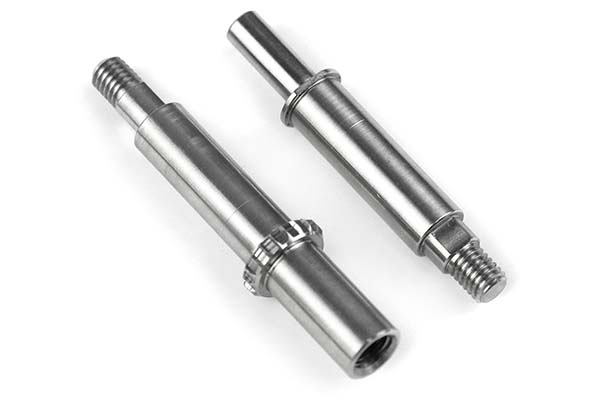
| Turning | Cylindrical components (bushings, shafts) | Sharp tools prevent melting |
| Drilling | Holes for fasteners or assembly | Use sharp bits; peck drilling to clear chips |
| Cutting | Flat ABS sheets | CNC router produces clean edges with optimized speed |
| Engraving | Text, logos, decorative features | Sharp carbide end mills create crisp lines |
Roughing vs. Finishing
A two-stage approach works well for ABS:
- Roughing: Remove bulk material quickly. Feed rates around 500 mm/min are common.
- Finishing: Focus on surface quality. Reduce feed rate to 300 mm/min for a smooth finish.
This balances efficiency with precision.
How Do You Select the Right Tools for ABS?
Tool selection is critical for successful ABS machining. The wrong tool can cause melting, chipping, or poor surface finish.
Tool Material
| Tool Type | Suitability for ABS |
|---|---|
| Carbide | Excellent—stays sharp longer, handles higher speeds |
| High-speed steel (HSS) | Acceptable for small runs, but dulls faster |
| Diamond-coated | Ideal for high-volume production; extends tool life |
Carbide tools are preferred for most ABS machining. They maintain sharp edges, reducing friction and heat.
Tool Geometry
- Flute count: Two-flute end mills are best for ABS. They provide better chip evacuation, reducing heat buildup.
- Helix angle: 30–45° cuts smoothly through ABS.
- Tool diameter: 6–12 mm for general milling; 1–3 mm for detailed engraving.
Cutting Parameters
| Parameter | Recommended Range |
|---|---|
| Cutting speed | 150 – 300 m/min |
| Feed rate | 0.1 – 0.2 mm/tooth |
| Depth of cut | Shallow passes (1–3 mm) to control heat |
Using these parameters reduces tool wear and prevents material melting.
How Do You Achieve High Surface Finish and Accuracy?
ABS can achieve excellent surface finishes and tight tolerances with proper technique.
Surface Finish
Achievable surface roughness: Ra 0.8 – 3.2 μm
Techniques for better finish:
- Post-machining sanding: Use fine-grit sandpaper (400–600 grit) to smooth surfaces.
- Polishing: Fine-grit sanding (800–1200 grit) followed by polishing compound creates a mirror-like finish.
- Coating: ABS accepts paints and adhesives well, allowing for custom colors or protective coatings.
Consistent gloss: Maintain uniform cutting speeds. Slower speeds in corners can create duller areas. Adjust feed rates to maintain consistent finish across the part.
Dimensional Accuracy
ABS can achieve tolerances of ±0.05 mm with tight process control. Key factors include:
- Heat management: Use coolants or compressed air to keep material temperature low.
- Fixture stability: Secure fixturing prevents vibration and movement.
- Sharp tools: Dull tools increase cutting forces and cause deflection.
Avoiding Common Issues
| Issue | Cause | Solution |
|---|---|---|
| Warping | Excessive heat buildup | Use coolant; reduce depth of cut |
| Cracking | Dull tools; excessive feed rates | Use sharp carbide tools; reduce feed in corners |
| Melting | High cutting speeds; poor chip evacuation | Increase chip clearance; use two-flute tools |
| Poor surface finish | Incorrect tool geometry; dull tools | Use high-helix tools; maintain sharp edges |
Where Is CNC Machined ABS Used?
ABS is one of the most versatile plastics for CNC machining. Its applications span multiple industries.
| Industry | Applications | Why ABS |
|---|---|---|
| Prototyping | Functional prototypes, form and fit testing | Low cost; easy to machine; quick turnaround |
| Automotive | Interior trim, dashboard components, connector housings | Impact resistance; good surface finish |
| Consumer electronics | Phone cases, laptop bezels, speaker enclosures | Sleek finish; durability; lightweight |
| Industrial equipment | Handles, knobs, protective covers | Strength; chemical resistance |
| Toys | Intricate toy parts, custom pieces | Safety; holds fine details |
| Medical | Non-implantable device housings, instrument handles | Easy to sterilize; good surface finish |
| Aerospace | Non-structural interior parts | Lightweight; flame-retardant grades available |
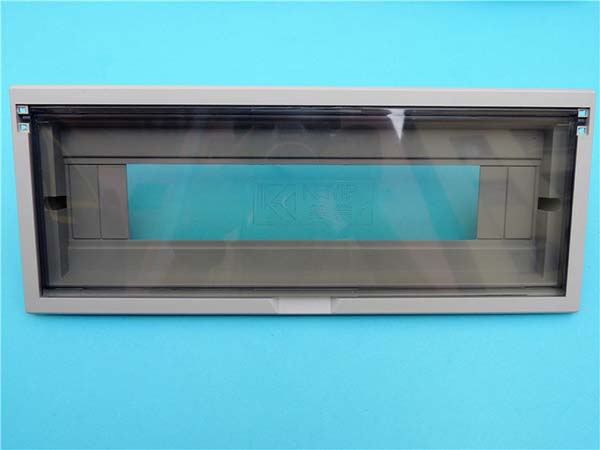
Custom enclosures for electronics are a common application. ABS machines to precise dimensions and allows for easy modifications—ideal for low-volume production or prototyping.
What Is Yigu Technology’s Perspective?
At Yigu Technology, we have extensive experience CNC machining ABS. We understand its unique properties and the challenges it presents. We use carbide tools with optimized geometries to ensure clean cuts and long tool life. Our process controls include:
- Coolant strategies: Compressed air or mist cooling to prevent heat buildup.
- Fixture design: Secure workholding to eliminate vibration.
- Parameter optimization: Tailored feed rates and spindle speeds for each part.
Whether you need a functional prototype or a small production run, we deliver ABS parts with consistent surface finish and dimensional accuracy. Our commitment to quality ensures your parts meet specifications every time.
Conclusion
CNC machining ABS offers an excellent balance of strength, cost, and machinability. Success depends on understanding the material’s properties and applying the right techniques. Use carbide tools with two flutes and high helix angles. Control heat with coolants or compressed air. Apply roughing and finishing passes to balance efficiency and surface quality. With proper tool selection and process control, ABS can achieve ±0.05 mm tolerances and Ra 0.8–3.2 μm surface finishes. From automotive parts to consumer electronics, ABS delivers reliable performance across industries.
FAQs
What causes ABS to crack during machining?
Cracking often results from dull tools, excessive feed rates, or inadequate fixturing. Using sharp carbide tools and reducing feed rates in tight corners prevents this. Ensure the workpiece is securely clamped to avoid movement that creates stress.
Can ABS be machined to a mirror finish?
Yes. A combination of fine-grit sanding (800–1200 grit) after machining followed by a polishing compound can achieve a mirror-like surface. ABS accepts polishing well due to its thermoplastic nature.
Is ABS suitable for outdoor applications?
ABS has moderate UV resistance. Prolonged sunlight exposure can cause fading and brittleness. For outdoor use, consider UV-stabilized ABS grades or apply a protective coating to extend service life.
Contact Yigu Technology for Custom Manufacturing
At Yigu Technology, we specialize in CNC machining ABS and other engineering plastics. Our capabilities include 3-axis, 4-axis, and 5-axis milling, turning, and routing. We use carbide tooling and optimized cutting parameters to deliver parts with excellent surface finish and tight tolerances. Our engineering team provides DFM feedback to optimize your designs for manufacturability. Whether you need a single prototype or a production run, we deliver ABS components that meet your specifications.
Ready to machine your next ABS part? Contact Yigu Technology today for a free consultation and quote. Let us help you turn your design into a precision-machined reality.