Introduction
You have a design. It looks good on screen. But will it work in the real world? Before you commit to expensive production tooling, you need to know.
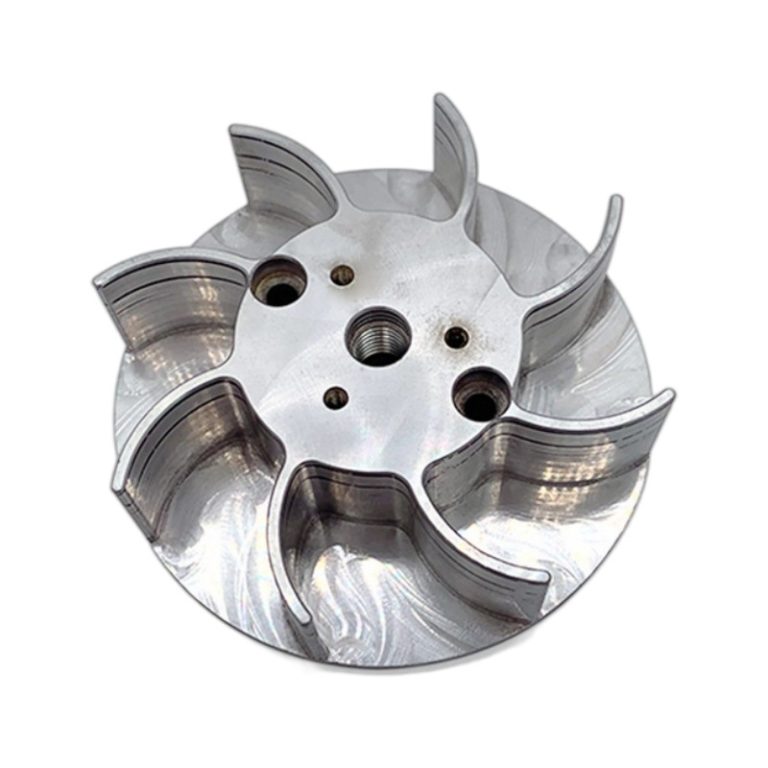
That is where prototype CNC machining comes in. It turns digital designs into physical parts. Fast. Precise. Reliable.
This guide covers the benefits of prototype CNC machining services. You will learn why precision matters, how it saves time and money, and which industries rely on it. By the end, you will know how to choose the right service and what to expect from the process.
What Is Prototype CNC Machining?
The Process
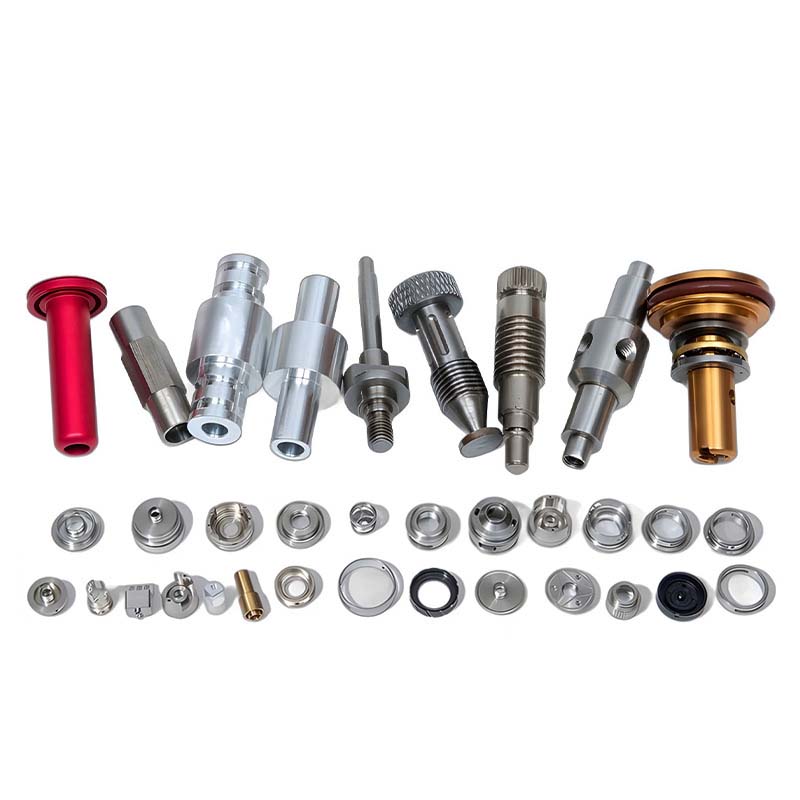
Prototype CNC machining uses computer-controlled machines to create parts from digital designs. The process follows a clear workflow:
- CAD design – A 3D model is created in software
- CAM programming – The model is converted into machine instructions
- CNC machining – The machine cuts, shapes, and finishes the material
- Inspection – The prototype is measured against specifications
Key Features
| Feature | What It Means |
|---|---|
| Precision | Parts made to exact specifications, not approximations |
| Speed | Automated machining produces parts in hours or days, not weeks |
| Versatility | Works with metals, plastics, and other materials |
| Consistency | Every part matches the design exactly |
| Complexity | Intricate geometries that manual methods cannot achieve |
What Are the Key Benefits?
Precision and Accuracy
Prototype CNC machining delivers unmatched precision. Tolerances as tight as ±0.001 mm are achievable. This matters.
In medical devices, a prosthetic must fit perfectly. In aerospace, a component that is off by a fraction of a millimeter can cause failure. CNC machining produces parts that match the design exactly.
Cost-Efficiency
The upfront cost of CNC equipment is significant. But the long-term savings are real.
| Cost Factor | How CNC Helps |
|---|---|
| Labor | Automation reduces manual work |
| Material waste | High accuracy minimizes scrap |
| Rework | Quality prototypes reduce downstream errors |
| Recalls | Proper testing prevents production issues |
A prototype that reveals design flaws early saves thousands in production tooling corrections.
Time-Saving Prototyping
Speed matters in product development. CNC machining turns designs into physical parts quickly.
A complex part that might take weeks with manual methods can be machined in days. This enables:
- Faster testing of concepts
- Quick iterations based on feedback
- Earlier market entry
- Competitive advantage
Complexity Handling
Some designs are simply impossible to make manually. CNC machining handles:
- Complex 3D geometries
- Tight internal features
- Thin walls and intricate details
- Precise hole patterns and threads
What looks impossible on a drawing becomes possible on a CNC machine.
Consistency
Manual machining varies with the operator’s skill and fatigue. CNC machines follow programmed instructions exactly. The first part matches the hundredth. This consistency is essential when multiple prototypes are needed for testing.
How Does Prototype CNC Machining Compare to Other Methods?
| Factor | CNC Machining | 3D Printing | Manual Machining |
|---|---|---|---|
| Precision | ±0.001–0.01 mm | ±0.1–0.3 mm | ±0.05–0.2 mm |
| Material range | Wide (metals, plastics) | Limited by printer type | Wide but skill-dependent |
| Surface finish | Smooth | Layer lines visible | Variable |
| Speed for metal parts | Fast | Slow | Slow |
| Strength | Solid material | Layer adhesion dependent | Solid material |
CNC machining is often the best choice when precision, material properties, and surface finish matter.
Which Industries Benefit Most?
Automotive Industry
Automotive manufacturers use prototype CNC machining for:
- Engine components – Precise dimensions for combustion
- Body panels – Complex curves and fits
- Interior parts – Ergonomic testing and aesthetics
- Transmission components – Gear and shaft prototypes
The ability to quickly test and iterate improves performance and reduces development time.
Aerospace Industry
Aerospace demands the highest precision. Prototype CNC machining produces:
- Turbine blades – Complex airfoil shapes
- Structural brackets – Lightweight but strong
- Engine components – High-temperature materials
- Satellite parts – Reliability in extreme conditions
Each prototype is tested to meet strict safety and performance standards before production.
Medical Device Manufacturing
Precision is a matter of safety in medical devices. CNC machining creates:
- Surgical instruments – Ergonomic, precise, sterilizable
- Prosthetics – Custom-fit to patients
- Implants – Biocompatible materials, exact dimensions
- Diagnostic equipment – Precise housings and components
A custom-fit prosthetic must align perfectly with the body. CNC machining delivers that precision.
Electronics and Consumer Goods
Small, intricate parts benefit from CNC precision:
- Device housings – Thin walls, precise fits
- Connectors – Reliable electrical contacts
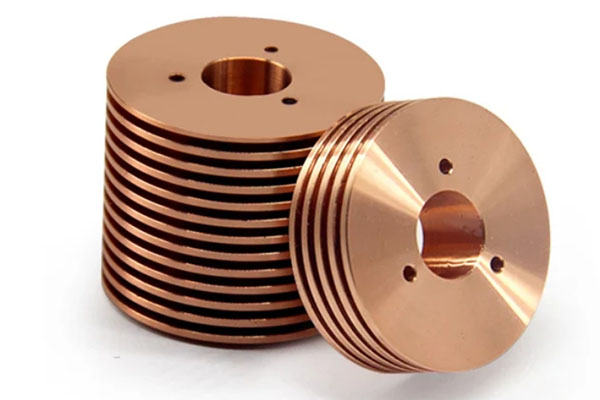
- Heat sinks – Complex cooling structures
- Prototypes for testing – Form and fit verification
How Do You Choose the Right Service Provider?
Factors to Consider
| Factor | What to Look For |
|---|---|
| Experience | Proven track record in your industry |
| Capabilities | Equipment that matches your material and complexity needs |
| Quality assurance | Certifications (ISO 9001), inspection equipment |
| Turnaround time | Realistic timelines that meet your schedule |
| Cost | Balance of price with quality and speed |
Deeper Evaluation
Portfolio – Review past projects. Do they align with your needs?
Client testimonials – What do others say about reliability and quality?
Technical support – Can they help with design questions?
Scalability – Can they handle larger production if your project moves forward?
What Challenges Should You Anticipate?
Initial Setup Costs
CNC machining requires investment in equipment and programming. For prototyping, the solution is often outsourcing. Service providers already have the infrastructure.
Design Complexity
Highly intricate designs can be challenging. Work with experienced CNC experts who understand both the technology and your design requirements. They can suggest modifications that maintain function while improving manufacturability.
Material Limitations
Not all materials machine well. Early consultation with material specialists ensures you choose materials suited for both prototyping and eventual production.
Maintenance and Downtime
Machines require maintenance. A good service provider has a proactive maintenance schedule and backup plans to minimize delays.
What Do Real-World Success Stories Look Like?
Automotive Example
An automotive manufacturer needed a new engine component with precise dimensions and intricate internal features. Using prototype CNC machining, they produced multiple iterations quickly. Each version was tested, refined, and improved. The final design performed reliably and met all specifications. Development time was cut significantly.
Aerospace Example
A satellite system required components that met strict safety and operational standards. CNC prototypes allowed engineers to verify each part’s function before committing to production. The satellite launched successfully, with every component performing as designed.
Medical Example
A medical device company developed a new surgical tool requiring customized adjustments for different procedures. CNC machining produced multiple prototypes rapidly. Surgeons tested each version, providing feedback on ergonomics and performance. Design refinements based on this feedback enhanced both surgical precision and operational efficiency.
Conclusion
Prototype CNC machining services bridge the gap between design and production. They turn digital models into physical parts with precision that manual methods cannot match. They enable rapid iteration, reduce development time, and catch design flaws before costly production tooling is created.
The benefits are clear. Precision ensures parts fit and function as intended. Cost-efficiency comes from reduced labor, less waste, and fewer downstream errors. Speed gets products to market faster. Complexity handling enables designs that would otherwise be impossible.
From automotive to aerospace, medical to electronics, industries rely on CNC prototyping to develop better products. Choosing the right service provider—one with experience, capabilities, and quality systems—makes the difference between a smooth development process and costly delays.
FAQ
What are the main advantages of using prototype CNC machining services?
The primary advantages are precision (tight tolerances), cost-efficiency (reduced labor and waste), rapid prototyping (fast turnaround), complexity handling (intricate geometries), and consistency (reliable output across multiple parts). These benefits accelerate product development and reduce risks.
How do I choose the right CNC machining service provider?
Consider experience in your industry, capabilities matching your material and complexity needs, quality assurance processes and certifications, turnaround time for your schedule, and cost balanced against quality and speed. Review portfolios and client testimonials for additional insight.
Which industries benefit most from prototype CNC machining?
Automotive (engine parts, body panels), aerospace (turbine blades, structural components), medical devices (implants, surgical tools), electronics (housings, connectors), and defense (reliable components for extreme conditions). Any industry requiring precision and complex geometries benefits.
How does prototype CNC machining compare to 3D printing?
CNC machining offers tighter tolerances (±0.001–0.01 mm vs. ±0.1–0.3 mm), a wider material range (including metals), and better surface finishes. 3D printing excels at organic shapes and internal cavities but typically requires secondary finishing. For functional prototypes requiring material properties and precision, CNC machining is often preferred.
What is the typical turnaround time for CNC prototypes?
Turnaround depends on complexity. Simple parts can be machined in 1–3 days. Complex parts with tight tolerances may take 5–10 days. Rush services are often available. Compare these timelines to the weeks required for injection molding tooling—the time savings are significant.
Contact Yigu Technology for Custom Manufacturing
At Yigu Technology, we specialize in prototype CNC machining for demanding industries. Our facility houses 3-axis, 4-axis, and 5-axis CNC mills, CNC lathes, and comprehensive inspection equipment. We work with metals, plastics, and composites to match your specific requirements.
Our quality system ensures precision with CMM inspection and in-process monitoring. We support projects from initial prototypes to production runs, with the scalability to grow as your needs evolve.
Contact us today to discuss your prototyping project. Let our expertise help you validate designs, reduce development time, and bring better products to market faster.