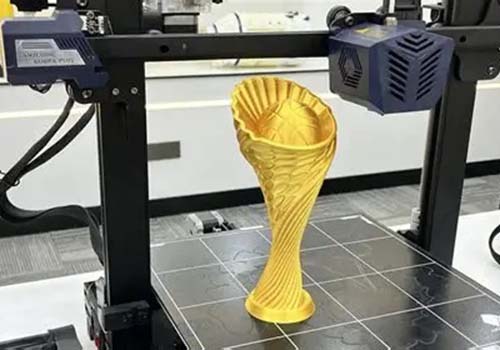
PETG combines the strength of ABS with the printability of PLA—making it ideal for functional parts, prototypes, and outdoor applications. This guide explains its properties, printing techniques, and how to master this versatile material.
Introduction: The Goldilocks of 3D Printing
You've heard PETG hailed as the "goldilocks" of 3D printing materials—stronger than PLA, easier to print than ABS. But maybe your experience tells a different story: prints that stick so firmly to the bed they tear when removed, stringing that looks like spider webs, or parts that warp despite your best efforts.
These frustrations make PETG feel less like a solution and more like another material to conquer.
The reality is, PETG's unique blend of material properties—a mix of strength, flexibility, and ease of use—comes with its own set of rules. Mastering it requires understanding its behavior during printing, knowing which applications suit it best, and nailing the post-processing steps.
In this guide, we'll unlock PETG's potential, helping you avoid common pitfalls and leverage its versatility for everything from prototypes to end-use parts.
What Makes PETG Stand Out From Other Materials?
How is PETG different from PET?
PETG is a modified version of PET (Polyethylene Terephthalate) —the material used for water bottles and food containers. The addition of glycol improves flexibility and printability. This modification transforms PET from a challenging-to-print material into one of the most versatile filaments available.
How do its mechanical properties compare?
Strength and resilience: PETG boasts tensile strength of 40-55 MPa—stronger than PLA (30-60 MPa, but more brittle) and comparable to ABS (20-40 MPa). Its impact resistance is impressive too; it can absorb shocks without shattering, making it far tougher than PLA.
This balance of strength and flexibility means it's rigid enough for structural parts but can bend slightly under stress, reducing the risk of cracks.
Durability and longevity: PETG's durability shines in long-term use. Unlike PLA, it doesn't degrade quickly in sunlight. Its chemical resistance is superior—it withstands exposure to water, alcohols, and mild acids, making it suitable for containers or parts that contact liquids. It's also resistant to oils and greases—a plus for automotive parts or industrial components.
Thermal and physical traits: With thermal resistance up to 80°C, PETG handles more heat than PLA (60°C) but falls short of ABS (90°C). This makes it ideal for parts that encounter moderate heat, like electronic enclosures or light fixtures. Its density of 1.27-1.30 g/cm³ is similar to PLA, keeping parts lightweight.
One of its best traits is flexibility; it's not as stiff as PLA, so parts like hinges or clips can endure repeated use without breaking.
How does PETG compare to PLA and ABS?
| Property | PETG | PLA | ABS |
|---|---|---|---|
| Tensile Strength | 40-55 MPa | 30-60 MPa | 20-40 MPa |
| Impact Resistance | High (bends, doesn't shatter) | Low (brittle, shatters) | Medium (flexible, absorbs impact) |
| Thermal Resistance | Up to 80°C | Up to 60°C | Up to 90°C |
| Chemical Resistance | Excellent (resists water, alcohols) | Poor (dissolves in many chemicals) | Good (resists oils, solvents) |
| Printability | Easy | Very easy | Difficult |
| Odor During Printing | Minimal | Sweet, pleasant | Strong, unpleasant |
| UV Resistance | Good | Poor | Moderate |
What Printing Techniques Master PETG's Behavior?
PETG is more forgiving than ABS but trickier than PLA. Nailing the printing techniques is key to avoiding issues like stringing, warping, or poor adhesion.
Temperature and adhesion: The basics
Extrusion temperature: 230-250°C. This is higher than PLA (190-210°C) but overlaps with ABS (230-250°C).
- Too low (below 220°C) leads to under-extrusion and weak layers
- Too high (above 260°C) causes stringing and material degradation, which weakens the part
Bed adhesion: Critical for PETG, which has a tendency to warp slightly. Use a heated bed at 70-80°C. For better grip:
- Clean the bed with isopropyl alcohol
- Apply a thin layer of hairspray or glue stick
- Use a PEI sheet (though be careful—PETG can stick too well to PEI)
Unlike ABS, PETG doesn't require an enclosure, but a draft shield can help with adhesion in cold rooms.
Layer height and nozzle diameter: A layer height of 0.2-0.3 mm works best for most prints.
- Smaller layers (0.1-0.2 mm) improve detail but slow down printing
- Larger layers (0.3-0.4 mm) are faster but may reduce strength
A nozzle diameter of 0.4 mm is standard, but 0.6 mm can speed up prints for less detailed parts.
Speed and cooling: Fine-tuning the process
Print speed: 40-60 mm/s is optimal. PETG flows more slowly than PLA, so faster speeds (above 70 mm/s) can cause under-extrusion or rough layers. Slower speeds (30-40 mm/s) improve layer adhesion—useful for parts needing extra strength.
Cooling settings: PETG needs moderate cooling.
- Start with fan speed at 30-50% for the first layer
- Increase to 50-70% for subsequent layers
- Too much cooling (above 80%) causes poor layer bonding
- Too little cooling (below 30%) leads to stringing and oozing
Filament diameter: Most PETG filaments are 1.75 mm, but 2.85 mm is also available. Ensure your printer is calibrated for your filament diameter—even a 0.05 mm mismatch can cause extrusion issues.
Storage: PETG absorbs moisture slowly, but wet filament causes popping and stringing. Store in a dry place—a filament dryer or dry box is ideal for humid environments.
Common printing problems and solutions
Stringing:
- Lower nozzle temperature by 5-10°C
- Increase retraction distance to 2-4 mm
- Increase retraction speed to 40-60 mm/s
- Enable "wipe" or "coasting" settings
Poor bed adhesion:
- Increase bed temperature to 75-80°C
- Clean bed thoroughly with isopropyl alcohol
- Apply fresh adhesive (hairspray or glue stick)
- Level bed carefully—first layer is critical
Too much bed adhesion:
- Use a slightly cooler bed (70°C instead of 80°C)
- Apply release agent or use a different build surface
- Let bed cool completely before removing parts
- For stubborn prints, use a flexible build plate
Warping:
- Ensure bed temperature is consistent
- Use a brim or raft for large parts
- Avoid drafts and temperature changes
- Consider an enclosure if room is cold
Layer separation:
- Increase nozzle temperature
- Reduce cooling fan speed
- Slow down print speed
- Ensure proper extrusion multiplier
What Can You Create With PETG?
Prototyping
Engineers love PETG for functional prototypes. Its strength and durability mean prototypes can withstand testing—like repeatedly opening and closing a hinge or simulating the stress of a consumer product in use.
It prints with enough detail for visual prototypes too, bridging the gap between PLA (too fragile) and ABS (too tricky).
Functional parts
PETG is ideal for functional parts that need to work reliably:
- Brackets and clips for various applications
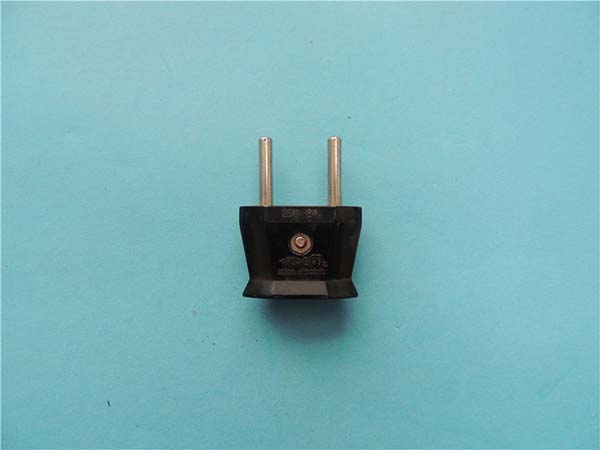
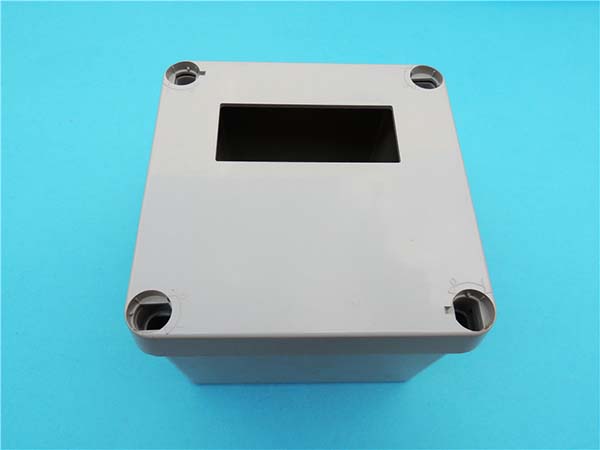
- Housings for electronics
- Containers like water bottles or soap dispensers (thanks to chemical resistance)
- Hinges that endure repeated use
- Custom lamp shades where LED heat needs management
Industrial components
In factories, PETG is used for:
- Jigs and fixtures for assembly lines
- Low-stress machine parts
- Protective covers and enclosures
- Tool holders and organizers
Automotive applications
PETG's resistance to oils, greases, and temperature changes makes it suitable for:
- Cable management clips
- Interior trim pieces
- Vent components
- Custom brackets for accessories
Medical devices
While not as biocompatible as specialized materials, some medical-grade PETG is used for non-implantable devices:
- Tool holders for surgical instruments
- Protective covers for medical equipment
- Training models and anatomical aids
Aerospace components
Its lightweight density and fuel resistance suit:
- Non-structural components like cable guides
- Protective covers for sensitive equipment
- Custom fixtures for manufacturing
Outdoor applications
PETG's UV resistance makes it viable for outdoor use:
- Garden tool handles
- Outdoor prototypes needing weather resistance
- Light covers and fixtures
- Signage and displays
How Do You Post-Process PETG?
PETG's smooth surface and ease of processing make post-processing straightforward, but the right techniques elevate its appearance and performance.
Sanding and polishing
Start with 120-200 grit sandpaper to remove layer lines. Progress to 400-600 grit for a smooth finish.
PETG sands more easily than ABS but is harder than PLA—it holds its shape better during sanding. For best results:
- Sand in one direction to avoid scratches
- Use wet sanding for finer finishes
- Progress gradually through grits
Polishing with a buffing wheel and plastic polish (like Meguiar's) can give a glossy shine.
Painting and finishing
PETG accepts paint well, but proper preparation matters:
- Clean the surface with isopropyl alcohol to remove oils
- Use acrylic or enamel paints—avoid oil-based paints that may soften the plastic
- Apply primer first to fill tiny scratches for a professional look
- Add clear coats for extra protection
Chemical smoothing
Unlike ABS, PETG doesn't respond well to acetone. However, chemical smoothing with ethyl acetate (in a well-ventilated area) can melt surface layers for a glossy finish.
Warning: Test on a scrap piece first—ethyl acetate can warp thin parts. Use proper ventilation and protective equipment.
Heat treatment
Heat treatment (heating to 60-70°C for 1 hour, then cooling slowly) reduces internal stress, improving impact resistance slightly. This can be useful for parts that will experience mechanical stress.
Assembly
PETG parts bond well with:
- Cyanoacrylate (superglue) : Quick bonding for most applications
- Epoxy: Stronger bonds for structural joints
- PETG cement: A mix of ethyl acetate and PETG pellets for chemical bonding
- Mechanical fasteners: PETG is easy to drill, tap, or saw
What Are the Pros and Cons of PETG?
Advantages
- Stronger than PLA with better impact resistance
- Easier to print than ABS—less warping, no enclosure needed
- Good chemical resistance to water, alcohols, mild acids
- UV resistant—better for outdoor use than PLA
- Food-safe in its pure form (though printed parts have crevices)
- Transparent options available for clear parts
- Recyclable like other PET materials
Disadvantages
- Stringing can be an issue without proper retraction settings
- Sticks too well to some build surfaces—can damage beds
- Lower heat resistance than ABS (80°C vs 90°C)
- Moisture sensitive—needs dry storage
- Not as rigid as PLA for some applications
- Less detail than PLA for very fine features
Yigu Technology's Perspective: Harnessing PETG's Versatility
At Yigu Technology, we rely on PETG for projects that demand strength, flexibility, and ease of printing. We've found it's the go-to material for clients needing durable prototypes or end-use consumer products—it balances performance and cost better than many alternatives.
Our team optimizes printing techniques for each project:
- Adjusting extrusion temperature for optimal layer adhesion
- Fine-tuning cooling settings to avoid stringing
- Selecting the right post-processing steps to meet aesthetic or functional requirements
Whether you need automotive parts, custom containers, or functional prototypes, PETG delivers—and we're here to make sure you get the most out of it.
Conclusion
PETG truly is the versatile middle ground of 3D printing materials. It combines the strength and durability of ABS with the printability of PLA, making it suitable for applications ranging from prototypes to end-use parts.
Key takeaways:
- PETG offers 40-55 MPa tensile strength and excellent impact resistance
- Print at 230-250°C with a 70-80°C heated bed
- Use moderate cooling (50-70% fan) and 40-60 mm/s print speed
- Store filament dry to avoid moisture issues
- Applications span prototyping, functional parts, automotive, industrial, and outdoor use
- Post-processing includes sanding, painting, and careful chemical smoothing
With the right techniques, PETG becomes not just a material to conquer, but a reliable solution for your most demanding projects.
FAQ
Q1: Why is my PETG print stringing so much?
A: Stringing is often due to high extrusion temperature or insufficient retraction. Lower nozzle temperature by 5-10°C, increase retraction distance to 2-4 mm, or slow down print speed to give the nozzle time to retract properly.
Q2: Can PETG be used for outdoor applications?
A: Yes! PETG has better UV resistance than PLA and withstands rain and temperature swings. It's great for outdoor prototypes or parts like garden tool handles, though prolonged exposure above 80°C may cause slight warping.
Q3: How do I prevent PETG from sticking too much to the bed?
A: Use a slightly cooler bed (70°C instead of 80°C) and apply a thin layer of hairspray or glue stick as a release agent. Once the bed cools to 40-50°C, the part should pop off easily. For stubborn prints, gently flex the bed or use a plastic scraper.
Q4: Is PETG food-safe?
A: PETG itself is food-safe—it's used for water bottles and food containers. However, 3D-printed parts have layer lines and crevices where bacteria can grow, so they're not recommended for prolonged food contact unless properly sealed.
Q5: How does PETG compare to PLA for strength?
A: PETG is generally stronger and much tougher. While tensile strengths overlap (40-55 MPa for PETG vs 30-60 MPa for PLA), PETG's impact resistance is far superior—it bends rather than shatters under stress.
Q6: Does PETG need an enclosure?
A: No, PETG doesn't require an enclosure like ABS. It prints well without one. However, in very cold rooms, a draft shield or enclosure can help prevent warping of large parts.
Q7: Can I print PETG with a 0.4mm nozzle?
A: Yes, 0.4mm is the standard nozzle size for PETG and works perfectly. For faster prints, you can use 0.6mm or larger nozzles, but layer adhesion may be slightly affected.
Q8: How do I store PETG filament?
A: Store PETG in a dry place, ideally in a sealed container with desiccant. While it absorbs moisture more slowly than nylon or TPU, wet PETG will cause popping sounds, stringing, and poor surface finish during printing.
Q9: Can PETG be welded or bonded?
A: Yes. PETG bonds well with cyanoacrylate (superglue), epoxy, and specialized PETG cement. It can also be solvent-welded with ethyl acetate for strong, permanent bonds.
Q10: What layer height is best for PETG?
A: For most prints, 0.2-0.3 mm layer height works well. Use 0.1-0.2 mm for detailed parts, and 0.3-0.4 mm for faster prints where detail isn't critical.
Contact Yigu Technology for Custom Manufacturing
Ready to harness the versatility of PETG for your next project? At Yigu Technology, we combine deep expertise with state-of-the-art 3D printing capabilities. Whether you need functional prototypes, custom automotive parts, durable enclosures, or outdoor components, our team delivers quality results tailored to your specifications. Contact us today for a consultation—let's bring your designs to life with PETG.