
Can Zinc Die Casting Deliver Strength, Precision, and Affordability?

Metal extrusion 2

Contents Introduction What Makes Zinc Alloys So Versatile? The Zamak Family and Beyond Mechanical Strength and Ductility Casting Fluidity and Density Corrosion Resistance and Conductivity How Should You Optimize the Zinc Die Casting Process? Die Design Fundamentals Injection Parameters Cooling Rate Control What Post-Casting Steps Are Needed? Minimal Processing Required Plating and Finishing Options Quality […]

Introduction

You chose zinc alloys for their reputation. High precision. Low cost. Good strength. These are the promises that make zinc the go-to material for countless applications—from door handles to electrical connectors.

But production issues can appear. Porosity weakens parts. Surface finish falls short. Cycle times drag on. Defect rates climb.

These problems have solutions. Zinc alloys—especially the Zamak family—have been workhorses of die casting for decades. This guide covers their properties, the process controls that matter, and how to achieve consistent, high-quality results for high-volume production.


What Makes Zinc Alloys So Versatile?

The Zamak Family and Beyond

Zinc alloys used in die casting fall into two main families: Zamak and ZA (zinc-aluminum) . Each serves different needs.

AlloyCompositionKey PropertiesBest Applications
Zamak 3Zn-4% AlBest general-purpose, good ductility, excellent castabilityMost applications—hardware, electrical, consumer products
Zamak 5Zn-4% Al-1% CuHigher hardness, better wear resistanceParts requiring wear resistance like gears, bushings
Zamak 2Zn-4% Al-3% CuHighest strength in Zamak familyHeavy-duty applications
ZA-8Zn-8% AlHigher strength than ZamakStructural components
ZA-27Zn-27% AlTensile strength up to 400 MPaHigh-strength applications, competes with aluminum

Zamak 3 is the most widely used. It offers the best balance of properties for most applications. A manufacturer of door hardware switched from Zamak 5 to Zamak 3 after realizing the extra hardness was unnecessary. Tooling life improved because the lower copper content reduced die soldering.

Mechanical Strength and Ductility

Zinc alloys deliver impressive mechanical properties for their cost.

PropertyZamak 3Zamak 5ZA-27
Tensile strength280–320 MPa310–350 MPa380–420 MPa
Yield strength200–240 MPa220–260 MPa280–320 MPa
Elongation10–15%7–10%3–5%
Hardness (HB)70–8080–90100–120
Density (g/cm³)6.66.75.0

The elongation of Zamak 3—10–15% —means parts can absorb minor impacts without cracking. A client producing power tool housings needed this property. Their previous aluminum housings cracked when dropped. Zamak 3 housings dented but did not crack, reducing warranty claims.

Casting Fluidity and Density

Zinc alloys flow exceptionally well. The low melting point and good fluidity allow:

  • Thin walls down to 0.5 mm
  • Fine details like threads, logos, and textures
  • Complex geometries that would challenge other alloys

Density ranges from 6.6 to 7.2 g/cm³ for Zamak alloys. This is higher than aluminum (2.7 g/cm³) but lower than steel (7.8 g/cm³). The weight feels substantial in hand tools and consumer products—a quality that many customers value.

Corrosion Resistance and Conductivity

Zinc alloys form a protective oxide layer that resists mild corrosion. For indoor applications, this is sufficient. For outdoor use, plating with chrome or nickel adds protection.

Electrical conductivity of 15–25% IACS works well for electrical connectors and components. Thermal conductivity of 100–120 W/m·K is higher than plastics, helping electronic parts dissipate heat.


How Should You Optimize the Zinc Die Casting Process?

Die Design Fundamentals

Zinc die casting dies are typically made from H13 tool steel . The low casting temperatures (400–450°C) are less stressful on dies than aluminum or copper alloys.

Key design elements:

ElementTypical RangePurpose
Draft angles1–3°Ease ejection
Vent gaps0.1–0.2 mmRelease trapped air
Gate thickness0.5–2 mmControl flow
Runner designShort, wideMinimize pressure drop

Venting is critical. Poor venting causes porosity. A manufacturer of electrical connectors experienced 12% scrap from porosity. Adding vents at deep cavity locations reduced scrap to under 3% .

Ejector pins must be placed carefully. Zinc alloys are soft. Pins placed on visible surfaces leave marks that require finishing.

Injection Parameters

Zinc alloys use hot-chamber die casting . The injection mechanism sits in the molten metal bath.

ParameterTypical RangeNotes
Melt temperature400–450°CLower for thin walls
Injection speed1–5 m/sHigher for complex details
Injection pressure10–100 MPaHigher for thin walls
Die temperature150–200°CPreheated for consistent fill

The wide pressure range reflects part complexity. Small, thin-walled parts need higher pressure to fill before solidification. Larger, thicker parts need less pressure.

Cycle times are short—10 to 60 seconds depending on part size. This makes zinc ideal for high-volume production.

Cooling Rate Control

Cooling affects grain structure and strength. Faster cooling produces finer grains and higher strength.

Water channels in the die control cooling rates. Target cooling rates vary by section thickness. Thin sections cool quickly naturally. Thick sections may need additional cooling channels.

A client producing thick-walled hardware components experienced soft spots. Adding cooling channels near thick sections eliminated the problem. Hardness became uniform across the part.


What Post-Casting Steps Are Needed?

Minimal Processing Required

Zinc parts come out of the die with good surface finish. Surface roughness typically ranges from Ra 1 to 3 μm .

Trimming removes flash and runners. Mechanical trimming presses are standard. The process is fast and clean.

Shot blasting removes burrs and prepares surfaces for plating. Use fine media (80–120 grit) to avoid over-working the surface.

Plating and Finishing Options

Zinc alloys accept plating well. Common finishes include:

  • Chrome plating : Bright, durable finish for automotive and hardware
  • Nickel plating : Satin finish, good corrosion resistance
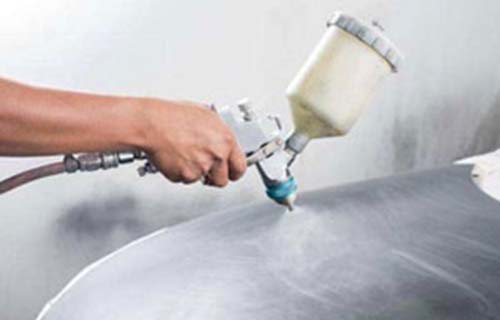
  • Powder coating : Color options, durable for consumer products
  • Painting : Cost-effective for large parts

Plating thickness for outdoor applications should be 5–10 μm . Thinner coatings may not provide adequate corrosion protection.

A client producing outdoor light fixtures uses chrome-plated Zamak 5. The plating thickness is 8 μm . The fixtures have survived five years of outdoor exposure with no corrosion.

Quality Control Measures

Consistent quality requires verification:

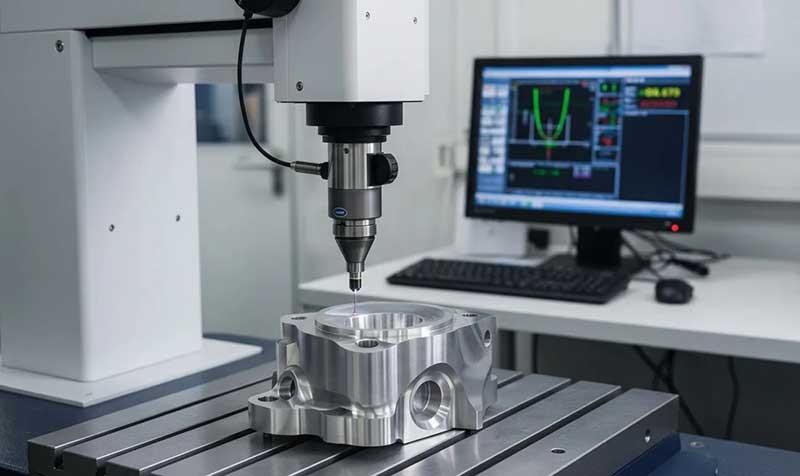
  • Dimensional inspection : Tolerances of ±0.05 mm for small parts
  • Hardness testing : Confirms proper cooling and material properties
  • Visual inspection : Catches surface defects, porosity
  • X-ray inspection : For critical parts requiring internal integrity

For high-volume production, statistical process control tracks key parameters. Trends can be caught before parts go out of spec.


Where Do Zinc Die Castings Excel?

Automotive and Hardware Applications

Zinc die castings are everywhere in automotive interiors and under-hood components.

ApplicationWhy Zinc Works
Door handlesStrength, precision, accepts chrome plating
Mirror bracketsDimensional stability, low cost
Fuel system componentsCorrosion resistance, precision
Locks and latchesWear resistance, tight tolerances
HingesStrength, long cycle life

A tier-one automotive supplier produces door handles in Zamak 5. The parts hold tight tolerances for fit and finish. Plating matches the appearance of stainless steel at 60% lower cost .

Electrical and Consumer Products

Electrical connectors and switch components demand precision. Zinc delivers.

  • Connectors : Tight tolerances ensure reliable connections
  • Switch housings : Good electrical conductivity, smooth surface
  • Power tool housings : Impact resistance, substantial feel
  • Kitchen utensils : Durability, easy cleaning
  • Toys and games : Safe, durable, cost-effective

A manufacturer of electrical connectors needed parts with ±0.02 mm tolerances . Zinc die casting achieved these consistently. No secondary machining was required.

Industrial and Medical Applications

Industrial equipment uses zinc for components that need strength and resistance to oils and greases.

  • Pump parts : Corrosion resistance, dimensional stability
  • Gear housings : Strength, precision
  • Instrument components : Smooth finish, sterile compatibility
  • Medical device handles : Durability, easy cleaning

For medical applications, zinc parts are typically plated. The smooth surface resists bacterial growth. The material can withstand common sterilization methods.


What Performance Benefits Drive Its Popularity?

Precision and Surface Finish

Zinc alloys produce parts with excellent dimensional accuracy. Tolerances of ±0.05 mm are routine for small parts. Fine details like threads, logos, and textures replicate accurately.

Surface finish of Ra 1–3 μm often requires no additional finishing. This eliminates polishing costs for many applications.

A manufacturer of decorative hardware produces Zamak parts with complex surface textures. The as-cast finish meets their aesthetic requirements. No secondary finishing is needed.

High-Volume Efficiency

Zinc's production economics are compelling.

FactorZinc Advantage
Cycle time10–60 seconds
Die lifeUp to 1,000,000 cycles
Energy useLower than aluminum due to lower melt temperature
ScrapFully recyclable, 100% recovery

Compared to aluminum, zinc requires lower injection pressure and temperature. This reduces energy costs and extends die life.

Strength and Versatility

Zinc's strength-to-weight ratio is better than many plastics and some metals. This makes it suitable for structural parts despite its density.

Design flexibility is exceptional. Complex geometries, thin walls, and fine details are all achievable. Parts can often be consolidated—multiple components replaced by a single casting.

Recyclability adds environmental and economic value. Scrap zinc is melted and reused. No material is wasted.


Yigu Technology’s Perspective

At Yigu Technology , zinc die casting is a core competency. We work with clients across automotive, electrical, and consumer goods sectors.

Our standard approach includes:

  • Zamak 3 for most general-purpose applications
  • Zamak 5 for parts requiring wear resistance
  • Precision venting and gating to eliminate porosity
  • Controlled cooling for uniform grain structure
  • Plating and finishing services for complete solutions

We recently helped a hardware manufacturer optimize their Zamak 5 production. The original process had 8% scrap from surface defects. We adjusted injection parameters and added venting. Scrap dropped to 3% . Annual savings exceeded $150,000 .


Conclusion

Zinc alloys offer a rare combination of properties. Excellent casting fluidity enables complex geometries and thin walls. Good mechanical strength handles structural demands. Fast cycle times and long die life make production cost-effective.

The material is not for every application. Outdoor use requires plating. High-temperature applications are limited. But for the vast middle ground—automotive hardware, electrical components, consumer products, industrial parts—zinc die casting delivers consistent, reliable results.

Success depends on proper process control. Die design must account for venting and cooling. Injection parameters must match part geometry. Quality verification must catch issues early. With these in place, zinc alloys deliver on their promises.


FAQ

Why are my zinc die castings showing porosity?

Porosity usually comes from poor venting or insufficient injection pressure. Verify that vents are properly sized—0.1 to 0.2 mm gaps in deep cavities. Increase injection speed to fill the cavity before metal solidifies. Check that the gating system distributes metal evenly. Avoid overcooling the die; maintain die temperature at 150–200°C . Trapped gas is the primary cause of porosity in zinc castings.

How does zinc die casting compare to aluminum die casting?

Zinc offers better fluidity, shorter cycle times, and longer die life. This makes zinc more cost-effective for small, complex, high-volume parts. Aluminum has a better strength-to-weight ratio and superior corrosion resistance for outdoor applications. Choose zinc for precision hardware, electrical connectors, and consumer products. Choose aluminum for larger structural parts and outdoor components.

Can zinc die castings be used outdoors?

Yes, with proper protection. Unplated zinc alloys have moderate corrosion resistance and may tarnish in humid or salty environments. Plating with chrome, nickel, or powder coating provides protection. For outdoor automotive parts or hardware, specify plating thickness of 5–10 μm to ensure long-term durability. With proper coating, zinc parts last for decades outdoors.

What causes short die life in zinc casting?

Short die life usually comes from thermal fatigue or mechanical wear. Verify that die temperature is maintained within 150–200°C . Temperature cycling outside this range causes cracking. Ensure proper lubrication—graphite-based lubricants reduce friction. Check that ejector pins are correctly aligned. Misaligned pins cause uneven ejection forces that damage dies. H13 tool steel with proper heat treatment should achieve 500,000 to 1,000,000 cycles .

Is zinc suitable for food contact applications?

Zinc alloys are generally not recommended for direct food contact, especially with acidic foods. Lead-free Zamak alloys may be acceptable for certain applications when plated. However, regulations vary by region. For food contact, stainless steel or food-grade plastics are typically preferred. Always verify compliance with relevant food safety standards for your specific application.


Contact Yigu Technology for Custom Manufacturing

Looking for a manufacturing partner experienced with zinc alloys? Yigu Technology specializes in high-volume zinc die casting for automotive, electrical, and consumer applications. Our team understands how to optimize the process for precision, strength, and cost-effectiveness. Contact us to discuss your project requirements. We will help you select the right alloy and process for consistent, reliable results.

Scroll to Top