Selecting the right metal alloy can be challenging. Many options exist, each with different properties. C2600—also known as cartridge brass—offers a unique combination of ductility, strength, and machinability. This guide covers its composition, properties, processes, and applications.
Introduction
C2600 is a brass alloy consisting of approximately 70% copper and 30% zinc. This balance gives it exceptional formability and good mechanical properties. It is widely used in ammunition, musical instruments, electrical components, and decorative applications.
In this guide, you will learn what makes C2600 unique. You will understand its manufacturing processes and finishing options. And you will discover where it performs best.
Material Composition and Properties
Alloy Composition
C2600 has a carefully balanced composition that delivers its characteristic properties.
| Element | Percentage | Role |
|---|---|---|
| Copper | 68.5–71.5% | Provides corrosion resistance, ductility, conductivity |
| Zinc | 28.5–31.5% | Increases strength, hardness; improves machinability |
| Lead | Max 0.07% | Controlled to maintain formability |
| Iron | Max 0.05% | Minor impurity |
This composition creates an alloy that combines the best qualities of copper and brass.
Mechanical Properties
C2600 offers an excellent balance of ductility and strength.
| Property | Value | Significance |
|---|---|---|
| Tensile Strength | 300–500 MPa | Good strength for mechanical stress |
| Elongation | Up to 60% | Exceptional ductility for forming |
| Hardness | 60–90 HRB | Moderate; balances formability and wear resistance |
The elongation up to 60% is particularly notable. In ammunition casing production, this ductility allows deep drawing without cracking. The metal stretches and forms into precise, intricate shapes.
Thermal and Electrical Properties
| Property | Value | Applications |
|---|---|---|
| Thermal Conductivity | 121 W/(m·K) | Heat sinks, thermal management |
| Electrical Conductivity | 28% IACS | Connectors, terminals, switches |
While not as conductive as pure copper, C2600’s conductivity is sufficient for many electrical components. The balance between conductivity and other properties makes it versatile.
Corrosion Resistance
C2600 has moderate corrosion resistance. It forms a thin oxide layer that protects the underlying metal in atmospheric and freshwater environments.
Limitations:
- Less resistant to saltwater than some other brass alloys
- Can oxidize more rapidly at high temperatures
- May require surface treatments for marine applications
Other Properties
Machinability: C2600 is known for excellent machinability. It cuts, drills, and shapes easily using conventional processes. This reduces manufacturing time and costs, making it cost-effective for mass production.
Recyclability: Highly recyclable. Recycling C2600 uses significantly less energy than producing from raw materials—an environmentally friendly option aligned with sustainability goals.
Acoustic properties: C2600 has excellent acoustic properties. It is the standard material for brass instruments like trumpets, trombones, and tubas. The way it vibrates and resonates contributes to rich, melodious sound.
Manufacturing Processes
Forming Processes
Rolling reduces thickness and improves surface finish. Cold rolling increases strength. Hot rolling is suitable for larger-scale production and increases malleability.
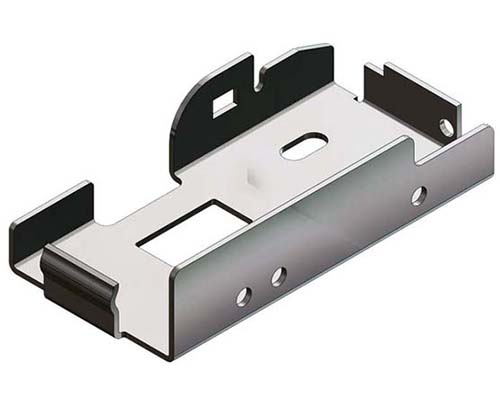
Bending and deep drawing leverage C2600’s high ductility. Deep drawing forms flat sheets into three-dimensional shapes like cups or containers. This process is used for ammunition casings and automotive parts. Bending creates angles and curves for architectural components and artistic applications.
| Process | Capability | Applications |
|---|---|---|
| Deep Drawing | Complex cup shapes | Ammunition casings, containers |
| Bending | Angles, curves | Architectural trim, decorative work |
| Rolling | Thin sheets, uniform thickness | Electronics, ornamental |
Cutting Processes
Shearing and punching are efficient for mass production. Shearing cuts straight lines. Punching creates holes and specific shapes. These methods are common for electrical components and industrial machinery parts.
Laser cutting and CNC machining provide precision for complex shapes. Laser cutting achieves accuracy to ±0.05mm. CNC machining allows computer-controlled precision for consistent, accurate parts.
Machining and Joining
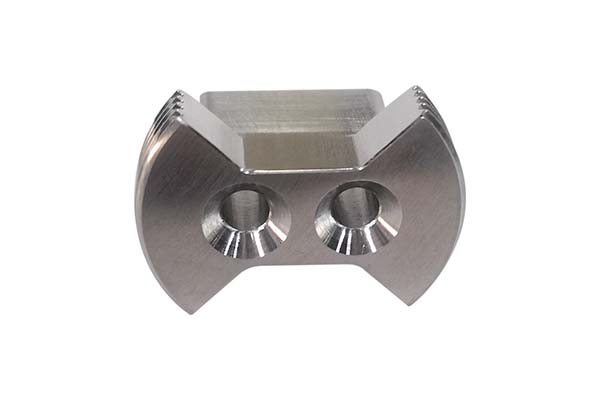
Machining: C2600’s excellent machinability makes turning, milling, and grinding efficient. For firearms components, machining ensures parts fit together perfectly and function reliably.
Welding: C2600 can be welded using GMAW and resistance welding. However, high zinc content can cause porosity. Proper techniques and parameters are essential.
Annealing relieves internal stresses and improves ductility. Heat to 600–700°C, then cool slowly. This process is often used after cold working to restore formability.
Surface Treatment and Finishing
Plating
| Plating Type | Purpose | Applications |
|---|---|---|
| Tinning | Corrosion protection, solderability | Electrical components |
| Silver Plating | Conductivity, corrosion resistance | High-end electrical, jewelry |
| Gold Plating | Aesthetics, corrosion protection | Jewelry, artistic applications |
Coating and Lacquering
Painting and coating provide additional corrosion protection and decorative finishes. Corrosion-resistant coatings are useful for marine and outdoor architectural applications.
Lacquering applies clear or colored lacquer to protect from tarnishing. It maintains appearance for ornamental purposes and jewelry.
Polishing and Finishes
| Finish | Process | Applications |
|---|---|---|
| Mirror Polish | Mechanical or chemical polishing | Brass instruments, jewelry, decorative |
| Brushed Finish | Abrasive belts create linear texture | Architectural, automotive trim |
| Satin Finish | Fine abrasives give uniform matte | Industrial, consumer products |
Chemical conversion coating and passivation form protective layers that improve corrosion resistance. They are often used as pre-treatment before painting or coating.
Applications Across Industries
Ammunition and Firearms
C2600 is the primary material for ammunition casings. High ductility allows deep drawing into precise shapes. Strength withstands firing pressure.
Firearms components like triggers and magazines also use C2600 for its machinability and strength.
Real-world example: A munitions manufacturer switched to C2600 for cartridge casings. The alloy’s 60% elongation allowed consistent forming without cracking. Production scrap dropped by 25%, and finished casings met all pressure specifications.
Musical Instruments
C2600 is the standard material for brass instruments. Trumpets, trombones, tubas, and horns rely on its acoustic properties. The alloy’s vibration and resonance characteristics produce rich, melodious sound.
Its malleability allows precise shaping that affects tone quality. Finishing options—polished or lacquered—provide aesthetic appeal.
Electrical and Electronics
| Component | Why C2600 |
|---|---|
| Connectors | Good conductivity, machinability |
| Terminals | Balance of properties, moderate corrosion resistance |
| Switches | Reliability, formability |
| Heat Sinks | Thermal conductivity, formability |
Automotive
C2600 appears in automotive components including:
- Radiators: Thermal conductivity, corrosion resistance
- Fuel lines: Formability, strength
- Connectors: Electrical properties, machinability
Construction and Architecture
Architectural components use C2600 for its aesthetic appeal and durability:
- Door handles: Machinability, appearance
- Railings: Strength, corrosion resistance
- Decorative trim: Formability, finishes
Jewelry and Artistic Applications
Jewelers and artists value C2600 for:
- Malleability: Crafts into intricate shapes
- Color: Warm brass appearance
- Recyclability: Environmentally friendly
- Finishing options: Polished, brushed, patinated
Real-world example: An artist created a large-scale brass sculpture using C2600 sheets. The material’s ductility allowed complex curved forms. A brushed finish was applied for a modern look. The sculpture has remained outdoors for seven years with minimal tarnishing.
Marine Applications
With proper surface treatments, C2600 can be used in marine applications. Valves, fittings, and hardware benefit from its strength and formability. Corrosion-resistant coatings are essential for saltwater exposure.
Yigu Technology’s Perspective
At Yigu Technology, we work with C2600 for custom applications across industries. Its versatility makes it a valuable material for precision components.
We use C2600 for:
- Ammunition components: Deep-drawn casings with consistent wall thickness
- Musical instrument parts: Formed and finished to acoustic specifications
- Electrical connectors: Machined to tight tolerances
- Decorative hardware: Polished or brushed finishes
Our processes include precision laser cutting, CNC machining, deep drawing, and surface finishing. We ensure that C2600’s properties—ductility, machinability, appearance—are preserved through every step.
Real-world example: A client needed custom brass fittings for a marine application. We fabricated C2600 components with corrosion-resistant coating. The fittings have performed for five years in saltwater without degradation.
Conclusion
Sheet metal C2600 is a versatile brass alloy. Its 70% copper and 30% zinc composition delivers exceptional ductility—up to 60% elongation—along with good strength, machinability, and moderate corrosion resistance.
It processes well through rolling, bending, deep drawing, cutting, machining, and welding. Surface treatments from plating to polishing enhance both appearance and durability.
Applications span ammunition, musical instruments, electrical components, automotive parts, architecture, jewelry, and more. For projects requiring formability, strength, and aesthetic appeal, C2600 is an excellent choice.
FAQ
Is C2600 suitable for use in saltwater environments?
C2600 has moderate corrosion resistance but is not highly resistant to saltwater. For marine applications, corrosion-resistant coatings or surface treatments are recommended. Without protection, exposure to saltwater can lead to dezincification and corrosion over time.
How does the machinability of C2600 compare to other brass alloys?
C2600 is known for excellent machinability—often rated higher than many other brass alloys. Its composition allows smooth cutting and shaping, reducing tool wear and increasing production efficiency. This makes it cost-effective for high-volume manufacturing.
Can C2600 be recycled multiple times?
Yes. C2600 is highly recyclable and can be recycled multiple times without significant loss of properties. Recycling uses substantially less energy than producing from raw materials, making it an environmentally friendly choice aligned with sustainability goals.
What is the difference between C2600 and pure copper?
C2600 contains 70% copper and 30% zinc. It has lower electrical and thermal conductivity than pure copper but offers higher strength, better machinability, and greater ductility for forming. The zinc addition also changes the appearance to a warm brass color and improves acoustic properties.
Contact Yigu Technology for Custom Manufacturing
Need C2600 components fabricated to your specifications? Yigu Technology combines material expertise with precision manufacturing. From ammunition casings to musical instrument parts, we deliver quality and consistency. [Contact us] to discuss your project requirements.