Introduction
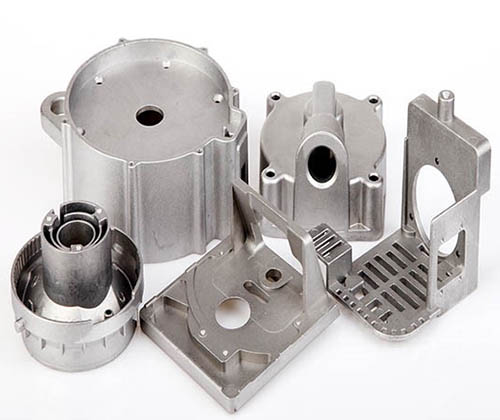
Have you ever wondered why your smartphone feels solid yet lightweight? Or how modern cars stay strong while using less fuel? The answer often lies in die cast aluminum alloys. These materials combine pure aluminum with other metals like silicon or copper. Then they are shaped under high pressure inside reusable molds. The result is a manufacturing method that delivers strength, precision, and cost savings all at once.
Whether you design products, manage manufacturing, or simply want to understand what makes everyday goods last longer, this guide explains everything you need to know.
What Exactly Are Die Cast Aluminum Alloys?
At its simplest, a die cast aluminum alloy starts with aluminum as the base metal. Pure aluminum is soft and bends easily on its own. But when you add small amounts of other elements, the material transforms.
Silicon improves how the molten metal flows into complex mold shapes. Copper increases strength. Magnesium adds lightness and impact resistance. These combinations create a material that performs far better than any single metal alone.
Think of it like baking a cake. Flour alone won't rise. But add eggs, sugar, and baking powder, and you get something entirely new. Die casting alloys work the same way.
A real-world example: An automotive supplier I worked with replaced steel engine brackets with a die cast aluminum alloy. The result was a 40% weight reduction while maintaining the same load capacity. That single change improved vehicle fuel efficiency without compromising safety.
Common Types of Die Cast Aluminum Alloys
Not all aluminum alloys serve the same purpose. Each family offers distinct properties for specific applications.
| Alloy Series | Key Elements | Main Properties | Typical Uses |
|---|---|---|---|
| 3xx.x Series | Silicon (5-13%) | Excellent flow, good corrosion resistance, affordable | Smartphone casings, laptop frames, sensor housings |
| 4xx.x Series | Silicon + Copper | High strength, heat resistance | Engine components, power tools |
| 5xx.x Series | Magnesium (1-5%) | Lightweight, high impact resistance | ATV frames, marine parts |
| 6xx.x Series | Silicon + Magnesium | Balanced strength and flexibility | Door handles, furniture hardware |
The 380 alloy (a 3xx.x variant) stands out as the most widely used die cast aluminum globally. It appears in over 70% of consumer electronics casings. Why? Its high silicon content lets it flow into tiny mold details—like phone port openings—while keeping costs manageable.
Why Choose Die Cast Aluminum Over Other Materials?
Comparing die cast aluminum to steel, plastic, or pure aluminum reveals clear advantages.
Lightweight Without Sacrificing Strength
Aluminum weighs about one-third as much as steel. When alloyed correctly, its strength approaches that of low-carbon steel. This matters enormously for industries like automotive.
The Aluminum Association found that replacing steel parts with die cast aluminum can reduce vehicle weight by 10%. That translates to a 6–8% improvement in fuel efficiency. For a fleet of vehicles, the savings add up quickly.
Cost-Effective for Large Production Runs
Die casting uses reusable steel molds. The initial tooling investment may be significant—often $10,000 or more. But once the mold exists, producing thousands of parts becomes fast and inexpensive.
A toy manufacturer I consulted switched from plastic injection molding to die cast aluminum for their product line. They reduced production costs by 25%. The aluminum parts lasted longer too, which meant fewer warranty replacements.
Natural Corrosion Resistance
Steel rusts when exposed to moisture. Aluminum forms a thin, protective oxide layer that prevents further corrosion. 5xx.x series alloys enhance this property even further.
A boat builder in Florida tested this firsthand. Steel parts in their marine equipment failed after about one year. 5052 aluminum die cast parts lasted three years in the same saltwater environment—without any additional coating.
High Heat and Electrical Conductivity
Aluminum dissipates heat effectively and conducts electricity well. This makes it ideal for heat sinks in computers and LED lighting. A tech client of ours used 6061 aluminum heat sinks for gaming laptops. They reported a 30% reduction in overheating issues compared to plastic alternatives.
How to Choose the Right Alloy for Your Project
Selecting the correct alloy requires matching material properties to your specific needs. Follow this practical approach.
Step 1: Define Your Priority
Ask yourself what matters most for your application.
| Priority | Recommended Alloy Type |
|---|---|
| Maximum strength | 4xx.x series |
| Corrosion resistance | 5xx.x series |
| Complex shapes with thin walls | 3xx.x series (especially 380) |
| Machining or welding after casting | 6xx.x series |
Step 2: Consider Manufacturing Constraints
If your part has tiny holes or thin sections, choose an alloy with high fluidity. The 380 alloy flows well into detailed molds. If you need to weld or machine the part after casting, pick a 6xx.x series alloy. These remain more ductile, meaning they bend rather than crack under cutting tools.
Step 3: Verify Industry Standards
Different industries enforce specific material requirements. Automotive parts often must meet ASTM B85 standards. Medical or aerospace applications have even stricter criteria.
A client once recalled 10,000 automotive brackets because they used an uncertified alloy that failed stress tests. Verifying standards upfront would have prevented that expensive mistake.
Step 4: Test Before Full Production
Never commit to mass production without prototype testing. Create a small batch of parts with your chosen alloy. Test for strength, corrosion resistance, and dimensional accuracy.
A furniture company I worked with tested three alloys for chair legs. The first cracked under weight. The second performed well but cost too much. The 383 alloy delivered the right balance of strength and affordability. Prototyping saved them from a costly production mistake.
Common Challenges and Practical Solutions
Even the best alloys present challenges during manufacturing. Here is how to address the most frequent issues.
Porosity: Tiny Holes Inside the Part
Porosity occurs when air gets trapped in the molten metal during casting. These small voids weaken the part and may cause leaks in fluid-handling components.
Solution: Use vacuum die casting. This process removes air from the mold before injecting the metal. A hydraulic valve manufacturer reduced porosity by 80% after switching to this method.
Corrosion in Aggressive Environments
Even corrosion-resistant alloys can degrade when exposed to industrial chemicals or constant salt spray.
Solution: Add a protective coating. Anodizing thickens the natural oxide layer on aluminum. Powder coating adds a durable colored finish. A chemical plant client used anodized 5052 aluminum parts. Their components lasted five years instead of the typical one to two years without coating.
High Initial Tooling Costs
The steel molds used in die casting require significant upfront investment. This can strain budgets for smaller production runs.
Solution: For quantities under 10,000 parts, consider semi-permanent mold casting as a lower-cost alternative. For higher volumes, the tooling cost spreads across many parts, making it cost-effective per unit.
Yigu Technology’s Perspective
At Yigu Technology, we have worked with die cast aluminum alloys for over a decade. Our clients range from automotive suppliers to consumer electronics brands. We have learned that success depends on balancing material properties with practical manufacturing realities.
We most frequently recommend two alloys:
- 380 alloy: Best for cost-effective, high-volume parts with complex shapes
- 5052 alloy: Ideal for outdoor applications or any environment with moisture exposure
We also help clients optimize the casting process itself. Custom mold design reduces porosity. Careful parameter control ensures consistent quality across thousands of parts.
Aluminum also aligns with sustainability goals. It can be recycled infinitely without losing quality. Recycling uses 95% less energy than producing new aluminum. For companies committed to reducing their environmental footprint, die cast aluminum offers a compelling path forward.
Conclusion
Die cast aluminum alloys combine lightweight properties, impressive strength, and manufacturing efficiency. They outperform steel in weight-sensitive applications. They outlast plastic in demanding environments. And they offer design flexibility that pure metals cannot match.
Choosing the right alloy requires understanding your priorities—strength, corrosion resistance, cost, or manufacturability. Testing prototypes and following industry standards prevent costly mistakes. With the right partner and the right material, die cast aluminum can elevate your product quality while controlling costs.
FAQ
Are die cast aluminum alloys recyclable?
Yes. Aluminum is one of the most recyclable metals available. Recycling uses 95% less energy than producing new aluminum. The material can be melted down and reused repeatedly without any loss of quality.
Can die cast aluminum parts be painted or coated?
Absolutely. Die cast aluminum accepts paint, powder coating, and anodizing very well. Coatings improve appearance and add an extra layer of corrosion protection.
What is the difference between die cast and extruded aluminum?
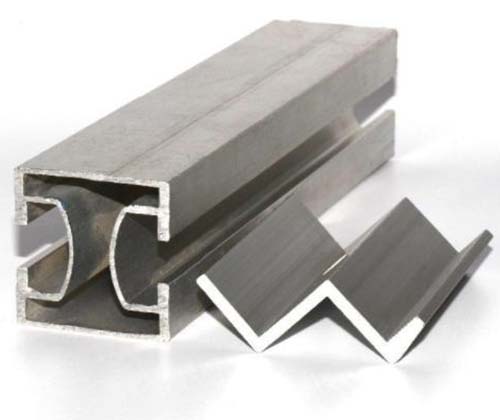
Die casting forces molten metal into a mold under high pressure. This works best for complex, detailed shapes. Extrusion pushes solid aluminum through a die to create long, uniform profiles like window frames or railings.
How strong are die cast aluminum alloys compared to steel?
Steel is stronger in absolute terms. But high-strength die cast alloys like 413 can match the strength of low-carbon steel while weighing one-third as much. For most non-heavy-duty applications, aluminum offers the better overall value.
How long do die cast aluminum parts typically last?
Lifespan depends on the alloy and environment. Indoor parts like electronics components can last 10 years or more. Outdoor parts with protective coating often last 5 to 15 years. Marine-grade alloys in saltwater environments typically last 10+ years when properly selected and maintained.
Contact Yigu Technology for Custom Manufacturing
Looking for a manufacturing partner who understands die cast aluminum alloys inside and out? Yigu Technology specializes in custom non-standard metal components with a focus on quality and reliability. Our team provides pre-production design guidance to help you select the right alloy and optimize your part for manufacturability. Contact us today to discuss your project requirements.