Finding a material that handles saltwater environments and complex forming is challenging. Many alloys lack corrosion resistance or become brittle during bending. Sheet metal 5052 solves this problem. This guide covers its composition, properties, manufacturing processes, and applications.
Introduction
Sheet metal 5052 is a magnesium-based aluminum alloy. It balances strength, ductility, and exceptional corrosion resistance. This combination makes it a top choice for marine, automotive, and aerospace applications.
In this guide, you will learn what gives 5052 its unique properties. You will understand how it is processed and finished. And you will discover where it performs best.
Material Composition and Properties
Alloy Composition
5052 aluminum alloy is often called a magnesium alloy due to its significant magnesium content. Key elements include:
| Element | Percentage | Role |
|---|---|---|
| Magnesium | 2.2–2.8% | Primary strengthening element |
| Chromium | 0.15–0.35% | Enhances corrosion resistance; stabilizes grain structure |
| Copper | Max 0.1% | Kept low to maintain corrosion resistance |
| Silicon | Max 0.25% | Minor impurity |
| Iron | Max 0.4% | Minor impurity |
| Zinc | Max 0.25% | Minor impurity |
This carefully balanced composition gives 5052 its unique properties. It is one of the most widely used non-heat-treatable aluminum alloys.
Mechanical Properties
5052 offers an impressive combination of strength and ductility.
| Property | Value | Significance |
|---|---|---|
| Tensile Strength | 230–290 MPa | Stronger than pure aluminum (1100) |
| Yield Strength | 190–240 MPa | Good resistance to permanent deformation |
| Elongation | 15–25% | Excellent ductility for forming |
| Density | 2.68 g/cm³ | Lightweight—about one-third of steel |
This strength-to-weight ratio makes 5052 ideal for weight-sensitive applications. The ductility allows bending, forming, and rolling into complex shapes without cracking.
Corrosion Resistance
Corrosion resistance is one of 5052’s standout features. Magnesium and chromium work together to resist:
- Saltwater corrosion: Excellent for marine environments
- Pitting: Resists localized corrosion
- General corrosion: Performs well in humid and industrial environments
Real-world example: A boat manufacturer used 5052 for fuel tanks and hull components. After ten years in saltwater, the parts showed no significant corrosion. The alloy’s resistance eliminated the need for protective coatings.
Other Properties
Non-magnetic: 5052 is non-magnetic. This matters for electrical components and aerospace parts where magnetic interference must be avoided.
Thermal conductivity: Approximately 120 W/(m·K) . Suitable for heat sinks and thermal management applications.
Electrical conductivity: About 30% IACS (International Annealed Copper Standard). Works for low-current electrical parts.
Recyclability: Like all aluminum alloys, 5052 is highly recyclable. Recycling uses 95% less energy than producing new aluminum.
Manufacturing Processes
Forming and Shaping
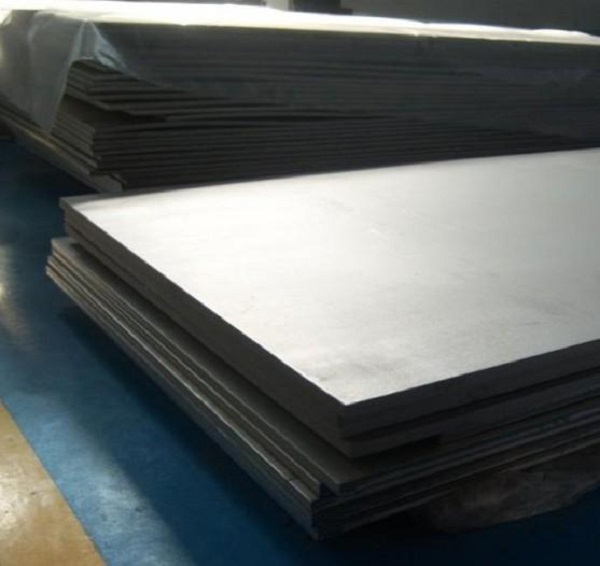
Rolling produces 5052 sheets in thicknesses from 0.2mm to 10mm. The alloy’s ductility allows cold rolling without excessive work hardening. For heavy cold working, annealing at 340–410°C restores softness and formability.
Bending and forming are straightforward. 5052 can achieve tight radii—as small as 1 × thickness—without cracking. This workability makes it a favorite for custom parts requiring complex shapes.
| Forming Operation | Capability |
|---|---|
| Bending | Tight radii possible; no cracking |
| Deep Drawing | Good formability for cup-shaped parts |
| Roll Forming | Consistent profiles for long runs |
Cutting and Machining
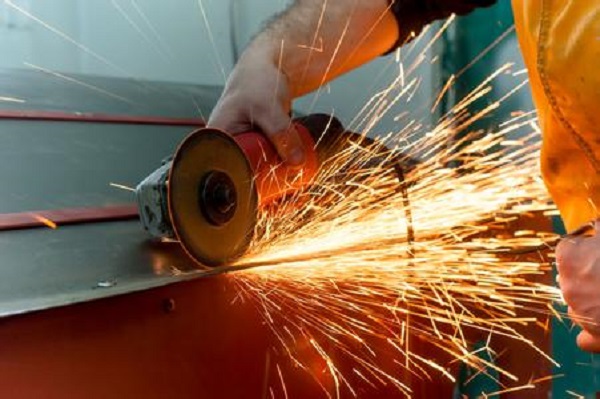
Laser cutting produces clean edges with precision up to ±0.05mm. Shearing works for straight cuts. Both methods are effective for 5052.
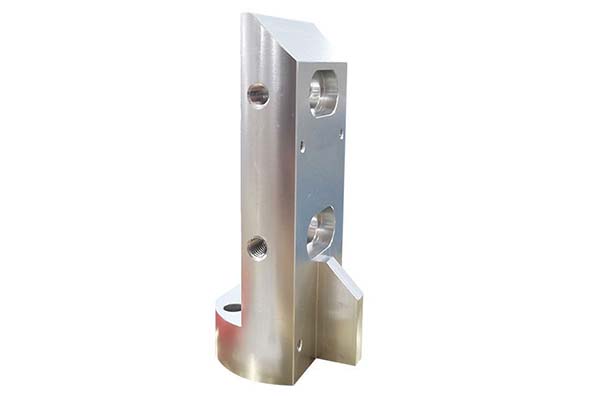
CNC machining is efficient with sharp tools. 5052 is stronger than pure aluminum, so tool selection matters. Carbide tools with proper geometry prevent gouging and ensure smooth finishes.
Welding
5052 can be welded using TIG or MIG techniques. Key considerations:
- Use appropriate filler metal (typically 5356 or 5183)
- Clean surfaces thoroughly before welding
- Post-weld treatment (brushing, passivation) maintains corrosion resistance
Unlike heat-treatable alloys, 5052 does not gain strength from heat treatment. Its properties are optimized through cold working and annealing.
Surface Treatment and Finishing
Anodizing
Anodizing is a popular treatment for 5052. The electrochemical process creates a thick, durable oxide layer.
| Anodizing Type | Properties | Applications |
|---|---|---|
| Clear Anodize | Natural finish; enhanced corrosion resistance | Marine, architectural |
| Dyed Anodize | Colored finish; UV-resistant | Consumer products, decorative |
| Hard Anodize | Thicker, wear-resistant coating | Industrial components |
Anodizing does not compromise ductility. Post-treatment forming remains possible.
Chemical Conversion Coating
Chemical conversion coating—chromate or non-chromate—improves paint adhesion and adds a thin protective layer. It is commonly used on automotive parts and electronics enclosures.
Polishing and Finishes
| Finish | Process | Applications |
|---|---|---|
| Mirror Polish | Progressive polishing to high gloss | Decorative, lighting fixtures |
| Brushed | Abrasive belt creates linear texture | Kitchen appliances, automotive interiors |
| Satin | Fine abrasive gives uniform matte | Architectural, consumer goods |
Surface roughness can be controlled to 0.1–3 μm Ra, ensuring both functionality and visual appeal.
Powder Coating and Painting
Powder coating and painting add color and extra protection. For outdoor applications, these finishes provide additional durability. However, 5052’s inherent corrosion resistance often makes coatings optional for indoor use.
Applications Across Industries
Marine and Shipbuilding
5052 is a staple in marine applications. Its saltwater corrosion resistance makes it ideal for:
- Boat parts: Hulls, decks, railings, fuel tanks
- Shipbuilding: Bulkheads, storage lockers, hatches
- Offshore structures: Platforms, walkways, equipment enclosures
Real-world example: A fishing boat manufacturer switched to 5052 for fuel tanks. Previously used coated steel tanks rusted within five years. The 5052 tanks showed no corrosion after eight years of saltwater exposure.
Automotive and Transportation
The automotive industry values 5052 for its lightweight and strength:
- Fuel tanks: Corrosion-resistant, leak-proof
- Body panels: Doors, hoods, trim
- Truck beds: Durable, rust-resistant
- Trailer sides: Lightweight, weather-resistant
Weight reduction improves fuel efficiency. For electric vehicles, every kilogram saved extends range.
Aerospace
In aerospace, 5052 is used for non-structural parts:
- Ducting: Air distribution systems
- Interior panels: Cabin components
- Fuel lines: Corrosion-resistant tubing
Weight and corrosion resistance are critical. 5052 meets both requirements.
Construction and Architecture
Architectural components benefit from 5052’s durability and appearance:
- Roofing: Long-lasting, weather-resistant
- Cladding: Modern aesthetic, corrosion-resistant
- Gutters: Lightweight, rust-proof
- Handrails: Durable, attractive
Food Processing and Medical
5052 meets food safety standards (FDA requirements) and is used in:
- Food processing equipment: Conveyor belts, storage bins, mixing tanks
- Medical devices: Equipment housings, instrument trays
The alloy’s corrosion resistance and easy cleanability make it suitable for sanitary applications.
Yigu Technology’s Perspective
At Yigu Technology, we frequently work with sheet metal 5052. Its balance of strength, ductility, and corrosion resistance makes it a go-to material for many custom projects.
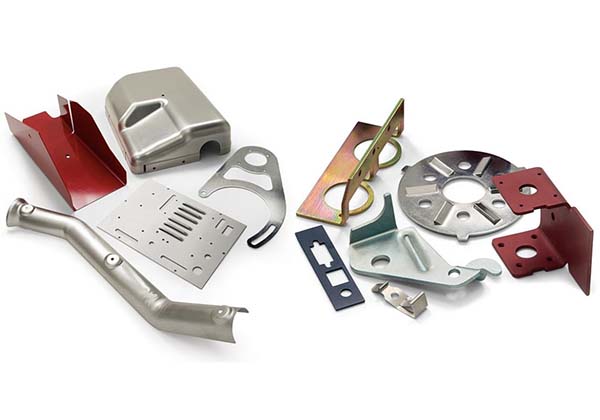
We use 5052 for marine components, automotive parts, and architectural elements. Its excellent formability allows precision laser cutting, CNC machining, and tight-radius bending. Our finishing capabilities—including anodizing and powder coating—enhance both performance and aesthetics.
Real-world example: A client needed enclosures for outdoor telecommunications equipment in a coastal area. 5052 provided the corrosion resistance needed. We anodized the enclosures for added protection. After three years, the units showed no corrosion or finish degradation.
Another client required complex brackets for an electric vehicle battery system. 5052’s formability allowed tight bends without cracking. The lightweight material helped meet weight targets.
Conclusion
Sheet metal 5052 is a versatile magnesium-based aluminum alloy. It combines good strength, excellent ductility, and outstanding corrosion resistance. These properties make it ideal for marine, automotive, aerospace, and architectural applications.
The alloy processes well through rolling, bending, cutting, and welding. Surface treatments like anodizing and polishing enhance its performance and appearance. For applications requiring corrosion resistance and formability, 5052 is an excellent choice.
FAQ
How does 5052 aluminum compare to 304 stainless steel in terms of corrosion resistance?
5052 aluminum offers excellent corrosion resistance in saltwater and humid environments. However, 304 stainless steel is more resistant to strong acids and chlorides at elevated temperatures. 5052 is significantly lighter and more formable, making it better when weight and workability are priorities.
Can 5052 aluminum be heat-treated to increase strength?
No, 5052 is a non-heat-treatable alloy. Its strength comes from magnesium content and cold working (work hardening). Annealing at 340–410°C restores ductility when needed but does not increase strength.
Is 5052 aluminum suitable for food contact applications?
Yes. 5052 meets FDA requirements for food contact. It is used in food processing equipment like conveyor belts, mixing tanks, and storage bins. Its corrosion resistance and easy cleanability make it suitable for sanitary applications.
What is the best way to weld 5052 aluminum?
TIG or MIG welding with appropriate filler metals—typically 5356 or 5183—works well. Clean surfaces thoroughly before welding. Post-weld brushing or passivation helps maintain corrosion resistance. Unlike some alloys, 5052 does not require heat treatment after welding.
Contact Yigu Technology for Custom Manufacturing
Need 5052 aluminum components for your project? Yigu Technology combines material expertise with precision fabrication. From marine parts to automotive components, we deliver quality and durability. [Contact us] to discuss your requirements.