Introduction
You are working on a project that demands strength without weight. Perhaps you need a material that withstands saltwater, harsh chemicals, or even the human body without corroding. Maybe you have tried stainless steel and found it too heavy, or aluminum too weak for the application. Grade 2 titanium sheet metal offers a solution. It combines strength comparable to steel with about half the weight, plus exceptional corrosion resistance and biocompatibility. From aircraft components to medical implants, this material performs where others fall short. In this guide, we will explore its properties, manufacturing processes, surface treatments, and applications to help you determine if it is right for your project.
Material Composition and Properties
What Is Grade 2 Titanium Made Of?
Grade 2 titanium is a commercially pure titanium grade. It contains approximately 99.6% titanium, with tightly controlled trace amounts of oxygen, iron, carbon, nitrogen, and hydrogen. These elements are kept within strict limits to ensure consistent properties.
The "Grade 2" designation indicates it is the most widely used of the commercially pure titanium grades. It offers a balance of strength, ductility, and corrosion resistance that suits a broad range of applications.
Mechanical Properties: How Strong Is It?
Strength and Density: Grade 2 titanium has a tensile strength of 345 to 550 MPa—comparable to many structural steels. However, its density is only 4.5 g/cm³, roughly half that of steel (7.8 g/cm³). This high strength-to-weight ratio makes it invaluable where weight reduction is critical.
Ductility: The material exhibits good ductility, with elongation typically 20–30%. It can be formed into thin sheets, complex curves, and intricate shapes without cracking. This formability is essential for aerospace components and medical implants that require precise geometries.
Chemical and Physical Properties
Corrosion Resistance: Grade 2 titanium forms a thin, dense oxide layer when exposed to air. This passive layer protects the underlying metal from further attack. The material resists corrosion in:
- Seawater and marine environments
- Chloride solutions
- Many acids (sulfuric, hydrochloric, nitric at moderate concentrations)
- Alkaline solutions
In marine applications, Grade 2 titanium outperforms stainless steels, which can suffer pitting and crevice corrosion in saltwater.
Biocompatibility: This property sets titanium apart. The material is non-toxic and does not react with body tissues or fluids. The body accepts titanium implants without rejection, making it the standard choice for:
- Hip and knee replacements
- Dental implants
- Bone plates and screws
- Pacemaker casings
Oxidation Resistance: Grade 2 titanium maintains good oxidation resistance up to approximately 400°C. The protective oxide layer remains stable at these temperatures, allowing use in certain high-temperature applications.
Thermal and Electrical Conductivity: Compared to copper or aluminum, titanium has relatively low thermal and electrical conductivity. This can be advantageous when heat or electrical transfer needs to be minimized.
Non-Magnetic: Grade 2 titanium is non-magnetic. This property is critical for medical devices used near MRI machines and for aerospace components where magnetic interference could affect sensitive instruments.
Recyclability: Titanium is highly recyclable. Recycling uses significantly less energy than producing new titanium from ore, making it an environmentally responsible choice.
| Property | Grade 2 Titanium | Steel | Aluminum |
|---|---|---|---|
| Density (g/cm³) | 4.5 | 7.8 | 2.7 |
| Tensile Strength (MPa) | 345–550 | 400–600 | 100–400 |
| Strength-to-Weight Ratio | High | Medium | Medium |
| Corrosion Resistance | Excellent | Poor (without coating) | Good |
| Biocompatibility | Excellent | Poor | Poor |
| Cost Level | High | Low | Medium |
Manufacturing Processes for Grade 2 Titanium Sheet Metal
Working with Grade 2 titanium requires attention to its unique characteristics, but it can be processed effectively with the right techniques.
Forming and Cutting
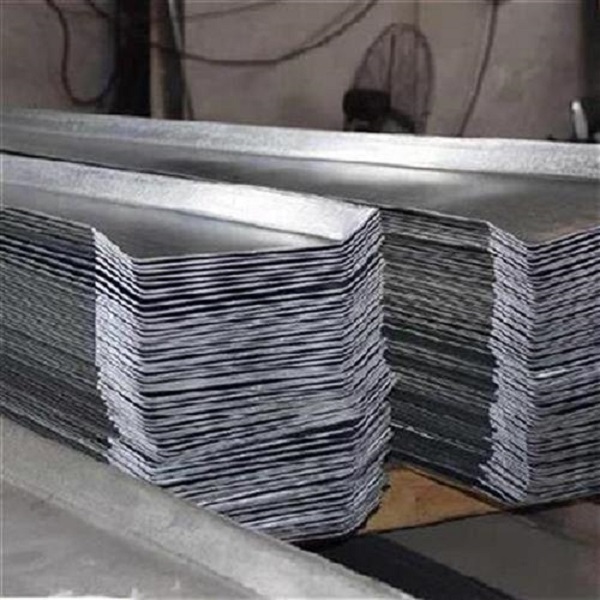
Rolling: Rolling produces titanium sheets of various thicknesses. Cold rolling achieves precise thickness and improved surface finish. The material’s ductility allows rolling into sheets as thin as a few micrometers for specialized applications.
Cutting: Several cutting methods work well:
- Laser cutting: Creates complex shapes with high precision. Proper gas selection (nitrogen or argon) prevents oxidation.
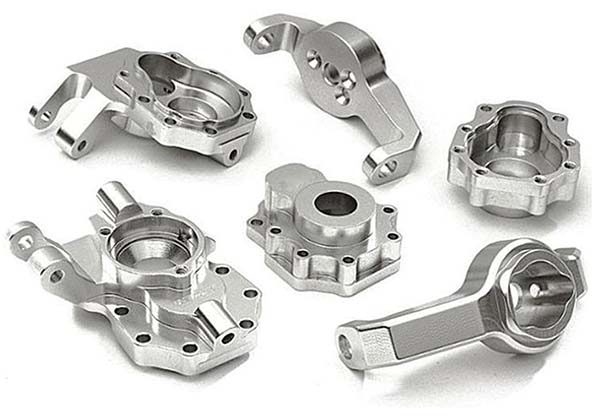
- CNC machining: Produces parts with tight tolerances for medical and aerospace components.
- Shearing and punching: Suitable for simpler cuts and hole-making in thicker sheets.
Bending and Forming: Good ductility allows bending and forming into various shapes. However, cold forming causes work hardening. When significant deformation is required, intermediate annealing may be necessary to restore ductility.
Welding
Welding Grade 2 titanium requires protection from contamination. Oxygen, nitrogen, and hydrogen can embrittle the weld and reduce corrosion resistance.
Gas tungsten arc welding (GTAW) is commonly used. The weld area must be shielded with an inert gas—typically argon—to prevent atmospheric contamination. Post-weld annealing relieves residual stresses and restores properties.
Heat Treatment
Annealing is the primary heat treatment for Grade 2 titanium. The process involves heating to 650–700°C, holding for a specified time, then cooling in air. Annealing:
- Relieves internal stresses from cold working
- Restores ductility
- Stabilizes mechanical properties
Other heat treatments are not typically used for this commercially pure grade.
Machining
Machining Grade 2 titanium requires careful technique. The material work-hardens rapidly. To achieve good results:
- Use sharp, positive-rake tools
- Maintain slow cutting speeds
- Apply adequate coolant
- Avoid stopping the tool while in contact with the work
CNC machining is widely used for precision titanium components in aerospace and medical applications.
Surface Treatment and Finishing
Surface treatments enhance appearance, corrosion resistance, and biocompatibility.
Anodizing
Anodizing electrolytically forms an oxide layer on the titanium surface. By varying voltage, manufacturers can produce a range of colors:
- Low voltage: Bronze and gold
- Medium voltage: Purple and blue
- High voltage: Green and magenta
The anodized layer improves corrosion resistance and creates decorative finishes. In medical implants, anodizing can enhance biocompatibility and provide visual identification of different implant types.
Coating and Painting
Corrosion-resistant coatings provide additional protection in extremely harsh chemical environments. Powder coating and painting serve decorative purposes and add protection for architectural and consumer applications.
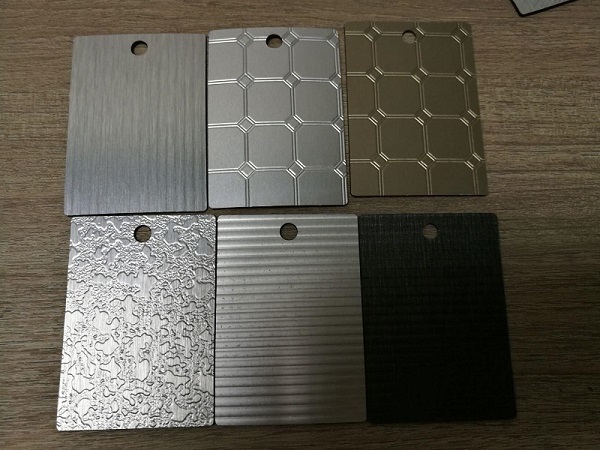
Polishing and Finishes
Polishing creates a mirror-like surface finish. This is important for jewelry, medical devices, and architectural features where appearance matters.
Brushed finishes produce a linear texture with a modern, industrial look. This finish is common in architectural components and consumer products.
Chemical conversion coating improves paint adhesion and adds corrosion protection.
Heat Coloring
Heat coloring uses controlled heating to create oxide layers of different colors. Unlike anodizing, which uses electricity, heat coloring relies on temperature. Colors range from straw and gold to blue, purple, and green. This technique is popular in jewelry and artistic applications.
Plating
Though less common, plating with gold, platinum, or other precious metals can enhance appearance for jewelry and high-end consumer products.
Applications of Grade 2 Titanium Sheet Metal
Aerospace and Aviation
The aerospace industry is a primary user of Grade 2 titanium. Its high strength-to-weight ratio and corrosion resistance make it ideal for:
- Airframes: Structural components that must be strong yet light
- Engine components: Parts exposed to elevated temperatures
- Hydraulic systems: Tubing and fittings that withstand high pressure
- Fasteners: Bolts and rivets that resist corrosion
An aircraft using titanium components can achieve significant weight savings—each kilogram removed reduces fuel consumption over the aircraft's life.
Medical and Biomedical Applications
Biocompatibility makes Grade 2 titanium the material of choice for:
- Orthopedic implants: Hip and knee replacements, bone plates, screws
- Dental implants: Posts and abutments that integrate with jawbone
- Surgical instruments: Tools that resist corrosion and sterilize easily
- Pacemaker casings: Enclosures that protect sensitive electronics while being body-friendly
The body accepts titanium implants, with osseointegration—bone growing directly onto the implant surface—occurring reliably.
Chemical Processing and Marine Applications
Chemical processing: Grade 2 titanium is used in reactors, heat exchangers, pipes, and valves where corrosion resistance to acids and alkalis is essential. In chlorine production, titanium equipment handles aggressive chemicals that would quickly destroy stainless steel.
Marine applications: Ship hulls, propellers, and offshore oil rig components benefit from titanium’s resistance to saltwater corrosion. Unlike many metals, titanium does not suffer from pitting or crevice corrosion in seawater.
Other Applications
Automotive: High-performance vehicles use Grade 2 titanium for exhaust systems, suspension components, and connecting rods. Weight reduction improves acceleration, handling, and fuel efficiency.
Sports equipment: Bicycle frames, golf clubs, and tennis rackets use titanium for its combination of strength and light weight. The material absorbs vibration well, providing a smoother feel.
Jewelry: Titanium’s unique colors, biocompatibility, and hypoallergenic properties make it popular for rings, watches, and body jewelry. Anodizing and heat coloring create distinctive finishes.
Architectural components: Building cladding, roofing, and structural elements use titanium for its durability, corrosion resistance, and modern appearance. Titanium roofs can last over a century with minimal maintenance.
Conclusion
Grade 2 titanium sheet metal occupies a unique position in the materials world. Its strength-to-weight ratio—tensile strength comparable to steel at half the weight—makes it invaluable where weight reduction matters. Its corrosion resistance exceeds that of stainless steel in many environments, particularly seawater and chlorides. Its biocompatibility makes it the standard for medical implants.
The material processes well through rolling, cutting, bending, and welding when proper techniques are used. Surface treatments from anodizing to polishing expand its functionality and aesthetic range. While more expensive than steel or aluminum, Grade 2 titanium’s performance in demanding applications often justifies the cost.
For aerospace, medical, marine, chemical processing, and high-end consumer applications, Grade 2 titanium delivers reliability, durability, and performance that few other materials can match.
FAQs
Is Grade 2 titanium suitable for long-term use in the human body?
Yes. Grade 2 titanium is highly biocompatible. It does not react with body tissues or fluids, and the body accepts titanium implants without rejection. It is used extensively for hip replacements, dental implants, bone plates, and pacemaker casings. Long-term studies show excellent performance over decades of service.
What are the main challenges in welding Grade 2 titanium?
The primary challenge is preventing contamination from oxygen, nitrogen, and hydrogen. These elements can embrittle the weld and reduce corrosion resistance. Proper welding requires inert gas shielding (usually argon) around the weld zone and careful cleaning before welding. Post-weld annealing helps relieve stresses and restore properties.
How does the cost of Grade 2 titanium compare to other metals?
Grade 2 titanium is more expensive than steel and aluminum. Raw material costs are higher, and processing requires specialized equipment and techniques. However, its unique properties—high strength-to-weight ratio, exceptional corrosion resistance, and biocompatibility—make it cost-effective for applications where other metals would fail or require frequent replacement.
What surface treatments are available for Grade 2 titanium?
Several treatments are common. Anodizing creates colored oxide layers for decoration and corrosion protection. Polishing produces mirror finishes. Brushed finishes create linear textures. Heat coloring produces colors through controlled oxidation. Powder coating and painting add color and protection. The choice depends on the application and desired appearance.