Introduction
You need sheet metal for an outdoor project—maybe fencing, roofing, or equipment that will face rain, snow, and moisture. Uncoated steel rusts quickly. Stainless steel offers great protection but can stretch your budget. So what is the practical middle ground?
Galvanized steel sheet metal solves this problem. It takes the strength of steel and adds a protective zinc coating that blocks corrosion. If the surface gets scratched, the zinc sacrifices itself to protect the steel underneath. This combination delivers decades of service at a fraction of the cost of stainless steel.
This guide covers what galvanized steel is made of, how it is produced, its key properties, and where it performs best. You will learn how to select the right type for your application and how to work with it effectively.
What Is Galvanized Steel Made Of?
Steel Substrate and Zinc Coating
Galvanized steel starts with a steel substrate, typically low-carbon steel. This base provides the strength, ductility, and structural integrity needed for most applications. The steel contains over 98% iron, with small amounts of carbon and other elements to control mechanical properties.
The defining feature is the zinc coating. Zinc acts as a barrier that prevents moisture and oxygen from reaching the steel. But the protection goes deeper. If the coating is scratched, zinc corrodes sacrificially. It acts as a “sacrificial anode,” corroding itself to protect the exposed steel. This galvanic protection is unique to zinc and a few other metals.
Alloy Layers and Coating Thickness
Between the steel and the outer zinc layer, a series of iron-zinc alloy layers form during the coating process. These layers are critical—they bond the coating to the steel so strongly that it resists peeling and chipping.
Coating thickness varies by process and application:
| Coating Type | Thickness Range | Best For |
|---|---|---|
| Electrogalvanized | 5–25 micrometers | Indoor applications, electrical components |
| Hot-Dip Galvanized | 45–120 micrometers | Outdoor construction, fencing, heavy-duty use |
For outdoor applications like fencing or roofing, thicker coatings (80+ micrometers) provide maximum longevity. For indoor electrical enclosures, thinner coatings (5–20 micrometers) are often sufficient.
Real-World Example: A farmer needed grain storage bins that would stand in a field for decades. Electrogalvanized steel with a thin coating would have rusted within 10 years. Hot-dip galvanized steel with a 100-micrometer coating was chosen. After 25 years, the bins showed only minor surface oxidation—no structural rust.
How Is Galvanized Steel Made?
Hot-Dip Galvanizing: The Heavy-Duty Standard
Hot-dip galvanizing is the most common process for outdoor-grade galvanized steel. The steps are straightforward but carefully controlled:
- Cleaning: The steel passes through acid baths to remove rust, mill scale, and oils. Any contamination prevents proper bonding.
- Fluxing: The steel is treated with a zinc-based solution that prevents oxidation before dipping.
- Dipping: The steel is immersed in a bath of molten zinc at about 450°C. The zinc reacts with the steel to form the iron-zinc alloy layers.
- Cooling: The coated steel is cooled, allowing the zinc to solidify with its characteristic spangled appearance.
Hot-dip galvanizing produces a thick, durable coating that bonds tightly to the steel. It can be applied to complex shapes—fencing posts, structural beams, and even hollow sections—with uniform coverage.
Electrogalvanizing: Precision and Smooth Finish
Electrogalvanizing uses an electrolytic process rather than a molten bath. The steel is placed in a solution containing zinc ions. An electric current deposits zinc onto the steel surface with precise control.
Advantages:
- Smooth, uniform surface finish
- Precise coating thickness control
- Better for painting or powder coating
Limitations:
- Thinner coating (5–25 micrometers)
- Lower corrosion resistance than hot-dip
Electrogalvanized steel is common in automotive parts, electronics enclosures, and indoor applications where appearance matters more than extreme durability.
Post-Treatment and Quality Control
After coating, additional steps may be applied:
- Passivation: A chemical treatment (chromate or non-chromate) that enhances corrosion resistance and prevents white rust during storage.
- Oiling: A light oil coating for temporary protection during shipping.
Quality control checks include coating thickness measurements using magnetic gauges and adhesion tests—bending the metal to ensure the coating does not peel.
What Properties Make It Valuable?
Corrosion Resistance: The Main Advantage
Corrosion resistance is why galvanized steel exists. The combination of barrier protection and sacrificial action gives it exceptional longevity.
| Environment | Expected Lifespan (Hot-Dip) |
|---|---|
| Rural (low pollution) | 50–100 years |
| Urban/Industrial | 30–50 years |
| Coastal (salt spray) | 20–30 years |
| Uncoated steel in same environment | 1–5 years |
In salt spray tests (ASTM B117), hot-dip galvanized steel resists red rust for 2,000 to 5,000 hours, depending on coating thickness. Electrogalvanized steel typically fails within 500–1,000 hours.
Coating Durability and Adhesion
The iron-zinc alloy layers create a bond that resists peeling. In bend tests, galvanized steel can be bent 180 degrees flat—the coating may crack but does not separate from the steel. This means you can form, punch, and roll galvanized steel without compromising its protective layer.
Mechanical Properties
Galvanized steel retains the strength of its steel substrate:
| Property | Typical Range |
|---|---|
| Tensile Strength | 300–500 MPa |
| Yield Strength | 200–350 MPa |
| Elongation | 15–30% |
| Hardness (coating) | 70–90 HV |
The coating adds 3–10% to the weight of the sheet, depending on thickness. Total sheet thickness ranges from 0.3 mm to 10 mm, with the steel substrate making up the bulk.
Surface Finish
- Hot-dip galvanized: Characteristic spangled appearance—crystalline patterns formed as zinc cools. Surface is slightly rough, ideal for applications where the metal is left exposed.
- Electrogalvanized: Smooth, matte finish. Takes paint well and is often used when a painted finish is planned.
Where Is Galvanized Steel Used?
Construction and Architecture
Galvanized steel is a construction staple:
- Roofing and siding: Withstands rain, snow, and sun for decades without rust.
- Fencing and handrails: Park fences, highway barriers, and balcony railings.
- Structural components: Beams, columns, and purlins in buildings.
- Ductwork: HVAC systems where condensation is common.
Case Study: A municipal park installed hot-dip galvanized fencing along a coastal walkway. After 15 years of salt spray, wind, and public use, the fence showed no structural rust. The initial cost was higher than painted steel, but the city avoided repainting costs every 5–7 years—a net savings of over 60%.
Automotive Industry
Automakers use galvanized steel for:
- Body panels: Doors, hoods, and fenders (often electrogalvanized for smooth paint finish)
- Undercarriage components: Parts exposed to road salt
- Exhaust system components (with additional heat-resistant coatings)
Industrial and Agricultural Equipment
Heavy-duty equipment operates in harsh conditions:
- Storage tanks: Water, fuel, and chemical storage
- Conveyor systems: Frames and guards
- Agricultural machinery: Tractor components, grain silos, plow blades
Electrical Components
Electrogalvanized steel is common in:
- Junction boxes
- Cable trays
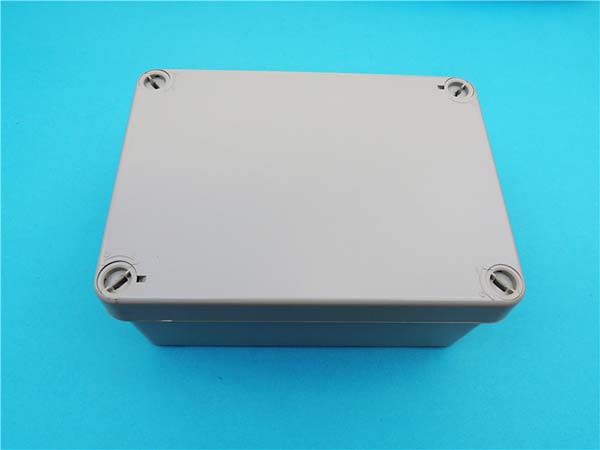
- Electrical enclosures
The coating protects against moisture while allowing for precise fabrication.
How Do You Work with Galvanized Steel?
Cutting and Forming
Galvanized steel cuts and forms similarly to uncoated steel. Laser cutting, shearing, and punching all work well. Use sharp tooling to minimize coating damage at cut edges.
For bending:
- Use a bend radius at least equal to material thickness
- Set blade clearance appropriately to avoid cracking the coating
- Expect minor surface cracking on the outside of bends—this is normal and does not compromise corrosion protection if the coating remains adhered
Welding
Welding galvanized steel requires caution. The high heat burns away the zinc coating around the weld zone, creating a potential rust point.
Best practices:
- Weld in a well-ventilated area—zinc fumes can cause metal fume fever
- Grind away coating slightly before welding to reduce fume generation
- After welding, clean the area and apply zinc-rich paint or cold galvanizing spray to restore protection
Safety Note: Never weld galvanized steel in an enclosed space without proper ventilation. Zinc oxide fumes can cause flu-like symptoms (metal fume fever). Allow fumes to dissipate, and use respiratory protection when necessary.
Painting
Galvanized steel can be painted, but preparation is critical:
- Clean the surface to remove oil and dirt
- Etch or use a primer designed for galvanized surfaces (acid-etched or epoxy-based)
- Apply paint (acrylic, polyester, or polyurethane)
Properly painted galvanized steel can exceed the corrosion resistance of unpainted material, especially in coastal areas.
Conclusion
Galvanized steel sheet metal combines the strength of steel with the corrosion protection of zinc. Hot-dip galvanizing provides thick, durable coatings that last 20–100 years depending on the environment. Electrogalvanizing offers a smooth finish for indoor and automotive applications.
The key advantages are clear:
- Exceptional corrosion resistance through barrier and sacrificial protection
- Strong coating adhesion that withstands forming and bending
- Cost-effectiveness compared to stainless steel
- Versatility across construction, automotive, industrial, and agricultural applications
When you need strength and corrosion protection without the cost of stainless steel, galvanized steel is a proven, practical choice.
FAQs
How does the lifespan of galvanized steel compare to painted steel?
Hot-dip galvanized steel typically lasts 2–5 times longer than painted steel. In rural environments, galvanized steel can last 50–100 years, while painted steel may require repainting every 5–10 years. The zinc coating provides continuous protection even if scratched, unlike paint which can peel and expose the underlying steel.
Can galvanized steel be painted or welded?
Yes to both. For painting, clean the surface and use a primer designed for galvanized metal to ensure adhesion. For welding, work in a well-ventilated area, and always touch up the weld zone with zinc-rich paint afterward to restore corrosion protection. The heat from welding destroys the coating around the weld.
What factors affect the corrosion resistance of galvanized steel?
Three main factors: coating thickness (thicker = longer life), environment (coastal/salty areas reduce lifespan), and mechanical damage (scratches that expose steel). Proper post-treatment like passivation and avoiding contact with dissimilar metals (especially copper) also help maintain corrosion resistance.
What is the difference between hot-dip and electrogalvanized steel?
Hot-dip galvanizing immerses steel in molten zinc, creating a thick (45–120 micrometer) coating with excellent corrosion resistance. It has a characteristic spangled appearance and is used for outdoor applications. Electrogalvanizing deposits zinc electrically, creating a thinner (5–25 micrometer), smoother coating ideal for indoor applications and parts that will be painted.
Contact Yigu Technology for Custom Manufacturing
At Yigu Technology, we work with galvanized steel daily—both hot-dip and electrogalvanized. Our capabilities include laser cutting, CNC bending, punching, and welding, with careful attention to preserving coating integrity. We help customers select the right coating type and thickness for their application, from outdoor fencing and roofing to indoor electrical enclosures. Contact us to discuss your project—we will help you get the corrosion protection you need at a cost that works.