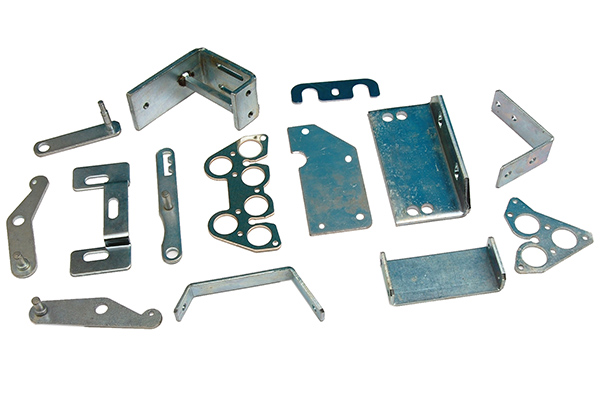
Selecting materials for demanding applications can be difficult. Many metals corrode in harsh environments. Others lack the strength for heavy-duty use. Sheet metal stainless steel offers a solution that combines corrosion resistance, strength, and versatility. This guide covers its characteristics, types, processes, and applications.
Introduction
Sheet metal stainless steel stands apart from other metals. Its chromium content provides exceptional corrosion resistance. Its strength allows it to handle demanding loads. And its formability enables complex shapes.
In this guide, you will learn what makes stainless steel unique. You will understand the different grades and their applications. And you will discover how manufacturing processes affect the final product.
Material Characteristics
Corrosion Resistance
The defining feature of stainless steel is its corrosion resistance. This comes from chromium content—at least 10.5% in all stainless steel grades.
Chromium forms a thin, invisible oxide layer on the surface. This layer is self-healing. If scratched, it reforms when exposed to oxygen. This prevents rust and degradation even in wet or chemical environments.
Real-world example: A food processing plant used 304 stainless steel for mixing tanks. After 15 years of daily exposure to water, cleaning chemicals, and acidic ingredients, the tanks showed no corrosion. The self-healing oxide layer protected the metal throughout.
Strength and Durability
Stainless steel offers high strength across its grades. Tensile strength ranges from 500 to 1500 MPa, depending on the grade.
| Grade | Tensile Strength (MPa) | Applications |
|---|---|---|
| 304 | 500–700 | Kitchen equipment, architectural |
| 316 | 580–750 | Marine, chemical processing |
| 17-4 PH | 1000–1300 | Aerospace, high-strength components |
This strength allows stainless steel to withstand heavy loads, impact, and repeated stress without failure.
Ductility and Formability
Despite its strength, stainless steel offers good ductility. Elongation ranges from 20% to 60%, depending on the grade. This means it can bend, stretch, and form without cracking.
Austenitic grades like 304 and 316 are the most ductile. They can be deep-drawn into sinks, formed into complex enclosures, and bent into tight radii.
Hardness and Impact Resistance
Hardness varies by grade:
| Category | Hardness (Rockwell) | Characteristics |
|---|---|---|
| Austenitic (304, 316) | 20–30 HRC | Softer, more ductile |
| Martensitic | 40–50 HRC | Harder, wear-resistant |
Impact resistance is excellent, especially in austenitic grades. They remain tough even at low temperatures—down to -200°C for some grades. This makes them suitable for cryogenic applications and medical devices that face sudden forces.
Thermal and Electrical Properties
Thermal conductivity is lower than copper or aluminum. This is actually an advantage in cookware, where even heat distribution matters.
Thermal expansion is moderate at 10–20 × 10⁻⁶/°C. In high-temperature applications like chemical processing equipment, this expansion must be accounted for to prevent warping.
Electrical conductivity is relatively low. This makes stainless steel suitable for non-conductive components like electrical enclosures where grounding is needed but conductivity is not a primary function.
Magnetic properties vary. Austenitic grades (304, 316) are non-magnetic. Ferritic (430) and martensitic grades are magnetic. For medical devices and aerospace parts where magnetic interference must be avoided, austenitic grades are preferred.
Types and Grades
Austenitic Stainless Steel
Austenitic grades are the most widely used category. They are non-magnetic, have high corrosion resistance, and offer excellent ductility.
| Grade | Composition | Key Properties | Applications |
|---|---|---|---|
| 304 | 18% chromium, 8% nickel | Workhorse grade; good corrosion resistance, formability | Kitchen appliances, food processing, architectural |
| 316 | 16% chromium, 10% nickel, 2–3% molybdenum | Superior saltwater and chemical resistance | Marine, pharmaceutical, chemical processing |
304 stainless steel is the most common grade. It handles most indoor and mild outdoor environments. It forms easily and welds well.
316 stainless steel adds molybdenum. This provides enhanced resistance to chlorides and acids. For coastal buildings, chemical plants, or marine equipment, 316 is the better choice.
Ferritic and Martensitic Stainless Steel
Ferritic grades like 430 contain 12–17% chromium with little or no nickel. They are magnetic and cost less than austenitic grades. Corrosion resistance is good but lower than 304. Refrigerator panels, dishwasher interiors, and automotive trim often use 430.
Martensitic grades have higher carbon content—0.15% to 1.2%. This allows heat treatment to increase hardness. They offer high strength and wear resistance. Cutlery, valves, and industrial machinery parts use martensitic grades.
Duplex Stainless Steel
Duplex grades combine austenitic and ferritic structures. They contain 21–27% chromium, 4–7% nickel, and small amounts of nitrogen.
Tensile strength reaches 600–1000 MPa—nearly double that of 304. Corrosion resistance is excellent, especially against stress corrosion cracking. Chemical processing, oil and gas, and marine applications use duplex stainless steel where strength and corrosion resistance are both critical.
Manufacturing Processes
Forming and Shaping
Rolling is the first step. Stainless steel slabs roll into sheets of varying thicknesses—from 0.3mm to 10mm and beyond. Cold rolling produces smoother surfaces and tighter tolerances.
Cutting shapes sheets into blanks. Methods include:
- Laser cutting: Precision up to ±0.05mm; ideal for complex shapes
- Plasma cutting: Faster for thicker materials
- Waterjet cutting: No heat-affected zone; good for heat-sensitive applications
Bending uses press brakes. Stainless steel’s ductility allows tight bends—even 90° angles—without cracking. This is critical for food processing equipment and electrical enclosures.
Deep drawing creates complex, cup-shaped forms. Stainless steel sinks and sanitary components are made this way.
Punching creates holes for fasteners. Used in automotive parts and industrial machinery.
Shearing cuts sheets into precise sizes. Ensures consistency in construction and architectural components.
Welding
Welding stainless steel requires care. Improper technique can reduce corrosion resistance. Key considerations:
- Use low-carbon grades (304L, 316L) to prevent carbide precipitation
- Protect the weld area with inert gas (TIG or MIG welding)
- Post-weld cleaning restores the oxide layer
- For critical applications, passivation removes free iron from the surface
Machining
Machining stainless steel is more challenging than carbon steel. The material is tough and work-hardens quickly. Success requires:
- Sharp tools
- Appropriate cutting speeds (slower than for steel)
- Adequate coolant to manage heat
- Rigid setups to prevent vibration
Heat Treatment
Annealing softens the metal and improves ductility. It is essential after cold working to restore formability. The process involves heating to 1000–1100°C, then cooling rapidly.
Solution treatment for austenitic grades dissolves carbides, improving corrosion resistance. Hardening for martensitic grades increases strength and wear resistance.
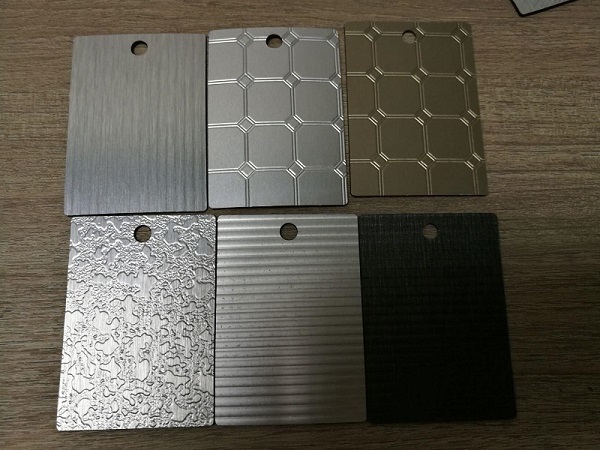
Surface Finishing
Surface finishing enhances both appearance and corrosion resistance.
| Finish | Process | Applications |
|---|---|---|
| Mirror Polish | Progressive polishing to high gloss | Architectural, decorative |
| Brushed | Abrasive belt creates linear texture | Kitchen appliances, industrial |
| Satin | Fine abrasive gives uniform matte | Medical devices, food equipment |
| Pickling | Acid removes scale and impurities | Welded assemblies |
| Passivation | Acid treatment enhances oxide layer | Critical corrosion applications |
For medical devices, smooth finishes prevent bacterial growth. For architectural components, polished finishes provide aesthetic appeal and longevity.
Applications Across Industries
Food Processing and Kitchen Appliances
Stainless steel is the standard in food-related applications. Its corrosion resistance withstands cleaning chemicals. Its smooth surface is easy to sanitize.
Equipment: Conveyors, mixing tanks, storage vessels, countertops
Appliances: Stoves, ovens, refrigerators, sinks, dishwashers
Grade 304 handles most food applications. Its formability allows complex shapes. Its durability ensures long service life.
Medical Devices and Pharmaceutical Equipment
Medical and pharmaceutical applications demand materials that withstand sterilization and resist chemicals.
Medical devices: Surgical instruments, implantable parts, hospital furniture
Pharmaceutical: Processing tanks, piping, cleanroom equipment
Grade 316 is preferred for its biocompatibility and superior corrosion resistance. Smooth finishes prevent bacterial growth and simplify cleaning.
Key data point: A study of surgical instruments found that 316 stainless steel maintained surface integrity after 500+ sterilization cycles, while coated alternatives showed wear after 200 cycles.
Chemical Processing and Industrial Machinery
Chemical processing environments expose materials to acids, solvents, and high temperatures. Stainless steel tanks, pipes, and valves resist these aggressive conditions.
Applications: Reaction vessels, heat exchangers, pumps, valves, piping systems
Duplex grades offer the highest corrosion resistance for challenging chemical environments. 316 handles most general chemical applications.
Construction and Architecture
Stainless steel combines strength with aesthetic appeal. It is used in both structural and decorative applications.
Structural: Roofing, cladding, structural supports in harsh environments
Architectural: Handrails, facades, curtain walls, elevator interiors
The material’s longevity reduces maintenance costs. Its appearance remains consistent over decades.
Automotive and Aerospace
Automotive: Exhaust systems, trim, fuel system components. Stainless steel withstands high temperatures and road salt.
Aerospace: Structural components, engine parts. High-strength grades like 17-4 PH provide strength-to-weight ratios needed for aircraft.
Marine Applications
Marine environments are among the most corrosive. Saltwater attacks most metals aggressively.
Applications: Boat hulls, fittings, offshore platform components, seawater piping
Grade 316 is the minimum for marine use. Its molybdenum content resists pitting and crevice corrosion from chlorides. For critical offshore applications, duplex or super-austenitic grades may be specified.
Yigu Technology’s Perspective
At Yigu Technology, we work with sheet metal stainless steel daily. Its versatility and reliability make it a top choice across industries.
We fabricate grades including 304, 316, and 430 stainless steel. Our processes include precision laser cutting, bending, welding, and surface finishing. We ensure the material’s properties—corrosion resistance, ductility, and strength—are preserved through every step.
Real-world example: A client needed enclosures for outdoor telecommunications equipment in a coastal area. 304 stainless steel would have eventually corroded. We recommended 316 stainless steel with a brushed finish. After five years of exposure to salt-laden air, the enclosures showed no corrosion.
Another client required surgical instrument trays. We used 316 stainless steel with a passivated finish. The trays withstand daily sterilization cycles without staining or corrosion.
Conclusion
Sheet metal stainless steel combines exceptional corrosion resistance, high strength, and excellent formability. Austenitic grades like 304 and 316 serve most applications. Ferritic grades offer cost-effective solutions for less demanding environments. Martensitic and duplex grades fill specialized needs.
Understanding the characteristics of each grade helps you select the right material. Manufacturing processes—from cutting and bending to welding and finishing—affect the final product’s performance.
Choose stainless steel when you need durability, hygiene, and resistance to harsh environments. With proper selection and processing, it delivers reliable performance for decades.
FAQ
What is the main difference between 304 and 316 stainless steel?
304 stainless steel is cost-effective with good general corrosion resistance. It works for indoor and mild outdoor applications. 316 stainless steel adds 2–3% molybdenum, providing superior resistance to saltwater and chemicals. For marine, coastal, or chemical processing applications, 316 is the better choice.
Can stainless steel rust?
Stainless steel is highly resistant but not immune to rust. If the protective oxide layer is damaged—by scratches, chlorides, or lack of oxygen—and cannot self-heal, corrosion can occur. Regular cleaning and avoiding prolonged exposure to aggressive chemicals help maintain the oxide layer.
Is stainless steel magnetic?
It depends on the grade. Austenitic grades like 304 and 316 are non-magnetic in their annealed state. Cold working may introduce some magnetism. Ferritic grades (like 430) and martensitic grades are magnetic. For applications where magnetic interference must be avoided, specify austenitic grades.
What finish is best for medical devices?
A smooth, passivated finish is typically required for medical devices. Passivation removes free iron from the surface, enhancing corrosion resistance. A smooth finish (often #4 brushed or finer) prevents bacterial growth and simplifies cleaning. For surgical instruments, a mirror polish may be specified.
Contact Yigu Technology for Custom Manufacturing
Need stainless steel components fabricated to your specifications? Yigu Technology works with 304, 316, and other grades to deliver precision parts. From food processing equipment to medical devices, we ensure quality and durability. [Contact us] to discuss your project requirements.