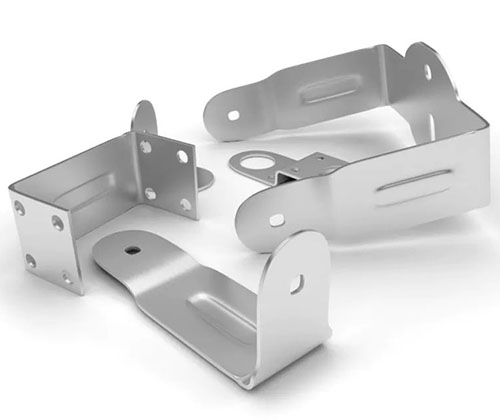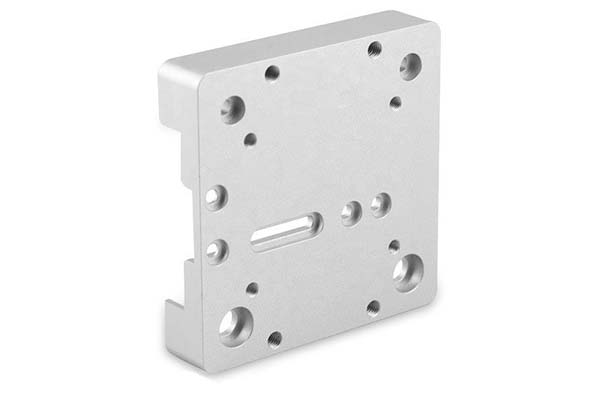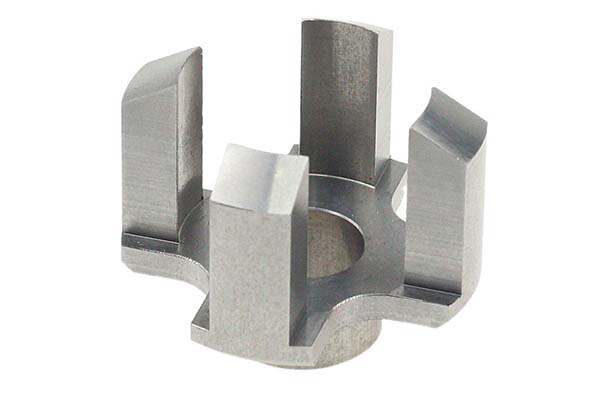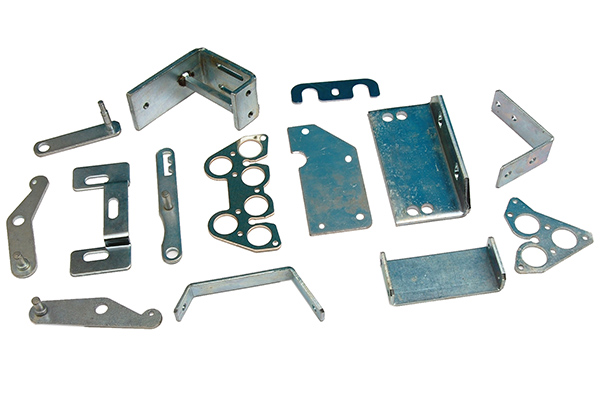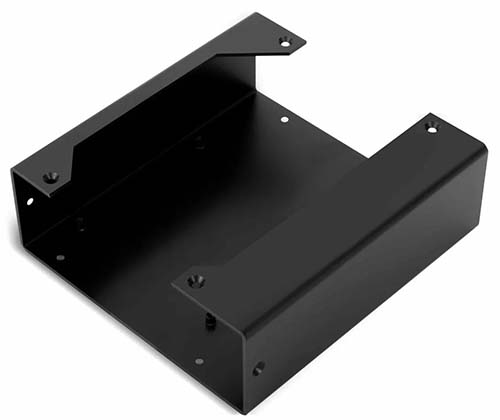
Manufacturers face a constant trade-off. They need parts that form easily into complex shapes. They also need those parts to resist corrosion without adding heavy coatings or costly materials. SECC—electro-galvanized steel— solves this problem. It combines the formability of cold-rolled steel with a thin, uniform zinc coating. The zinc layer protects against rust while preserving the material’s ductility. But stamping SECC requires care. The coating is thin—only 5 to 20 microns thick. High-stress stamping can damage it if not handled correctly. This guide covers SECC’s properties, stamping techniques, and quality controls. You will learn how to produce precision parts with lasting corrosion protection.
What Makes SECC Different from Other Galvanized Steels?
SECC stands for Steel Electro-Galvanized Cold-rolled. The “electro” part matters. Unlike hot-dip galvanizing, which dips steel in molten zinc, electro-galvanizing deposits zinc through an electrochemical process. This creates a thinner, more uniform coating.
| Material | Zinc Thickness | Formability | Surface Finish | Best For |
|---|---|---|---|---|
| SECC (Electro-galvanized) | 5–20 μm | Excellent | Smooth, shiny | Precision parts, painting |
| Hot-dip galvanized | 45–85 μm | Good | Spangled | Outdoor structural parts |
The thinner coating gives SECC better formability. You can bend it tighter and draw it deeper without the coating cracking. The smooth surface also takes paint and powder coating well. The trade-off is corrosion resistance. SECC’s zinc layer lasts 72 to 120 hours in salt spray testing before white rust appears. Hot-dip galvanized steel lasts much longer outdoors. For indoor or moderate-exposure applications, SECC is ideal.
How Is the Zinc Coating Applied to SECC?
The electro-galvanizing process gives SECC its unique characteristics. Understanding how it works helps you appreciate why the coating behaves the way it does during stamping.
The Electroplating Process
Cold-rolled steel passes through an electrolyte solution, typically zinc sulfate or zinc chloride. An electric current causes zinc ions to migrate to the steel surface. The zinc bonds tightly to the base metal, forming a uniform layer.
Key Process Parameters
| Parameter | Typical Range | Why It Matters |
|---|---|---|
| Current density | 10–50 A/dm² | Higher density deposits zinc faster but risks unevenness |
| Bath pH | 2–5 | Affects coating adhesion and smoothness |
| Zinc concentration | 50–150 g/L | Maintains consistent deposition rate |
| Coating thickness | 5–20 μm | Controlled to ±1 μm across the sheet |
Adhesion Testing
After plating, SECC undergoes bend tests. A sample is bent 180 degrees around a mandrel. If the coating does not flake or peel, it passes. This test matters for stamping. A poorly adhered coating will fail during forming.
What Are the Key Properties of SECC?
Mechanical Properties
SECC starts as cold-rolled steel. It has:
- Tensile strength: 270 to 350 MPa
- Elongation: 30% or more
This combination of strength and ductility makes SECC excellent for stamping. It bends, draws, and forms without cracking.
Surface Finish
SECC has a smooth, shiny surface with minimal spangling. Surface roughness is typically Ra ≤ 0.8 μm. For parts that will be painted or powder coated, this smooth surface reduces or eliminates the need for pre-finishing polishing.
Corrosion Resistance
The zinc coating protects the underlying steel through sacrificial corrosion. Zinc corrodes first, protecting the steel. In salt spray testing (ASTM B117), SECC resists white rust for 72 to 120 hours. For comparison, uncoated cold-rolled steel shows rust in hours.
For harsher environments, chromating extends protection to 200+ hours. Chromating adds a thin conversion coating that seals the zinc and improves corrosion resistance.
Weldability
SECC welds cleanly with minimal spatter. However, welding heat can burn off the zinc locally. The affected area loses corrosion protection. Post-weld touch-ups with zinc-rich paint restore protection.
How Do You Stamp SECC Successfully?
Stamping SECC requires techniques that protect the thin zinc coating while achieving precise shapes.
Punching and Blanking
Use sharp, high-speed steel punches. Die clearance should be 8% to 12% of material thickness—narrower than for hot-dip galvanized steel. Tight clearance minimizes burrs.
Lubrication is critical. Use zinc-compatible oils that reduce friction without reacting with the coating. Standard chlorinated lubricants can stain or degrade the zinc.
Bending and Forming
SECC’s ductility allows tight bend radii. For most grades, use a minimum bend radius of 1× to 1.5× material thickness. A 1 mm sheet can bend around a 1 mm radius.
Avoid over-bending. Springback is minimal—about 1 to 3 degrees. Over-bend by that amount to hit the target angle. Excessive bending beyond 90 degrees can crack the zinc coating.
Deep Drawing
SECC excels in deep drawing. The uniform coating and good ductility allow draw ratios up to 2.5:1. Use:
- Polished dies (Ra ≤ 0.4 μm) to reduce friction
- Even lubricant application to prevent localized thinning
- Moderate press speeds (15 to 25 strokes per minute)
Trimming and Deburring
Trim edges with sharp blades at a 30-degree angle. This reduces tearing of the coating. Deburr immediately after trimming. Zinc particles left on the surface can cause galvanic corrosion later.
What Tooling and Equipment Work Best?
Press Machines
Servo presses with variable speed control are ideal for SECC. They allow slower speeds during contact, reducing heat and friction. Heat is the enemy of the zinc coating. Excessive heat can burn off the zinc or cause it to flake.
Tooling Materials
Chrome-plated dies resist zinc buildup. Zinc can transfer to die surfaces during stamping, causing galling and marring the part finish. Chrome plating prevents this.
Die Design
Use radiused edges on all forming surfaces. A minimum radius of 0.5 mm distributes stress evenly. Sharp corners concentrate stress and can cause the coating to peel.
What Quality Controls Are Essential?
Material Inspection
Verify incoming SECC against specifications:
- Coating thickness: Use magnetic gauges. Reject batches below 5 μm.
- Adhesion: Perform bend tests on samples.
- Surface defects: Inspect for pinholes, blisters, or zinc nodules under 10× magnification.
Dimensional Accuracy
Use coordinate measuring machines (CMMs) to verify tolerances. Critical features often require ±0.03 mm. This ensures parts fit in assemblies without forcing.
Surface Defect Inspection
Inspect stamped parts for coating damage. Any defect larger than 0.5 mm² should be repaired with zinc-rich paint. Common defects include:
- Scratches exposing bare steel
- Flaking at bend lines
- Galling marks from die contact
Process Control
Implement statistical process control (SPC) to monitor key variables:
- Punch force
- Die temperature
- Lubricant application rate
Tracking these variables helps catch trends before defects occur.
Where Is SECC Stamping Used?
Electrical Enclosures
Control panels, junction boxes, and server racks use SECC. The smooth surface accepts labels and paint. The corrosion protection keeps electronics safe in indoor environments.
Appliance Components
Refrigerator door panels, washing machine drums, and microwave housings are often stamped from SECC. The material forms into complex shapes and holds paint well.
Automotive Interior Parts
Dashboards, door handles, and trim components use SECC. The smooth finish matches the aesthetic requirements of vehicle interiors. The corrosion resistance handles occasional moisture exposure.
HVAC Components
Ductwork, blower housings, and vent covers benefit from SECC’s formability and resistance to condensation. The material forms into the complex shapes required for airflow management.
Industrial Machinery
Small gears, brackets, and covers leverage SECC’s precision stamping capabilities. The material’s consistent thickness and surface quality allow tight-tolerance parts.
How Does SECC Compare to Other Materials?
| Material | Corrosion Resistance | Formability | Cost | Best Use |
|---|---|---|---|---|
| SECC | Moderate (indoor) | Excellent | Moderate | Precision parts, painted components |
| Hot-dip galvanized | High (outdoor) | Good | Moderate | Structural, outdoor parts |
| Stainless steel | Very high | Moderate | High | Harsh environments, medical |
| Cold-rolled steel | Low | Excellent | Low | Indoor, painted or coated parts |
Conclusion
SECC occupies a valuable middle ground in the world of stamped metals. It offers the formability of cold-rolled steel with the corrosion protection of zinc. The electro-galvanized coating is thin enough to allow tight bends and deep draws but thick enough to protect against rust in indoor environments. The smooth surface accepts paint and powder coating without extensive preparation.
Success with SECC stamping comes down to protecting that thin coating. Use sharp tools with proper clearance. Apply zinc-compatible lubricants. Control press speeds to minimize heat. Inspect for coating damage and repair it when necessary. When these practices are followed, SECC delivers parts that are precise, attractive, and corrosion-resistant.
From electrical enclosures that protect sensitive electronics to appliance panels that look good for years, SECC stamping is a proven solution for manufacturers who need both performance and protection.
FAQ About Metal Stamping SECC
Can SECC be used outdoors?
SECC is best suited for indoor use. Its thin zinc coating provides 1 to 3 years of outdoor corrosion resistance in mild environments. For longer outdoor life, specify a thicker coating (15 to 20 μm) and apply a post-stamp chromate conversion coating. For harsh outdoor conditions, hot-dip galvanized steel or stainless steel is a better choice.
How does SECC compare to stainless steel in stamping?
SECC costs 30% to 50% less than stainless steel. It also offers better formability—you can achieve tighter bends and deeper draws. However, stainless steel provides superior corrosion resistance. Choose SECC for indoor, moderate-exposure parts. Choose stainless steel for harsh environments or applications requiring maximum corrosion resistance.
What is the maximum part complexity achievable with SECC stamping?
SECC handles complex shapes well. Deep-drawn enclosures up to 100 mm depth are achievable. Multi-bend brackets with compound angles are routine. The material’s excellent ductility and uniform coating make it suitable for the most demanding stamping operations.
Does SECC require special lubricants for stamping?
Yes. Use zinc-compatible lubricants that do not react with the coating. Chlorinated lubricants can stain or degrade the zinc. Mineral oils with anti-oxidants work well. For high-speed operations, synthetic lubricants with extreme-pressure additives are recommended.
How do you repair coating damage on stamped SECC parts?
Small defects—scratches, minor flaking—can be repaired with zinc-rich paint. Apply the paint to bare steel areas, extending slightly onto the intact coating. For larger defects, the part should be rejected. Proper tooling and process controls prevent most coating damage during stamping.
Contact Yigu Technology for Custom Manufacturing
Stamping SECC requires precision, clean handling, and deep material knowledge. At Yigu Technology, we specialize in custom metal stamping for electrical, appliance, and industrial clients. Our team helps you select the right SECC grade and coating thickness for your application. We design tooling with radiused edges and polished surfaces to protect the zinc coating. Our servo presses and zinc-compatible lubricants minimize coating damage during forming. Our quality control includes coating thickness verification, dimensional inspection, and surface defect checks. Whether you need high-volume production or complex prototypes, we have the capabilities to deliver. Contact us today to discuss your project.