If you need high-quality metal components for automotive, aerospace, medical, or electronic applications, you likely require tight tolerances and consistent quality. A precision stamping company specializes in transforming metal sheets into intricate, reliable parts. But what exactly do these companies offer beyond basic stamping? This guide covers the full range of services—from design and tooling to secondary operations and quality control—so you understand how a precision stamping partner can support your project from concept to delivery.
What Design and Engineering Support Is Available?
Turning Ideas into Manufacturable Parts
Precision stamping companies do more than just press metal. They help you design parts that are easy to manufacture, cost-effective, and reliable.
Concept Development and Prototyping
- Collaborative Design: Engineers work with you to understand your requirements and develop initial concepts.
- Prototyping: Quick-turn prototypes test functionality and fit before full-scale production. This catches issues early, saving time and money.
CAD/CAM and Simulation Software
- 3D Modeling: Advanced CAD/CAM software creates detailed 3D models of components.
- Feasibility Studies: Virtual simulations assess manufacturability and identify potential challenges like material thinning or springback.
- Design Optimization: Engineers refine designs to enhance functionality, reduce material usage, and improve production efficiency.
How Do They Handle Tooling and Dies?
The Heart of Precision Stamping
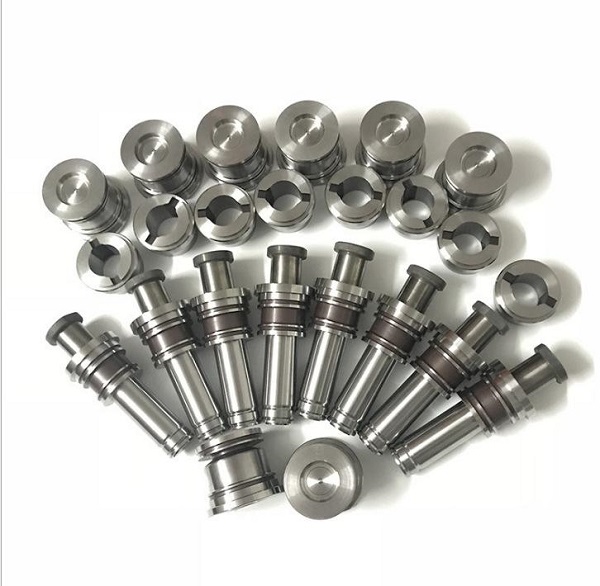
Tooling is critical to producing high-quality stamped parts. Precision stamping companies invest heavily in die design, fabrication, and maintenance.
Custom Die Design
- Detailed Blueprints: Engineers create precise drawings for progressive dies, compound dies, or single-hit tools.
- Advanced Machining: Techniques like milling, grinding, and electrical discharge machining (EDM) produce durable, accurate dies.
Die Maintenance
- Ongoing Care: Dies are inspected and maintained regularly to ensure consistent part quality.
- Rebuilding: Worn or damaged dies are refurbished to extend tool life and avoid production delays.
What Materials Can They Work With?
Selection and Sourcing Expertise
Precision stamping companies work with a wide range of metals and can guide you to the right material for your application.
| Material Type | Common Grades | Typical Applications |
|---|---|---|
| Steel | SPHC, SPCC, high-strength low-alloy | Automotive brackets, structural parts |
| Stainless Steel | SUS304, SUS316, SUS301 | Medical devices, aerospace components, corrosion-resistant parts |
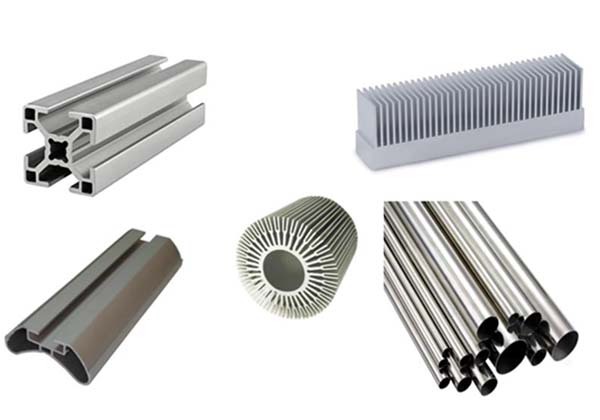
| Aluminum | 1050, 1100, 3003, 5052, 6061 | Electronics enclosures, heat sinks, lightweight structures |
| Copper Alloys | C11000, C26000, phosphor bronze, beryllium copper | Electrical contacts, connectors, springs |
| Specialty Alloys | Inconel, titanium, spring steel | High-temperature, high-strength applications |
Companies also handle material sourcing and verify compliance with industry standards like ASTM or ISO.
What Stamping Processes Are Used?
Techniques for Different Needs
Precision stamping companies employ several techniques depending on part complexity, volume, and material.
Progressive Die Stamping
- Best for: High-volume parts with complex features.
- How it works: A strip of metal moves through a series of stations, each performing a different operation—punching, bending, coining, and more.
- Advantages: Fast, consistent, and cost-effective for large runs.
Deep Drawing
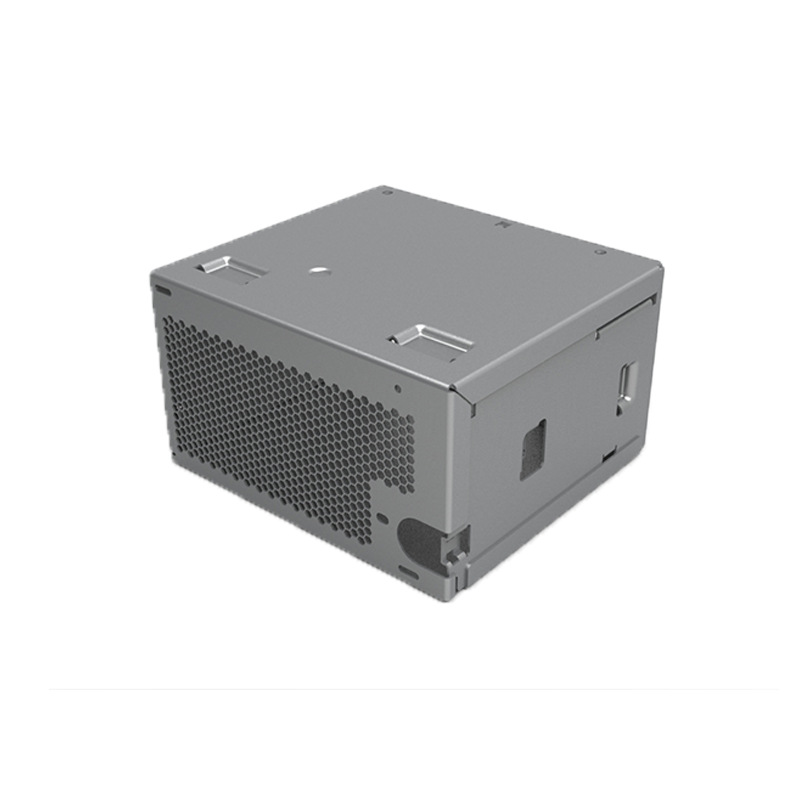
- Best for: Cylindrical or box-shaped parts like housings and enclosures.
- How it works: A punch forces the metal sheet into a die cavity, forming a deep recess.
- Advantages: Produces seamless parts with excellent material utilization.
Single-Hit Stamping
- Best for: Low to medium volumes or simple parts.
- How it works: A single stroke performs one operation per part.
- Advantages: Lower tooling costs; suitable for prototyping.
Transfer Stamping
- Best for: Large parts that cannot be made with progressive dies.
- How it works: Parts are mechanically transferred between die stations.
- Advantages: Flexibility for complex, oversized components.
What Secondary Operations Are Offered?
Completing the Component
Stamping is often just one step. Precision stamping companies provide secondary services to deliver finished parts.
- Bending and Forming: Additional shaping beyond the stamping process.
- Welding: Joining multiple stamped components into assemblies.
- Deburring and Finishing: Removing sharp edges and smoothing surfaces.
- Heat Treating: Annealing or age-hardening to achieve desired mechanical properties.
- Plating and Coating: Applying zinc, nickel, tin, or powder coating for corrosion resistance and appearance.
- Assembly: Combining stamped parts with fasteners, inserts, or adhesives into subassemblies.
How Is Quality Ensured?
Rigorous Inspection and Testing
Precision stamping companies maintain quality through multiple layers of inspection.
In-Process Inspection
Operators monitor production in real-time, checking dimensions and surface quality. Issues are corrected immediately to prevent defective parts from continuing down the line.
Advanced Measurement Techniques
- Coordinate Measuring Machines (CMM): Verify critical dimensions to ±0.01 mm or tighter.
- Optical Inspection Systems: High-speed cameras measure parts against CAD models.
- Non-Destructive Testing (NDT): Ultrasonic or eddy current testing detects internal flaws without damaging parts.
Statistical Process Control (SPC)
Data from inspections is analyzed to detect trends and deviations. SPC ensures processes remain stable and capable.
Final Inspection
Finished parts undergo comprehensive checks before shipment. Certificates of compliance or inspection reports are provided upon request.
What Industries Do They Serve?
Diverse Applications Across Sectors
| Industry | Typical Components |
|---|---|
| Automotive | Engine brackets, transmission parts, safety system housings |
| Aerospace | Structural components, avionics enclosures, turbine parts |
| Medical | Surgical instruments, implant components, diagnostic equipment parts |
| Electronics | Connectors, contacts, shielding, heat sinks |
| Telecommunications | 5G infrastructure components, antenna brackets, housing enclosures |
Each industry demands specific certifications. Aerospace often requires AS9100. Medical components may need ISO 13485. A qualified precision stamping company holds the relevant certifications.
Conclusion
Precision stamping companies offer a comprehensive suite of services beyond simply pressing metal. They provide design and engineering support to optimize parts for manufacturability. They design, build, and maintain custom tooling. They work with a wide range of materials—from soft aluminum to high-strength steel and specialty alloys. They employ progressive, deep draw, and transfer stamping techniques, supported by secondary operations like welding, plating, and assembly. Rigorous quality control ensures parts meet tight tolerances and industry standards. Whether you need automotive brackets, medical implants, or electronic connectors, a precision stamping partner can deliver reliable, cost-effective components.
FAQ
What industries do precision stamping companies primarily serve?
Precision stamping companies serve a wide range of industries, including automotive, aerospace, medical, electronics, telecommunications, and consumer goods. They provide customized solutions tailored to each sector’s specific requirements.
How do precision stamping companies ensure high accuracy and repeatability?
They use precision-made dies, advanced stamping machinery, and rigorous quality control processes. Techniques like in-process inspection, CMM verification, and statistical process control (SPC) ensure each part meets tight tolerances and is identical to the next.
What are the main benefits of working with a precision stamping company?
Key benefits include cost-effectiveness through optimized processes, high accuracy and repeatability, short lead times, and quick turnaround. They also offer design flexibility and extensive material selection, ensuring you receive high-quality parts tailored to your needs.
What is the difference between progressive die stamping and transfer stamping?
Progressive die stamping uses a single strip of metal moving through multiple stations in one die. It is ideal for high-volume, small to medium-sized parts. Transfer stamping moves individual parts between separate dies using mechanical fingers, making it better for larger or more complex components.
Can precision stamping companies handle low-volume production?
Yes. While precision stamping is often associated with high-volume runs, many companies offer prototyping and low-volume services using simpler tooling or flexible processes. This allows you to validate designs before committing to high-volume tooling.
Contact Yigu Technology for Custom Manufacturing
Precision stamping requires the right combination of design expertise, tooling capability, material knowledge, and quality control. At Yigu Technology, we offer comprehensive stamping services—from engineering support to secondary operations—for automotive, aerospace, medical, and electronics clients.
We work with a wide range of materials, including steel, stainless steel, aluminum, copper alloys, and specialty metals. Our quality system ensures parts meet your exact specifications and industry standards.
Contact Yigu Technology today to discuss your precision stamping project.