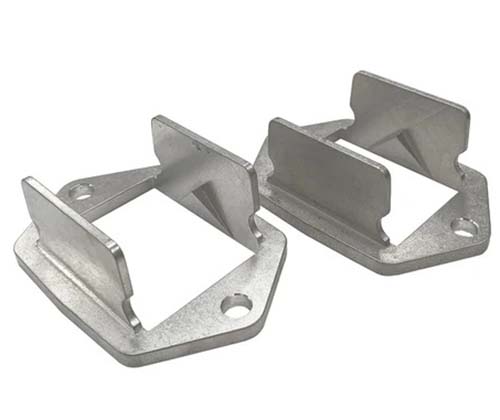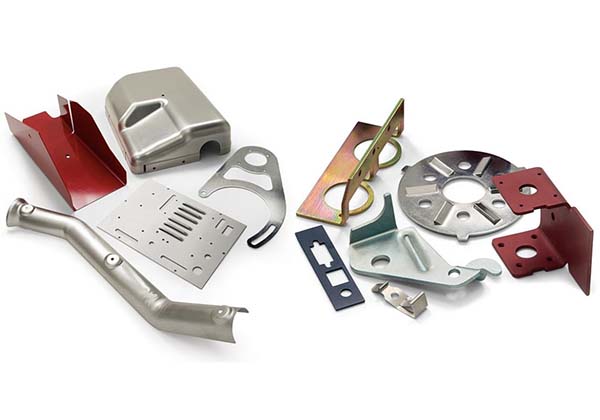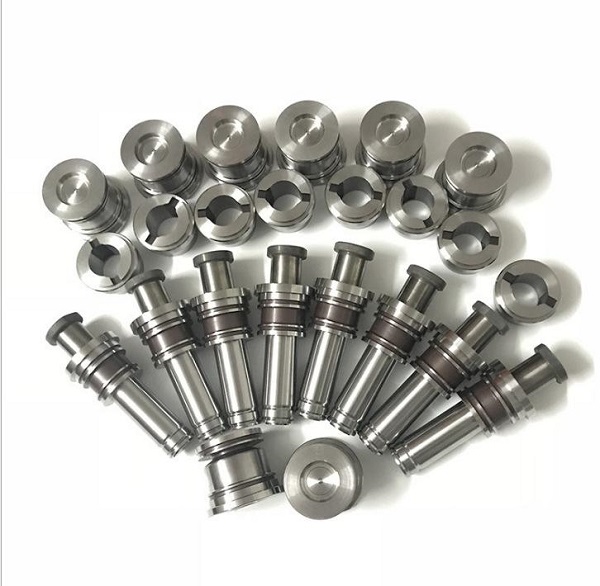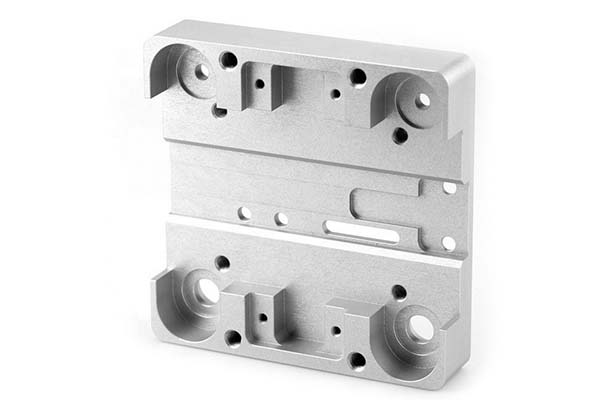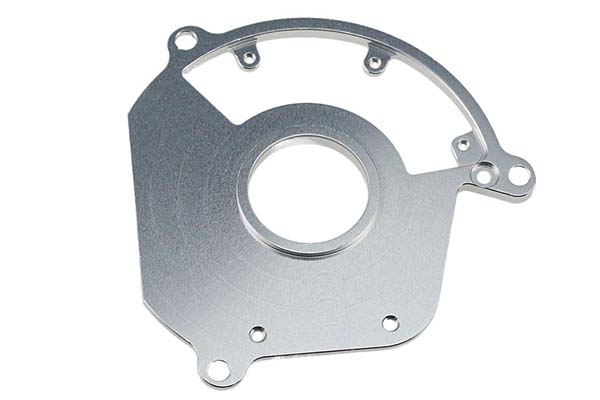
If you need high-quality metal components for automotive, aerospace, medical, or electronic applications, you likely require a partner who can deliver precision, consistency, and reliability. Precision metal stamping manufacturers specialize in producing intricate metal components using advanced stamping techniques. They transform flat metal sheets into complex parts with high accuracy and repeatability. This guide covers the key features that distinguish top-tier manufacturers—from advanced capabilities and equipment to rigorous quality control and industry expertise.
What Capabilities Should You Look For?
Advanced Expertise and Design Flexibility
Precision metal stamping manufacturers are distinguished by their ability to produce complex parts with tight tolerances.
| Capability | What It Means | Why It Matters |
|---|---|---|
| High Accuracy | Tolerances as tight as ±0.01 mm | Parts meet exact specifications; no rework |
| Repeatability | Identical parts across millions of cycles | Consistency for assembly and performance |
| Design Flexibility | Custom solutions tailored to your needs | Adapts to unique part geometries |
| Complex Part Production | Intricate 3D shapes, multi-feature components | Reduces assembly steps; improves reliability |
| Miniature Parts | Micro-stamping for electronics and medical | Enables device miniaturization |
Top manufacturers work with a wide range of materials, including steel, aluminum, stainless steel, brass, copper, and specialty alloys like titanium and phosphor bronze.
What Equipment and Technology Do They Use?
State-of-the-Art Machinery
Achieving precision requires advanced equipment. Leading manufacturers invest in:
- High-Speed Stamping Presses: Capable of producing thousands of parts per minute. Mechanical presses for high volume; servo presses for precise speed and force control.
- Advanced Automation: Robotic feeding systems, automated part handling, and in-line quality checks reduce human error and increase efficiency.
- CAD/CAM Software: Creates detailed 3D models and simulates stamping processes before tooling is built. Identifies potential issues like springback or material thinning early.
- Coordinate Measuring Machines (CMM) : Verifies part dimensions with high accuracy. Ensures critical features meet tolerances.
How Do They Ensure Quality?
Rigorous Quality Control Processes
Quality control is a cornerstone of precision metal stamping. Reputable manufacturers implement:
| Process | Description | Benefit |
|---|---|---|
| In-Process Inspection | Real-time monitoring during production | Catches issues immediately; reduces scrap |
| CMM and Optical Inspection | Precision measurement of dimensions | Verifies tolerances to ±0.01 mm |
| Non-Destructive Testing (NDT) | Ultrasonic or eddy current testing | Detects internal flaws without damaging parts |
| Statistical Process Control (SPC) | Analyzes data to detect trends | Maintains consistency; prevents drift |
| Final Inspection | Comprehensive check before shipment | Ensures only conforming parts leave the facility |
Many manufacturers hold certifications like ISO 9001 (quality management), ISO 13485 (medical devices), or AS9100 (aerospace), demonstrating commitment to quality.
What Stamping Processes Do They Use?
Types of Manufacturing Techniques
Precision stamping manufacturers employ various processes depending on part complexity and volume.
| Process | Description | Best For |
|---|---|---|
| Progressive Die Stamping | Multiple operations in one press; strip moves through stations | High-volume, complex parts |
| Single-Hit Stamping | One part per press cycle | Simple components, lower volumes |
| Transfer Stamping | Workpiece moved between separate dies | Larger parts, moderate volumes |
| Deep Drawing | Stretches metal into hollow shapes | Enclosures, cups, housings |
| Coining | Compresses metal to create high-relief designs | Flat surfaces, embossed features |
| Piercing and Blanking | Cuts holes or shapes from metal sheet | Washers, brackets, basic components |
What Industries Do They Serve?
Applications Across Sectors
Precision metal stamping manufacturers serve industries that demand reliability and precision.
| Industry | Typical Components | Why Precision Matters |
|---|---|---|
| Automotive | Engine brackets, transmission parts, body panels, safety system housings | Safety and performance; high-volume consistency |
| Electronics | Connectors, contacts, shielding, heat sinks | Miniaturization; reliable electrical connections |
| Aerospace | Structural brackets, avionics housings, engine components | Extreme conditions; strict AS9100 standards |
| Medical | Surgical instruments, implants, diagnostic equipment parts | Patient safety; biocompatibility; ISO 13485 |
| Consumer Goods | Appliance panels, hardware, decorative trim | Aesthetics; cost-effective production |
What Benefits Do They Offer?
Advantages of Partnering with Specialists
Working with a precision metal stamping manufacturer provides clear advantages.
- Cost-Effectiveness: High-speed production reduces per-unit costs for large volumes. Automation minimizes labor expenses.
- High Accuracy and Repeatability: Parts meet tight tolerances consistently. Reduces assembly issues and field failures.
- Short Lead Times: Advanced equipment and efficient processes deliver parts quickly. Rapid prototyping available for design validation.
- Design Flexibility: Custom tooling adapts to unique geometries. Material selection optimized for your application.
- Material Savings: Minimal waste compared to machining. Progressive dies optimize material utilization.
Conclusion
Precision metal stamping manufacturers combine advanced capabilities, state-of-the-art equipment, and rigorous quality control to produce high-accuracy components. Key features include tolerances as tight as ±0.01 mm, high repeatability across millions of cycles, and expertise with materials from steel to specialty alloys. They employ progressive die stamping for complex parts, deep drawing for hollow forms, and coining for precise flat surfaces. Industries served include automotive, electronics, aerospace, medical, and consumer goods. Benefits include cost-effectiveness, short lead times, and design flexibility. When selecting a partner, look for certifications like ISO 9001, AS9100, or ISO 13485, and verify their capabilities in material handling, tooling design, and quality systems.
FAQ
What sets precision metal stamping manufacturers apart from other metalworking companies?
Precision metal stamping manufacturers specialize in high accuracy and repeatability using advanced dies and presses. They offer design flexibility, extensive material selection, and rigorous quality control—including CMM inspection and statistical process control—making them ideal for industries with stringent requirements like automotive, aerospace, and medical.
How do precision metal stamping manufacturers ensure high accuracy and repeatability?
They use precision-made dies, advanced stamping machinery (servo or mechanical presses), and rigorous quality control processes. In-process inspection, CMM verification, and statistical process control ensure each part meets tight tolerances and is identical to the next.
What are the main benefits of working with precision metal stamping manufacturers?
Key benefits include cost-effectiveness (low per-unit costs for high volumes), high accuracy and repeatability, short lead times, and quick turnaround. They also offer design flexibility and extensive material selection, ensuring high-quality parts tailored to your specific needs.
What materials can precision metal stamping manufacturers work with?
They work with a wide range of materials, including steel, aluminum, stainless steel, brass, copper, and specialty alloys like titanium, phosphor bronze, and beryllium copper. Material selection depends on required strength, conductivity, corrosion resistance, and formability.
What certifications should I look for in a precision metal stamping manufacturer?
Look for ISO 9001 (quality management) as a baseline. For aerospace, AS9100 is essential. For medical devices, ISO 13485 is required. Additional certifications like IATF 16949 (automotive) may be relevant depending on your industry.
Contact Yigu Technology for Custom Manufacturing
Precision metal stamping requires expertise in tooling design, material selection, and process control. At Yigu Technology, we specialize in custom stamping for automotive, aerospace, medical, electronics, and industrial clients. Our capabilities include progressive die stamping, deep drawing, and micro-stamping, with materials ranging from steel and aluminum to stainless steel and specialty alloys.
We maintain ISO 9001 certification and implement rigorous quality control—including CMM inspection and SPC—to ensure parts meet your exact specifications. Whether you need high-volume production or rapid prototyping, we deliver reliable, cost-effective solutions.
Contact Yigu Technology today to discuss your precision stamping project.