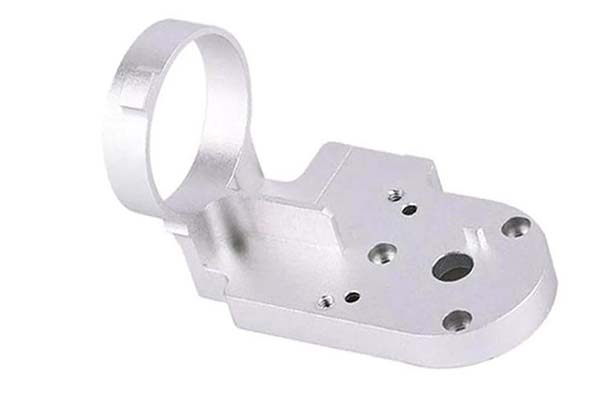
If you have ever driven a car, used a smartphone, or undergone a medical procedure, you have relied on precision metal stamping parts. These intricately designed components are created through a specialized process that uses precision-made dies to shape and cut metal sheets. The result is high-accuracy, repeatable parts produced cost-effectively in large quantities. This guide covers what these parts are, how they are manufactured, and why they are essential across industries.
What Are Precision Metal Stamping Parts?
Definition and Core Characteristics
Precision metal stamping parts are components produced by transforming flat metal sheets into complex shapes using dies and punches. The process achieves tight tolerances—often ±0.01 mm or tighter—with high repeatability.
Key characteristics include:
- High Accuracy: Parts meet exact specifications consistently.
- Repeatability: Thousands or millions of identical parts with minimal variation.
- Complex Geometries: Intricate shapes, including curves, holes, and multi-level features.
- Material Efficiency: Minimal waste compared to machining.
These parts are the building blocks of modern manufacturing, found in everything from automotive engines to medical implants.
Why They Matter Across Industries
Precision metal stamping parts enable innovation and efficiency in multiple sectors.
| Industry | Why They Matter |
|---|---|
| Automotive | Ensure reliability and performance of engines, transmissions, and safety systems |
| Electronics | Enable miniaturization while maintaining functionality |
| Aerospace | Provide critical components where safety and precision are paramount |
| Medical | Deliver reliable, precise components for life-saving devices |
How Are Precision Metal Stamping Parts Manufactured?
Material Selection and Preparation
The process begins with choosing the right material. Common options include:
| Material | Key Properties | Typical Applications |
|---|---|---|
| Steel | High strength, durable | Automotive brackets, structural parts |
| Aluminum | Lightweight, corrosion-resistant | Electronics enclosures, heat sinks |
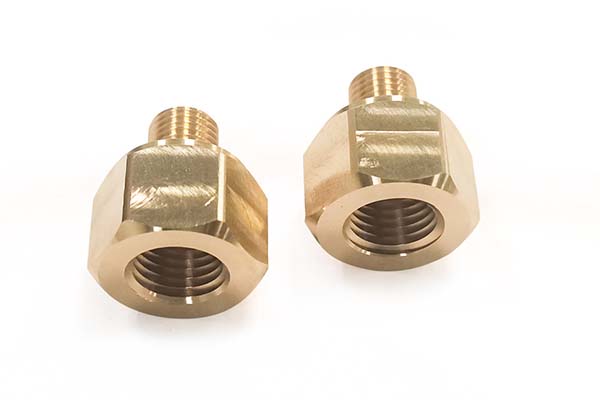
| Brass | Good conductivity, aesthetic | Decorative parts, electrical terminals |
| Stainless Steel | Corrosion-resistant, strong | Medical devices, food equipment |
| Specialty Alloys | Titanium, Inconel, phosphor bronze | Aerospace, high-strength applications |
Once selected, the metal is cut into sheets of the desired thickness. Sheets are cleaned and surface-treated to remove impurities and ensure uniformity—critical for achieving high-quality stamped parts.
Die Design and Fabrication
The accuracy of stamped parts hinges on the dies. Dies are custom-made tools that define the shape and dimensions of the final part.
- Design: Engineers use CAD (Computer-Aided Design) software to create detailed blueprints. Simulations test the die design before manufacturing, identifying potential issues like material thinning or springback.
- Fabrication: Dies are crafted from high-strength steel or carbide to withstand repeated forces. Advanced machining techniques—milling, grinding, and electrical discharge machining (EDM) —produce dies with high precision.
The quality of the die directly impacts the accuracy and consistency of every stamped part.
Stamping Machinery and Equipment
The actual stamping takes place on stamping presses. These machines apply controlled force to the metal sheet, causing it to conform to the die shape.
| Press Type | Key Feature | Best For |
|---|---|---|
| Mechanical Press | High speed | High-volume production |
| Hydraulic Press | Consistent force | Deep drawing, complex shapes |
| Servo Press | Programmable speed and force | Precision, flexible operations |
Modern presses are equipped with automation and control systems that ensure precise positioning, force application, and cycle times. This automation increases productivity and enhances consistency.
Stamping Operations
Different operations shape the metal into final parts.
- Blanking: Cuts the basic shape from the metal sheet.
- Piercing: Creates holes or openings.
- Bending: Forms angles and curves.
- Drawing: Creates deep, recessed shapes like cups or enclosures.
- Forming: Shapes the metal without changing thickness significantly.
- Coining: Compresses the metal to create flat surfaces or embossed features.
Complex parts often combine multiple operations in a progressive die, where a single strip of metal moves through a series of stations, each performing a different operation.
What Types of Precision Metal Stamping Parts Exist?
Flat and Simple Parts
These are the most common stamped components. They include:
- Washers: Simple flat rings for fastening.
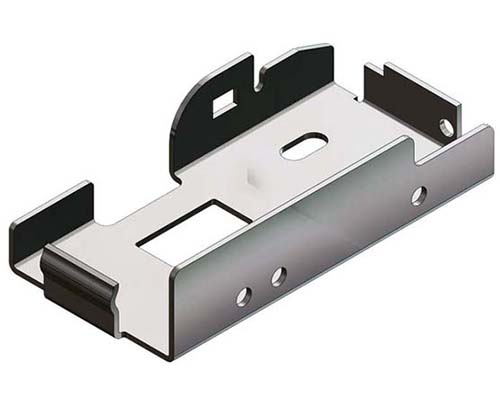
- Brackets: L-shaped or U-shaped supports.
- Simple Connectors: Basic electrical terminals.
These parts are typically produced using blanking and piercing operations. They are characterized by straightforward geometry and are used where basic structural support or functionality is required.
Complex and Three-Dimensional Parts
These parts require multiple stamping operations to achieve intricate shapes. Examples include:
- Automotive Body Panels: Doors, hoods, fenders
- Fuel Tanks: Deep-drawn enclosures
- Electronic Enclosures: Housings for devices
Production demands highly precise dies and sophisticated machinery to ensure the metal forms correctly without tearing or deforming excessively.
Miniature and Micro Parts
These components are designed for small-scale applications where space is limited. Examples include:
- Micro-Electromechanical Systems (MEMS) Components
- Micro-Surgical Instruments
- Miniature Electronic Connectors
Production requires specialized tooling and techniques like micro-stamping and laser cutting to achieve extremely tight tolerances.
Where Are Precision Metal Stamping Parts Used?
Automotive Components
The automotive industry is a major consumer of stamped parts. Applications include:
- Engine Parts: Brackets, pistons, connecting rods
- Transmission Components: Gears, housings
- Body Panels: Doors, hoods, structural supports
- Safety Systems: Brake components, airbag housings
Precision stamping ensures each part meets stringent quality standards, contributing to vehicle performance, safety, and reliability.
Electronics and Appliances
Precision-stamped parts are integral to electronics. Examples include:
- Connectors and Switches: Reliable electrical connections
- Circuit Board Housings: Protect sensitive components
- Shielding: Block electromagnetic interference
The process provides the precision needed to produce these components reliably and efficiently, even at miniature scales.
Aerospace and Defense
Aerospace demands the highest levels of precision and reliability. Stamped parts include:
- Structural Components: Wing spars, fuselage frames
- Engine Parts: Turbine components, housings
- Avionics Housings: Enclosures for electronic systems
These parts must meet AS9100 standards and work with advanced materials like titanium and high-strength alloys.
Medical Devices and Equipment
In medical applications, accuracy directly impacts patient outcomes. Stamped parts include:
- Surgical Instruments: Scalpels, forceps, clamps
- Implants: Orthopedic and dental components
- Pacemaker Components: Delicate, life-critical parts
Precision stamping meets ISO 13485 standards and produces components with the reliability medical applications demand.
What Does the Future Hold?
Emerging Technologies and Innovations
The future of precision metal stamping is shaped by advances in materials, tooling, and automation.
- New High-Strength Materials: Enable lighter, stronger components.
- Advanced Die-Making: Additive manufacturing and improved EDM produce more complex dies.
- Artificial Intelligence: AI optimizes press settings, predicts tool wear, and enhances quality control.
- Industry 4.0: Connected presses and real-time monitoring improve process control and traceability.
Environmental and Sustainability Considerations
Manufacturers are increasingly adopting eco-friendly practices:
- Recycling Metal Waste: Scrap metal is collected and reused.
- Optimizing Energy Consumption: Efficient presses and processes reduce energy use.
- Using Sustainable Materials: Recycled metals and environmentally friendly lubricants.
These efforts reduce environmental impact while maintaining production efficiency.
Conclusion
Precision metal stamping parts are essential components produced by shaping metal sheets using custom dies and presses. The process involves careful material selection, precision die fabrication, and advanced stamping machinery. Parts range from simple washers to complex three-dimensional enclosures and miniature micro-components. Applications span automotive, electronics, aerospace, and medical industries—sectors that demand high accuracy, repeatability, and reliability. As technology advances, innovations in materials, tooling, and automation will continue to expand the capabilities and applications of precision metal stamping.
FAQ
What are the common materials used in precision metal stamping parts?
Common materials include steel, aluminum, brass, stainless steel, and specialty alloys like titanium and phosphor bronze. The choice depends on required strength, corrosion resistance, conductivity, and formability.
How does precision metal stamping ensure high accuracy and repeatability?
Accuracy comes from custom-designed dies that define the exact part geometry. Repeatability comes from advanced stamping machinery with precise force and positioning control. Automation and process monitoring maintain consistency across millions of parts.
What is the difference between progressive die stamping and transfer stamping?
Progressive die stamping uses a single strip of metal moving through multiple stations in one die. It is ideal for high-volume, small to medium-sized parts. Transfer stamping moves individual parts between separate dies using mechanical fingers, making it better for larger or more complex components.
Can precision metal stamping produce miniature parts?
Yes. Micro-stamping and laser cutting techniques produce miniature and micro parts with extremely tight tolerances. These are used in electronics, medical devices, and MEMS applications.
What tolerances can precision metal stamping achieve?
Precision metal stamping can achieve tolerances as tight as ±0.01 mm for critical dimensions. Typical tolerances range from ±0.05 mm to ±0.01 mm, depending on material thickness, part complexity, and the stamping operation.
Contact Yigu Technology for Custom Manufacturing
Precision metal stamping requires expertise in material selection, die design, and process control. At Yigu Technology, we specialize in custom stamping for automotive, aerospace, medical, electronics, and industrial clients. We work with a wide range of materials—from steel and aluminum to stainless steel and specialty alloys—and maintain tight tolerances to meet your specifications.
Our capabilities include progressive die stamping, micro-stamping, and secondary operations. We deliver consistent, high-quality components for applications that demand precision and reliability.
Contact Yigu Technology today to discuss your precision metal stamping project.