

Engineers and manufacturers in electronics, aerospace, and luxury goods face unique challenges. Electrical connectors degrade over time. Components corrode in harsh environments. Products fail to meet aesthetic standards for high-end markets. A tarnished connector might disrupt a critical communication system. A corroded sensor could compromise medical equipment. A dull finish might diminish the value of luxury jewelry. What you need is a solution that delivers exceptional conductivity, unbeatable corrosion resistance, and timeless beauty. This is where surface treatment gold plating excels. By depositing a thin layer of gold onto substrates, gold plating ensures reliable performance, longevity, and visual appeal—solving these critical pain points in one elegant process. In this guide, we will explore how gold plating transforms component functionality and aesthetics, its key types, processes, and how to leverage it for superior results.
Introduction
Gold plating is a precision surface treatment. It deposits gold onto substrates, blending functional performance with aesthetic elegance.
Definition: Gold plating is an electrochemical or chemical process. It applies a thin layer of gold—typically 0.1–25 μm—to a substrate. Substrates can be metals like copper or nickel, or non-metals like plastic with a conductive coating. The gold layer enhances conductivity, resists corrosion, and adds a luxurious finish.
Basic principles: In electrolytic gold plating, the substrate acts as a cathode. A gold anode sits in a gold-containing electrolyte—cyanide-based or cyanide-free. When electric current flows, gold ions migrate to the cathode and deposit as metallic gold. Electroless gold plating uses chemical reducing agents to deposit gold without electricity. This ensures uniform coverage on complex shapes.
Industrial significance: Gold plating is essential in:
- Electronics: Ensuring reliable conductivity in connectors
- Aerospace: Withstanding extreme environments
- Jewelry: Adding value and beauty
While more expensive than other platings, its unique combination of properties makes it irreplaceable in critical applications.
Environmental considerations: Traditional gold plating uses cyanide electrolytes, which require strict handling. Modern processes increasingly use cyanide-free solutions like sulfite-based electrolytes to reduce toxicity. Wastewater is treated to recover gold, with recycling rates exceeding 90% in efficient facilities, minimizing environmental impact.
How Does Gold Plating Compare to Other Surface Treatments?
Different plating and coating methods offer varying levels of conductivity, corrosion resistance, and cost. The table below shows how gold plating stacks up:
| Feature | Gold Plating | Silver Plating | Nickel Plating |
|---|---|---|---|
| Conductivity (MS/m) | 45.2 | 63.0 | 14.3 |
| Corrosion Resistance | Excellent | Poor (tarnishes) | Good |
| Hardness (HV) | 20–300 (varies) | 60–150 | 150–600 |
| Cost per Unit | Very High | Moderate | Low |
| Contact Resistance | Very Low | Low (degrades) | Moderate |
| Aesthetic Appeal | High (warm gold) | High (bright white) | Moderate (silver-gray) |
A real-world example: a telecommunications equipment manufacturer faced intermittent failures in outdoor connectors. Silver plating tarnished within 6 months in coastal environments. Nickel plating lacked the conductivity required for high-frequency signals. Switching to hard gold plating with a nickel underlayer eliminated failures entirely. Connectors maintained stable performance for 10+ years with no degradation.
What Are the Main Types of Gold Plating?
Gold plating offers specialized variants to meet diverse functional and aesthetic needs.
Electrolytic Gold Plating
This is the most common type. It uses an electric current to deposit gold. It allows precise control over thickness from 0.1–25 μm. Applications include electronics, aerospace, and jewelry. Cyanide-based electrolytes deliver bright finishes. Cyanide-free options suit environmentally sensitive applications.
Electroless Gold Plating
This deposits gold via chemical reactions. It ensures uniform coverage on non-conductive surfaces and intricate geometries like printed circuit boards with fine features. It is ideal for components where electricity cannot reach, such as blind vias in PCBs.
Hard Gold Plating
This is alloyed with nickel, cobalt, or iron—5–10% by weight. Hardness reaches 150–300 HV, compared to 20–30 HV for pure gold. It is used in high-wear applications like switch contacts and connectors. Hard gold withstands 100,000+ mating cycles without degradation.
Soft Gold Plating
This is nearly pure gold—99.9%+—with high ductility and conductivity. It is used in electronics where low contact resistance is critical, such as semiconductor packaging and wire bonding. Its malleability ensures good contact even with surface irregularities.
Decorative Gold Plating
This is applied to jewelry, watches, and luxury goods. Thickness ranges from 0.5–5 μm. It is often layered over nickel or copper for cost-effectiveness. It provides a bright, yellow finish that retains its luster over time.
Flash Gold Plating
This is a thin layer—0.1–0.5 μm—applied for appearance or to protect underlying metals from tarnishing. It is used in costume jewelry and decorative hardware, balancing cost and aesthetics.
Gold Alloy Plating
This combines gold with other metals to tailor properties. Gold-silver alloys offer a paler hue. Gold-copper alloys provide a reddish tint. These are used in jewelry to match specific design preferences.
What Properties Make Gold-Plated Surfaces Valuable?
The properties of gold-plated surfaces make the process unmatched in critical applications.
High Conductivity
Gold is one of the best electrical conductors at 45.2 MS/m. It ensures minimal signal loss in electronics. Even thin layers—0.1 μm—maintain conductivity. This makes gold ideal for high-frequency connectors and PCBs.
Corrosion Resistance
Gold is chemically inert. It resists oxidation, tarnish, and attack from acids, alkalis, and saltwater. Gold-plated components withstand 10,000+ hours of salt spray testing (ASTM B117) without degradation.
Wear Resistance
Hard gold plating—alloyed with nickel or cobalt—resists abrasion. Wear rate is 5–10 times lower than soft gold. This makes it suitable for moving parts like switch contacts and aerospace connectors.
Aesthetic Appeal
Gold’s bright, warm luster is timeless. It enhances the value of jewelry, watches, and luxury goods. It retains its color indefinitely—unlike silver or copper, which tarnish over time.
Dimensional Accuracy
Gold plating controls thickness to ±5%. Layers can be as thin as 0.1 μm. This is ideal for precision components like semiconductor leads, where even minor dimensional changes affect performance.
Adhesion
Proper pre-treatment—such as a nickel underplate—ensures gold bonds strongly to substrates. Adhesion strengths reach 10–20 MPa. Tape tests (ASTM D3359) confirm no peeling or flaking.
Chemical Inertness
Gold does not react with oxygen, sulfur, or most chemicals. Gold-plated medical devices remain safe for sterilization. Gold-plated sensors stay reliable in harsh chemical environments.
Where Is Gold Plating Used?
Gold plating solves unique challenges across high-tech and luxury industries.
Electronics
Over 90% of high-performance connectors—USB-C, aerospace avionics—use gold plating to ensure reliable conductivity. Soft gold coats semiconductor wafers and wire bonds. Hard gold protects switch contacts in smartphones and computers.
Case example: A medical device manufacturer needed reliable connections for implantable sensors. Gold-plated contacts maintained stable signal integrity for 15+ years in simulated body fluids. Silver and nickel alternatives failed corrosion tests within 6 months.
Jewelry
Gold plating transforms base metals like brass and silver into affordable luxury items. A 2.5 μm gold layer over nickel-copper alloy mimics solid gold appearance with better durability than pure gold.
Aerospace
Gold-plated sensors, antennas, and electrical components withstand extreme temperatures—-200°C to 300°C—and radiation in space. Hard gold ensures connectors in jet engines remain reliable under vibration and heat.
Medical Devices
Surgical instruments and implants use gold plating for corrosion resistance and biocompatibility. Gold-coated pacemaker leads prevent tissue rejection and ensure reliable electrical signals.
Telecommunications
Gold-plated antennas and fiber optic connectors minimize signal loss. This is critical for 5G networks and high-speed data transmission.
Optics
Gold-plated mirrors and reflectors in lasers and telescopes have high reflectivity—95%+ for infrared light. This makes them essential for scientific and military applications.
What Equipment and Processes Are Involved?
The gold plating process requires precision to ensure consistent quality and performance.
Pre-Treatment Processes
Pre-treatment is critical for adhesion. Steps include:
- Cleaning: Removes oils and contaminants
- Activation: Acid etching for metals
- Underlayer application: A nickel or copper base improves gold bonding
For plastics, a conductive layer—carbon or copper—is applied first.
Electrolyte Solutions
- Cyanide-based: Traditional, offering bright finishes and good adhesion
- Cyanide-free: Sulfite or thiosulfate alternatives with lower toxicity and similar performance
Plating Tanks
Tanks are made of plastic—PVC or polypropylene—or titanium, which resists gold electrolytes. Sizes range from small benchtop units for jewelry to large systems for PCBs. Filtration systems remove impurities that can mar the finish.
Anodes
- Cyanide solutions: Use inert anodes like platinum-coated titanium, as gold ions come from the electrolyte
- Acid-based electrolytes: Use soluble gold anodes
Power Supplies
DC rectifiers deliver low current densities of 0.1–5 A/dm² for gold plating. Precise control avoids burning the coating. Pulse plating systems improve uniformity for complex shapes.
Agitation Systems
Mild stirring—air or mechanical—ensures uniform electrolyte distribution. This is critical for even plating on intricate parts like jewelry or PCB vias.
Post-Treatment Processes
Parts are:
- Rinsed thoroughly: To remove electrolyte
- Dried: With hot air or centrifugation
- Sealed: Clear lacquer for decorative applications to enhance durability
How Do You Ensure Quality and Maintain Equipment?
Rigorous maintenance and quality control ensure gold plating meets strict performance standards.
Equipment Maintenance
- Tanks: Cleaned weekly to remove sludge
- Anodes: Inspected for corrosion
- Filtration systems: Replaced regularly to prevent particle contamination
Solution Maintenance
Electrolyte concentration—gold ions, pH, additives—is tested daily. Gold levels are replenished to maintain plating rate and uniformity. This is critical for achieving consistent thickness.
Surface Inspection
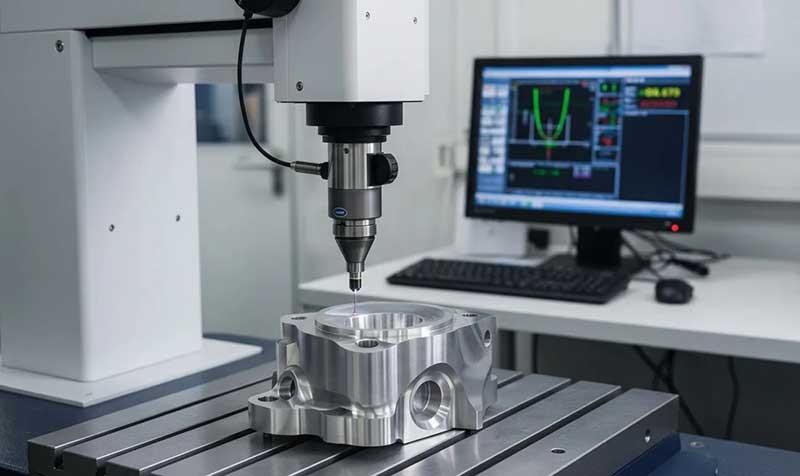
Visual checks identify defects like pits, discoloration, or uneven coverage. Microscopic examination (100–500x) detects porosity, which can compromise corrosion resistance in critical applications.
Thickness Measurement
X-ray fluorescence (XRF) is the standard method, with accuracy to ±0.01 μm. Typical requirements:
- Electronics: 0.5–2 μm
- Jewelry: 1–5 μm
Adhesion Testing
The bend test (ASTM B571) or thermal shock test ensures gold bonds well to the substrate. No flaking indicates good adhesion, essential for long-term performance.
Environmental Compliance
- Cyanide waste: Neutralized
- Gold: Recovered via electrolysis or chemical precipitation
- Regulations: Facilities comply with the EPA's Resource Conservation and Recovery Act (RCRA) for hazardous waste handling
Safety Protocols
Workers use PPE—gloves, goggles, respirators—when handling cyanide solutions. Ventilation systems remove fumes. Emergency kits with cyanide antidotes are on-site for rapid response.
Yigu Technology’s Perspective
As a leading custom manufacturing supplier in China, Yigu Technology specializes in gold plating for electronics, aerospace, and precision components.
Our electrolytic gold plating achieves ±0.05 μm thickness control, critical for high-frequency connectors. We offer both cyanide and cyanide-free processes:
- Hard gold: Alloyed with cobalt for wear-resistant applications
- Soft gold: For maximum conductivity in semiconductor applications
Our quality control includes:
- XRF thickness testing
- Salt spray validation
- Adhesion testing
We ensure compliance with IPC and aerospace standards. Gold plating's unique blend of properties justifies its cost in critical applications. We work with clients to balance performance, cost, and environmental responsibility—delivering reliable, high-quality coatings every time.
Conclusion
Gold plating delivers a unique combination of properties that no other surface treatment can match: exceptional electrical conductivity, outstanding corrosion resistance, and timeless aesthetic appeal. It solves critical challenges in electronics where connector reliability is paramount, in aerospace where components must survive extreme environments, and in medical devices where biocompatibility is non-negotiable. With hard gold variants that withstand 100,000+ mating cycles, soft gold that enables precise wire bonding, and decorative finishes that elevate luxury goods, gold plating serves irreplaceable roles across industries. While more costly than alternatives, its long-term reliability, minimal maintenance, and ability to prevent failures make it a cost-effective choice for high-performance applications. For manufacturers seeking the highest standards of performance and quality, gold plating remains the ultimate surface treatment.
FAQs
How long does gold plating last?
Lifespan depends on thickness and use. Decorative gold—1–5 μm—on jewelry lasts 5–10 years with proper care. Hard gold—2–5 μm—on electronics lasts 10+ years. Thick gold—10+ μm—on aerospace parts can last decades in harsh environments.
Is gold plating hypoallergenic?
Pure gold is hypoallergenic. However, many gold platings use a nickel underlayer, which can cause allergic reactions in sensitive individuals. For hypoallergenic applications, choose nickel-free underlayers like palladium. This is common in medical devices and hypoallergenic jewelry.
Can gold plating be applied to non-metal surfaces?
Yes. Plastics, ceramics, and glass can be gold-plated by first applying a conductive layer—sputtered metal or electroless copper. This is used in decorative items, optical components, and non-conductive electronics housings.
What is the difference between hard gold and soft gold plating?
Hard gold is alloyed with nickel, cobalt, or iron—5–10%. It has higher hardness (150–300 HV) and better wear resistance, suitable for connectors and switch contacts. Soft gold is nearly pure—99.9%+—with high ductility and conductivity, used for wire bonding and semiconductor packaging where low contact resistance is critical.
How do you prevent gold plating from wearing off?
Proper underlayer selection is key. A nickel underplate provides a hard base that supports the gold layer. Adequate thickness—2–5 μm for wear applications—and good adhesion through proper pre-treatment ensure longevity. For high-wear applications, hard gold alloyed with cobalt or nickel significantly improves durability.
Contact Yigu Technology for Custom Manufacturing
Looking to enhance the conductivity, corrosion resistance, or luxury appeal of your components with gold plating? Yigu Technology specializes in custom gold plating solutions tailored to your industry—whether electronics, aerospace, medical devices, or luxury goods. Our precise thickness control, hard and soft gold options, and rigorous quality testing ensure consistent, high-performance results that meet the most demanding specifications. Contact us today to discuss your project requirements and receive a customized manufacturing proposal.


