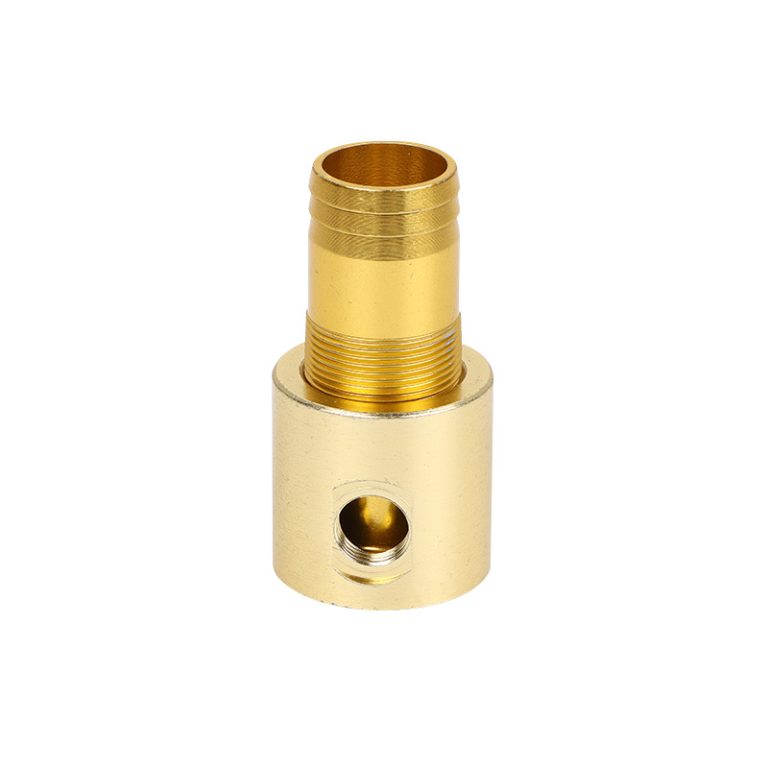
Discover how this advanced coating technology creates ultra-thin, durable films that enhance hardness, corrosion resistance, and functionality.
Introduction
Modern industries demand more from material surfaces than ever before. A cutting tool might wear out quickly under high-speed machining. A medical implant could corrode in the body. A smartphone screen might scratch easily with daily use.
Traditional coatings like paint or electroplating often fall short. They lack durability. They cannot achieve precise thicknesses. They may contain harmful chemicals.
What is needed is a process that can deposit ultra-thin, high-performance coatings with exceptional adhesion and uniformity. This is where surface treatment vacuum deposition excels. By depositing materials in a vacuum environment, it creates coatings that enhance hardness, corrosion resistance, and functionality.
In this guide, you will learn how vacuum deposition works, what types exist, and how to leverage it for superior surface performance.
What Is Vacuum Deposition?
Vacuum deposition refers to techniques that deposit thin layers—from 10 nanometers to 10 micrometers—of materials onto substrates in a vacuum chamber. The absence of air prevents contamination. This ensures pure, uniform coatings that bond tightly to the surface.
The process works by converting a solid or liquid material into vapor. This happens through heat, plasma, or sputtering. The vapor then condenses onto the substrate. The vacuum—10⁻³ to 10⁻⁹ Torr—ensures vapor particles travel unimpeded, depositing evenly even on complex shapes.
How Does It Compare to Other Coating Methods?
Vacuum deposition offers unmatched precision compared to traditional coatings. The table below shows the key differences:
| Feature | Vacuum Deposition | Electroplating | Paint |
|---|---|---|---|
| Coating Thickness | 10 nm - 10 μm (controllable) | 1-20 μm (variable) | 20-100 μm (thick) |
| Hardness | 1,000-3,000 HV (ceramic) | 100-500 HV (metal) | 20-80 HV |
| Corrosion Resistance | Excellent (ceramic films) | Good (metal layers) | Poor (prone to chipping) |
| Environmental Impact | Low (minimal waste) | High (heavy metals) | Moderate (solvents) |
This comparison shows why vacuum deposition is the preferred choice for high-performance applications where precision and durability are critical.
What Are the Main Types of Vacuum Deposition?
Vacuum deposition techniques vary by how vapor is generated. Each is suited to specific materials and applications.
Physical Vapor Deposition (PVD)
PVD uses physical processes to create vapor. Three main subtypes exist:
| Technique | Process | Best For |
|---|---|---|
| Sputtering | Plasma ions bombard a target, ejecting atoms | Metals (aluminum), ceramics (titanium nitride) |
| Evaporation | Heat vaporizes material | Metals (gold, silver) for optics and jewelry |
| Ion Plating | Evaporation with ion bombardment | Cutting tools, aerospace components |
Chemical Vapor Deposition (CVD)
CVD uses chemical reactions to form vapor in the chamber. Subtypes include:
- Thermal CVD: Heat drives reactions. Used for silicon films in semiconductors.
- Plasma-Enhanced CVD (PECVD): Plasma lowers reaction temperature. Enables deposition on heat-sensitive materials like polymers and electronics.
Atomic Layer Deposition (ALD)
ALD precisely controls monolayer deposition—0.1 nm per cycle. It is critical for nanotechnology and advanced semiconductor manufacturing.
Magnetron Sputtering
This uses magnetic fields to trap plasma near the target. It increases deposition rate by 2 to 5 times. It is the most common PVD method for industrial coatings like decorative chrome on automotive trim.
Hybrid Processes
These combine PVD and CVD for enhanced properties. Plasma-Assisted CVD (PACVD) creates diamond-like carbon (DLC) coatings. These offer both hardness—2,000 HV—and low friction. They are ideal for medical implants and engine parts.
What Properties Can You Expect?
Vacuum deposited surfaces offer properties tailored to extreme performance requirements.
High Hardness
Ceramic coatings like titanium nitride and chromium nitride achieve 1,500 to 3,000 HV. This is 5 to 10 times harder than uncoated steel. Cutting tools last 3 to 10 times longer under heavy use.
Corrosion Resistance
Aluminum oxide (Al₂O₃) and silicon nitride (Si₃N₄) films protect against acids, saltwater, and oxidation. PVD-coated marine parts withstand 5,000+ hours of salt spray testing (ASTM B117).
Wear Resistance
Diamond-like carbon (DLC) coatings reduce friction—coefficient 0.05 to 0.1—and wear. They extend the life of gears and bearings by 5 to 20 times in industrial machinery.
Aesthetic Appeal
PVD coatings create durable decorative finishes:
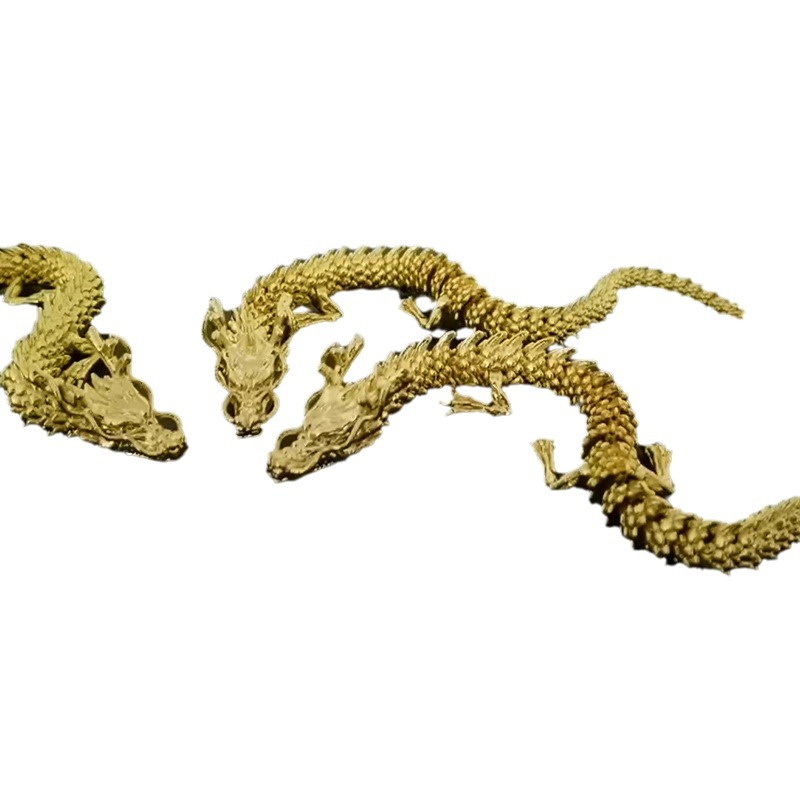
- Gold: Titanium nitride
- Black: Chromium nitride
- Bronze: Zirconium nitride
These finishes resist tarnishing and scratching. They are used in jewelry, watches, and automotive trim.
Dimensional Accuracy
Coatings as thin as 10 nm preserve tight tolerances of ±0.001 mm. This is critical for precision parts like semiconductor wafers and medical instruments.
Adhesion
Ion bombardment during deposition creates strong bonds. Pull tests show adhesion strengths of 10 to 50 N/cm². Coatings do not peel even under thermal or mechanical stress.
Thermal Resistance
Ceramic coatings like hafnium carbide withstand temperatures up to 3,000°C. They protect rocket nozzles and turbine blades in extreme environments.
Where Is Vacuum Deposition Used?
Vacuum deposition enables innovation across high-tech industries.
Semiconductors
CVD deposits ultra-thin dielectric and conductive films—1 to 100 nm—on wafers. These form the layers of integrated circuits. ALD ensures atomic-level precision for 5 nm and smaller chips.
Cutting Tools
PVD coatings like titanium aluminum nitride (TiAlN) on drills and end mills reduce friction and heat. They allow faster cutting speeds. Tool life increases by 3 to 10 times.
Medical Devices
DLC coatings on surgical tools reduce tissue adhesion. PVD titanium coatings on implants like hip joints and stents improve biocompatibility. They prevent corrosion in the body.
Optics
Evaporated coatings on lenses and mirrors create anti-reflective, reflective, or filter properties. Telescope mirrors use aluminum evaporation for 90%+ reflectivity.
Aerospace
CVD ceramic coatings protect turbine blades from high temperatures. PVD chromium coatings on landing gear resist corrosion and wear in harsh environments.
Consumer Electronics
PVD coatings on smartphone frames add scratch resistance and premium finishes. DLC on screens reduces glare and fingerprints.
Jewelry
PVD gold and platinum coatings on stainless steel or titanium create affordable, durable alternatives to solid precious metals. They resist tarnishing and are hypoallergenic.
A Real-World Case Study
A medical device manufacturer faced implant rejection issues. Titanium hip joints showed signs of corrosion after 3 to 5 years in patients. Microscopic analysis revealed surface irregularities that allowed bodily fluids to penetrate.
The solution was to apply a PVD titanium nitride coating on the implant surfaces. Key parameters included:
- 3 μm coating thickness with ±0.1 μm uniformity
- Ion bombardment pre-treatment for enhanced adhesion
- 250°C substrate temperature during deposition
The results were significant. Corrosion resistance improved by 500% in accelerated testing. Biocompatibility tests (ISO 10993) showed no adverse reactions. The manufacturer now coats all implants with PVD titanium, extending projected implant life to 20+ years.
This example shows how vacuum deposition directly impacts product safety and longevity.
What Equipment Is Needed?
Vacuum deposition requires specialized equipment for precision and control.
Vacuum Chambers
Stainless steel or aluminum chambers range from 0.1 to 5 m³. They include viewports and ports for pumps, sources, and gas lines. They are sealed to maintain vacuum from 10⁻³ to 10⁻⁹ Torr.
Deposition Sources
- Sputtering targets: Solid disks of titanium, chromium, or other materials mounted in cathodes
- Evaporation sources: Crucibles for resistance heating or electron beam guns for high-melting materials
- CVD reactors: Inject gas precursors like silane or titanium tetrachloride
Pumping Systems
- Roughing pumps: Rotary vane pumps reach 10⁻³ Torr
- High-vacuum pumps: Turbomolecular or ion pumps reach 10⁻⁷ to 10⁻⁹ Torr
Gas Supply Systems
These deliver inert gases like argon for sputtering or reactive gases like nitrogen and oxygen to form compounds like TiN and Al₂O₃. Flow rates are controlled at 10 to 100 sccm (standard cubic centimeters per minute).
Substrate Holders
Rotating fixtures—1 to 10 RPM—ensure uniform coating on complex shapes. Heaters range from room temperature to 1,000°C to improve adhesion and crystallinity.
Pre-treatment
Substrates are cleaned via plasma etching to remove contaminants. Ion bombardment roughens the surface for better adhesion. This step is critical for coating quality.
How Do You Ensure Quality?
Quality control and maintenance are essential for consistent, high-performance coatings.
Thickness Measurement
Ellipsometry and X-ray fluorescence (XRF) verify thickness to ±1% of target. For semiconductors, 1 nm variation can affect device performance.
Adhesion Testing
The scratch test (ASTM C1624) uses a diamond stylus to measure the load at which coating fails. Acceptance criteria vary by application. Cutting tools require >30 N critical load.
Surface Inspection
Optical microscopy at 50 to 1,000x checks for pinholes, voids, or uneven coverage. For semiconductors, defect density must be <1 per cm².
Equipment Maintenance
Vacuum pumps are serviced monthly—oil changes, filter replacement—to maintain pressure. Targets are replaced when worn, typically after 50 to 100 runs, to ensure uniform deposition.
Process Parameters
Chamber pressure, gas flow, power, and substrate temperature are logged and controlled within ±2% of setpoints. Statistical Process Control (SPC) identifies drift before defects occur.
Quality Standards
Compliance with:
- ISO 14644: Cleanroom standards for semiconductors
- ASTM F1580: Medical coatings
- ISO 18553: PVD for tools
What Are the Environmental Benefits?
Vacuum deposition offers significant environmental advantages over traditional coating methods.
Unlike electroplating, vacuum deposition uses minimal chemicals and generates little waste. Many processes use inert gases like argon and recyclable target materials like titanium and aluminum.
Modern systems are energy-efficient. Closed-loop vacuum pumps reduce emissions. The process complies with RoHS and REACH regulations.
For manufacturers seeking sustainable surface treatment options, vacuum deposition is a compelling choice.
Conclusion
Vacuum deposition delivers where other coating methods cannot. It creates coatings with exceptional hardness, corrosion resistance, and adhesion. It achieves precise thickness control down to the nanometer scale. And it does this with minimal environmental impact.
Whether you need cutting tools that last longer, medical implants that integrate with the body, or electronic components that perform reliably, vacuum deposition offers a proven solution. The investment is justified by extended product life and enhanced performance.
By understanding the types, properties, and quality requirements, you can make informed decisions that push the boundaries of what your products can achieve.
FAQs
How thick can vacuum deposition coatings be?
Most coatings range from 10 nm for semiconductor films to 10 μm for industrial tool coatings. Thicker coatings up to 50 μm are possible but may crack under stress. Atomic layer deposition (ALD) excels at ultra-thin, uniform films below 10 nm.
Are vacuum-deposited coatings biocompatible?
Yes. Titanium, zirconium, and diamond-like carbon (DLC) coatings are biocompatible. They are used in implants and surgical tools. They are tested to ISO 10993 standards to ensure no adverse biological reactions.
How long do vacuum-deposited coatings last?
In industrial tools, PVD coatings last 3 to 10 times longer than uncoated tools. Decorative coatings on jewelry or electronics resist wear for 5+ years with normal use. In harsh environments like aerospace, ceramic CVD coatings can last decades.
What is the difference between PVD and CVD?
PVD uses physical processes—sputtering, evaporation—to create vapor. It is line-of-sight, meaning complex geometries may have shadowing. CVD uses chemical reactions and can coat complex shapes uniformly. PVD typically runs at lower temperatures, making it suitable for heat-sensitive materials.
Can vacuum deposition be used on plastics?
Yes. Plasma-enhanced CVD (PECVD) operates at lower temperatures, allowing deposition on heat-sensitive materials like polymers. Pre-treatment with plasma etching improves adhesion. This is common for anti-scratch coatings on consumer electronics and automotive interior parts.
Contact Yigu Technology for Custom Manufacturing
At Yigu Technology, we offer advanced vacuum deposition services, including PVD (sputtering, evaporation) and CVD for automotive, medical, and electronics industries. Our systems achieve coating thicknesses from 50 nm to 5 μm with ±5% uniformity.
We specialize in TiN (gold), CrN (silver), and DLC coatings. Quality checks include ellipsometry and scratch testing. Our processes meet ISO 9001 and medical ISO 13485 standards, ensuring biocompatibility and durability.
We tailor coatings to client needs—from high-hardness tool coatings to decorative finishes—delivering precision and reliability at scale.
Ready to elevate your surface performance? Contact Yigu Technology today to discuss your vacuum deposition requirements.