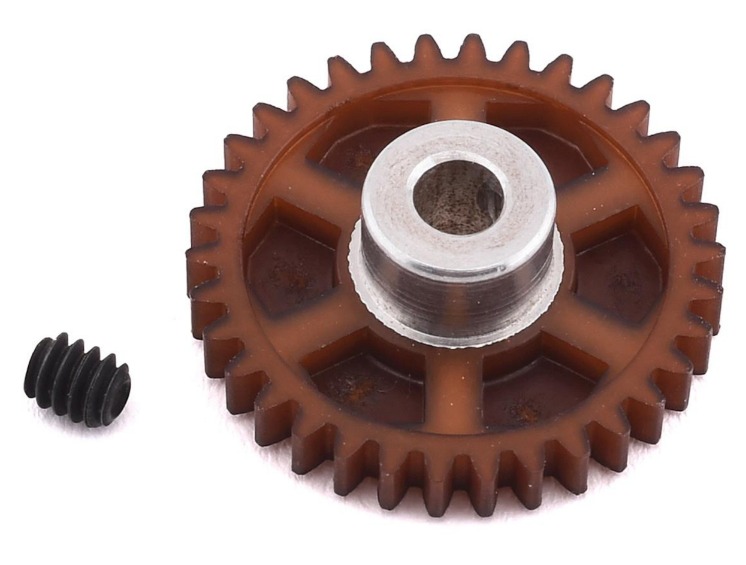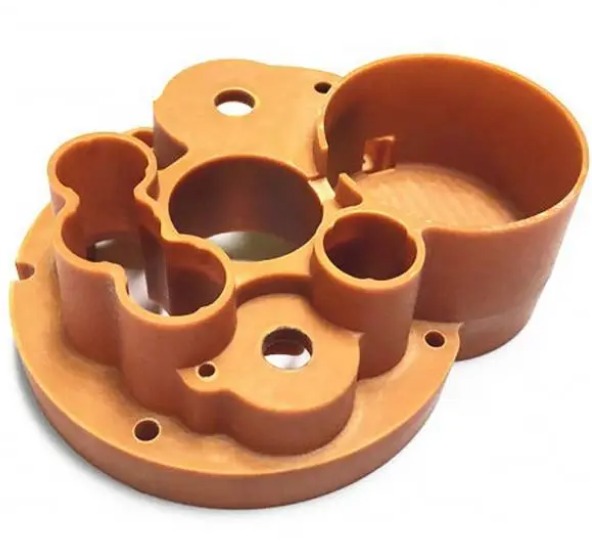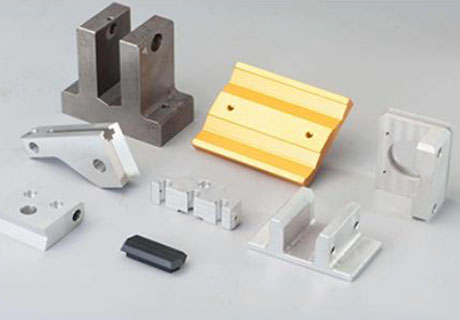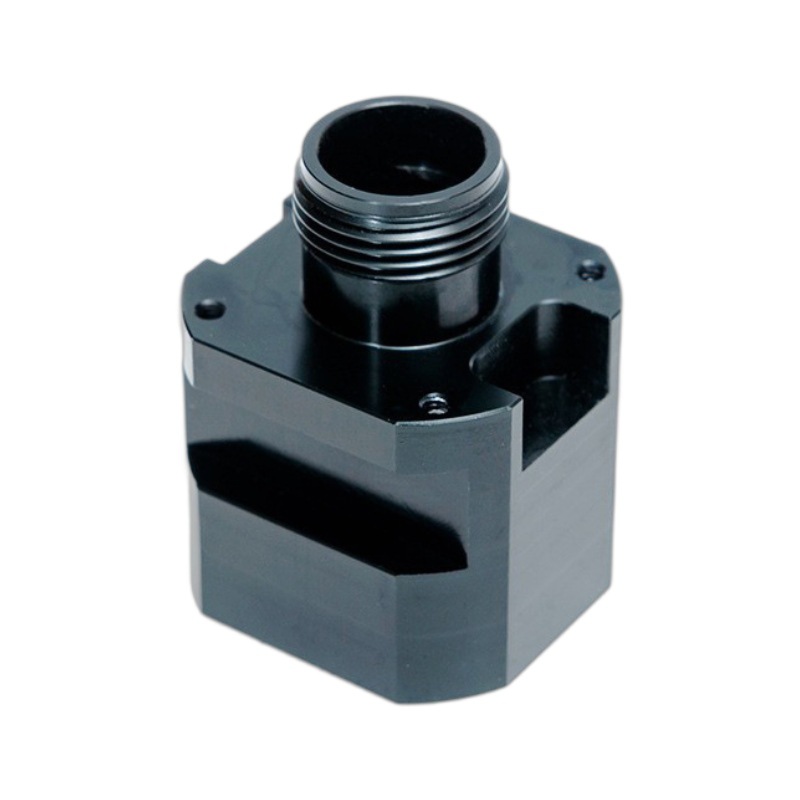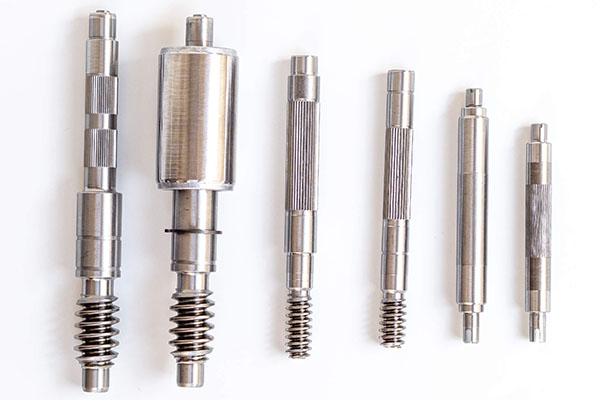
Discover how this chemical plating method delivers uniform, durable coatings on intricate parts that electroplating cannot reach.
Introduction
Manufacturers across industries struggle with a common challenge. They need to apply protective coatings to parts with intricate shapes, blind holes, or sharp edges. Traditional electroplating often fails here.
The problem lies in the electrical current. It leads to uneven thickness—thicker deposits on edges and thinner or no coverage in recesses. A gear with a keyway might corrode in the unplated crevice. A medical instrument's intricate joint could wear prematurely. An aerospace fastener's threads might lack sufficient protection.
What is needed is a plating method that delivers consistent thickness and performance, regardless of geometry. This is where surface treatment electroless nickel plating excels. By using a chemical reaction instead of electricity, it deposits uniform nickel layers on even the most complex parts.
In this guide, you will learn how electroless nickel plating works, what properties it offers, and how it solves critical manufacturing challenges.
What Is Electroless Nickel Plating?
Electroless nickel plating is an autocatalytic process. It deposits a nickel-phosphorus or nickel-boron alloy onto a substrate using a chemical reaction. No external power source is required.
The process is self-sustaining. Once the reaction starts, the deposited nickel acts as a catalyst to continue the reaction. This ensures continuous, uniform coating growth across all surfaces.
How Does It Compare to Electroplating?
Electroless nickel offers distinct advantages over traditional electroplating. The table below shows the key differences:
| Feature | Electroless Nickel Plating | Electroplating |
|---|---|---|
| Thickness Uniformity | Excellent (±5%) | Poor (edges 2-3x thicker) |
| Coverage of Complex Shapes | Complete (blind holes, threads) | Limited (current shadowing) |
| Hardness | 400-1000 HV (heat-treated) | 150-300 HV (as-plated) |
| Corrosion Resistance | High (5,000+ hours salt spray) | Moderate (1,000-3,000 hours) |
| Need for Electricity | None | Required |
This comparison shows why electroless nickel is the preferred choice for parts with complex geometries. It reaches where electroplating cannot.
What Steps Are Involved in the Process?
The electroless nickel plating process involves several critical steps. Each ensures adhesion, uniformity, and performance.
Pre-treatment
Proper cleaning is essential for adhesion. Steps include:
- Degreasing: Alkaline cleaners or solvents remove oils and dirt
- Acid pickling: Dilute acids remove oxides and rust
- Activation: A palladium chloride or nickel chloride solution initiates the plating reaction
- Conditioning: Adjusts surface chemistry for uniform nucleation
This pre-treatment is especially critical for non-catalytic substrates like aluminum or plastics.
Chemical Solutions
The plating bath consists of several components:
| Component | Concentration | Function |
|---|---|---|
| Nickel source (nickel sulfate/chloride) | 20-40 g/L | Provides nickel ions |
| Reducing agent (sodium hypophosphite) | 20-40 g/L | Donates electrons for reduction |
| Complexing agents (citric, lactic acid) | Varies | Stabilizes nickel ions |
| pH adjusters (ammonia, sodium hydroxide) | Varies | Maintains pH 4-6 |
| Stabilizers (lead acetate, thiourea) | Trace amounts | Prevents bath decomposition |
Autocatalytic Reaction
Once the pre-treated part is immersed, the reaction starts at active sites. As nickel deposits, it catalyzes further reaction. The coating spreads uniformly over the surface.
The reaction releases hydrogen gas. Agitation is needed to prevent pitting.
Deposition Process
The bath is maintained at 85 to 95°C for high-phosphorus coatings. This temperature accelerates the reaction.
Plating time controls thickness. Typical deposition rate is 10 to 15 μm per hour. Parts are suspended or rotated to ensure even exposure.
Post-treatment
After plating, parts undergo:
- Rinsing: Deionized water removes residual chemicals
- Drying: Ovens at 60 to 100°C remove moisture
- Heat treatment (optional): 200 to 400°C for 1 to 4 hours increases hardness and improves adhesion
What Properties Can You Expect?
Electroless nickel coatings are engineered to deliver exceptional performance.
Uniform Coating
Thickness varies by less than ±5% across complex shapes. This is critical for parts with threads, blind holes, or tight clearances like hydraulic valves with 0.01 mm tolerance. Uniform thickness eliminates the need for post-plating machining.
High Hardness
As-plated hardness ranges from 400 to 600 HV, depending on phosphorus content. Heat treatment increases this to 800 to 1,000 HV, rivaling tool steel. This hardness reduces wear in sliding components like piston rings and gears.
Corrosion Resistance
High-phosphorus coatings—those with more than 10% phosphorus—resist 5,000+ hours of salt spray testing (ASTM B117) without red rust. This outperforms most electroplated coatings. They protect against acids, alkalis, and saltwater.
Wear Resistance
Low friction coefficients of 0.15 to 0.3 and high hardness reduce abrasive and adhesive wear. Tests show electroless nickel-plated bearings last 3 to 5 times longer than uncoated ones in industrial machinery.
Adhesion
Proper pre-treatment ensures adhesion strengths exceeding 50 N/cm² (ASTM D3359). The coating does not flake under thermal cycling—engine parts heated to 300°C—or mechanical stress like bending metal sheets.
Dimensional Accuracy
Coatings from 5 to 50 μm thick can be applied to tight tolerances of ±1 μm. This preserves part functionality. It is critical for precision instruments and aerospace components where even minor thickness changes affect performance.
Thermal Resistance
Heat-treated coatings withstand temperatures up to 400°C without losing hardness. This makes them suitable for high-heat applications like exhaust components and industrial ovens.
Where Is Electroless Nickel Plating Used?
Electroless nickel plating solves performance challenges across diverse industries.
Aerospace
Landing gear components, hydraulic valves, and turbine parts use electroless nickel for corrosion resistance and uniform thickness. High-phosphorus coatings protect against salt spray and jet fuel. They extend maintenance intervals by 40%.
Automotive
Engine parts like camshafts and fuel injectors, transmission components, and brake hardware benefit from wear and corrosion resistance. Electroless nickel reduces friction in piston rings, improving fuel efficiency by 2 to 3%.
Medical Devices
Surgical instruments, orthopedic implants, and dental tools use electroless nickel for biocompatibility—meeting ISO 10993—and corrosion resistance. The smooth surface resists bacterial adhesion, enhancing safety.
Tooling
Molds for plastic injection, die casting dies, and cutting tools use electroless nickel to reduce wear and improve release properties. This extends tool life by 2 to 3 times and reduces downtime for reconditioning.
Marine Industry
Propellers, pumps, and underwater fasteners rely on high-phosphorus electroless nickel to resist saltwater corrosion. Coatings survive 10+ years in harsh marine environments with minimal maintenance.
Consumer Electronics
Connectors, heat sinks, and smartphone components use thin—5 to 10 μm—electroless nickel coatings for conductivity, corrosion resistance, and solderability. The uniform thickness ensures reliable electrical contact.
Industrial Equipment
Pumps, valves, and conveyor systems in chemical plants use electroless nickel to resist corrosive fluids. The low friction coating also reduces energy consumption in rotating equipment.
A Real-World Case Study
A hydraulic equipment manufacturer faced persistent failures. Valves with complex internal passages were corroding after 18 months in service. The cause was uneven electroplating. Recessed areas received little to no coating.
The switch to electroless nickel plating solved the problem. Key changes included:
- High-phosphorus coating (12% phosphorus)
- 15 μm uniform thickness across all surfaces
- Heat treatment to 350°C for 2 hours
The results were dramatic. Salt spray testing showed 5,000+ hours without corrosion—three times the previous standard. Field failures dropped by 90%. The valves now last 7+ years in service.
This example shows how electroless nickel plating can solve problems that other methods cannot.
What Equipment Is Needed?
Consistent electroless nickel plating requires specialized equipment.
Plating Tanks
Tanks are made from chemical-resistant materials like PVC, polypropylene, or titanium. They withstand acidic solutions and high temperatures of 85 to 95°C. Sizes range from 50L benchtop units to 10,000L industrial systems.
Chemical Solution Systems
Automated dosing pumps maintain nickel ion, reducing agent, and pH levels within ±2% of setpoints. Filtration systems—5 to 10 μm—remove particulates to prevent coating defects.
Pre-treatment Equipment
This includes degreasing tanks, pickling baths, and activation tanks. Ultrasonic cleaners at 20 to 40 kHz enhance cleaning of intricate parts.
Deposition Equipment
Agitation systems ensure uniform solution contact. Part racks or rotating fixtures hold components to prevent shadowing and ensure 360° exposure.
Post-treatment Equipment
Rinsing tanks, drying ovens, and heat treatment furnaces with nitrogen atmosphere for high-phosphorus coatings complete the process.
Safety Equipment
Acid-resistant gloves, face shields, and fume hoods protect operators. Emergency eyewash stations and neutralizing kits are mandatory.
How Do You Ensure Quality?
Quality control and maintenance are essential for consistent results.
Solution Maintenance
Bath chemistry is tested daily. Key parameters include:
- Nickel ion concentration: 20-40 g/L
- Reducing agent: 20-40 g/L
- pH: 4-6
- Temperature: 85-95°C ±1°C
Thickness Measurement
X-ray fluorescence (XRF) measures coating thickness with ±0.1 μm accuracy. Uniformity is verified across complex geometries.
Hardness Testing
Microhardness testers (Vickers) check as-plated and heat-treated hardness. Targets vary by phosphorus content and application.
Corrosion Testing
Salt spray chambers (ASTM B117) evaluate corrosion resistance. High-phosphorus coatings must achieve 5,000+ hours without red rust.
Adhesion Testing
The cross-cut test (ASTM D3359) verifies bond strength. No flaking is required.
How Does Phosphorus Content Affect Properties?
Phosphorus content determines coating characteristics. Choosing the right level is critical.
| Phosphorus Content | Hardness (As-Plated) | Hardness (Heat-Treated) | Corrosion Resistance | Best Applications |
|---|---|---|---|---|
| Low (2-5%) | 500-600 HV | 900-1000 HV | Moderate | Tooling, wear applications |
| Medium (5-10%) | 400-500 HV | 800-900 HV | Good | General industrial |
| High (10-15%) | 350-450 HV | 700-800 HV | Excellent | Marine, chemical, aerospace |
Low-phosphorus coatings are harder and more wear-resistant. High-phosphorus coatings offer superior corrosion resistance. Medium-phosphorus balances both properties.
Conclusion
Electroless nickel plating delivers where electroplating cannot. It provides uniform thickness on complex geometries. It reaches blind holes, threads, and recesses that electricity cannot touch. It offers hardness and corrosion resistance that extend component life by years.
Whether you manufacture hydraulic valves, medical instruments, or aerospace components, electroless nickel plating offers a reliable solution. The upfront investment is offset by longer service life and fewer failures.
By understanding the process, properties, and quality requirements, you can make informed decisions that protect your most critical components.
FAQs
What materials can be plated with electroless nickel?
Electroless nickel plating works on most metals—steel, aluminum, copper, brass—and some non-metals like plastics and ceramics after activation. Aluminum requires a zincating pre-treatment to ensure adhesion. Plastics need etching and palladium activation.
How does phosphorus content affect coating properties?
Low-phosphorus coatings (2-5%) are harder and more wear-resistant. They are ideal for tooling. High-phosphorus coatings (>10%) offer superior corrosion resistance. They are used in marine and chemical applications. Medium-phosphorus coatings (5-10%) balance both properties for general use.
Is electroless nickel plating suitable for food contact applications?
Yes. Electroless nickel coatings with less than 0.01% lead and cadmium meet FDA regulations (21 CFR 175.300) for food contact. They are used on food processing equipment for corrosion resistance and easy cleaning.
What is the typical thickness range for electroless nickel?
Typical thickness ranges from 5 to 50 μm. Uniformity is maintained within ±5% across all surfaces. For precision parts, thickness can be controlled to ±1 μm.
Can electroless nickel be heat treated after plating?
Yes. Heat treatment at 200 to 400°C for 1 to 4 hours increases hardness significantly. Low-phosphorus coatings can reach 900 to 1,000 HV. Heat treatment also improves adhesion through diffusion bonding.
Contact Yigu Technology for Custom Manufacturing
At Yigu Technology, we offer electroless nickel plating services for aerospace, automotive, and medical industries. Our capabilities include low (2-5%), medium (5-10%), and high (10-15%) phosphorus coatings. Thickness ranges from 5 to 50 μm with ±5% uniformity.
We use automated systems with real-time bath monitoring and ultrasonic pre-treatment for complex parts. Our quality lab tests for thickness, hardness, and corrosion resistance. We comply with ISO 9001, AS9100, and ISO 13485.
Whether plating gears, surgical tools, or marine hardware, we deliver durable, uniform coatings tailored to client needs—on time and cost-effectively.
Ready to protect your complex components? Contact Yigu Technology today to discuss your electroless nickel plating requirements.