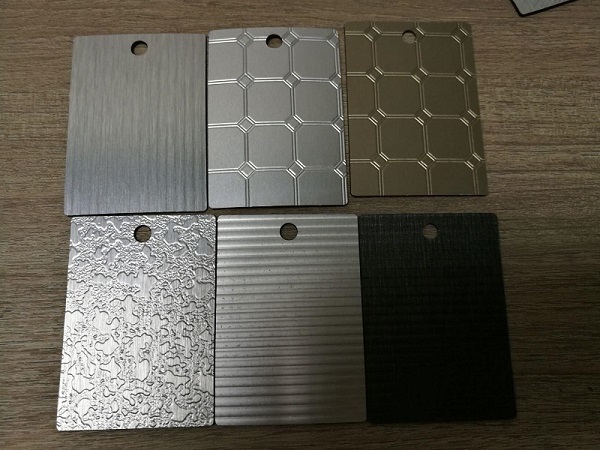
Introduction
You need a part. But it doesn’t exist on any shelf. Maybe it’s a specialized machine component for your factory. Maybe it’s a unique metal frame for a construction project. Or maybe it’s a custom enclosure for sensitive industrial equipment.
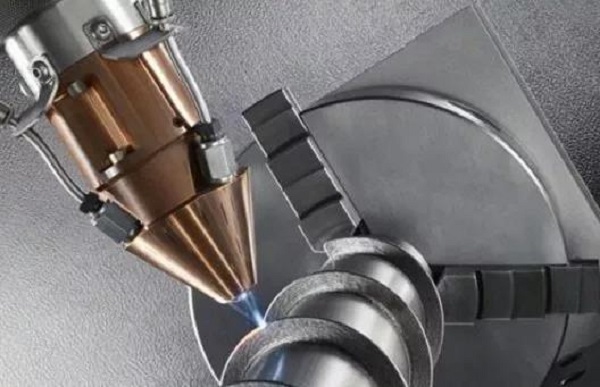
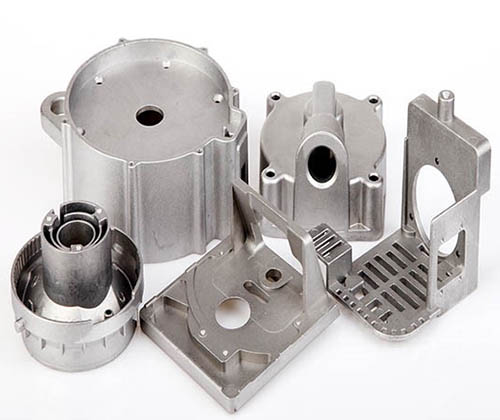
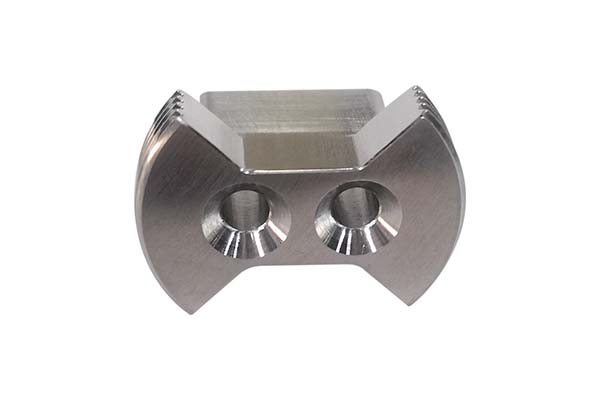
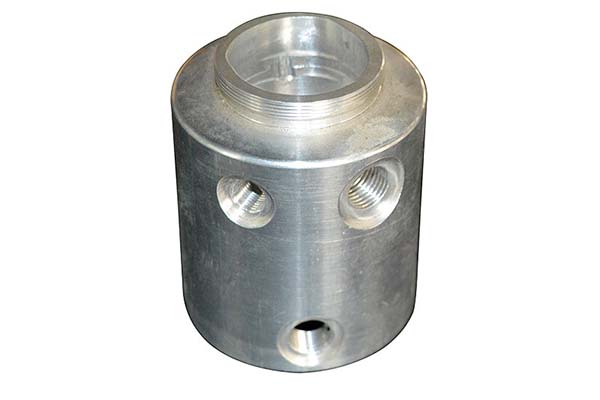
This is where custom fabrication services come in. These services involve designing, cutting, shaping, assembling, and finishing materials—metal, plastic, wood—to create products built exactly to your specifications.
Unlike mass-produced items, custom fabrication starts with your unique needs: size, function, durability, even appearance. For businesses, this means no more forcing standard parts into applications they don’t fit. No more wasted time modifying off-the-shelf products. You get a precise fit from day one.
What Materials Are Used in Custom Fabrication?
The best fabricators work with a range of materials. Your choice depends on strength, weight, corrosion resistance, temperature tolerance, and cost.
| Material | Key Properties | Typical Applications | Real-World Example |
|---|---|---|---|
| Carbon Steel | High strength, affordable, easy to weld | Structural frames, machinery bases, shipping containers | A manufacturing plant needed a 12-foot machine base to support a heavy conveyor system. Carbon steel handled the 5,000+ lb load. |
| Stainless Steel | Corrosion-resistant, hygienic, durable | Food processing equipment, medical tools, outdoor structures | A restaurant chain required custom prep tables that withstand daily chemical cleaning. 304 stainless steel prevented rust and met health codes. |
| Aluminum | Lightweight, corrosion-resistant, malleable | Aerospace components, automotive parts, signage | An aerospace startup needed custom brackets for a drone. Aluminum’s low weight (1/3 that of steel) kept total weight under 5 lbs. |
| Plastics (PVC, HDPE) | Chemical-resistant, low cost, lightweight | Chemical storage tanks, electrical enclosures, consumer goods | A water treatment plant ordered HDPE tanks for chlorine storage. HDPE resisted chemical degradation without leaching. |
| Wood | Aesthetic appeal, renewable, easy to shape | Retail displays, furniture, architectural accents | A boutique wanted custom wooden racks to match its rustic brand. The fabricator used reclaimed oak with built-in LED lighting. |
What Are the Common Custom Fabrication Processes?
Most projects follow a similar workflow: design → cutting → shaping → assembling → finishing.
Design & Engineering
Work starts with CAD (Computer-Aided Design) software. This translates your vision into precise measurements—down to 0.001 inches for high-precision projects.
Many fabricators also offer DFM (Design for Manufacturability) reviews. This is where their expertise adds real value. A client once brought us a CAD design for a metal bracket with a narrow 0.5-inch slot. Our team noticed the slot would weaken the bracket under load. We suggested widening it to 0.75 inches and adding a fillet (rounded edge) to distribute stress. The final bracket lasted 3x longer than the original design would have.
Cutting
Cutting shapes raw materials. Common methods:
- Laser cutting: High-powered laser for precise, clean cuts. Ideal for complex shapes and thin materials (up to 1 inch for steel).
- Plasma cutting: Plasma torch cuts thick metals (up to 6 inches for steel). Faster than laser but leaves slightly rougher edges.
- Waterjet cutting: High-pressure water mixed with abrasives cuts almost any material. Perfect for heat-sensitive materials that would warp with laser or plasma.
A construction company needed 200 steel plates cut into custom hexagons for a building facade. Laser cutting delivered consistent, burr-free edges—saving time on post-cutting sanding.
Shaping & Forming
Once cut, materials take shape. For metals:
- Bending: Press brakes fold metal into angles
- Rolling: Curves metal into cylinders or arcs
- Stamping: Presses metal into molds for 3D shapes
For plastics, injection molding suits high volumes. Thermoforming works for larger parts with lower upfront costs. A tech startup needed 50 custom plastic enclosures for a new sensor. Thermoforming required $500 in tooling versus $5,000 for injection molds—a critical saving for a small business.
Assembly & Welding
Parts come together. For metals:
- MIG welding: Fast, versatile for carbon steel and aluminum
- TIG welding: Precise for stainless steel and thin materials
- Spot welding: Joins sheets at specific points
A furniture manufacturer hired us to assemble 10 custom reception desks. Each had a wooden top, metal legs, and a glass partition. We welded the legs for stability, then glued and clamped the wooden top to prevent shifting over time.
Finishing
Finishing protects and enhances appearance:
- Painting/powder coating: Adds color and corrosion resistance. Powder coating outlasts paint for outdoor use.
- Sandblasting: Removes rust and rough edges for smooth surfaces.
- Anodizing: For aluminum—creates a hard, protective layer that can be dyed.
A farm equipment company needed custom plow blades that withstand mud and rain. We sandblasted the blades, then applied powder coating with a matte black finish. The blades resisted rust for 2+ years—compared to 6 months for uncoated blades.
Who Needs Custom Fabrication Services?
Custom fabrication serves businesses across nearly every industry.
Manufacturing & Industrial
Factories often need custom parts to repair or upgrade machinery. A textile mill’s conveyor belt broke, and the original part was discontinued. A fabricator created a custom metal roller—matching the original diameter and shaft size—in 3 days. The mill returned to full production 2 weeks faster than waiting for a generic replacement.
Construction & Architecture
Builders use custom fabrication for structural elements and design features. A luxury hotel wanted a curved stainless steel staircase as a focal point. The fabricator used 3D modeling to test stability, then rolled and welded stainless steel plates. The final staircase met building codes and exceeded design expectations.
Automotive & Aerospace
These industries demand high precision. An electric vehicle startup needed custom aluminum battery trays that fit into a tight undercarriage space. CNC machining cut the trays to 0.005-inch precision, holding batteries securely without adding unnecessary weight—critical for EV range.
Food & Beverage
Hygiene and compliance come first. A craft brewery needed custom stainless steel fermentation tanks with built-in temperature sensors. The fabricator used food-grade 316 stainless steel (resistant to beer’s acidity) and welded sensors into tank walls—eliminating gaps where bacteria could grow.
Healthcare & Medical
Medical equipment requires biocompatible materials and strict precision. A hospital needed custom plastic trays to hold surgical instruments—each tray had to fit a specific set of tools. The fabricator used FDA-approved plastic and laser-cut trays to exact dimensions, ensuring tools stayed organized and sterile.
How Do You Choose the Right Fabrication Partner?
Choosing the wrong fabricator leads to delays, low quality, or unexpected costs. Follow these steps.
Define Your Project Requirements Clearly
Before reaching out, answer:
- What’s the final product?
- What material do you need (or do you need help choosing)?
- What are key specs (size, weight, tolerances)?
- What’s your timeline?
- What’s your budget range?
A client once told us they needed “a custom metal box.” We had to ask 10+ questions—size? material? waterproof? locking mechanism?—before providing a quote. This added a week to the timeline. A clear brief avoids this.
Check Their Expertise in Your Material or Industry
Not every shop specializes in every material. Ask:
- Do you have experience with [your material]?
- Have you done projects for [your industry]?
- Can you share examples of similar work?
For high-stakes projects (medical equipment, aerospace), look for certifications: ISO 9001 (quality management) or AS9100 (aerospace standards).
Evaluate Their Technology & Capacity
Advanced equipment leads to better quality and faster turnaround. Ask:
- Do you use CAD/DFM software?
- What cutting and shaping tools do you have?
- Can you handle my volume (1 part vs. 500 parts)?
A small shop with one laser cutter might struggle with a 500-part, 2-week deadline. A larger shop with multiple machines scales up easily.
Review Customer Feedback & References
Check reviews on Google, Yelp, or industry forums. Ask for 2–3 customer references and call them. Ask:
- Did they meet timeline and budget?
- Was quality up to standards?
- How did they handle issues?
One fabricator had great online reviews, but a reference revealed they often missed deadlines for large projects. We adjusted our timeline accordingly—and avoided a costly delay.
Compare Quotes—But Don’t Just Pick the Cheapest
When comparing quotes, look beyond total cost:
- Does the quote include all steps (design, cutting, finishing, delivery)?
- Are there hidden fees (design revisions, rush orders)?
- What’s the warranty on work?
The cheapest quote might cut corners—using lower-grade materials or skipping finishing steps. A slightly higher quote with DFM reviews and a warranty is often a better long-term investment.
What Are the Key Benefits of Custom Fabrication?
Perfect Fit for Your Unique Needs
Off-the-shelf products are designed for “average” use cases. They might be too big, too small, or lack features you need.
A study by the Fabricators & Manufacturers Association (FMA) found that 78% of businesses using custom fabrication report fewer equipment breakdowns—because parts fit exactly and work as intended.
A packaging company used a standard conveyor belt that kept jamming (it was 2 inches wider than needed). A custom belt cut to exact width reduced jams by 90% —saving 10 hours of downtime per week.
Improved Durability & Longevity
Custom fabricators match materials to your operating conditions. Marine equipment exposed to saltwater gets 316 stainless steel (marine-grade) instead of standard 304.
The FMA study also found that custom-fabricated parts last 2–3x longer than off-the-shelf alternatives—because they’re built for specific wear and tear.
Cost Savings Over Time
Custom fabrication has higher upfront cost but saves long-term:
- No need to modify standard parts—saves labor time
- Fewer breakdowns—reduces repair costs and downtime
- No wasted inventory—order only what you need
A construction company calculated that custom steel beams cost 15% more upfront than standard beams. But they saved 30% over 5 years because custom beams needed no repairs and didn’t require storing extras.
Flexibility for Design Changes
Off-the-shelf products can’t be modified. If you need a different size or feature, you’re stuck. Custom fabricators adjust designs quickly—even mid-project.
A tech company was having custom plastic enclosures made for a new router. Halfway through production, they realized the enclosure needed an extra vent to prevent overheating. The fabricator adjusted the CAD design and laser-cut vents into remaining enclosures—adding just 1 day and $50 to the project.
Competitive Advantage
Custom fabrication lets you create unique products competitors can’t replicate. A bakery built a one-of-a-kind dough mixer that handled 50% more dough than standard mixers. They increased production without hiring extra staff—capturing 20% more market share in their region.
What Challenges Should You Watch For?
Longer Lead Times
Custom projects take 2–6 weeks (versus 1–2 days for off-the-shelf). To avoid delays:
- Plan ahead: start 4–6 weeks before you need the product
- Review CAD designs quickly (within 1–2 days)
- Choose fabricators with in-house material stock
Higher Upfront Costs
To manage budgets:
- Be clear on “must-haves” vs. “nice-to-haves”
- Ask for detailed quote breakdowns to see where costs go
- Consider small-batch production first—test with 20–30 parts before scaling
Design Miscommunication
Misinterpreted designs waste materials and time. To avoid this:
- Ask for 3D renderings—easier to visualize than 2D drawings
- Request a prototype for complex projects before full production
- Schedule regular check-ins during design to catch issues early
Conclusion
Custom fabrication services solve problems that off-the-shelf products can’t. Whether you need a replacement part for discontinued machinery, a structural element for a unique building design, or a specialized component for a new product, custom fabrication delivers a precise fit.
The benefits go beyond fit. Custom parts last longer, reduce downtime, and save money over time. They give you flexibility to make design changes and create competitive advantages that standard products can’t match.
Choosing the right partner matters. Look for technical expertise, the right equipment for your material, clear communication, and a transparent approach to costs and timelines. With the right fabricator, custom fabrication becomes not just a solution—but a strategic advantage for your business.
FAQ
How long does a typical custom fabrication project take?
Timelines vary based on complexity, material availability, and volume. Most projects take 2–6 weeks. Simple parts like a metal bracket might take 2 weeks. Complex projects like a custom staircase could take 4–6 weeks. Having a clear design brief and choosing a fabricator with in-house material stock speeds up the process.
Can custom fabrication handle small-batch orders like 5–10 parts?
Yes. Unlike mass production (which requires expensive tooling for large volumes), custom fabrication is ideal for small batches. Many fabricators offer low-volume discounts for orders between 5–50 parts. This makes it perfect for startups testing new products or businesses needing replacement parts for older machinery.
What if I don’t have a CAD design for my project?
Most fabricators offer design services. They can turn your sketches, photos, or verbal descriptions into detailed CAD designs. Be prepared to share dimensions, intended use, material preferences, and any safety standards. Some fabricators charge a small design fee, but this ensures the final product meets your needs.
Are there materials that can’t be used in custom fabrication?
Virtually any solid material can be fabricated, but some are more challenging (and costly) than others. Exotic metals like titanium require specialized welding equipment and expertise. Brittle materials like glass or ceramic need waterjet cutting to avoid cracking. A good fabricator will tell you if a material is impractical and suggest alternatives.
What kind of warranty do custom fabrication services offer?
Warranties typically cover defects in workmanship—weak welds, incorrect cuts—for 6 months to 1 year. Some fabricators offer longer warranties (2–3 years) for high-quality materials like stainless steel or aluminum. Always ask for the warranty in writing, outlining what’s covered and what’s not.
Contact Yigu Technology for Custom Manufacturing
At Yigu Technology, we combine technical expertise with collaborative design to deliver custom fabrication solutions that work. From DFM reviews that optimize your design for manufacturability to precision machining and finishing, we serve clients across manufacturing, aerospace, automotive, and medical industries. Whether you need a single prototype or a production run, our team provides clear communication, detailed quotes, and quality you can count on. Contact us today to discuss your custom fabrication needs.