Introduction
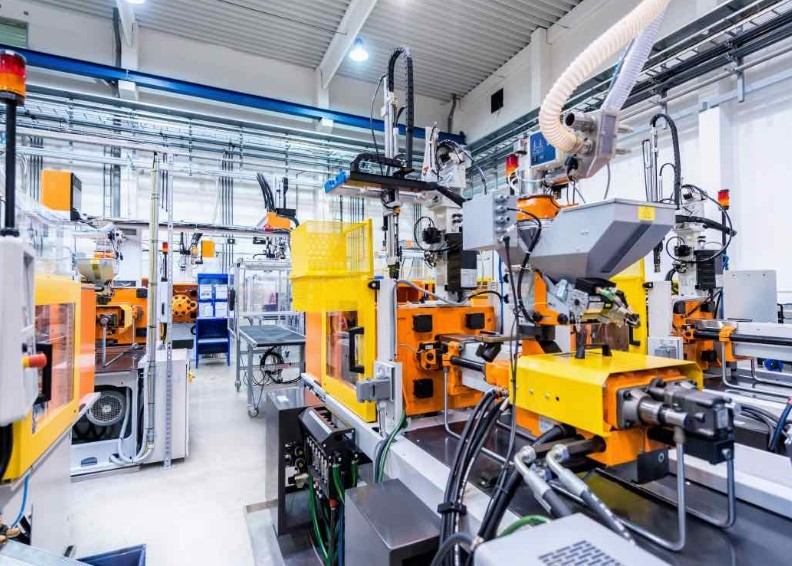
A plastic injection press—also called an injection molding machine—is the heart of any plastics manufacturing operation. It melts plastic pellets and injects the molten material into a mold cavity under high pressure, producing everything from tiny electronic components to large automotive bumpers. These machines are essential for high-volume, high-precision plastic part production.
But new injection presses are expensive. A brand-new machine from a leading manufacturer can cost hundreds of thousands of dollars—a barrier for small to medium-sized enterprises (SMEs) looking to enter the market or expand capacity. This is where used plastic injection presses offer a compelling alternative. They can be purchased for 30–50% of the new price, allowing businesses to acquire capable equipment with a much lower initial investment.
This guide provides a comprehensive framework for buying a used plastic injection press. You will learn how to assess machine condition, evaluate production history, understand brand reputation, verify specifications, and avoid common pitfalls. With careful evaluation, a used press can deliver years of reliable service and significant cost savings.
What Is a Plastic Injection Press and Why Consider Used?
The Role of an Injection Press
An injection press consists of three main systems:
| System | Function |
|---|---|
| Injection unit | Melts plastic pellets and injects molten material into the mold |
| Clamping unit | Holds the mold closed during injection and opens it for ejection |
| Control system | Manages temperature, pressure, timing, and safety functions |
Why Buy Used?
| Advantage | Explanation |
|---|---|
| Cost savings | Used machines cost 30–50% less than new; frees capital for other needs |
| Faster deployment | No manufacturing lead time; can be installed in weeks, not months |
| Depreciation | Used equipment has already taken the steepest depreciation hit |
| Proven reliability | Older machines from reputable brands often have decades of service life |
How Do You Assess Machine Condition?
The physical condition of a used injection press is the most critical factor in your purchase decision.
Inspection of Mechanical Parts
| Component | What to Check | Red Flags |
|---|---|---|
| Screw | Uniform surface; no grooves; consistent diameter | Grooves, uneven surfaces, diameter reduction >2% |
| Barrel | Smooth interior; no scoring; no cracks | Scoring, cracks, corrosion, plastic residue buildup |
| Clamping mechanism | Smooth operation; no misalignment; no excessive play | Loose connections; misaligned toggle arms; hydraulic cylinder leaks |
| Tie bars | Straight; no stretch marks; no damage | Uneven wear; stretch marks; bent bars |
| Platens | Flat; parallel; no warping | Visible warping; uneven wear patterns |
Screw and barrel wear: A worn screw may not melt plastic evenly, leading to inconsistent product quality. Use a micrometer to check screw diameter; compare to original specifications. For the barrel, an internal inspection with a borescope can reveal scoring or wear.
Clamping system: For toggle-type clamps, check for worn bushings or pins. For hydraulic clamps, check cylinder seals for leaks. Misalignment can cause mold damage and flash (excess plastic around part edges).
Electrical System
| Component | What to Check | Red Flags |
|---|---|---|
| Wiring | Intact insulation; no fraying; clean connections | Frayed wires; corroded connectors; burned insulation |
| Sensors | Functioning; accurate readings | Faulty sensors; erratic readings; no feedback |
| Control panel | Responsive; clear display; no error codes | Dead pixels; unresponsive buttons; persistent alarms |
| Heaters and thermocouples | Even heating; accurate temperature control | Temperature fluctuations; hot spots; dead zones |
Critical: Faulty temperature sensors can cause overheating (material degradation) or underheating (poor flow), ruining production runs.
Hydraulic System
| Component | What to Check | Red Flags |
|---|---|---|
| Hoses and fittings | No leaks; flexible; no cracking | Visible leaks; hardened or cracked hoses |
| Cylinders | Smooth operation; no leaks | Leaking seals; scoring; erratic movement |
| Pump | Quiet operation; consistent pressure | Abnormal noises; vibrations; pressure fluctuations |
| Hydraulic fluid | Clean; proper level; no contamination | Dark color; burnt smell; metal particles |
Hydraulic leaks not only waste expensive fluid but indicate underlying problems like damaged seals or cylinders. A noisy pump may signal internal wear or cavitation.
What Production History Should You Evaluate?
A machine’s past usage reveals its remaining lifespan and potential issues.
Previous Usage Intensity
| Factor | What It Indicates |
|---|---|
| Operating hours | Higher hours = more wear; but maintenance quality matters more than raw hours |
| Shift schedule | Continuous 24/7 operation causes more wear than single shifts |
| Years in service | Age alone is less important than maintenance and usage intensity |
Example: A machine with 50,000 operating hours over 5 years (24/7) may have significantly more wear than a machine with the same hours over 15 years (8-hour shifts with regular maintenance).
Types of Products Manufactured
| Product Type | Stress on Machine |
|---|---|
| Large, complex parts | High clamping force; high injection pressure; more wear |
| Small, simple parts | Lower stress; potentially longer remaining life |
| Abrasive materials | Glass-filled or mineral-filled plastics accelerate screw/barrel wear |
| High-temperature materials | Accelerates heater and seal degradation |
Maintenance Records
| What to Look For | Why It Matters |
|---|---|
| Regular service logs | Indicates responsible ownership |
| Component replacements | New screw, barrel, or hydraulic components extend life |
| Downtime records | Frequent breakdowns signal underlying issues |
| Preventive maintenance schedule | Machines with PM plans typically last longer |
Request maintenance records. A machine with complete service history is worth more than one without, even if it has higher hours.
How Does Brand and Reputation Affect Value?
Well-known brands typically hold their value better and offer more reliable performance.
Reputable Injection Press Brands
| Brand | Known For | Typical Strengths |
|---|---|---|
| Engel | Precision; energy efficiency | High-quality components; advanced controls |
| Arburg | Versatility; reliability | All-rounder machines; long service life |
| Haitian | Value; high-volume production | Cost-effective; widely supported |
| KraussMaffei | Heavy-duty; large machines | Robust construction; industrial applications |
| Nissei | Precision; small machines | Small parts; high-speed applications |
| Sumitomo (Demag) | All-electric; precision | Energy efficiency; tight tolerances |
How to Research Reputation
| Source | What to Learn |
|---|---|
| Online forums | Real-world experiences; common issues |
| Industry magazines | Reviews; comparisons; market trends |
| Professional networks | Peer recommendations; warnings |
| Used equipment dealers | Market values; demand for specific models |
Red flags: Models with known design flaws, frequent breakdowns, or discontinued parts.
What Specifications Must Match Your Needs?
The machine must be capable of producing your parts efficiently.
Clamping Force
Clamping force keeps the mold closed during injection. Insufficient force causes flash; excessive force wastes energy and stresses the mold.
| Part Characteristic | Required Clamping Force |
|---|---|
| Small parts (<10 cm² projected area) | 10–50 tons |
| Medium parts (10–50 cm²) | 50–200 tons |
| Large parts (50–200 cm²) | 200–500 tons |
| Very large parts (>200 cm²) | 500+ tons |
Calculation: Clamping force (tons) = Projected area (in²) × Cavity pressure (psi) ÷ 2,000 + safety factor
Example: A part with 100 in² projected area and 10,000 psi cavity pressure requires 500 tons clamp force.
Injection Volume (Shot Size)
The injection unit must be able to deliver enough molten plastic for each cycle.
| Factor | Consideration |
|---|---|
| Part volume | Part volume + runner volume |
| Shot capacity | Machine’s maximum shot size (typically in grams or cubic centimeters) |
| Utilization | Use 30–80% of maximum shot capacity for best quality |
Rule of thumb: Shot size should be between 30% and 80% of machine capacity. Too small = material degradation (residence time); too large = insufficient capacity.
Platen Size and Tie Bar Spacing
The mold must fit between the tie bars and on the platens.
| Dimension | What to Check |
|---|---|
| Tie bar spacing | Horizontal and vertical distance between tie bars |
| Platen size | Minimum and maximum mold height |
| Mold mounting holes | Pattern and thread size for mold clamps |
Compatibility with Existing Equipment
| Equipment | Compatibility Check |
|---|---|
| Molds | Mounting dimensions; clamp force requirements |
| Material handling | Hopper size; material feed system connections |
| Temperature control units | Water connections; flow rate requirements |
| Robots/automation | Interface signals; mounting provisions |
What Are Common Pitfalls and How to Avoid Them?
Pitfall 1: Buying Without Inspection
Risk: Hidden defects discovered after purchase.
Solution: Inspect the machine in person, or hire a qualified third-party inspector. Run the machine through its full cycle. Test all functions.
Pitfall 2: Overlooking Electrical and Hydraulic Systems
Risk: Expensive repairs for aged electrical or hydraulic components.
Solution: Check wiring condition; test all sensors; inspect hydraulic hoses and cylinders; check for leaks. Factor potential refurbishment costs into your offer.
Pitfall 3: Ignoring Control System Age
Risk: Obsolete controls that are hard to support or integrate.
Solution: Verify control system model and age. Check for available replacement parts. Consider upgrade costs for older controls.
Pitfall 4: Incomplete Documentation
Risk: No manuals; no wiring diagrams; no maintenance records.
Solution: Request manuals, electrical schematics, and maintenance logs. These are essential for future repairs and troubleshooting.
Pitfall 5: No Trial Run
Risk: Machine may not perform to specifications.
Solution: Run test cycles. Produce sample parts. Verify cycle time, shot weight consistency, and part quality.
What Legal and Logistical Considerations Exist?
Bill of Sale
Ensure the seller has legal right to sell the equipment. A detailed bill of sale should include:
- Make, model, serial number
- Year of manufacture
- List of included components (controls, heaters, safety guards, etc.)
- Any warranties or disclaimers
- Payment terms
Shipping and Rigging
| Consideration | Details |
|---|---|
| Dimensions and weight | Verify machine fits through doors; crane capacity |
| Disassembly | Some machines require disassembly for transport |
| Rigging | Professional riggers with injection press experience |
| Insurance | Coverage during transport and installation |
Installation and Startup
- Foundation – Does your floor support the weight? (Some large presses require reinforced foundations)
- Utilities – Electrical; water; compressed air connections
- Commissioning – Calibration; safety checks; operator training
How Can Yigu Technology Help?
At Yigu Technology, we understand that acquiring used equipment is a strategic decision. Our team can assist with:
- Technical evaluation – Assessing machine condition and specifications
- Compatibility assessment – Ensuring the machine works with your molds and auxiliary equipment
- Installation support – Connecting and commissioning your used press
- Process development – Optimizing parameters for your products
- Ongoing support – Troubleshooting; maintenance guidance
We want our clients to make informed decisions and select the right used plastic injection press that meets production requirements and quality standards.
Conclusion
Buying a used plastic injection press can be a smart investment—delivering significant cost savings and faster deployment—but only with careful evaluation.
Key steps for a successful purchase:
- Inspect thoroughly – Mechanical, electrical, hydraulic systems
- Review history – Operating hours; maintenance records; previous applications
- Verify specifications – Clamping force; shot size; platen dimensions
- Test operation – Run cycles; produce sample parts
- Check documentation – Manuals; schematics; maintenance logs
- Consider brand reputation – Established brands typically offer better support and parts availability
A well-chosen used injection press can provide years of reliable service, enabling cost-effective production and business growth.
Frequently Asked Questions (FAQ)
How can I tell if a used plastic injection press is in good condition?
Inspect mechanical parts (screw, barrel, clamping mechanism, tie bars) for wear, scoring, or damage. Check electrical systems for damaged wiring, faulty sensors, and accurate temperature control. Examine hydraulic systems for leaks, abnormal pump noises, and clean fluid. Review maintenance records and, if possible, run test cycles to verify performance.
Are there legal issues when buying a used plastic injection press?
Ensure the seller has legal title to the equipment. Obtain a detailed bill of sale with make, model, serial number, year, and included components. Clarify warranty or liability terms in writing. If importing, verify customs requirements and any applicable duties or taxes.
Can I upgrade components on a used plastic injection press?
Yes. Common upgrades include control systems (modern PLC), heating elements, hydraulic systems (servo-hydraulic for energy savings), and safety guarding. Ensure upgrades are compatible with the existing machine and comply with safety standards. Consult with the manufacturer or a qualified injection press technician for recommended upgrade options.
What is the typical lifespan of an injection press?
With proper maintenance, a quality injection press can last 20–30 years or more. Mechanical components (screw, barrel, tie bars) may require replacement after 50,000–100,000 hours. Hydraulic and electrical components may need refurbishment or replacement over time. Regular preventive maintenance extends life significantly.
How do I determine if a used machine is priced fairly?
Compare prices from multiple sources: used equipment dealers; online marketplaces; auction results. Consider brand, age, hours, condition, included components, and location. Factor in transportation, rigging, installation, and any refurbishment costs. A machine priced below market may have hidden issues; an above-market price may be justified by excellent condition or recent major refurbishments.
Contact Yigu Technology for Custom Manufacturing
At Yigu Technology, we support manufacturers with both new and used injection molding equipment. Our expertise spans machine evaluation, installation, process optimization, and ongoing support. Whether you are acquiring your first injection press or expanding capacity, we help you make informed decisions.
Our services include:
- Technical evaluation – Assessing used equipment condition and specifications
- Installation and commissioning – Getting your press running quickly
- Process development – Optimizing parameters for your products
- Maintenance support – Keeping your equipment reliable
- Custom manufacturing – High-quality injection-molded parts
Contact us today to discuss your used plastic injection press needs. Let our expertise help you acquire equipment that delivers value and reliability.