Introduction
Have you ever typed "sheet metal fabrication near me" into a search bar? If so, you are not alone. Many people look for local fabricators because of two main reasons: convenience and speed. Working with a nearby shop means you can visit in person, discuss your project face-to-face, and get parts faster. Shipping costs drop. Lead times shrink. And you build a relationship with someone in your own community. In this guide, we will walk through the real benefits of choosing local fabrication, what to look for in a fabricator, and how to make the best choice for your project.
What Are the Benefits of Local Fabrication?
Proximity and Convenience
A local fabricator is just a short drive away. That matters more than you might think.
When you can visit the shop, you can:
- Bring your sketches and samples for in-person review
- See the equipment and quality of work firsthand
- Meet the team who will handle your project
- Catch potential issues before production starts
Real-world example: A small business owner needed custom metal enclosures for a new product. By visiting the fabricator’s shop, they reviewed material samples and adjusted the design on the spot. The project moved forward without a single email delay.
Proximity also saves money. Shipping large or heavy sheet metal parts can be expensive. A recent study found that companies using local fabrication saved up to 30% on transportation costs compared to those working with distant providers.
Quick Turnaround Times
Local fabricators can respond faster. There is no shipping time across state lines. No waiting for a truck to arrive from across the country.
Consider this:
- A local fabricator may complete an order in 3–5 days
- A non-local competitor might need 2 weeks or more, including shipping
Case study: A construction project ran behind schedule and needed custom ductwork immediately. The local fabricator started the job the same day. Parts were on-site within 48 hours. The project stayed on track.
Easier Communication and Collaboration
Email and phone calls have limits. Face-to-face conversations are clearer.
When you meet in person, you can:
- Explain complex requirements more effectively
- Show physical examples or reference parts
- Get instant feedback on design feasibility
- Resolve issues before they become problems
Example: An architect designed a building with complex sheet metal facades. Regular in-person meetings with the local fabricator allowed them to refine details quickly. The project won an architectural award for its innovative use of metal. Relying only on emails would have made that level of collaboration difficult.
What Should You Look for in a Local Fabricator?
Experience and Expertise
Not all fabricators are equal. Look for a shop with a solid track record.
- Years in business: A shop with 10+ years of experience has likely handled a wide range of projects.
- Industry experience: Fabricators who have worked in aerospace, medical, or automotive fields understand tight tolerances and high standards.
Key fact: Studies show that fabricators with over 10 years of experience are 30% more likely to produce high-quality products with fewer defects compared to those with less than 5 years. Their project success rate is also 25% higher.
Quality of Materials and Workmanship
The materials and craftsmanship determine how long your parts will last.
| Quality Aspect | Low-Quality Example | High-Quality Example |
|---|---|---|
| Materials | Low-grade aluminum that dents easily, inconsistent thickness | Aircraft-quality aluminum, uniform thickness, strong |
| Cutting | Rough edges, uneven cuts | Precision-cut edges, smooth finish |
| Welding | Visible gaps, weak joints | Seamless, strong welds |
| Bending | Inaccurate angles, visible distortion | Perfectly angled bends, clean lines |
Ask potential fabricators about their material sources. Do they use certified suppliers? Do they test incoming materials?
Range of Services Offered
A fabricator that offers multiple services saves you time and hassle.
Look for a shop that provides:
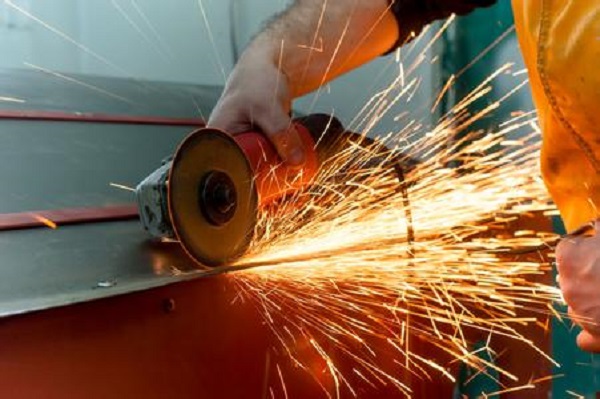
- Cutting: Laser, waterjet, or plasma cutting
- Bending: CNC press brake services
- Welding: MIG, TIG, and spot welding
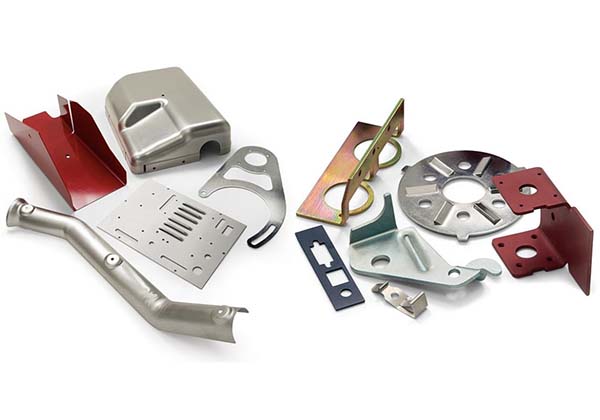
- Finishing: Painting, powder coating, plating, or anodizing
Case study: A product designer needed custom kitchen appliance exteriors. They chose a fabricator that handled cutting, bending, welding, and powder coating all in one place. This saved 20% in costs and reduced production time by 35% compared to coordinating with multiple vendors.
Customer Reviews and Testimonials
Reviews give you a window into a fabricator’s reliability.
Check platforms like:
- Google Reviews
- Yelp
- The fabricator’s own website
Look for patterns. Do multiple reviews mention on-time delivery? Is the quality consistent? How does the shop handle problems?
A typical positive review might say: "They delivered high-quality parts well before the deadline and were extremely responsive to my requests."
How Does Local Fabrication Support Sustainability?
Choosing a local fabricator also helps the environment.
Shorter transportation distances mean:
- Lower fuel consumption
- Reduced carbon emissions
- Less packaging waste
For companies focused on corporate social responsibility, this is a meaningful benefit. It aligns with sustainability goals without adding cost.
Yigu Technology’s Perspective
At Yigu Technology, we see the value of local fabrication every day. Our approach is built around quality and customer service.
We use high-grade raw materials from certified suppliers. Our in-house quality control team inspects at every stage—from raw material receipt to final delivery.
We also believe in responsive service. When a client has a question or a design change, we answer quickly. Our technical experts provide support from design consultation through after-sales service.
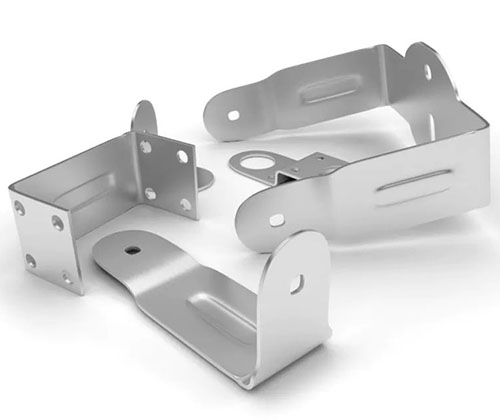
Example: A local manufacturer needed custom brackets for industrial equipment. They visited our shop, reviewed material options, and approved the design in person. The brackets were delivered in one week. The client later told us that the speed and quality helped them meet their own production deadline.
We also partner with other local fabricators when it makes sense. Combining expertise leads to better solutions for clients—faster turnaround, lower costs, and higher quality.
Conclusion
Choosing sheet metal fabrication near you offers real advantages. You get convenience, faster turnaround, and clearer communication. You can visit the shop, see the work firsthand, and build a relationship with the people making your parts. Local fabrication also saves on shipping costs and supports sustainability. When selecting a fabricator, look for experience, quality materials, a broad range of services, and strong customer reviews. The right local partner will deliver reliable results—on time and on budget.
FAQ
How can I find reliable sheet metal fabrication near me?
Start with an online search using your city name. Check Google Reviews and local business directories. Ask colleagues or industry partners for recommendations. First-hand referrals are often the most reliable.
What is the average cost of sheet metal fabrication?
Costs vary widely. Simple projects may range from $50 to $200 per piece. Complex, high-precision work can cost $500 to several thousand dollars per piece. Factors include material type, design complexity, quantity, and finishing requirements.
How long does the sheet metal fabrication process usually take?
Simple parts with standard materials may take 1–3 days. Complex designs requiring multiple operations may take 1–2 weeks. Large-scale orders can take 4–6 weeks, depending on the fabricator’s workload. Local fabricators often offer shorter lead times because there is no shipping delay.
What materials are commonly used in sheet metal fabrication?
Common materials include aluminum (lightweight, corrosion-resistant), stainless steel (strong, rust-proof), carbon steel (cost-effective for indoor use), and copper (high conductivity). The right choice depends on your application and environment.
Do local fabricators offer finishing services?
Many do. Look for shops that provide powder coating, painting, anodizing, or plating. A one-stop shop saves you from coordinating with multiple vendors and often reduces overall cost and lead time.
Contact Yigu Technology for Custom Manufacturing
At Yigu Technology, we specialize in custom sheet metal fabrication with a focus on quality and service. Whether you need prototypes, small batches, or full production runs, our team is ready to help. [Contact us today] to discuss your project and get a fast, transparent quote.