Introduction
Injection molding is a mature technology. But sometimes, standard methods cannot achieve what you need. Large hollow parts. Complex internal channels. Weight reduction without losing strength.
Water assisted injection molding solves these challenges. It uses water—not gas—to create hollow or semi-hollow plastic parts. The water does double duty: it shapes the part from the inside and cools it rapidly.
This process shares a concept with gas-assisted molding, but water offers distinct advantages. Higher heat capacity means faster cooling. Shorter cycle times. Smoother internal surfaces.
This guide explains how water assisted injection molding works, where it is used, and what you need to know to apply it effectively.
How Does Water Assisted Injection Molding Work?
Key Components
Injection molding machine: Melts plastic and injects it into the mold. High-precision machines control injection volume and pressure—up to several hundred bar.
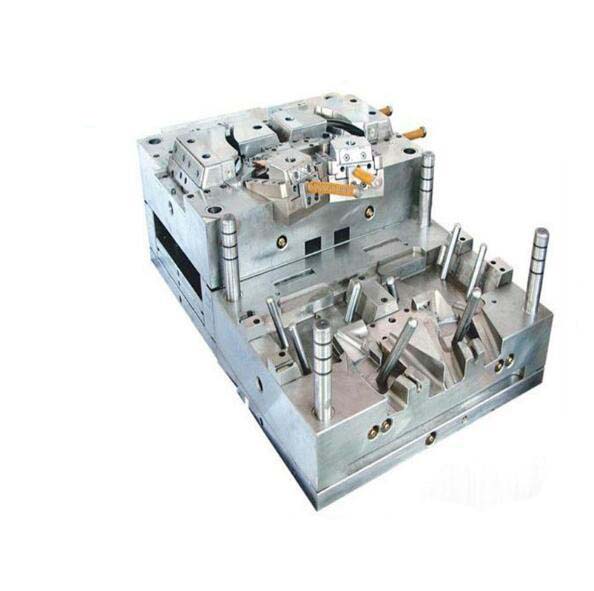
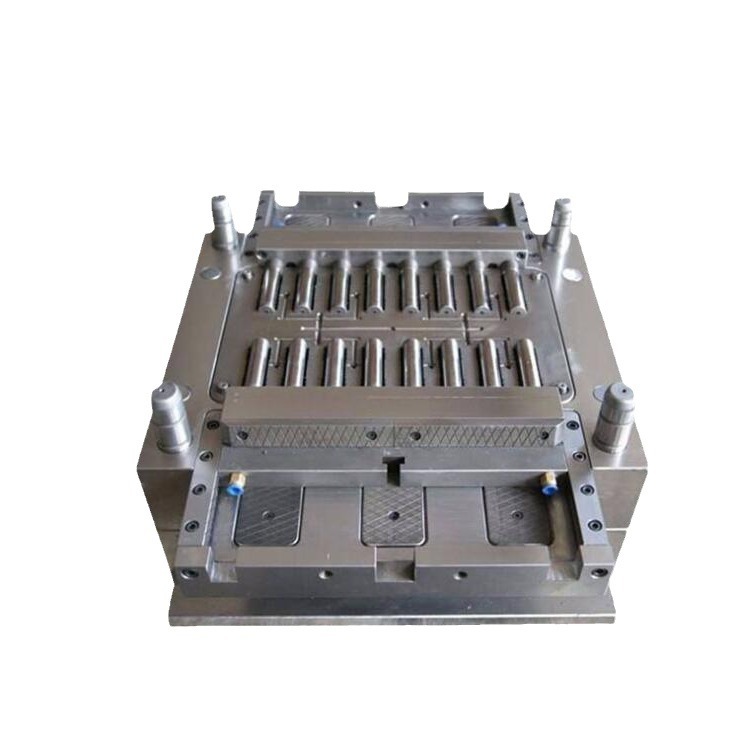
Mold: Custom-designed for the final product. It must withstand high pressures from both plastic and water injection. High-strength steel is common. The mold includes channels for water circulation.
Water delivery system: Pumps, valves, and pipes. Pumps generate high pressure. Valves control timing and pressure. High-pressure pipes transport water without leakage.
The Working Mechanism
Plastic Injection Stage
A calculated amount of molten plastic is injected into the mold cavity. For a hollow pipe, the initial plastic injection forms the outer wall. Injection pressure and speed are optimized to fill the mold evenly, covering all details.
Water Injection Stage
High-pressure water enters the mold cavity. It follows the path of least resistance, pushing the molten plastic toward the outer edges. This creates a hollow section within the part.
Water pressure must be high enough to displace the plastic but not so high that it damages the mold or the partially formed part.
Cooling and Solidification Stage
Water acts as a cooling agent. Its high heat capacity absorbs large amounts of heat from the molten plastic. This significantly speeds up cooling.
As the plastic cools and solidifies around the water-filled cavity, the final shape forms. Water pressure is maintained during this stage to prevent deformation.
Water Drainage Stage
After full solidification, water drains from the mold cavity. Drainage mechanisms ensure complete removal. Compressed air may assist to ensure the hollow section is dry.
The molded part is then ejected, ready for further processing or use.
The table below summarizes the stages:
| Stage | Action | Key Factors |
|---|---|---|
| Plastic injection | Inject calculated amount of molten plastic | Pressure, speed, volume control |
| Water injection | High-pressure water displaces plastic | Pressure level, timing |
| Cooling | Water absorbs heat, plastic solidifies | Water pressure maintained, cooling rate |
| Drainage | Remove water from cavity | Complete removal, air assist if needed |
What Are the Advantages Over Gas-Assisted Molding?
Water and gas-assisted molding share a concept, but water offers distinct benefits.
| Factor | Water-Assisted | Gas-Assisted |
|---|---|---|
| Medium | Water | Nitrogen or other gas |
| Cooling rate | Faster (higher heat capacity) | Slower |
| Cycle time | 20% – 30% shorter | Longer |
| Inner surface | Smoother (30% – 50% lower roughness) | Rougher |
| Equipment complexity | Higher (pumps, drainage) | Lower |
Water’s higher density and heat capacity mean it absorbs heat faster. This shortens cycle times. In automotive parts production, cycle time can be 20% to 30% shorter compared to gas-assisted molding.
Water also produces smoother internal surfaces. For pipes and fluid-handling components, surface roughness can be 30% to 50% lower . This improves fluid flow and reduces friction losses.
Gas-assisted molding remains simpler. The delivery system is less complex. For some applications—large furniture parts where internal surface finish is not critical—gas may still be the better choice.
Where Is Water Assisted Injection Molding Used?
3C Electronics (Computers, Communications, Consumer Electronics)
Phone shells benefit from water-assisted molding. Hollow structures reduce weight significantly. Studies show weight reductions of up to 30% compared to traditional injection molding. This matters for modern smartphones where every gram counts.
Laptop housings gain thermal management benefits. Water-assisted molding creates channels for heat dissipation within the housing. A major laptop manufacturer found that internal temperatures dropped by an average of 5°C during heavy usage. This improved performance and extended component life.
Automotive Industry
Instrument panels gain design flexibility. Parts combine solid and hollow sections. Weight reduction improves fuel efficiency. Acoustic properties improve too. A research firm reported that cars with water-assisted molded interior parts had 10-decibel lower interior noise levels.
Pipe fittings and fuel lines benefit from smooth inner walls. Reduced fluid flow resistance improves efficiency. Fuel lines made with water-assisted molding showed 15% lower fuel flow losses compared to conventional molded lines.
Medical and Consumer Products
Medical devices like inhaler components require precision and smooth surfaces. Water-assisted molding ensures consistent medication delivery. A clinical study found that inhalers with water-assisted molded components had 20% improvement in medication delivery accuracy.
Consumer products like handheld grooming devices gain ergonomic, lightweight designs. One electric shaver brand switched to water-assisted molding for their bodies. Weight decreased by 20% . Sales increased by 15% in the first year.
The table below summarizes applications:
| Industry | Applications | Key Benefits |
|---|---|---|
| 3C Electronics | Phone shells, laptop housings | Weight reduction, thermal management |
| Automotive | Instrument panels, fuel lines, pipe fittings | Weight reduction, noise reduction, fluid efficiency |
| Medical | Inhaler components | Precision, smooth surfaces, delivery accuracy |
| Consumer | Handheld devices, grooming tools | Lightweight, ergonomic design |
What Defects Can Occur and How to Prevent Them?
Common Defects
Plastic rupture: Water injection pressure too high causes the plastic to rupture. The part fails before it can solidify.
Incomplete hollowing: Water pressure too low fails to displace plastic effectively. The hollow section is too small or absent.
Uneven wall thickness: Inconsistent water flow or improper plastic distribution creates thin and thick sections.
Voids or warping: Improper cooling or water drainage issues leave internal voids or cause part distortion.
Prevention Strategies
Optimize process parameters: Adjust plastic injection volume, water pressure, and injection timing. Start with conservative settings. Test and adjust gradually.
Use simulation technology: Mold flow simulation software like Moldex3D predicts water penetration patterns, cooling behavior, and potential defects. Modify mold design and process parameters based on simulation results.
Ensure proper mold design: Design channels for water circulation and drainage. Ensure mold strength to withstand high pressure. Include proper venting to prevent air pockets.
What Materials Are Suitable?
Thermoplastics
Polypropylene (PP): Good chemical resistance, mechanical properties, and processability. Used for automotive interior parts, consumer housings, and pipe fittings.
Polyethylene (PE): Excellent flexibility, low cost. Ideal for pipes, tubing, and fluid-handling components.
Engineering Plastics
Polycarbonate (PC): High strength, heat resistance, dimensional stability. Used in 3C electronics—laptop frames, mobile phone components—where performance materials are required.
These materials withstand high-pressure water injection and the subsequent cooling process without significant deformation or degradation.
What Does a Real-World Example Look Like?
An automotive supplier needed to produce fuel lines with smooth internal surfaces. Traditional molding created rough inner walls that increased flow resistance. Gas-assisted molding improved the surface but not enough to meet efficiency targets.
The switch to water-assisted molding made the difference. Water injection created smoother walls. Surface roughness dropped by 40% . Flow testing showed 12% lower pressure drop across the fuel line.
Cycle time also improved. Water’s high heat capacity cooled the parts faster than gas-assisted molding. Cycle time dropped by 25% . The supplier met production targets with fewer machines.
Conclusion
Water assisted injection molding is an advanced process that uses water to create hollow or semi-hollow plastic parts. It injects water after the plastic, displacing it to form hollow sections. The water also cools the part rapidly.
The process offers advantages over gas-assisted molding: faster cooling, shorter cycle times, and smoother internal surfaces. It is used in 3C electronics, automotive, medical, and consumer products industries.
Applications include lightweight phone shells, thermally managed laptop housings, fuel lines with reduced flow resistance, and precision medical device components.
Success requires careful control of process parameters, proper mold design, and often simulation to predict and prevent defects. Suitable materials include PP, PE, and PC.
For parts that need hollow sections, weight reduction, or smooth internal surfaces, water assisted injection molding is a powerful solution.
FAQ
What are the main differences between water-assisted and gas-assisted injection molding?
Water-assisted uses water; gas-assisted uses nitrogen or other gas. Water has higher heat capacity, so cooling is faster. Cycle times can be 20% to 30% shorter with water. Water also produces smoother internal surfaces—30% to 50% lower roughness. Gas-assisted systems are simpler, with lower equipment complexity. Gas may still be better for large parts where internal surface finish is not critical.
How can we effectively avoid defects in water-assisted injection molding?
Optimize process parameters—plastic volume, water pressure, and injection timing. Use simulation software like Moldex3D to predict water penetration and cooling patterns. Design molds with proper water channels, drainage, and venting. Ensure mold strength to withstand high pressure. Test with conservative settings and adjust gradually.
Which materials are most suitable for water-assisted injection molding?
Thermoplastics like polypropylene (PP) and polyethylene (PE) are highly suitable. PP offers good chemical resistance and mechanical properties for automotive and consumer parts. PE offers flexibility and low cost for pipes and tubing. Engineering plastics like polycarbonate (PC) also work for high-performance applications in 3C electronics.
What industries benefit most from water-assisted injection molding?
3C electronics, automotive, medical, and consumer products industries benefit most. Electronics uses it for lightweight, thermally managed housings. Automotive uses it for weight reduction, noise control, and fluid efficiency. Medical uses it for precision components with smooth surfaces. Consumer products use it for ergonomic, lightweight designs.
How does water-assisted molding improve cooling compared to gas-assisted?
Water has a much higher heat capacity than gas. It absorbs more heat per unit volume. This means it extracts heat from the molten plastic faster. The result is shorter cooling times and faster cycle times—typically 20% to 30% shorter than gas-assisted molding.
Contact Yigu Technology for Custom Manufacturing
At Yigu Technology , we specialize in water assisted injection molding. Our equipment handles high-pressure water injection. Our molds are designed for the pressures and cooling requirements of this process.
We serve 3C electronics, automotive, medical, and consumer products industries. Whether you need lightweight phone shells, smooth fuel lines, or precision medical components, we deliver high-quality, custom parts.
Contact Yigu Technology today to discuss your water assisted injection molding project.