Introduction
Auto parts moulds are the unsung heroes behind the automotive industry. They shape every component—from tiny interior knobs to large body panels. The quality of these moulds directly affects vehicle performance, safety, and longevity.
A high-precision mould produces parts with exact dimensions, ensuring perfect fit during assembly. A well-crafted door panel mould results in panels that align seamlessly with the car body, reducing air leaks and improving aerodynamics. Industry data shows that cars with components made from high-quality moulds have a 30 percent lower chance of developing rattles or vibrations during operation—significantly improving the driving experience.
Safety is equally critical. A substandard mould for brake calipers may produce parts with inconsistent thickness or shape, leading to uneven braking force distribution—a serious safety hazard. Research indicates that about 15 percent of brake-related accidents can be traced to faulty components likely resulting from poor-quality moulds.
This guide explores the key factors for choosing the best auto parts mould, helping you make an informed decision that balances quality, cost, and performance.
What Key Factors Should You Consider When Choosing an Auto Parts Mould?
Material Quality
The mould material fundamentally determines performance. Common options include carbon steel, stainless steel, and alloy steel.
| Material | Properties | Best For | Typical Lifespan (Cycles) |
|---|---|---|---|
| Carbon Steel | Low cost; good machinability; moderate durability; susceptible to rust in humid conditions | Non-critical plastic parts (interior trim) | 50,000–100,000 |
| Stainless Steel | Excellent corrosion resistance; higher cost; longer lifespan | Moulds exposed to harsh conditions; engine components contacting fluids | 300,000–500,000 |
| Alloy Steel | Enhanced strength, hardness, and heat resistance; high durability | High-stress applications; die-casting for transmission gears and complex metal parts | 200,000–400,000 |
Carbon steel offers cost-effectiveness for high-volume production of non-critical parts. It can produce 50,000–100,000 parts before showing wear. However, in humid environments or with corrosive substances, rust may reduce precision over time.
Stainless steel provides excellent corrosion resistance, making it ideal for marine-based vehicles or parts exposed to chemicals. Higher initial cost is offset by longer lifespan—300,000–500,000 cycles in demanding applications.
Alloy steel combines advantages of multiple metals, delivering strength, hardness, and heat resistance for high-stress applications like die-casting transmission gears. It withstands high pressures and temperatures while maintaining consistent quality.
Precision and Tolerance
Precision refers to how closely a mould reproduces the exact shape and dimensions of the designed part. Tolerance is the acceptable deviation from ideal dimensions.
For a car door handle designed at 150 mm, a well-made mould might have a tolerance of ±0.1 mm. Actual parts range from 149.9 mm to 150.1 mm and remain acceptable.
Why precision matters: For engine components like pistons, even slight size deviations lead to inefficiencies, increased fuel consumption, and potential engine failure. Research shows engines with components from moulds with tolerances exceeding ±0.2 mm are 25 percent more likely to experience performance issues compared to those with ±0.1 mm or tighter tolerances.
For assembly, precise parts fit together seamlessly, reducing need for additional machining or adjustment. A study found that cars assembled with parts from high-precision moulds had 10 percent fewer assembly-related defects, resulting in more reliable final products.
Manufacturer’s Reputation
A manufacturer’s reputation provides insight into reliability and quality.
Check reviews and testimonials: A manufacturer with high ratings—4.5 out of 5 stars on business review platforms—and positive comments about mould quality and customer service is a good sign. Multiple negative reviews about mould failures or poor after-sales support should raise concerns.
Industry experience: Manufacturers with years of experience in automotive moulds understand specific requirements—material selection, design optimization, and quality control processes that newer companies may lack.
Cost-Benefit Analysis
While cost is important, it should not be the sole determinant. A comprehensive cost-benefit analysis considers:
Initial cost vs. lifespan: A $5,000 mould producing 50,000 parts costs $0.10 per part in mould cost. A $10,000 mould producing 200,000 parts costs $0.05 per part—more cost-effective despite higher upfront investment.
Maintenance costs: High-quality moulds often require less frequent maintenance. A premium-grade steel mould may need annual checks; a lower-quality mould may require monthly maintenance, including repairs and part replacements.
Total cost of ownership: Include initial purchase price, maintenance costs, and production losses from mould failures or downtime. A mould failure causing a one-day production halt at $10,000 in lost productivity significantly impacts total cost.
What Types of Auto Parts Moulds Exist and How Do They Differ?
| Type | Typical Materials | Characteristics | Applications |
|---|---|---|---|
| Injection Mould (Plastic) | Steel alloys (P20) | High precision; tolerances ±0.05–0.1 mm; smooth surfaces; complex shapes; high-volume production (thousands per day) | Dashboards, door panels, cup holders, interior trim requiring aesthetic appearance and precise fit |
| Die-Casting Mould (Metal) | Hot-work tool steel (H13) | Withstands high pressures (100–150 MPa) and temperatures (600–800°C); tolerances ±0.1–0.3 mm; complex internal structures | Engine blocks, transmission housings, high-strength metal parts under heavy loads |
| Compression Mould (Rubber) | Steel or aluminum | Handles rubber elasticity and compressibility; suitable for larger cross-sectional areas; simpler shapes | Seals, gaskets, engine gaskets, suspension bushings for sealing, vibration isolation, shock absorption |
| Blow Mould (Hollow Plastic) | Steel or aluminum | Produces hollow, thin-walled parts; varying wall thickness for strength and weight requirements | Fuel tanks, large-scale hollow plastic components requiring capacity and strength with light weight |
Injection Mould for Plastic Parts
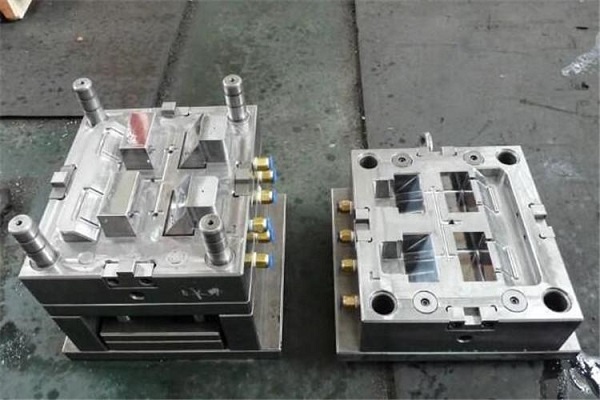
Made from steel alloys like P20, which balances machinability, hardness, and cost-effectiveness. High-precision injection moulds produce parts with tolerances within ±0.05–0.1 mm, smooth surfaces, and complex shapes. They enable high-volume production—thousands of parts per day—for interior components like dashboards and door panels that require good aesthetic appearance and precise fit.
Die-Casting Mould for Metal Parts
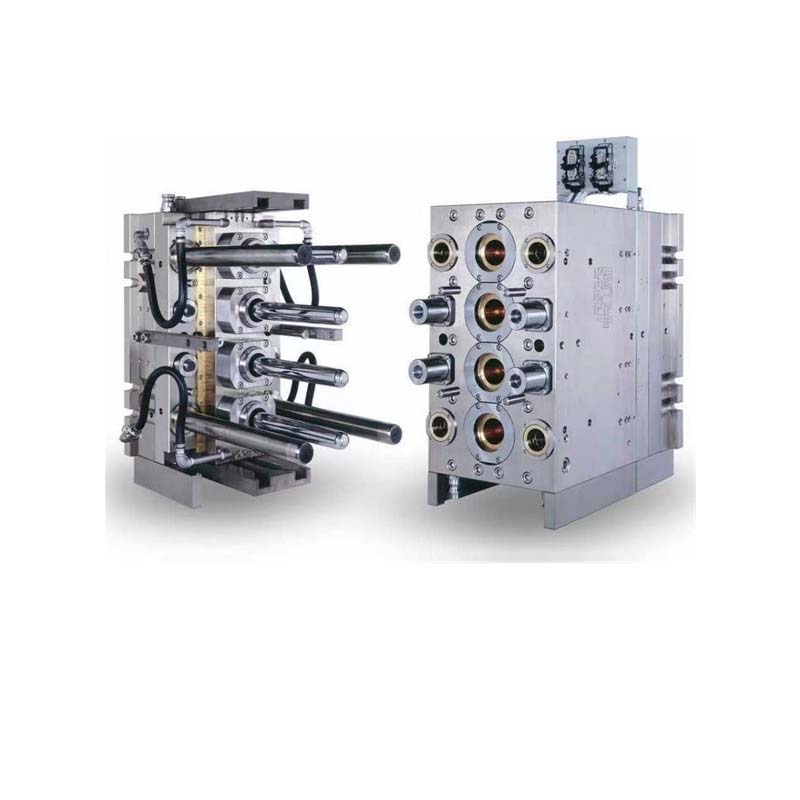
Constructed from high-strength hot-work tool steels like H13, which offer excellent heat resistance, toughness, and wear resistance. These moulds withstand pressures up to 100–150 MPa and temperatures around 600–800°C during die-casting. They produce parts with high dimensional accuracy—tolerances of ±0.1–0.3 mm—and complex internal structures like cooling channels in engine blocks. Ideal for engine components, transmission parts, and high-strength metal parts under heavy loads.
Compression Mould for Rubber Parts
Made from steel or aluminum—aluminum for lower-volume production due to lower cost and good thermal conductivity; steel for high-volume production for durability. Designed to handle rubber’s elasticity and compressibility, applying pressure and heat to shape rubber into final form. Suitable for parts with larger cross-sectional areas and simpler shapes. Used for rubber components essential for sealing, vibration isolation, and shock absorption—door seals, engine gaskets, suspension bushings.
Blow Mould for Hollow Plastic Parts
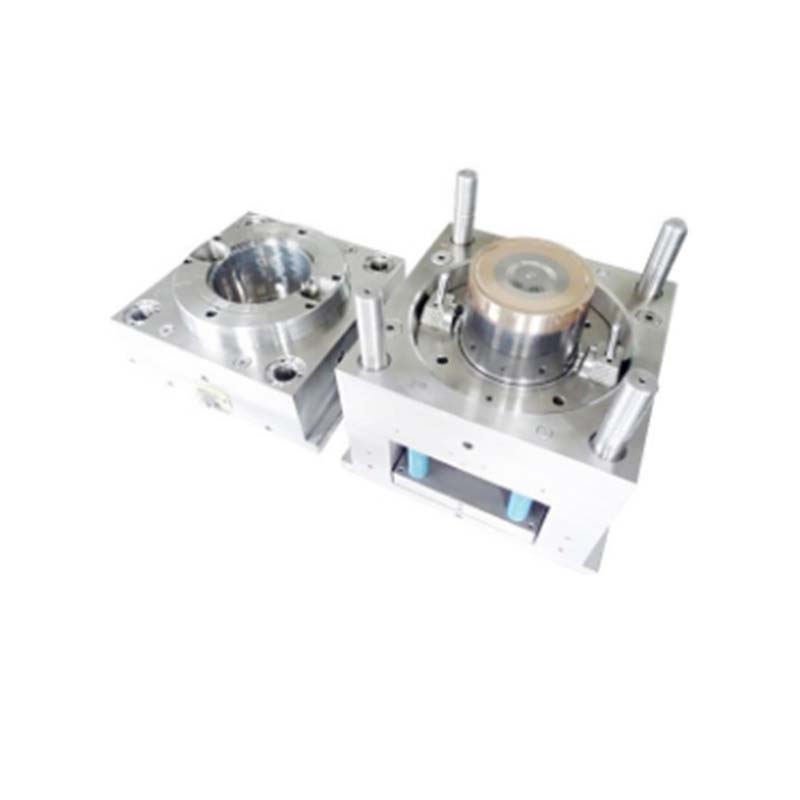
Constructed from steel or aluminum—steel preferred for high-volume production of large parts like fuel tanks due to strength and durability. Produces hollow, thin-walled plastic parts by inflating a heated plastic tube (parison) inside the mould cavity. Creates parts with varying wall thicknesses to meet different strength and weight requirements. Primarily used for large-scale hollow plastic components like fuel tanks requiring capacity and strength while remaining lightweight.
Yigu Technology’s Viewpoint
As a custom supplier of non-standard plastic and metal products, we emphasize several key points in choosing auto parts moulds.
Material quality: High-quality materials like top-grade alloy steel ensure mould durability and part precision. For corrosion-prone applications, stainless steel provides longer service life.
Precision and tolerance: We strive for the tightest tolerances in mould-making. For critical components, tolerances as tight as ±0.05 mm ensure consistent quality and proper assembly.
Experience matters: Years of custom mould-making experience allow us to understand diverse requirements and provide tailored solutions. Our team works closely with clients to optimize designs for manufacturability and performance.
After-sales support: We provide ongoing support—maintenance guidance, spare parts, and technical assistance—to ensure moulds perform throughout their service life.
Conclusion
Choosing the best auto parts mould requires careful evaluation of material quality, precision requirements, manufacturer reputation, and total cost of ownership. Material selection—carbon steel, stainless steel, or alloy steel—depends on application demands, production volume, and environmental conditions. Precision and tolerance directly impact part quality, assembly efficiency, and vehicle performance.
Different mould types—injection, die-casting, compression, blow—serve specific applications based on part material, complexity, and production needs. Understanding these differences helps match the mould to the component.
While upfront cost matters, total cost of ownership—including lifespan, maintenance, and downtime costs—provides a more accurate measure of value. A higher-quality mould with longer life and lower maintenance often proves more cost-effective than a cheaper alternative requiring frequent replacement.
Investing in the right mould delivers consistent part quality, reliable assembly, and long-term production efficiency.
FAQ
What is the most common material for auto parts moulds?
Steel—carbon steel, stainless steel, and alloy steel—is most common due to high strength, good machinability, and wear resistance. Carbon steel is cost-effective for non-critical parts. Stainless steel offers excellent corrosion resistance. Alloy steel provides enhanced strength and heat resistance. Aluminum alloy is used where weight reduction is crucial.
How can I tell if a mould is of high quality?
Visually, the surface should be smooth without scratches, dents, or pores. Measure key dimensions with precision tools like calipers and micrometers to ensure they meet design requirements. High-quality mould materials have appropriate hardness and toughness—evaluated through hardness tests and material analysis. A well-designed mould structure ensures even stress distribution during operation, reducing deformation and wear. Advanced processing techniques like CNC machining guarantee higher precision and consistency.
Is it better to choose a domestic or overseas mould supplier?
Domestic suppliers often offer shorter lead times, easier communication, potentially lower costs, and more convenient after-sales service. Overseas suppliers, especially from developed countries, may have more advanced technology and extensive experience ensuring high-quality moulds. However, they may be more expensive with communication barriers and longer shipping times. Consider specific needs, budget, and quality requirements when making a decision.
Contact Yigu Technology for Custom Manufacturing
Looking for high-quality auto parts moulds tailored to your specifications? Yigu Technology specializes in custom non-standard plastic and metal products. Our team combines material expertise with precision manufacturing to deliver moulds that perform.
Reach out today to discuss your next project. Let us help you choose the right mould for your automotive needs.