Introduction
The quality of your products depends on the quality of your components. That simple truth makes selecting a CNC machined components manufacturer one of the most critical decisions your business will make.
Consider the stakes. In aerospace, a component deviation of just ±0.001 inches can mean the difference between safe flight and catastrophic failure. In automotive manufacturing, switching from cast to CNC-machined aluminum engine components improves fuel efficiency by up to 10% . In medical devices, precision directly impacts patient safety.
But not all manufacturers deliver the same quality. Some produce consistent, high-precision parts that perform reliably for years. Others introduce variation, defects, and delays that ripple through your supply chain. The wrong choice leads to product recalls, costly downtime, and damaged reputation.
This guide walks you through the key factors that separate exceptional manufacturers from mediocre ones. You will learn what to look for, what questions to ask, and how to evaluate potential partners before committing.
Why Does Quality Assurance Matter Most?
Inspection Happens at Every Stage
Quality is not something you check at the end. It must be built into every step of production. A reliable manufacturer will have inspection points woven throughout their process.
Raw material inspection comes first. When aluminum, steel, or plastic arrives, the manufacturer should verify its chemical composition and physical properties. A simple spectrometer test confirms that the material matches specifications. If the material is wrong, nothing that follows can fix it.
In-process inspection catches issues early. Skilled operators measure critical dimensions while the machine runs. If a part drifts toward the tolerance limit, adjustments happen immediately—before scrap accumulates.
Final inspection provides the last line of defense. Every part should be verified against the engineering drawing before it ships.
Certifications Signal Commitment
Look for recognized quality certifications. ISO 9001 is the baseline—it tells you the manufacturer has a documented quality management system.
For demanding industries, specific certifications matter more:
| Industry | Key Certification | What It Covers |
|---|---|---|
| Aerospace | AS9100 | Adds aerospace-specific reliability requirements |
| Medical | ISO 13485 | Focuses on safety, traceability, and regulatory compliance |
| Automotive | IATF 16949 | Emphasizes defect prevention and supply chain consistency |
A manufacturer with these certifications has passed independent audits. They have proven systems in place. That does not guarantee perfection, but it significantly raises the odds of consistent quality.
Testing Methods Reveal Capability
Ask how the manufacturer verifies quality. Coordinate Measuring Machines (CMMs) provide the most comprehensive inspection. A high-end CMM measures dimensions with accuracy down to ±0.0001 inches —far tighter than most components require.
Non-destructive testing (NDT) methods like ultrasonic testing and X-ray inspection detect internal defects without damaging the part. These techniques matter most for safety-critical components in aerospace and medical applications.
What Manufacturing Capabilities Should You Look For?
Equipment Determines Possibility
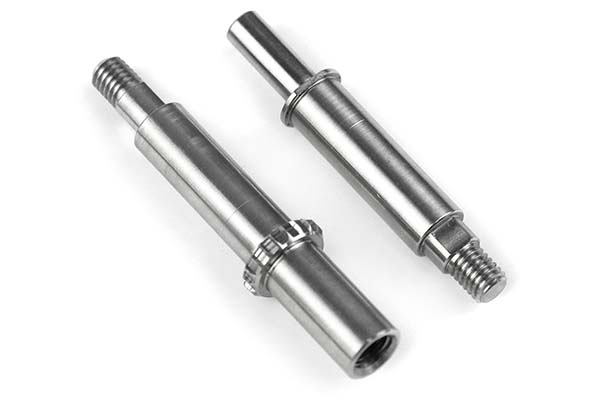
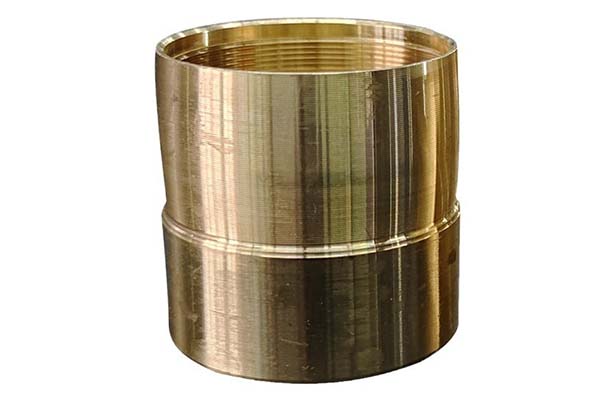
The machines a manufacturer owns define what they can produce. CNC turning handles cylindrical parts—shafts, bushings, and threaded components. A high-quality lathe maintains roundness and concentricity within microns.
CNC milling creates complex 3D shapes. Three-axis mills handle most general work. Five-axis machines add two rotational axes, allowing complex geometries in a single setup. This capability reduces errors from multiple clampings and enables parts that simpler machines cannot produce.
Ask about their equipment range. A manufacturer with both turning and milling capabilities can handle more part types than one limited to a single process.
Material Expertise Matters
Different materials machine differently. A manufacturer skilled in aluminum may struggle with titanium or hardened steel.
Look for demonstrated experience with the materials you use:
- Aluminum: Common in aerospace and automotive for its light weight and machinability
- Steel and stainless steel: Preferred for strength and durability in industrial applications
- Titanium: Demands rigid setups and careful process control—essential for medical and aerospace
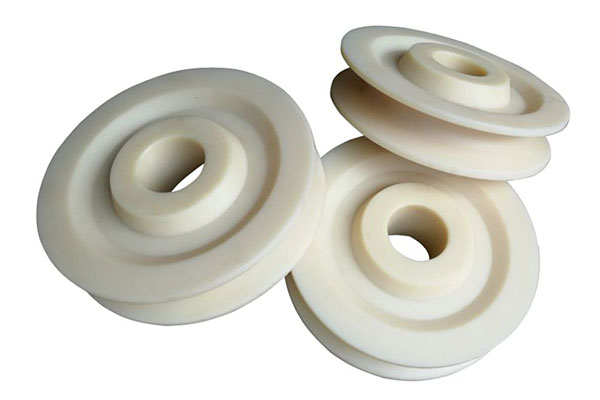
- Engineering plastics: Require sharp tools and heat management to avoid melting
Ask about their material portfolio. A manufacturer who has successfully machined your material type before will have fewer surprises.
Complexity Tolerance Sets Limits
Tolerances tell you how precise a manufacturer can be. Standard CNC machining holds ±0.005 inches reliably. Precision work achieves ±0.001 inches or tighter.
Be realistic about your requirements. Tighter tolerances cost more and take longer. A good manufacturer will tell you when your specifications are tighter than necessary—and when they are genuinely required.
How Do You Evaluate Pricing and Cost-Effectiveness?
Price Components Break Down
The quoted price for CNC machined components includes several elements:
Raw material cost varies by type and grade. Aerospace-quality aluminum costs more than standard 6061. Titanium costs significantly more than steel. Confirm that the manufacturer uses the material grade you specified.
Machining time drives most of the cost. Complex geometries with tight tolerances take longer to produce. Five-axis work costs more than three-axis work—but may reduce total cost by eliminating secondary operations.
Setup and tooling charges cover the work required to prepare for production. For small batches, these fixed costs dominate. For larger runs, they amortize across more parts.
Labor reflects the skill level required. Experienced machinists who can program complex parts and troubleshoot problems command higher wages—and deliver better results.
Total Cost of Ownership Matters
The lowest quote is not always the best value. A cheaper component that fails prematurely creates costs far beyond its purchase price. Downtime, rework, and warranty claims add up quickly.
Consider this example: A manufacturer offers a component for $10 less than a competitor. But their quality issues cause one production stoppage per year—costing $5,000 in lost output. The cheaper parts actually cost more in the long run.
Focus on total cost of ownership, not just unit price.
Why Are Delivery Time and Reliability Critical?
Production Planning Keeps Schedules
A reliable manufacturer maintains an efficient production planning system. They accurately estimate lead times based on:
- Part complexity and machining time
- Material availability
- Current machine capacity
- Queue position for similar work
Standard components in small quantities may ship in 1–2 weeks. Complex, high-precision parts or large volumes often require 4–8 weeks. Custom tooling or exotic materials can extend lead times further.
Logistics Capabilities Ensure On-Time Delivery
Ask about their shipping processes. Do they use reliable carriers? Can they expedite urgent orders when needed? A manufacturer with strong logistics partnerships can recover from delays better than one without.
For critical supply chains, consider suppliers with geographic proximity. Shorter shipping distances reduce transit time and exposure to disruption.
What Role Does Customer Service Play?
Communication Throughout the Process
A responsive manufacturer communicates clearly and consistently. They answer questions about production progress, quality issues, and delivery status promptly.
Red flags include:
- Delayed responses to inquiries
- Vague answers about production status
- Reluctance to discuss quality processes
- Difficulty reaching decision-makers
Technical Support Adds Value
Experienced manufacturers offer design for manufacturability (DFM) support. They review your designs and suggest modifications that simplify machining, reduce costs, or improve quality.
For example, a slight change in a corner radius might allow the use of a standard tool instead of a custom one—saving tooling costs and reducing cycle time. A manufacturer with strong DFM expertise helps you get better parts for less money.
When problems arise after delivery, look for a partner who works with you to resolve them—replacement parts, repair services, or troubleshooting guidance.
How Do You Compare Manufacturers Practically?
Create a Shortlist
Start with research. Search for manufacturers with experience in your industry. Use online directories, industry associations, and referrals from trusted colleagues.
Narrow to 3–5 candidates that meet your basic requirements for quality, capability, and cost. Focus on those who have produced similar components to yours.
Request Quotes and Samples
Contact each candidate with detailed specifications. Request a quote that includes:
- Unit price
- Tooling and setup fees
- Estimated lead time
- Payment terms
Also request sample parts if possible. Specify the quantity, quality standards, and any testing requirements. Physically inspect samples to verify finish, dimensional accuracy, and overall quality.
Read Customer Reviews
Check reviews on business platforms and industry forums. Look for patterns:
- Multiple positive reviews about quality and delivery
- Consistent complaints about communication or missed deadlines
- Comments about how the manufacturer handles problems
One negative review may be an anomaly. Several mentioning the same issue likely indicate a real problem.
Visit the Facility If Possible
A site visit provides insights that no document can. Observe:
- Cleanliness and organization: A tidy floor often reflects attention to detail
- Equipment condition: Well-maintained machines suggest investment in quality
- Staff engagement: Operators who take pride in their work produce better parts
- Quality systems in action: Watch how they perform inspections
Meet the management team. Ask about their experience, challenges they have faced, and how they handle quality issues. The answers reveal their commitment to continuous improvement.
What Does a Practical Comparison Look Like?
Side-by-Side Evaluation
Create a comparison table for your shortlisted manufacturers:
| Factor | Manufacturer A | Manufacturer B | Manufacturer C |
|---|---|---|---|
| Quality certifications | ISO 9001, AS9100 | ISO 9001 | ISO 9001, ISO 13485 |
| Inspection equipment | CMM, optical comparator | CMM | CMM, X-ray NDT |
| CNC equipment | 3-axis, 5-axis mills; CNC lathes | 3-axis mills; CNC lathes | 5-axis mills; Swiss lathes |
| Material experience | Aluminum, steel, titanium | Aluminum, steel | Aluminum, titanium, plastics |
| Typical tolerance | ±0.001 in | ±0.005 in | ±0.0005 in |
| Lead time (sample) | 3 weeks | 2 weeks | 4 weeks |
| Customer reviews | 4.8/5 (consistently positive) | 4.2/5 (mixed on quality) | 4.9/5 (excellent for complex parts) |
This format makes differences clear and supports an informed decision.
Yigu Technology's Perspective
As a custom manufacturer of non-standard plastic and metal products, Yigu Technology understands the challenges of selecting the right CNC machining partner. Our experience has taught us that quality control must be non-negotiable. A component that fails quality inspection costs time, money, and customer trust.
Production flexibility matters equally. In the world of custom manufacturing, orders vary widely—small batches of complex parts, urgent prototypes, high-volume production runs. The right partner handles this range without compromising quality or delivery.
We look for manufacturers who share our commitment to continuous improvement. Those who invest in training, maintain modern equipment, and actively seek feedback from customers tend to deliver the most reliable results.
For your business, the same principles apply. Choose a manufacturer who treats quality as a core value, not a checklist item. The relationship you build will shape your products and your reputation.
Conclusion
Choosing a CNC machined components manufacturer is a decision with lasting consequences. The right partner delivers consistent quality, reliable delivery, and valuable technical support. The wrong partner introduces variation, delays, and hidden costs that undermine your business.
Focus your evaluation on quality assurance systems, manufacturing capabilities, true cost-effectiveness, delivery reliability, customer service, and proven reputation. Use samples and site visits to verify what documents claim. Compare candidates systematically, not just on price but on total value.
The time you invest in selection pays back in smoother operations, better products, and stronger customer relationships. Choose carefully. Your business depends on it.
FAQ
What is the typical lead time for CNC machined components?
Lead times vary by complexity and quantity. Standard components in small batches often ship in 1–2 weeks. Complex parts with tight tolerances or large volumes typically require 4–8 weeks. Custom tooling or exotic materials can extend lead times further. Always ask for specific estimates based on your exact requirements.
How can I ensure the quality of CNC machined components?
Start by verifying the manufacturer's quality certifications (ISO 9001, AS9100, or ISO 13485). Ask about their inspection processes—raw material testing, in-process checks, and final inspection methods like CMM or NDT. Request sample parts and inspect them yourself. Review customer feedback for patterns about quality consistency.
Can a CNC machined components manufacturer help with design optimization?
Yes, experienced manufacturers offer design for manufacturability (DFM) services. They review your designs and suggest modifications that simplify machining, reduce costs, and improve quality. This might include adjusting tolerances, changing corner radii to use standard tools, or recommending alternative materials. This collaboration often reduces cost and lead time.
What certifications should I look for in a CNC manufacturer?
For general manufacturing, ISO 9001 is the baseline. For aerospace, look for AS9100. For medical devices, ISO 13485 is essential. For automotive, IATF 16949 demonstrates strong quality systems. These certifications indicate that the manufacturer has passed independent audits and maintains documented quality processes.
How do I know if a manufacturer can handle my specific material?
Ask directly about their material experience. A manufacturer who has successfully machined your material type before will have established feeds, speeds, tooling strategies, and troubleshooting knowledge. Request examples of similar work. If they cannot provide relevant experience, consider whether your project justifies taking a risk on a less experienced partner.
Contact Yigu Technology for Custom Manufacturing
Looking for a reliable partner for your CNC machined components? Yigu Technology specializes in custom plastic and metal products with uncompromising quality standards. Our capabilities include precision turning, multi-axis milling, and comprehensive inspection—ensuring your components meet specifications every time.
We serve demanding industries including medical, aerospace, electronics, and industrial equipment. Whether you need prototypes, production runs, or design assistance, we bring the expertise and commitment to quality that your business requires.
Contact Yigu Technology today to discuss your project or request a quote. Let us show you what a dedicated manufacturing partner can deliver.