Introduction
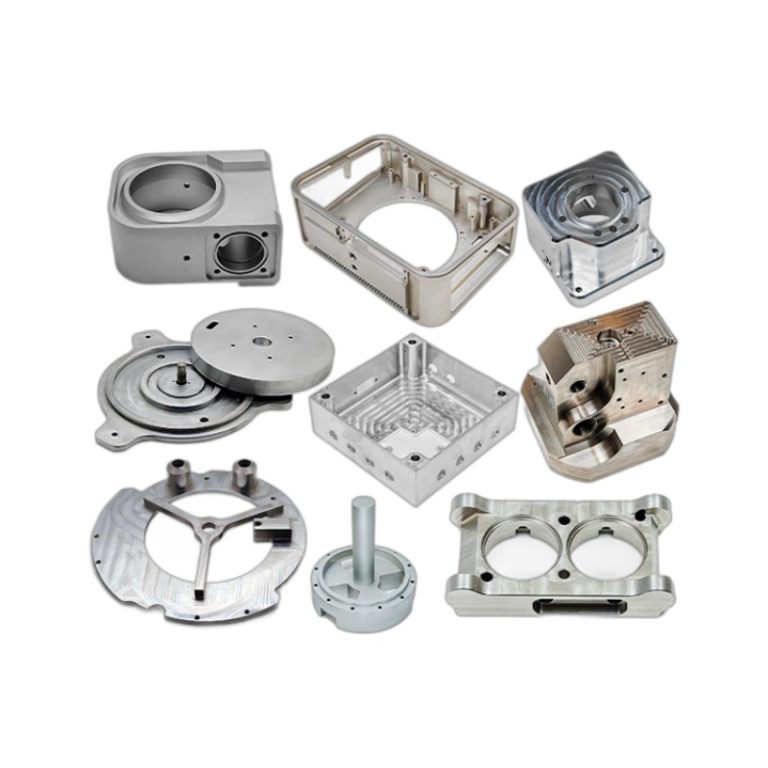
Five-axis machining refers to a type of computer numerically controlled (CNC) machining that enables the simultaneous control of five axes of motion. These include the traditional three linear axes (X, Y, Z) and two rotational axes (A, B, or C) . This multi-axis capability allows the cutting tool to approach the workpiece from virtually any angle, making it possible to machine highly complex geometries with unparalleled precision. Unlike traditional three-axis machining, which is limited to moving in straight lines along fixed axes, five-axis machining offers greater flexibility, enabling the production of intricate parts with advanced features in a single setup. This guide explores the advantages, applications, and comparative benefits of five-axis machining in modern manufacturing.
What Are the Key Advantages of Five-Axis Machining?
Precision and Accuracy
One of the most significant advantages is the ability to achieve exceptional precision and tight tolerances. Simultaneous control of rotational and linear axes allows for more accurate tool positioning—resulting in smoother finishes, reduced need for post-processing, and the ability to machine parts with micron-level accuracy.
| Industry | Application | Precision Requirement |
|---|---|---|
| Aerospace | Turbine blades, engine components | Micron-level accuracy—small deviations have significant consequences |
| Medical device | Custom joint implants, surgical instruments | Tight tolerances for proper fit and functionality |
Reduced Production Time and Setup
Unlike traditional three-axis machines requiring multiple setups for complex parts, five-axis machines perform various cutting operations in a single setup. This eliminates repositioning between operations, reducing human error and improving workflow efficiency.
| Benefit | Impact |
|---|---|
| Fewer setups | Faster production cycles; shorter lead times |
| Single setup | Critical for time-to-market in aerospace, automotive, medical industries |
Complex Geometry Capabilities
Five-axis machining excels at creating complex, intricate geometries—undercuts, compound angles, and other sophisticated features—difficult or impossible with traditional three-axis machines.
| Application | Geometry Complexity |
|---|---|
| Aerospace turbine blades | Complex airfoil shapes |
| Automotive engine components | Precise angles and finishes |
| Medical implants | Custom shapes for patient fit |
Where Is Five-Axis Machining Applied?
Aerospace Industry
Five-axis machining produces high-performance components —turbine blades, engine casings, landing gear parts, airframe components. These require complex geometries, lightweight materials (titanium, composites), and precise tolerances for safety and performance.
| Advantage | Impact |
|---|---|
| Single setup | Reduces costs; improves part quality |
| Material processing | Titanium, composites—exceptional accuracy and efficiency |
Automotive Sector
Production of high-performance engine components, transmission parts, suspension elements, and other critical components. Five-axis machines efficiently machine intricate parts with tight tolerances—engine blocks, valve components, cylinder heads.
| Benefit | Impact |
|---|---|
| Reduced setups | Improves production times; lowers costs |
| Precision | Ensures high level of performance and quality |
Medical Device Manufacturing
Creation of surgical instruments, implants, and other medical components demanding exceptional precision. Custom joint implants, dental prosthetics, orthopedic tools require extremely tight tolerances for proper fit and functionality.
| Material | Application | Precision Requirement |
|---|---|---|
| Titanium, stainless steel | Implants, surgical instruments | High precision; biocompatible materials; ensures patient safety, improves success rates |
How Does Five-Axis Machining Compare with Traditional Machining?
Limitations of Three-Axis Machining
| Limitation | Impact |
|---|---|
| Linear axes only (X, Y, Z) | Suitable for simpler parts; struggles with complex geometries |
| Multiple setups | Required for parts with undercuts or angles—increased risk of misalignment and human error |
| Limited complex features | Less capable of handling intricate angles, compound curves, or simultaneous multi-axis movement |
Cost-Benefit Analysis
| Factor | Three-Axis | Five-Axis |
|---|---|---|
| Initial cost | Lower | Higher (advanced technology, intricate components) |
| Production time | Longer (multiple setups) | Shorter (single setup) |
| Scrap rates | Higher | Lower |
| Part complexity | Limited | Complex geometries |
| Long-term savings | Lower | Higher—reduced production time, improved quality, faster lead times |
Industries requiring high-precision components (aerospace, medical): Added cost justified by reduced risk of failure, faster lead times, and increased production capacity.
Conclusion
Five-axis machining represents a revolutionary leap in modern manufacturing. Key advantages include exceptional precision (micron-level accuracy—critical for aerospace turbine blades, medical implants), reduced production time and setup (single setup eliminates repositioning errors, faster production cycles), and complex geometry capabilities (undercuts, compound angles—turbine blades, engine components, custom implants). Applications span aerospace (turbine blades, landing gear parts—titanium, composites), automotive (engine blocks, cylinder heads—tight tolerances), and medical device manufacturing (custom joint implants, surgical instruments—titanium, stainless steel). Comparison with traditional three-axis machining reveals five-axis’s superiority: single setup vs. multiple setups (reduces misalignment risk), ability to handle complex features (vs. limited capabilities), and long-term cost benefits (reduced scrap, faster lead times) outweigh higher initial costs. The adoption of five-axis machining significantly improves manufacturing efficiency—delivering high-quality parts faster and more cost-effectively. With ongoing developments in CNC programming, robotics, machine design, and material science, five-axis technology will continue to push boundaries, opening new applications in medical, aerospace, and energy industries.
FAQs
What is the difference between three-axis and five-axis machining?
Three-axis machining operates along three linear axes (X, Y, Z)—basic cutting tool movements. Five-axis machining includes two rotational axes (A, B, or C) in addition to three linear axes—enabling tool approach from virtually any angle. This provides greater flexibility, precision, and the ability to machine complex geometries in a single setup.
What industries benefit most from five-axis machining?
Industries like aerospace, automotive, and medical device manufacturing benefit most due to their need for high-precision, complex components. These industries work with advanced materials—titanium, composites, high-performance alloys—requiring advanced machining techniques to meet stringent tolerances.
Is five-axis machining more expensive than traditional machining?
Yes, five-axis machines have higher upfront costs due to advanced capabilities and intricate components. However, long-term benefits —reduced production time, fewer setups, better part accuracy, lower scrap rates—often justify the investment. The ability to create more complex parts can open new revenue streams and enhance competitive positioning.
Contact Yigu Technology for Custom Manufacturing
At Yigu Technology , we leverage five-axis machining to deliver precision components for aerospace, automotive, and medical applications. Our 5-axis CNC machines achieve micron-level accuracy —processing titanium, composites, stainless steel, and high-performance alloys. From turbine blades to custom joint implants, we provide single-setup machining , reducing production time and eliminating misalignment errors. We offer DFM feedback to optimize your designs for manufacturability.
Ready to unlock the power of five-axis machining for your next project? Contact Yigu Technology today for a free consultation and quote. Let us help you achieve complex geometries, exceptional precision, and manufacturing efficiency.