Introduction
The automotive industry is undergoing a profound transformation. At the heart of this change are precision auto components—parts manufactured to extremely tight tolerances that enable enhanced performance, safety, fuel efficiency, and driving experience. From engine components that improve combustion to braking systems that reduce stopping distances, precision engineering is redefining what vehicles can achieve. This guide explores how precision auto components are revolutionizing the automotive industry, covering their definition, manufacturing technologies, impact on performance and safety, role in durability, and contributions to autonomous driving and connectivity.
What Are Precision Auto Components?
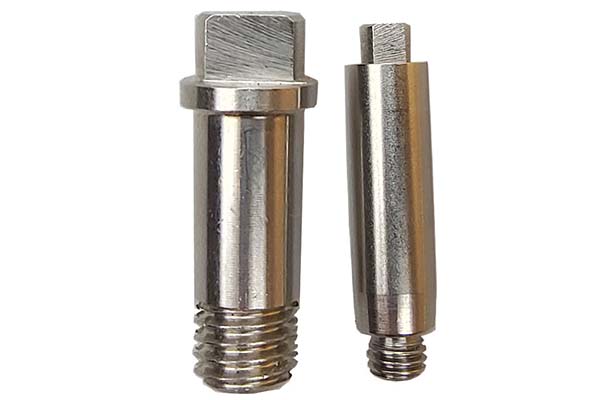
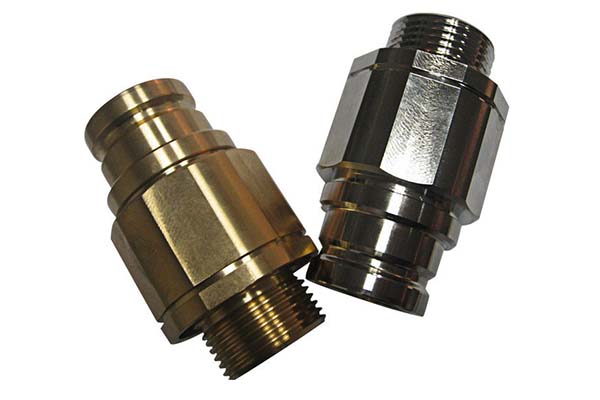
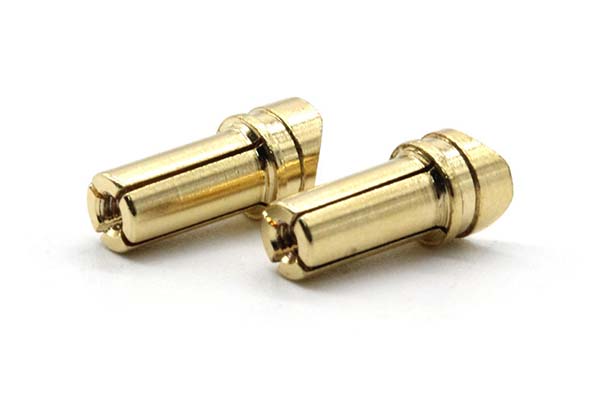
Precision auto components are parts and sub-assemblies manufactured to extremely tight tolerances. They meet high-performance standards and play a crucial role in vehicle functionality, reliability, and safety.
Examples Across Vehicle Systems
| Component | Role | Precision Requirement |
|---|---|---|
| Oxygen sensors | Measure oxygen content in exhaust; enable precise air-fuel mixture | Accuracy within 0.1% |
| Transmission gears | Transfer power from engine to wheels | Tolerances as small as a few micrometers |
| Fuel injectors | Control fuel delivery for combustion | Spray pattern accuracy within 0.01 mm |
| Piston rings | Seal combustion chamber; reduce friction | Gap tolerance 0.005–0.01 mm |
| Brake rotors | Provide consistent braking force | Flatness tolerance <0.002 mm |
Impact: Engines with precision-engineered components can achieve up to 15% better fuel efficiency compared to standard components. Vehicles with high-precision braking components have a 20% lower risk of collision in emergency braking situations.
What Manufacturing Technologies Enable Precision Components?
The production of precision auto components relies on advanced manufacturing technologies.
CNC Machining
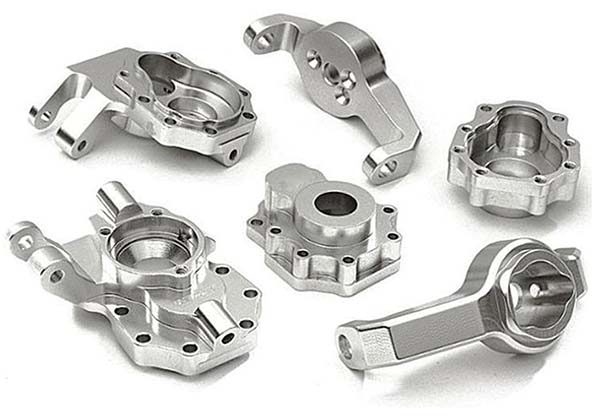
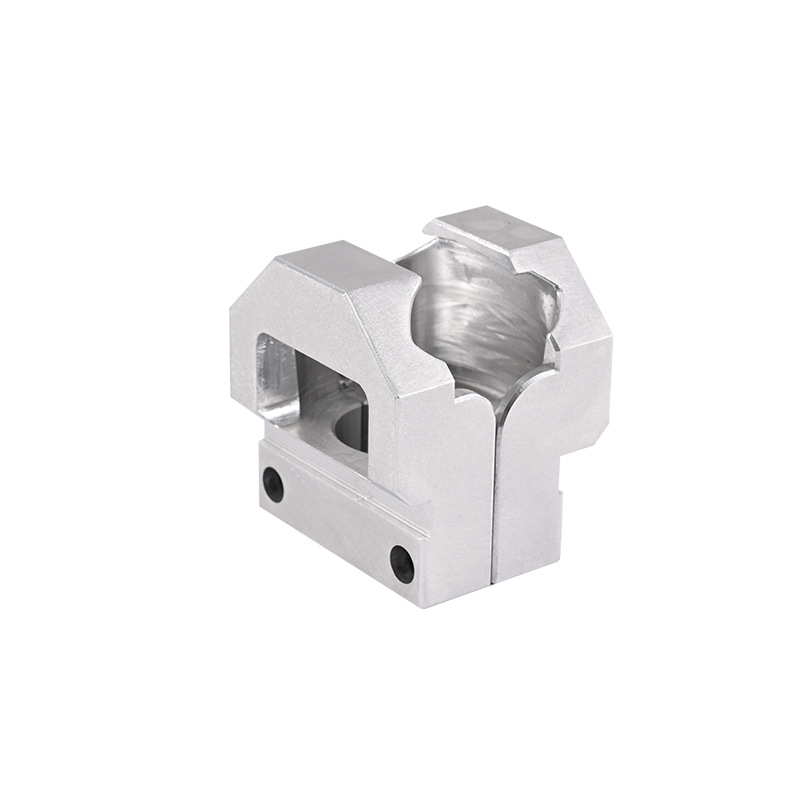
CNC machining is a cornerstone of precision manufacturing. Pre-programmed software controls machine tools to create complex, highly accurate components.
| Application | Precision Achieved |
|---|---|
| Engine crankshaft | Dimensional accuracy ±0.001 mm |
| Transmission gears | Tooth profile accuracy 0.001–0.003 mm |
CNC machining enables high-volume production with consistent quality—machines repeat operations with identical precision run after run.
3D Printing (Additive Manufacturing)
3D printing builds components layer by layer from digital models. It offers unique advantages for precision auto components:
| Advantage | Example | Impact |
|---|---|---|
| Complex geometries | Engine parts with intricate internal cooling channels | 10% increase in thermal efficiency |
| Rapid prototyping | Faster development cycles | Reduced time and cost for new components |
A study by a leading automotive research institute found that engines with 3D-printed components featuring optimized cooling channels showed a 10% increase in thermal efficiency compared to conventionally manufactured parts.
How Do Precision Components Enhance Vehicle Performance?
Precision auto components directly impact power, efficiency, handling, and safety.
Power and Efficiency
Fuel injection systems with precision injectors significantly improve combustion efficiency. A study found that engines with high-precision fuel injectors (spray pattern accuracy within 0.01 mm) achieve 10–15% better fuel efficiency compared to standard injectors.
| Driving Condition | Standard Injectors (mpg) | Precision Injectors (mpg) |
|---|---|---|
| City driving | 25 | 28 – 30 |
| Highway driving | 32 | 35 – 38 |
Piston rings with precision gaps (0.005–0.01 mm) reduce friction within the engine. Energy losses decrease, resulting in 5–8% increase in power output.
Handling and Safety
Suspension systems with precision damping control maintain optimal tire contact with the road. In high-speed cornering tests, vehicles with precision suspension systems showed a 15% reduction in lateral body roll compared to standard suspensions.
Braking systems with precision rotors (flatness tolerance <0.002 mm) provide more consistent braking force. Stopping distances improve significantly:
| Condition | Standard Brakes | Precision Brakes |
|---|---|---|
| Emergency stop from 60 mph | 130–140 feet | 110–120 feet |
How Do Precision Components Improve Vehicle Durability?
Precision manufacturing reduces wear and tear, extending component lifespan.
| Component | Precision Achievement | Durability Improvement |
|---|---|---|
| Transmission gears | Tooth profile accuracy 0.001–0.003 mm | 30–40% lower failure rate over 10 years |
| Bearings | Tight tolerances reduce vibration and misalignment | Replacement interval: 150,000–200,000 miles vs. 100,000–130,000 miles for standard bearings |
Long-term study: Vehicles with precision-engineered transmission gears had a 30–40% lower failure rate related to the transmission system over a 10-year period compared to vehicles with standard gears.
How Do Precision Components Enable Technological Advancements?
Precision components are the backbone of autonomous driving and connectivity features.
Autonomous Driving
Precision sensors and actuators enable vehicles to perceive and respond to their environment.
| Sensor Type | Precision Requirement | Function |
|---|---|---|
| Lidar sensors | Range accuracy within 0.01–0.02 m | Detect pedestrians, vehicles, road signs |
| Cameras | High-resolution pixel accuracy | Distinguish road markings, traffic signs |
| Radar/ultrasonic sensors | High precision for object detection | Assist with lane-keeping, adaptive cruise control |
Example: Tesla Model 3 —uses a combination of cameras, radar, and ultrasonic sensors with high precision. These sensors work with precision actuators controlling acceleration, braking, and steering to enable features like Autopilot.
Connectivity
Precision electronic components enable reliable, high-speed data transfer.
| Component | Precision Requirement | Capability |
|---|---|---|
| High-speed Ethernet connectors | Pin-alignment tolerance within 0.005 mm | Data transfer rates up to 1 Gbps |
| Precision-tuned antennas | High gain, narrow beamwidth | Strong, stable wireless connectivity |
These components enable real-time traffic updates, over-the-air software updates, and seamless streaming of high-definition video content.
What Is Yigu Technology’s Perspective?
At Yigu Technology, we view precision auto components as the enablers of automotive innovation. Our manufacturing capabilities—including 5-axis CNC machining (achieving ±0.001 mm tolerances) and 3D printing for complex geometries—allow us to produce components that meet the automotive industry’s most demanding requirements.
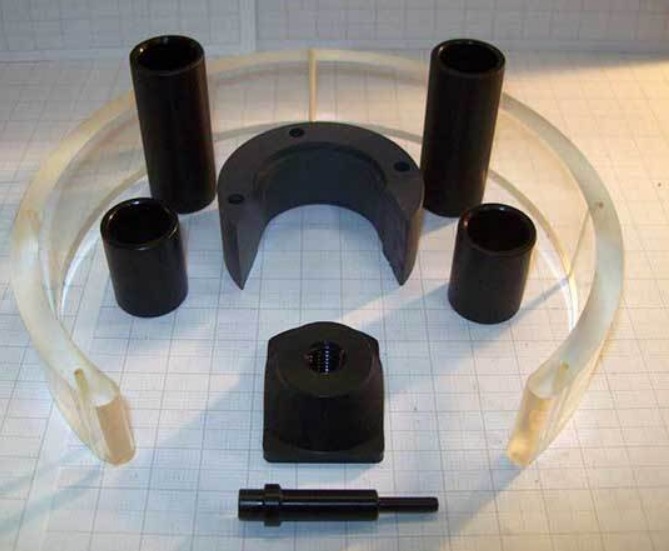
We work with high-strength steel, aluminum alloys, and engineering plastics to deliver components that balance performance, weight, and durability. Our quality systems ensure consistent precision across production runs—critical for applications where failure is not an option.
Conclusion
Precision auto components are revolutionizing the automotive industry through enhanced performance, safety, durability, and technological capability. Engines with precision components achieve 10–15% better fuel efficiency. Braking systems with precision rotors reduce stopping distances by 20–30 feet. Transmission gears with micron-level accuracy reduce failure rates by 30–40% over a decade. Advanced manufacturing technologies—CNC machining (±0.001 mm accuracy) and 3D printing (complex cooling channels)—enable these components. Precision sensors and actuators make autonomous driving possible, while precision electronic components enable high-speed connectivity. As vehicles become more sophisticated, the role of precision components will only grow.
FAQs
What are the key materials used in precision auto components?
Common materials include high-strength steel (chassis, engine blocks), aluminum alloy (wheels, cylinder heads, suspension parts), and engineering plastics (dashboards, electrical housings). Material selection balances strength, weight, corrosion resistance, and cost.
How do precision auto components contribute to reducing emissions?
Precision components reduce emissions through optimized combustion (precision fuel injectors ensure complete burning, reducing HC and CO), improved gas-flow dynamics (precision intake manifolds and exhaust valves), and enhanced catalytic converter efficiency (reduced back-pressure lowers NOx emissions).
Are precision auto components more expensive than traditional ones?
Precision components generally have higher upfront costs due to advanced manufacturing (CNC, 3D printing), skilled labor, and premium materials. However, they offer better long-term value through improved fuel efficiency, reduced maintenance, and extended service life—offsetting initial costs over the vehicle’s lifetime.
Contact Yigu Technology for Custom Manufacturing
At Yigu Technology, we specialize in precision manufacturing for the automotive industry. Our 5-axis CNC machining achieves tolerances as tight as ±0.001 mm —essential for engine components, transmission gears, and braking systems. We work with high-strength steel, aluminum alloys, and engineering plastics to deliver lightweight, durable components. Our quality systems include ISO 9001, and we provide DFM feedback to optimize designs for manufacturability. From prototypes to high-volume production, we deliver precision components that drive automotive innovation.
Ready to elevate your automotive components with precision manufacturing? Contact Yigu Technology today for a free consultation and quote. Let us help you build the vehicles of tomorrow.