Introduction
CNC machining of polypropylene (PP) presents unique challenges that manufacturers often struggle with. Its low rigidity and flexibility can lead to workpiece deflection during machining, making it difficult to achieve tight tolerances. PP’s low melting point (160–170°C) means it is prone to heat-induced deformation, especially during high-speed operations. Its tendency to produce stringy chips can clog tools and cause surface defects if not managed properly. This guide addresses these pain points, offering expert strategies to master CNC machining of PP—from material characteristics and machining processes to tool selection, quality control, and real-world applications.
What Is CNC Machining and How Does It Apply to PP?
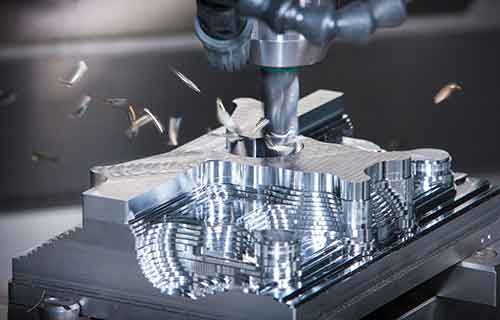
CNC machining automates the production of PP parts using pre-programmed instructions to control machine tools. The machining principles involve removing material from a PP workpiece through controlled cutting. CNC programming translates design specifications into G-code and M-code —the languages that direct machine movements and auxiliary functions like coolant activation.
Machine tool operation for PP requires adjustments compared to metals. The material’s flexibility demands gentler clamping and optimized cutting parameters. Precision engineering is achievable with PP, though tolerances are typically ±0.05 mm for large parts and ±0.02 mm for small components —slightly wider than metal machining due to PP’s thermal expansion. CAD/CAM integration streamlines the process, allowing designers to create 3D models that are directly converted into toolpaths, reducing errors and setup time.
What Are the Key Material Characteristics of PP?
Polypropylene is a thermoplastic polymer known for its balance of properties that make it ideal for CNC machining.
| Property | Typical Value | Implications for Machining |
|---|---|---|
| Tensile strength | 20 – 30 MPa | Flexible; suitable for hinges, clips |
| Melting point | 160 – 170°C | Prone to heat-induced deformation |
| Continuous use temp | 100 – 120°C | Moderate heat resistance |
| Density | 0.90 – 0.92 g/cm³ | Very lightweight |
| Chemical resistance | High resistance to acids, alkalis, solvents | Ideal for chemical storage components |
| Recyclability | Easily recyclable | Appeals to sustainability-focused industries |
Additional characteristics:
- Impact resistance: Improves in cold temperatures—unlike many plastics that become brittle.
- Susceptibility: Attacked by strong oxidizing agents.
- Recycled PP: May have slightly reduced mechanical properties.
What CNC Machining Processes Work for PP?
Several CNC machining processes are used to shape PP, each requiring specific techniques to handle the material’s unique properties.
| Process | Best Practices | Key Considerations |
|---|---|---|
| Milling | Climb milling preferred over conventional; reduces heat and surface fuzzing | Most common process for complex shapes |
| Turning | Lower spindle speeds (500–2000 RPM); prevents overheating | Cylindrical parts like rods, tubes |
| Drilling | Sharp bits with polished flutes; peck drilling for chip evacuation | Prevents tearing; avoids clogging |
| Cutting | Feed rates 100–300 mm/min; high enough to avoid melting | Shearing PP sheets or rods with CNC routers |
| Grinding/engraving | Fine-grit abrasives; depth control to avoid melting | Finishing operations; surface refinement |
| Finishing | Deburring and polishing with abrasive pads | Simpler than metals due to PP’s softness |
What Tools and Equipment Are Best for PP Machining?
Selecting the right tools and equipment is critical for efficient PP machining.
Cutting Tools
| Tool Type | Recommendation | Reason |
|---|---|---|
| End mills | 2-flute HSS preferred | Better chip evacuation; PP’s stringy chips clog 4-flute designs |
| Helix angle | 20–30° | Reduces cutting forces; minimizes workpiece deflection |
| Lathe tools | Sharp HSS with positive rake angle (10–15°) | Reduces cutting forces and heat; prevents PP from adhering to tool |
| Tool life | HSS lasts 2–3 times longer than when machining aluminum | PP’s low abrasiveness; carbide offers no significant advantage |
CNC Machines and Spindles
| Equipment | Recommendation |
|---|---|
| CNC machines | Standard CNC mills and lathes; variable spindle speeds (500–6000 RPM) |
| Spindle speeds | 1000–3000 RPM typical; reduces friction and heat |
| Coolant systems | Compressed air or light mineral oil mist; evacuates chips, reduces heat; can be run dry for small parts |
How Do You Manage Heat and Chip Formation?
Heat management and chip control are critical for successful PP machining.
Heat Management
| Challenge | Solution |
|---|---|
| Low melting point (160–170°C) | Use lower spindle speeds (1000–3000 RPM) |
| Heat-induced deformation | Use compressed air or mist coolant; avoid prolonged tool contact |
| Melting from high speeds | Balance feed rates to keep cutting zone cool |
Chip Formation
| Challenge | Solution |
|---|---|
| Stringy chips | Use 2-flute tools for better chip evacuation |
| Chip clogging | Peck drilling for holes; direct compressed air at cutting zone |
| Chip adhesion | Coolant mist lubricates cut; reduces adhesion |
How Is Quality Control Maintained for PP Parts?
Maintaining quality in PP machining requires attention to specific factors.
Tolerance and Dimensional Accuracy
| Factor | Best Practice |
|---|---|
| Thermal expansion | Measure at consistent temperature (23°C ±2°C); PP expands 150–200 μm/(m·K) |
| Typical tolerance | ±0.05 mm for large parts; ±0.02 mm for small components |
| Clamping pressure | Use fixture designs that minimize pressure to prevent warping |
| Post-machining annealing | 80°C for 1 hour relieves internal stresses; stabilizes dimensions |
Surface Finish
| Factor | Typical Value |
|---|---|
| Standard machining | Ra 0.8–1.6 μm—sufficient for most applications |
| Poor finish indicators | Haze or fuzzing indicate excessive heat or dull tools |
Inspection Methods
| Method | Purpose |
|---|---|
| Calipers, micrometers | Verify dimensions |
| Optical comparators | Profile inspection |
| Visual inspection | Check for chips, melt marks, surface defects |
| 3D scanning | Compare complex parts to CAD models; identify deviations early |
| Quality standards | ISO 9001 guidelines; process control documentation |
| Process optimization | Statistical process control (SPC) tracks dimensional variation over time |
Where Are CNC Machined PP Products Used?
CNC machined PP products are used across industries for their versatility, chemical resistance, and low cost.
| Industry | Applications | Why PP? |
|---|---|---|
| Automotive | Interior trim, air ducts, fluid reservoirs | Lightweight; chemical resistance to oils and coolants |
| Consumer products | Food containers, toys, household appliances | FDA-approved grades; safety; durability |
| Industrial | Chemical tanks, pump housings, conveyor parts | Resistance to corrosive substances |
| Medical | Disposable surgical tools, lab equipment | Sterility; chemical resistance to disinfectants |
| Packaging | Custom inserts, protective cases | Easily machined from sheet stock |
| Prototyping | Functional prototypes | Low cost; easy machinability; quick iterations |
| Custom parts | Hinges, brackets, wear pads | Flexibility; low friction |
What Is Yigu Technology’s Perspective?
At Yigu Technology, we specialize in CNC machining PP, leveraging our expertise to handle its unique properties. We use HSS tools with optimized geometries (2-flute end mills, 20–30° helix angles) to minimize heat generation and workpiece deflection, ensuring clean cuts and tight tolerances. Our coolant systems use air mist to evacuate chips without leaving residues—critical for food or medical applications.
We also offer post-machining annealing for large PP parts to enhance dimensional stability. Whether producing chemical-resistant industrial components or lightweight consumer products, we tailor our processes to maximize PP’s strengths, delivering high-quality parts that meet our clients’ exact specifications.
Conclusion
CNC machining polypropylene requires understanding its unique material properties and applying tailored strategies. PP’s low rigidity demands gentle clamping and optimized toolpaths to prevent deflection. Its low melting point (160–170°C) requires lower spindle speeds (1000–3000 RPM) and effective cooling (air mist or compressed air) to prevent heat-induced deformation. Stringy chips are managed with 2-flute HSS tools, peck drilling, and directed airflow. Achievable tolerances are ±0.05 mm for large parts and ±0.02 mm for small components —measured at consistent temperatures to account for thermal expansion. With the right approach, PP delivers lightweight, chemically resistant, cost-effective components for automotive, medical, industrial, and consumer applications.
FAQs
Why is PP more challenging to machine to tight tolerances than metals?
PP’s higher thermal expansion (150–200 μm/(m·K)) and flexibility make it more sensitive to temperature changes and clamping pressure, leading to greater dimensional variation. Achieving tight tolerances requires controlled environments (23°C ±2°C), optimized toolpaths, and gentle fixturing.
Can PP be machined at high speeds?
High-speed machining of PP is possible but risky due to heat buildup. Spindle speeds above 3000 RPM can cause melting. Recommended speeds are 1000–3000 RPM with higher feed rates to balance material removal and heat generation.
How do you prevent stringy chips when machining PP?
Stringy chips are managed by using sharp 2-flute tools, peck drilling (for holes), and directing compressed air at the cutting zone to break chips. Coolant mist also helps lubricate the cut, reducing chip adhesion to the tool.
Contact Yigu Technology for Custom Manufacturing
At Yigu Technology, we combine deep material knowledge with advanced CNC machining to deliver precision PP components. Our 3-axis, 4-axis, and 5-axis CNC machines are equipped with air mist coolant systems and optimized tooling to handle PP’s unique challenges. We provide DFM feedback to optimize your designs for manufacturability. From chemical-resistant industrial components to FDA-approved consumer products, we deliver parts that meet your specifications with consistent quality.
Ready to machine your next PP project? Contact Yigu Technology today for a free consultation and quote. Let us help you turn polypropylene into precision components.