Introduction
You need a custom plastic part. You send your design to three different manufacturers. The quotes come back: $8,000, $25,000, and $60,000. Same part, wildly different prices. What’s going on?
Injection mold pricing can seem like a mystery. But the truth is, every quote reflects a specific set of factors. Understanding these factors helps you avoid overpaying and ensures you get a mold that actually works for your production needs.
This guide breaks down exactly what drives mold costs. We’ll cover design complexity, materials, production volume, and manufacturing methods. By the end, you’ll know how to evaluate quotes and make smart decisions for your project.
What Exactly Is an Injection Mold?
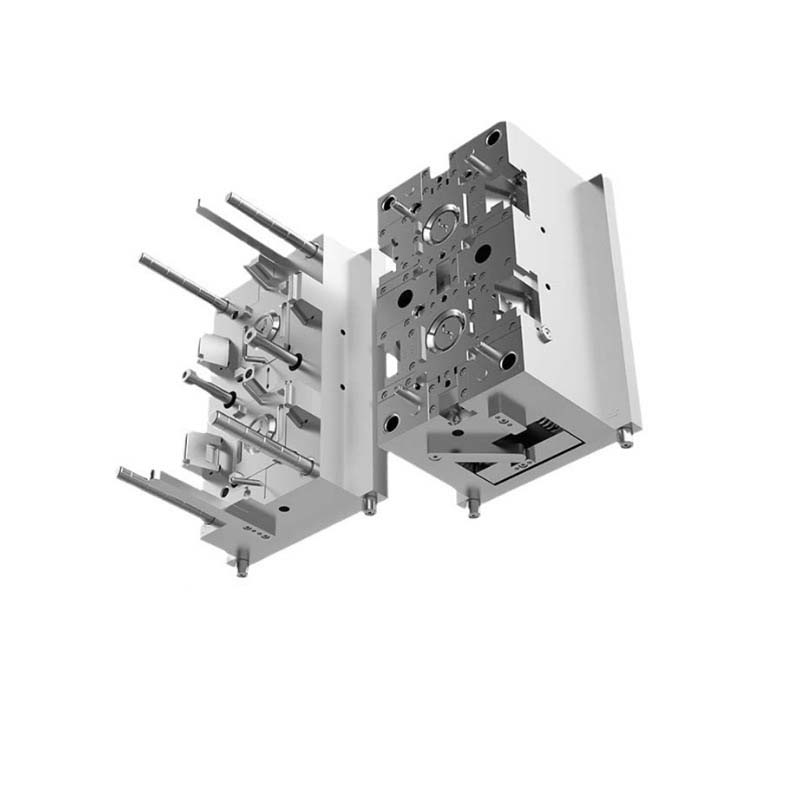
Before we talk pricing, let’s clarify what an injection mold actually is. It’s a precision tool that shapes molten plastic into finished parts. The process goes like this:
- Plastic pellets are melted in a heated barrel
- The molten plastic is injected under high pressure into the mold cavity
- The plastic cools and solidifies, taking the shape of the cavity
- The mold opens, and the part is ejected
This cycle repeats every few seconds to minutes, producing thousands or millions of identical parts.
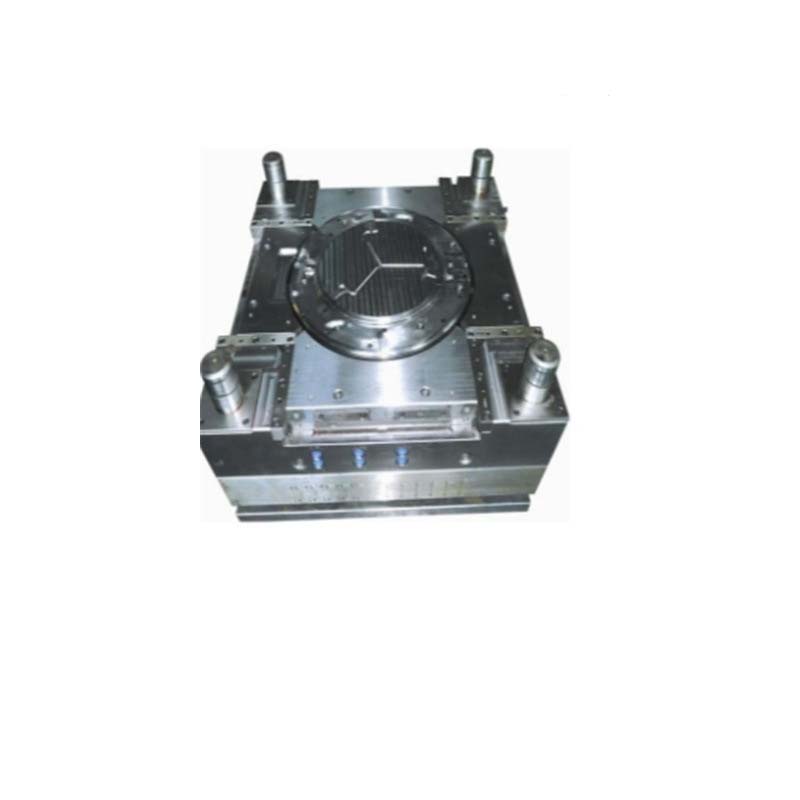
Molds are used across every industry. Automotive dashboards, smartphone cases, medical syringes, and food containers all come from injection molds. The tool itself is typically made from hardened steel or aluminum and can cost anywhere from a few thousand to hundreds of thousands of dollars.
What Factors Drive Mold Costs?
How Does Design Complexity Affect Price?
The single biggest factor in mold pricing is design complexity. A simple, block-shaped part requires a straightforward mold. A part with curves, undercuts, and fine details demands sophisticated engineering and machining.
| Complexity Level | Description | Typical Price Range |
|---|---|---|
| Low | Simple shapes, few details, standard tolerances | $2,000 – $10,000 |
| Medium | Moderate curves, some internal features, normal precision | $10,000 – $50,000 |
| High | Intricate 3D shapes, undercuts, tight tolerances (±0.01 mm) | $50,000 – $200,000+ |
Here’s why complexity adds cost. A mold with undercuts needs moving parts called slides or lifters. These mechanisms add machining time, assembly complexity, and potential failure points. A mold with tight tolerances requires slower, more precise machining and additional quality inspections.
A medical device company needed a mold with internal channels just 0.5 mm wide. Achieving that required specialized EDM (electrical discharge machining) and multiple inspection steps. The mold cost $78,000—three times what a simpler design would have cost. But for their application, the precision was non-negotiable.
Why Does Material Choice Matter So Much?
The material you build the mold from directly affects its price and its lifespan. Steel is the most common choice, but not all steel is equal.
| Material | Price per kg | Best For |
|---|---|---|
| Low-carbon steel | $2 – $5 | Low-volume prototypes, short runs |
| Medium-carbon steel | $5 – $10 | Medium-volume production |
| High-carbon steel | $10 – $20 | High-volume, general purpose |
| Alloy steel (P20, H13) | $20 – $50 | High-volume, abrasive materials |
| Beryllium-copper | $50 – $150 | Areas needing fast heat transfer |
P20 steel is a common choice for production molds. It machines well, holds polish, and lasts for hundreds of thousands of cycles. H13 handles higher temperatures and is often used for molds running glass-filled plastics that wear down standard steel.
A client once insisted on building a 500,000-cycle mold from low-carbon steel to save money upfront. By cycle 80,000, the mold showed significant wear. Part quality dropped. They ended up rebuilding the tool in P20—paying twice for the same mold.
How Does Production Volume Change Pricing?
The number of parts you plan to make influences both mold construction and per-part costs.
For low volumes (under 10,000 parts):
You might choose a simpler mold design or even aluminum tooling. Aluminum costs less and machines faster. But it wears out sooner. A $5,000 aluminum mold might give you 10,000 good parts before needing replacement.
For high volumes (100,000+ parts):
You need hardened steel tooling. The upfront cost is higher—often $30,000 to $80,000—but the mold will run for 500,000 to 1,000,000 cycles without significant wear.
| Production Volume | Mold Type | Typical Mold Cost | Cost per Part (over mold life) |
|---|---|---|---|
| 5,000 parts | Aluminum prototype | $3,000 – $8,000 | $0.60 – $1.60 |
| 50,000 parts | P20 steel, single cavity | $15,000 – $30,000 | $0.30 – $0.60 |
| 500,000 parts | Hardened steel, multi-cavity | $50,000 – $100,000 | $0.10 – $0.20 |
The math changes based on your total part quantity. A higher upfront mold cost often delivers lower per-part costs when spread over large volumes.
What Role Do Manufacturing Processes Play?
Different machining methods come with different price tags. Here’s how common processes compare.
| Process | Best For | Cost Impact |
|---|---|---|
| Standard CNC machining | Basic shapes, flat surfaces | Low to moderate |
| 5-axis CNC machining | Complex geometries, contoured surfaces | Moderate to high |
| EDM (electrical discharge machining) | Sharp corners, deep ribs, hardened steel | High |
| Wire EDM | Precise cutouts, tight tolerances | High |
| Hand polishing | Cosmetic surfaces, high-gloss finishes | Moderate to high |
A mold with simple straight walls might cost $10,000 to machine. Add deep ribs and sharp internal corners, and you’ll need EDM—which can add $5,000 to $15,000 to the cost.
A consumer electronics company wanted a high-gloss finish on their product housing. The mold required extensive hand polishing—over 40 hours of skilled labor. That added $3,200 to the tool cost but eliminated the need for secondary painting, saving money overall.
How Can You Get the Best Value?
Design for Manufacturability (DFM)
The cheapest mold is the one that requires less machining. Design for Manufacturability means simplifying your part design to reduce mold complexity.
Key DFM principles for molds:
- Maintain uniform wall thickness
- Add draft angles to vertical walls
- Avoid deep, narrow ribs
- Reduce undercuts where possible
- Use standard radii instead of sharp corners
A startup designing a wearable device had undercuts on three sides of their part. The mold would have needed complex slides, pushing cost to $45,000. By redesigning the assembly to use a snap-fit instead, they eliminated two undercuts. The mold cost dropped to $28,000.
Match Material to Production Needs
Don’t over-spec your mold material. A P20 mold running 200,000 parts is perfectly adequate. You don’t need H13 unless you’re running 1 million cycles or using abrasive materials like glass-filled nylon.
Plan for Maintenance
A mold isn’t a one-time expense. Factor in maintenance costs over its life. Routine maintenance—cleaning, lubrication, inspection—might run $500 to $2,000 per year. Major repairs after 200,000 cycles might cost 10% to 20% of the original mold price.
What Should You Look for in a Quote?
When comparing quotes, look beyond the total price. A low quote might mean:
- Lower-grade mold material
- Fewer cavities (slower production)
- Less rigorous quality inspection
- No maintenance support
A higher quote often includes:
- Certified materials with traceability
- Full inspection reports (CMM, hardness testing)
- Warranty and after-sales support
- Detailed documentation
One manufacturer quoted $22,000 for a mold. Another quoted $31,000. The higher quote included a full dimensional inspection report, spare parts, and a 12-month warranty. The lower quote offered none of these. The buyer chose the higher-priced option—and when a minor issue arose in production, the support saved them weeks of downtime.
Conclusion
Injection mold pricing comes down to four main factors: design complexity, material selection, production volume, and manufacturing processes. Simple molds with standard materials cost less. Complex molds with tight tolerances and high-volume requirements cost more.
The key is matching the mold to your actual needs. Don’t pay for features you don’t require. But also don’t skimp on quality if your production volume demands durability. A good mold is an investment—one that pays back in consistent parts, fewer rejects, and reliable production.
FAQ
Why do quotes for the same part vary so much?
Manufacturers use different materials, machining methods, and quality standards. A low quote may use lower-grade steel or skip critical inspections. A higher quote often includes better materials, tighter tolerances, and full quality documentation. Compare what’s included, not just the price.
Can I reduce mold cost by using aluminum instead of steel?
Yes, for low-volume production. Aluminum molds cost less and machine faster. But they wear out sooner—typically after 10,000 to 50,000 cycles. For high-volume production, steel is more cost-effective over the long run.
What hidden costs should I watch for?
Common hidden costs include mold maintenance, design changes after the mold is built, and shipping. Some manufacturers also charge separately for mold trials, sample parts, or repair services. Ask for a complete breakdown before approving a quote.
How many cavities should my mold have?
Single-cavity molds cost less upfront but produce one part per cycle. Multi-cavity molds cost more but produce 2, 4, 8, or more parts per cycle. The choice depends on your production volume. For 100,000+ parts, the faster cycle time of a multi-cavity mold usually justifies the higher initial cost.
How long should a mold last?
A well-maintained steel mold can produce 500,000 to 1,000,000 cycles. Aluminum molds typically last 10,000 to 50,000 cycles. Mold life depends on material, maintenance, and the type of plastic being molded (abrasive fillers like glass fiber reduce life).
Contact Yigu Technology for Custom Manufacturing
At Yigu Technology, we believe in transparent pricing and quality tooling. We help clients navigate the factors that affect mold costs—so you get the right tool for your project, not just the cheapest quote.
[Contact Yigu Technology today] to discuss your injection mold project. We’ll provide a detailed quote with clear explanations of every cost component.