Introduction
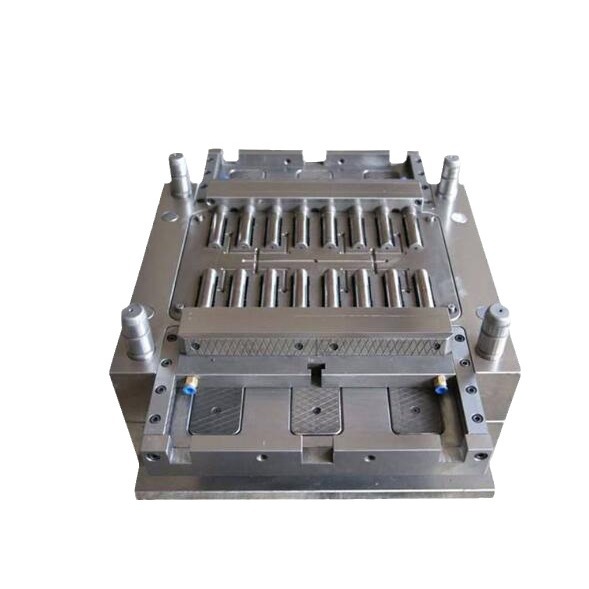
When you need a prototype mold or a short-run production tool, metal often feels like overkill. It is heavy, expensive, and slow to machine. On the other hand, basic plastics wear out too fast. They simply cannot handle repeated molding cycles without cracking or deforming.
PMI foam solves this problem. Short for poly(methacrylimide) foam, this material is a high-performance polymer that combines extreme lightness with surprising strength. It allows manufacturers to create molds that are fast to produce, easy to handle, and accurate enough for most prototyping needs.
In this guide, we will explore what makes PMI foam unique. You will learn how it compares to traditional mold materials, where it works best, and how to get the most out of it for your next project.
What Is PMI Foam?
PMI foam is a closed-cell rigid foam made from poly(methacrylimide). Its structure consists of tiny cells, typically between 50 and 200 micrometers in size. This cellular design gives the material a very low density while keeping its mechanical properties intact.
Key manufacturers include Evonik (Rohacell®), Diab Group (Divinycell® PMI), and 3A Composites. These brands supply PMI foam in sheets and blocks with various densities. Each density grade suits different load requirements.
Standard specifications follow aerospace-grade controls. Density ranges from 30 to 200 kg/m³, and mechanical properties like tensile and compressive strength are tightly managed. Many grades meet ASTM D1622 standards for compressive properties.
How Does PMI Foam Compare to Other Mold Materials?
Choosing the right mold material means balancing weight, speed, durability, and cost. The table below shows how PMI foam stacks up against common alternatives.
| Material | Density (kg/m³) | Relative Weight | Typical Cycle Life | Machining Speed | Relative Cost |
|---|---|---|---|---|---|
| PMI Foam | 30–200 | Very light | 10–1,000 cycles | Very fast | Low |
| Aluminum | 2,700 | Heavy | 10,000+ cycles | Moderate | Moderate |
| Steel | 7,800 | Very heavy | 100,000+ cycles | Slow | High |
| ABS Plastic | 1,000–1,200 | Light | 1–50 cycles | Fast | Very low |
Key takeaways:
- PMI foam weighs about 1/5 as much as aluminum.
- It costs roughly 1/10 as much as metal for prototype molds.
- Machining is 5 to 10 times faster than metal.
- Cycle life is lower, but for prototypes and low-volume runs, this trade-off makes sense.
What Properties Make PMI Foam Ideal for Molds?
Low Density for Lightweight Tools
PMI foam’s density typically falls between 60 and 100 kg/m³ for mold-making grades. A 10 kg aluminum mold component becomes a 1 to 2 kg PMI foam part. This reduction makes handling easier and enables portable tooling.
High Strength-to-Weight Ratio
Despite being light, PMI foam holds up under pressure. Rohacell® 71 HF, with a density of 70 kg/m³, offers:
- Compressive strength: 20 MPa
- Tensile strength: 18 MPa
These values are sufficient for low-pressure molding cycles up to 500 psi.
Good Thermal Insulation
Thermal conductivity is very low, between 0.03 and 0.05 W/m·K. This property helps maintain consistent molding temperatures and reduces energy loss during production.
Dimensional Stability
PMI foam maintains its shape across a wide temperature range, from -50°C to 120°C. The thermal expansion coefficient is 50–70 μm/m·°C, which is higher than metal but manageable for prototype work.
Chemical Resistance
The material resists most plastics, resins, and coolants used in molding. Strong solvents like acetone can cause damage, so cleaning agents should be chosen carefully.
Flame Retardancy
Many PMI foam grades meet UL94 V-0 standards. This flame-retardant property makes them suitable for aerospace and automotive applications with strict safety requirements.
Where Is PMI Foam Used in Mold Making?
Prototype Molds
Validating a new design often requires a physical mold. PMI foam molds can be machined in one to two days, compared to one to two weeks for metal. This speed accelerates time-to-market and allows multiple design iterations without long delays.
Example: A consumer electronics company needed to test five different housing designs. Using PMI foam, they produced all five molds in under two weeks. Metal tooling would have taken over a month and cost five times more.
Low-Volume Production Molds
For runs of 10 to 1,000 parts, PMI foam offers a cost-effective solution. It handles thermoplastics like ABS and polyethylene with ease. Custom consumer electronics, aerospace prototypes, and specialized automotive components are common applications.
Aerospace Molds
Lightweight tooling is critical for composite parts. Drone frames and aircraft interior components often use PMI foam molds. The low weight reduces handling costs and allows on-site molding in some cases.
Automotive Interior Molds
Prototyping dashboards, door panels, and trim requires quick design changes. PMI foam molds withstand low-pressure injection molding of polyurethane, enabling rapid iteration.
Medical Device Molds
For small-batch production of medical components like device housings, PMI foam offers chemical resistance and ease of machining. Portability is an added benefit for molds used in different locations.
How Do You Machine and Fabricate PMI Foam?
Precision Machining
PMI foam cuts easily with CNC routers, mills, and lasers. Carbide tools with sharp edges work best. Cutting speeds of 300 to 500 SFM are typical—5 to 10 times faster than aluminum.
CNC Milling
Three-axis CNC milling achieves tolerances of ±0.1 mm, sufficient for most prototypes. High-speed spindles above 10,000 RPM produce smooth surfaces, reducing the need for post-processing.
Cutting and Shaping
Hot wires, band saws, or waterjets work well for rough shaping. CNC finishing adds precision. This flexibility allows both quick prototyping and detailed work.
Surface Finishing
Sanding with 120 to 400 grit paper achieves a surface finish of Ra 1–5 μm. This is suitable for most prototype molds. Sealing with epoxy or polyurethane coatings improves surface smoothness for cosmetic parts.
Bonding and Assembly
PMI foam bonds well with epoxy adhesives. This allows large, complex molds to be assembled from smaller blocks. Standard sheet sizes are typically 1.2 m by 2.4 m, so bonding may be necessary for larger tools.
Machining Challenges
PMI foam generates dust during machining. Proper ventilation is essential. The material also has low thermal conductivity, so excessive friction can melt the surface. Using sharp tools and light feeds prevents this issue.
How Do You Maintain and Repair PMI Foam Molds?
Mold Cleaning
Clean PMI foam surfaces with mild soap and water or isopropyl alcohol. Harsh solvents should be avoided, as they can dissolve the foam.
Surface Treatment
Applying a thin epoxy coating, typically 0.1 to 0.5 mm, enhances wear resistance and surface smoothness. This treatment can extend mold life by 2 to 3 times. It is recommended for molds running more than 100 cycles.
Repair Techniques
Small cracks or dents can be repaired with epoxy putty, which bonds well to PMI foam. Sanding the repaired area ensures a smooth surface and prevents part defects.
Preventive Maintenance
Inspect PMI foam molds before each use, especially in high-pressure areas like gates. Reinforcing these areas with fiberglass or carbon fiber patches can prevent failure.
Inspection
Visual checks for warping or degradation are usually sufficient. For high-precision applications, use calipers to verify dimensional stability, as foam can compress slightly over time.
Yigu Technology’s Perspective
As a custom manufacturing supplier, we rely on PMI foam for rapid prototyping molds. The 70 to 80 percent weight reduction compared to aluminum makes handling easier and safer. CNC machining in one to two days cuts prototype lead times drastically.
We typically use 60 to 100 kg/m³ density grades for low-volume runs of 10 to 500 parts. This range balances strength and cost effectively. While PMI foam is not suitable for high-pressure production, it is invaluable for validating designs before investing in metal tooling.
Our team applies epoxy coatings to extend mold life, ensuring clients get reliable results at a fraction of the cost of metal molds. For speed and affordability, PMI foam is unmatched.
Conclusion
PMI foam offers a practical alternative to metal and standard plastics for prototype and low-volume molds. It combines lightweight construction, fast machining, and sufficient strength for many applications. While it does not match the durability of steel or aluminum, its trade-offs make sense when speed and cost are priorities.
Understanding the material’s properties, machining methods, and maintenance requirements helps you get the best results. Whether you are in aerospace, automotive, medical devices, or consumer electronics, PMI foam can accelerate your development cycle and reduce costs.
FAQ
How many cycles can a PMI foam mold handle?
PMI foam molds typically last 10 to 1,000 cycles, depending on density and application. Low-density grades (30–60 kg/m³) work for 10–100 cycles, while high-density grades (100–200 kg/m³) handle 500–1,000 cycles for low-pressure molding.
Can PMI foam molds be used with high-temperature plastics?
PMI foam withstands temperatures up to 120–150°C, making it suitable for ABS, polyethylene, and polyurethane. Avoid high-temperature plastics like PEEK, which melt above 300°C and can damage the foam.
How does PMI foam compare to 3D-printed molds in cost and speed?
PMI foam molds are often cheaper than 3D-printed metal molds and faster to produce than 3D-printed plastic molds for large parts. They also offer better surface finish than most 3D-printed tools, reducing post-processing needs.
Contact Yigu Technology for Custom Manufacturing
Looking for fast, cost-effective mold solutions? Yigu Technology specializes in custom non-standard plastic and metal products. We combine hands-on experience with advanced manufacturing capabilities to deliver quality results. Whether you need a prototype mold or low-volume production tool, our team is ready to help.
Reach out today to discuss your next project. Let’s find the right solution together.