Introduction
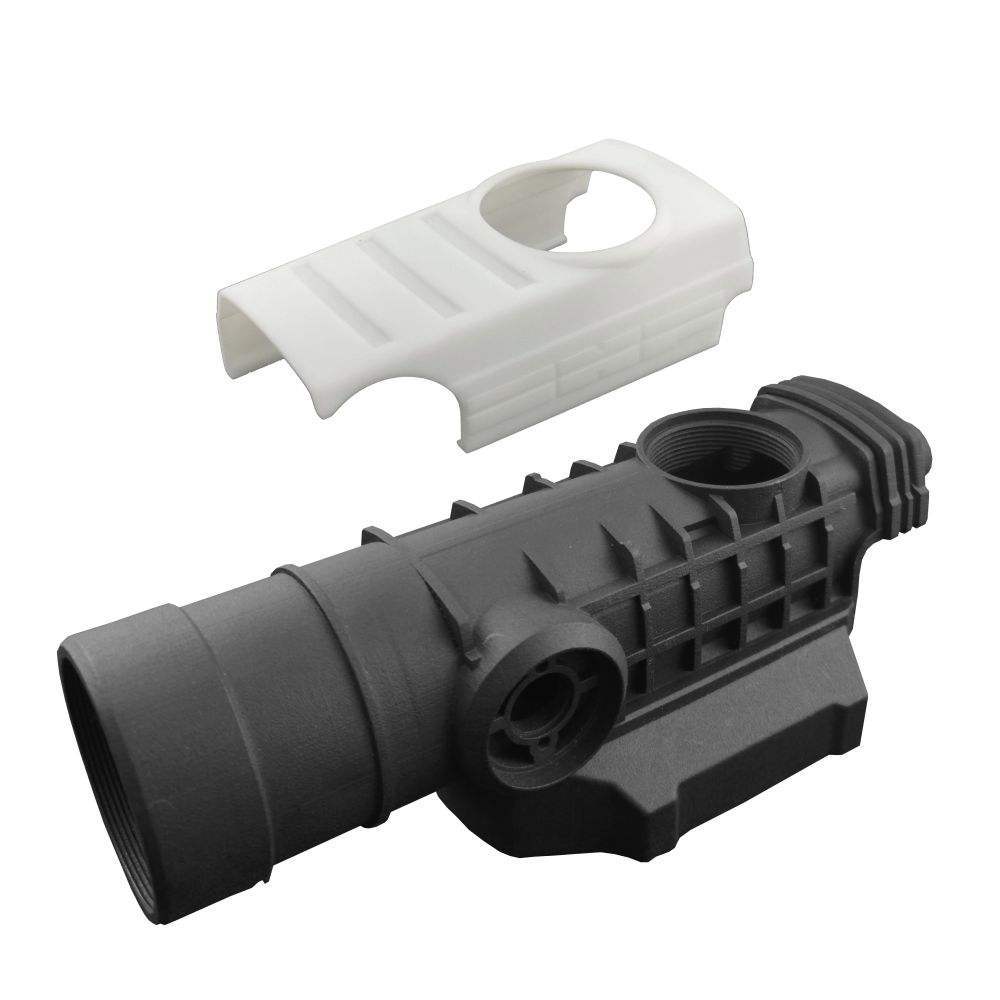
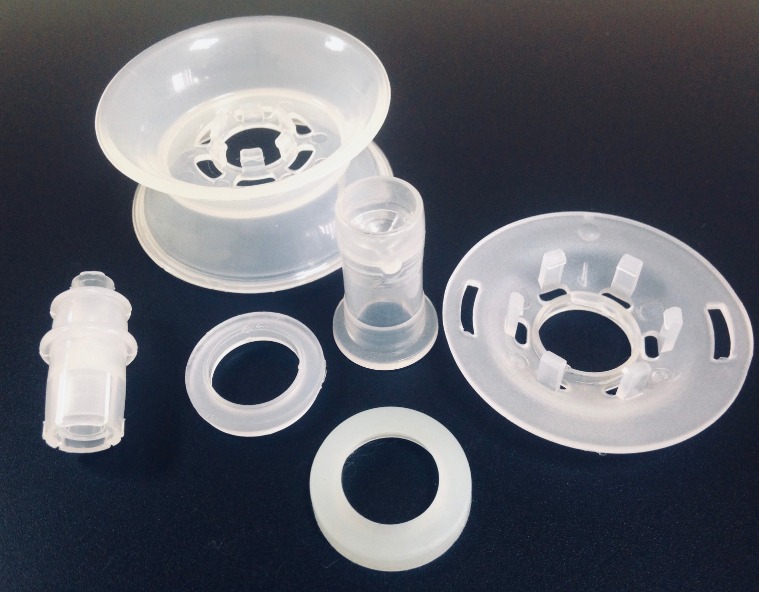
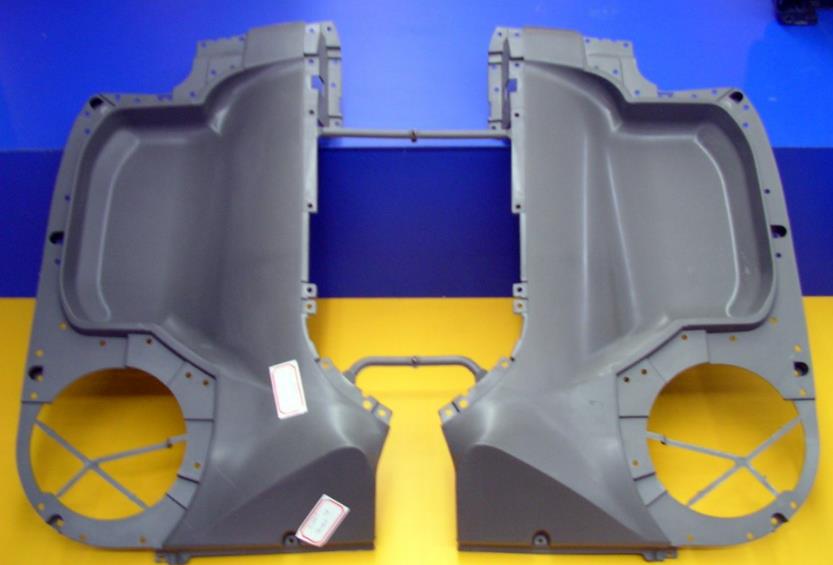
Plastic molds are everywhere. They shape the smartphone in your pocket, the dashboard in your car, and even life-saving medical devices. In fact, over 70 percent of all plastic products today are made using plastic molds. This staggering figure highlights just how essential these tools have become.
But modern manufacturing demands more than just shaping plastic. It demands precision. Tolerances now reach the micrometer range. A tiny deviation can mean the difference between a perfect fit and a catastrophic failure—especially in aerospace or medical applications. For a medical implant, a well-crafted mold ensures the device fits perfectly, minimizing rejection risk and ensuring patient safety.
So how does the plastic mold revolution achieve such remarkable precision? This guide explores the advanced technologies, innovative materials, and meticulous processes that are redefining this field. You will gain a clear understanding of how these elements work together to create the products you rely on every day.
What Are the Basics of Plastic Molds?
Definition and Function
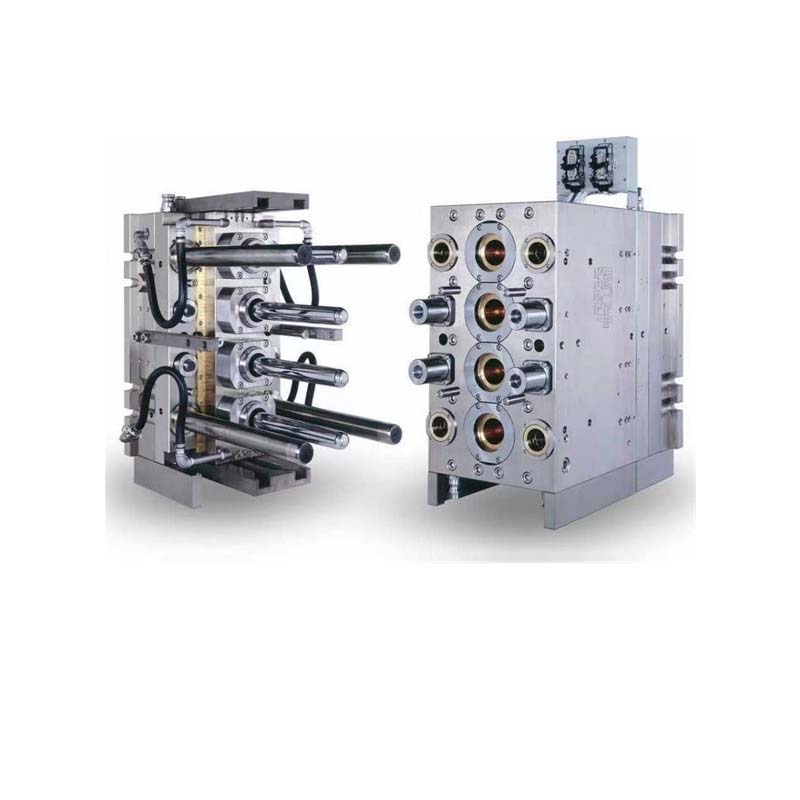
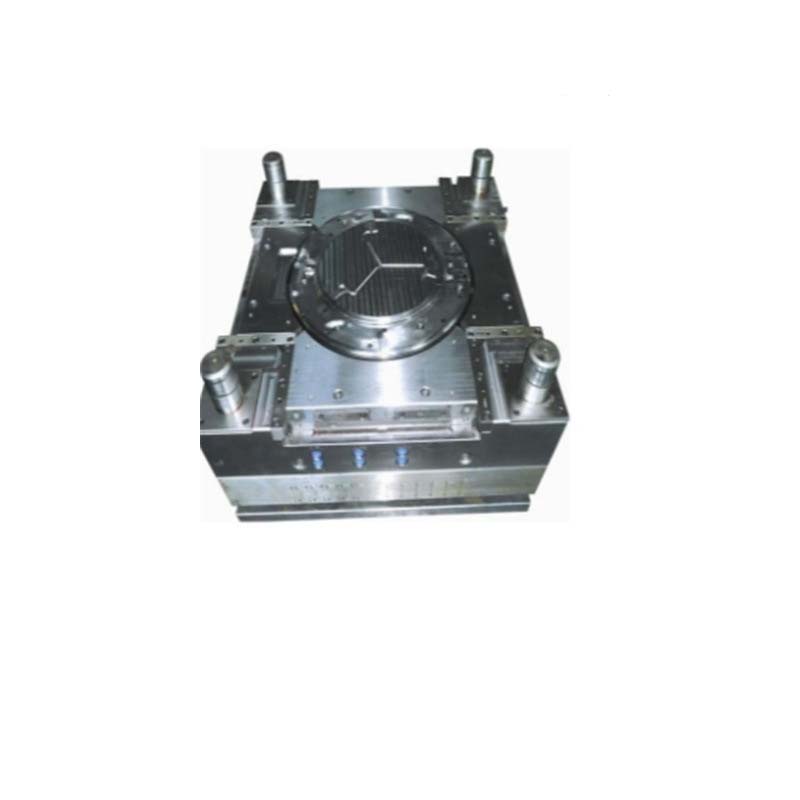
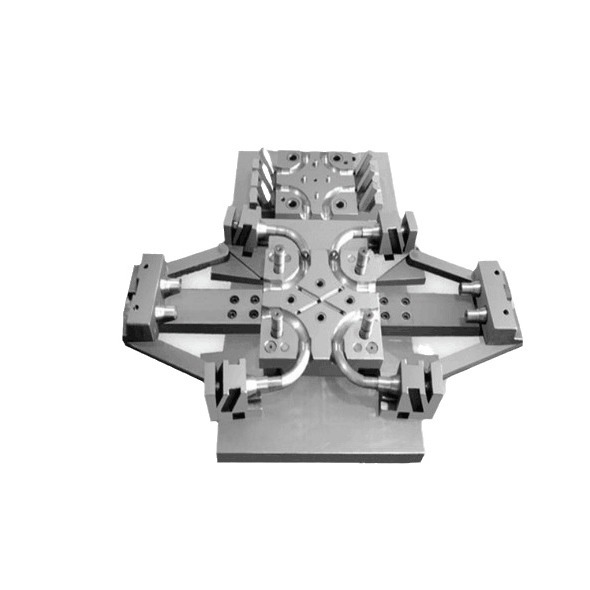
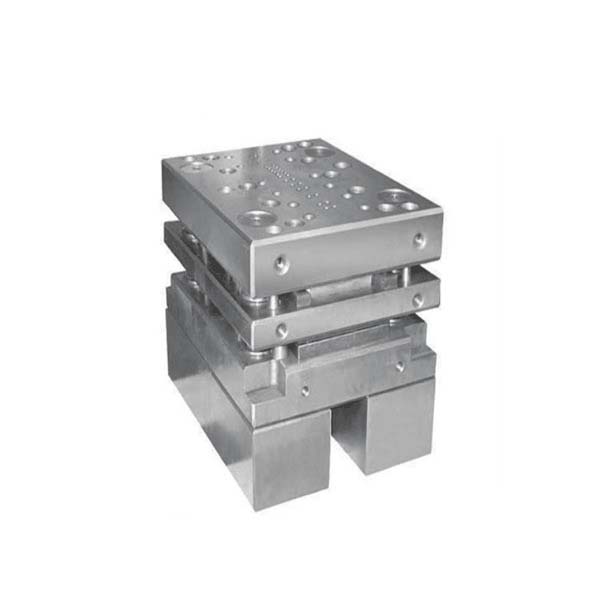
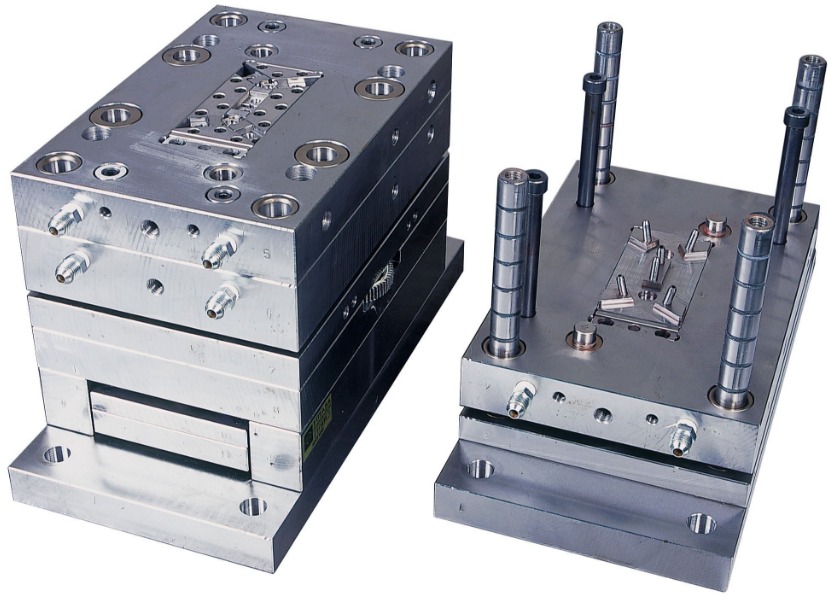
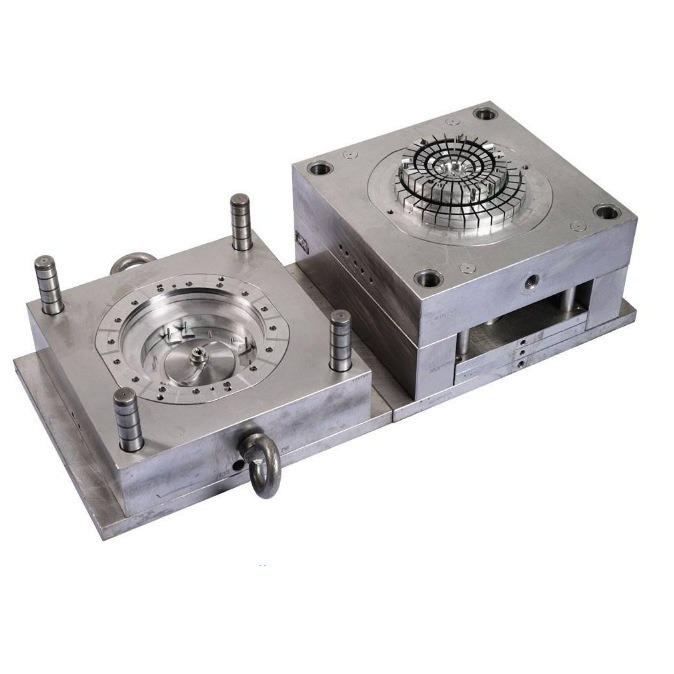
A plastic mold is a specialized tool that shapes molten plastic into a finished product. Plastic pellets are heated until they flow. Then they are injected, compressed, or blown into the mold cavity. Inside, the plastic takes the exact shape of the mold. After cooling, a finished part emerges.
This process is highly efficient. It allows mass production of identical items with consistent quality. Consider a plastic beverage bottle. The mold determines every curve, the neck size, and the overall dimensions. Each bottle must be identical to fill, cap, and distribute reliably.
Types of Plastic Molds
Different molds serve different purposes. The table below summarizes the main types, their applications, and trade-offs.
| Mold Type | Suitable Applications | Advantages | Disadvantages |
|---|---|---|---|
| Injection Molding | Electronic housings, gears, intricate toys | High speed, tight tolerances (±0.01mm), complex geometries | High initial cost, long lead times |
| Compression Molding | Automotive bumpers, large containers, furniture components | Handles large parts, simpler mold structure, lower pressure requirements | Lower efficiency, limited shape complexity, longer curing times |
| Blow Molding | Plastic bottles, containers, air ducts | Efficient for hollow objects, uniform wall thickness, low waste | Limited to hollow shapes, lower precision on external features |
| Extrusion Molding | Pipes, window frames, plastic sheets | Continuous high-speed production, cost-effective for long runs | Limited to constant cross-sections, may require finishing |
What Makes the Plastic Mold Process Revolutionary?
Design Phase
The design phase is where precision begins. Today, Computer-Aided Design (CAD) and Computer-Aided Manufacturing (CAM) technologies are standard. Designers create highly detailed 3D models of the mold. Every aspect—wall thickness, insert positions, draft angles—is precisely defined.
Working digitally allows rapid iterations. Changes happen in hours, not weeks. Once finalized, the CAD model transfers directly to CAM systems for manufacturing instructions.
Case example: A major electronics manufacturer adopted advanced CAD/CAM for smartphone shell molds. The result? Mold-related product rejection rates dropped by 20 percent. This saved costs and improved market competitiveness.
Material Selection
The choice of mold material directly affects performance and final part quality. Different mold steels offer different properties.
NAK80 offers excellent machinability and a high-quality mirror finish. It reduces machining time and cost. This makes it ideal for optical lenses and high-end cosmetic packaging where surface finish matters most.
S136 excels in corrosion resistance. Medical products like syringes and device housings often use S136 molds. These products face strict hygiene and sterilization requirements. Corrosion resistance ensures the mold stays in good condition over a long service life.
| Mold Steel | Machinability | Mirror Finish | Corrosion Resistance | Typical Applications |
|---|---|---|---|---|
| NAK80 | Excellent | High-quality | Moderate | Optical components, high-end packaging |
| S136 | Good | Good | High | Medical products, food-contact items |
| P20 | Fair | Average | Low | General-purpose products, toys |
Manufacturing Process
The manufacturing process combines several precision steps.
CNC machining creates the basic mold shape. Advanced CNC machines achieve tolerances as low as ±0.001 mm. For a small, intricate plastic gear, CNC machines accurately cut tooth profiles and fine details.
Electrical Discharge Machining (EDM) handles features that traditional machining cannot reach. It uses electrical discharges to erode metal. This creates sharp corners, deep cavities, and complex internal features like cooling channels.
Heat treatment follows mechanical processing. Processes like quenching and tempering improve hardness, toughness, and wear resistance. A properly heat-treated mold withstands thousands of production cycles.
Surface treatment completes the process. Electroplating, nitriding, and polishing improve surface finish, corrosion resistance, and release properties. A polished mold reduces friction, helping plastic flow freely and parts eject cleanly.
What Are the Key Precision-Crafting Elements?
Tolerance Control
Tolerance control determines how closely actual dimensions match design specifications. In aerospace and medical device manufacturing, tight tolerances are non-negotiable.
High-end CNC machining centers use advanced servo-control systems. These systems precisely control cutting tool movement. Real-time monitoring sensors detect deviations immediately. The control system then makes automatic adjustments to correct them.
Tolerance ranges vary by application:
- General-purpose molds: ±0.1 mm
- Precision molds: ±0.01 mm or less
- Micro-electronic components: Tolerances in the micrometer range
This level of precision ensures parts fit together perfectly. It reduces post-processing and improves final product quality.
Surface Finish
Surface finish affects both appearance and performance. A smooth finish enhances aesthetic appeal. For consumer goods like smartphones and appliances, a high-quality surface signals luxury and increases market competitiveness.
Performance also depends on surface finish. Mechanical components and medical devices require low friction for smooth movement. A smooth surface reduces resistance, improving efficiency and lifespan.
Several methods achieve high-quality surface finishes:
| Treatment Method | Surface Roughness (Ra, μm) | Aesthetic Impact | Performance Impact |
|---|---|---|---|
| No Treatment | 1–5 | Poor, visible roughness | High friction, low corrosion resistance |
| Rough Polishing | 0.1–0.5 | Moderate, some imperfections remain | Reduced friction, limited corrosion protection |
| Fine Polishing | 0.01–0.1 | High, mirror-like finish | Low friction, still limited corrosion resistance |
| Electroplating (Nickel) | 0.001–0.01 | High-gloss metallic luster | Low friction, excellent corrosion and wear resistance |
For optical lenses, fine polishing ensures excellent light transmission without surface defects. Nickel electroplating on automotive molds provides a smooth, shiny surface while protecting against corrosion from chemicals and environmental exposure.
Yigu Technology’s Perspective
As a custom supplier of non-standard plastic and metal products, we see precision as the foundation of quality.
In design, we use CAD/CAM integration to catch issues early. Digital simulations allow us to optimize wall thickness, gate placement, and cooling channels before any metal is cut.
In material selection, we match the mold steel to the application. For high-gloss consumer products, we choose NAK80. For medical components requiring sterilization, we select S136 for its corrosion resistance.
In manufacturing, we combine CNC machining, EDM, and heat treatment with strict quality controls. Real-time monitoring ensures every operation stays within tolerance.
In finishing, we apply polishing and coatings that match the customer’s requirements. The result is molds that deliver consistent precision over long production runs.
Conclusion
The plastic mold revolution is about more than shaping plastic. It is about achieving precision at scales once thought impossible. Advanced CAD/CAM design, carefully selected materials, and multi-step manufacturing processes work together to create molds with tolerances measured in micrometers.
This precision enables industries to push boundaries. Medical implants fit perfectly. Aerospace components perform reliably. Consumer products look and feel premium. As technology continues to advance, the capabilities of plastic molds will only expand—crafting the future one precise part at a time.
FAQ
What factors should be considered when choosing a plastic mold material?
Consider product requirements first. For high surface finish needs, choose materials like NAK80. For corrosive environments, select S136. Also consider expected mold life—high-wear applications require tougher steels. Cost is a factor too; balance material cost against production volume and quality requirements.
How can I ensure the precision of plastic molds during manufacturing?
Use advanced CNC equipment with servo-control systems. Implement real-time monitoring to detect and correct deviations immediately. Apply strict quality control at every stage, including raw material inspection and non-destructive testing like ultrasonic or X-ray inspection.
What are common problems in plastic mold production and how do you solve them?
Flash (excess plastic at mold edges) can be solved by optimizing injection pressure, checking mold closure, and replacing worn components. Shrinkage (dimensional inaccuracies) requires proper mold design with uniform wall thickness, controlled cooling, and material-specific compensation. Air traps (voids from trapped air) are fixed by designing proper venting systems that allow air to escape during injection.
Contact Yigu Technology for Custom Manufacturing
Looking for precision plastic molds that deliver consistent quality? Yigu Technology specializes in custom non-standard plastic and metal products. We combine advanced design tools, careful material selection, and precise manufacturing to create molds that meet your exact specifications.
Reach out today to discuss your next project. Let us help you craft precision into every part.