Introduction
Imagine molding a tiny electronic connector with pins spaced just microns apart. Or a turbine blade with internal cooling channels that must align perfectly. These parts demand precision that standard injection molding sometimes cannot deliver.
Enter die lock injection molding. This advanced process uses a sophisticated locking mechanism that holds mold halves together with exceptional stability. The result? Tighter tolerances, less flash, and the ability to mold challenging materials that regular processes struggle to handle.
This guide explores what die lock injection molding is, how it differs from conventional methods, and where it delivers the most value. Whether you’re manufacturing high-performance automotive components or precision electronics, you’ll understand when—and why—this process makes sense.
How Is Die Lock Injection Molding Different?
The Locking Mechanism
Standard injection molding relies on the machine’s clamping force to hold mold halves closed. For most applications, this works well. But during high-pressure injection, even slight movement can occur.
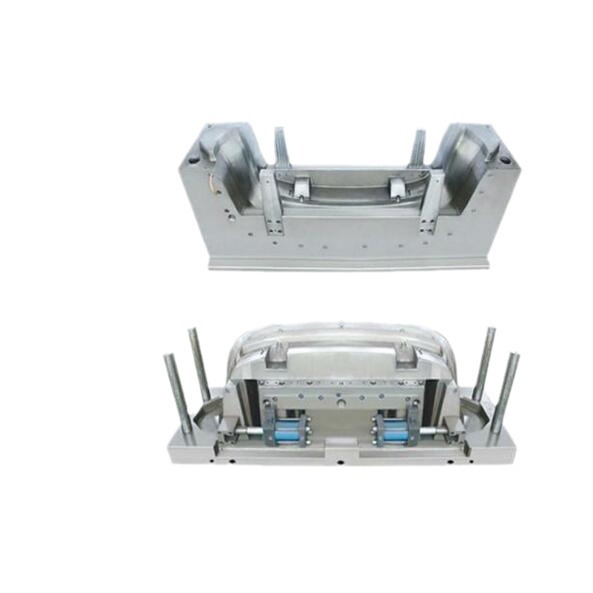
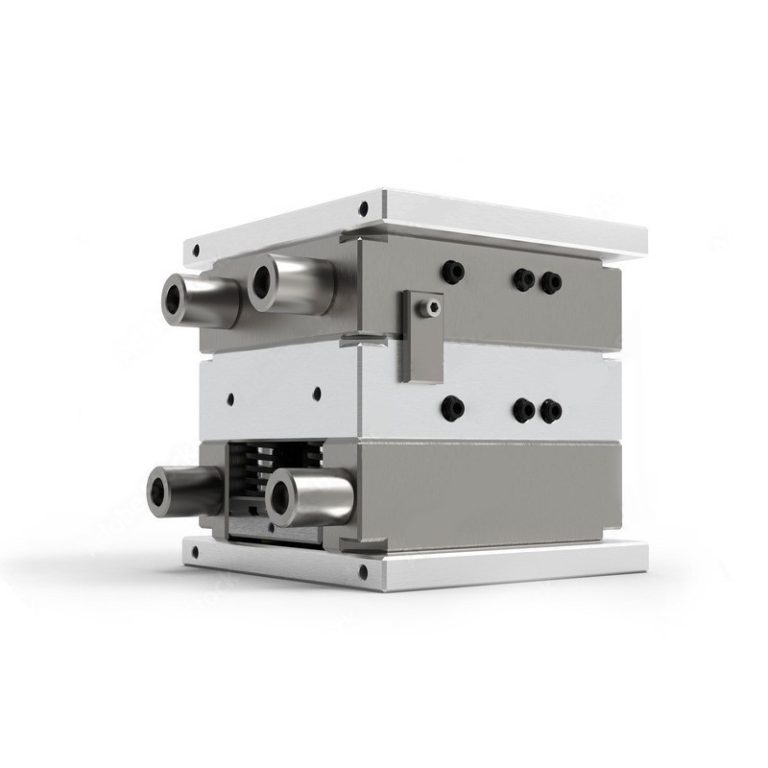
Die lock injection molding uses a more sophisticated system. Interlocking teeth, precision-engineered bolts, or specialized clamping mechanisms create a nearly air-tight, movement-free seal. The die halves stay locked in place with zero deflection during injection.
The practical difference? Less flash. Less variation between cycles. And more consistent part dimensions.
Precision Differences
When tolerances matter, die lock injection molding delivers.
| Parameter | Regular Injection Molding | Die Lock Injection Molding |
|---|---|---|
| Typical dimensional variation | ±0.1–0.2 mm | ±0.05 mm or less |
| Flash occurrence | Moderate to high | Minimal |
| Part-to-part consistency | Good | Excellent |
| Suitability for micro-components | Limited | Highly suitable |
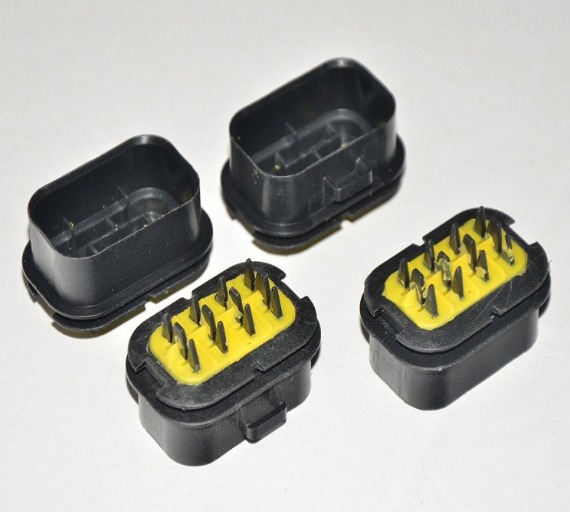
For high-speed data connectors, tolerances often fall in the micron range. Die lock injection molding achieves these consistently. Industry testing shows die lock molded connectors achieve 99.9% signal integrity rates compared to 98.5% for standard molding in high-speed applications.
Material Compatibility
Regular injection molding handles most thermoplastics well. Die lock injection molding goes further. It can process high-performance engineering plastics that challenge conventional equipment.
PEEK (Polyether Ether Ketone) exemplifies this. It offers outstanding mechanical properties, chemical resistance, and high-temperature stability. But it has a high melting point and high viscosity. Die lock injection molding maintains precise control over injection pressure and mold temperature, making complex PEEK parts achievable.
What Unique Features Does Die Lock Injection Molding Offer?
Enhanced Mold Durability
The locking mechanism reduces stress on the mold during injection. Less stress means longer mold life.
In an automotive parts plant producing engine components, die lock molds lasted 30% longer than traditional injection molds. This translates to fewer mold replacements, less downtime, and lower tooling costs over time.
Complex Part Geometry
Die lock injection molding handles intricate features that other processes struggle with:
- Undercuts: Locked mold halves remain stable, allowing complex side actions
- Thin walls: Consistent pressure fills thin sections without deflection
- Multi-level features: Multiple cavities and core pulls operate precisely
Aerospace components like turbine blades require internal cooling channels and precise aerodynamic profiles. Die lock injection molding creates these geometries reliably.
How Does the Die Lock Injection Molding Process Work?
Step 1: Raw Material Preparation
Material Selection
Choose materials based on application requirements. For high-performance automotive components, nylon 6/6 or glass-filled polypropylene offer strength and heat resistance. For medical devices, biocompatible plastics like polyether-block-amide (PEBA) are appropriate.
Drying and Pre-treatment
Most thermoplastics absorb moisture. Residual moisture causes bubbles, surface defects, and reduced mechanical properties.
| Material | Drying Temperature | Drying Time | Target Moisture |
|---|---|---|---|
| ABS | 80–90°C | 2–4 hours | <0.05% |
| Polycarbonate (PC) | 120°C | 3–4 hours | <0.02% |
| Nylon 6/6 | 80°C | 4–6 hours | <0.10% |
Desiccant dryers or hot air ovens perform this step.
Step 2: Mold Preparation
Mold Design and Manufacturing
Advanced CAD and CAM software design the mold. For complex parts, molds incorporate moving components—slides, lifters, and cores—to create undercuts and intricate features.
Mold steel selection matters:
- P20 steel: Good machinability and surface finish; suitable for medium volumes
- H13 steel: High-temperature strength and wear resistance; ideal for high-performance plastics
Mold Installation and Calibration
The mold mounts onto the injection molding machine. Precision alignment pins ensure perfect alignment between halves. Calibration includes setting:
- Clamping force: Typically 50–100 tons for medium-sized molds
- Moving part positions: Slides, lifters, and cores must travel precisely
Step 3: The Injection Process
Melting and Injection
Dried material feeds into the heated barrel. A rotating screw plasticizes the material, melting it to a viscous state. Barrel temperatures are zoned:
For polyethylene:
- Rear zone: 180°C
- Front zone: 220°C
Once melted, the screw moves forward rapidly, injecting molten plastic into the closed mold cavity. Injection pressure ranges from 500 to 2,000 bar:
- Simple parts, low-viscosity materials: 500–800 bar
- Complex parts, high-viscosity materials: 1,500–2,000 bar
Filling and Packing
Filling time typically runs 0.5–5 seconds. Shorter fill times minimize weld lines and ensure uniform material distribution—but require higher speeds and pressures.
After filling, packing pressure compacts the material. This compensates for shrinkage during cooling. Packing pressure runs lower than injection pressure but applies for 2–10 seconds.
Step 4: Cooling and Demolding
Cooling
Cooling determines final shape and dimensional stability. Mold cooling channels circulate coolant—water or oil—to remove heat.
Cooling time dominates the cycle, accounting for 70–80% of total time:
- Thin walls (2–3 mm): 10–20 seconds
- Thick walls: Several minutes
Demolding
Once cooled, the mold opens. Ejector pins or plates push the part out. Delicate features require gentle ejection to prevent damage.
Where Is Die Lock Injection Molding Used?
Automotive Industry
Engine Components
Intake manifolds demand high-temperature resistance and dimensional stability. Polyphenylene sulfide (PPS) molded through die lock injection achieves complex internal channel designs with tight tolerances. Engines with these manifolds show 5–10% fuel efficiency improvements compared to traditional designs.
Interior Trim
Dashboards and door panels require aesthetic surfaces and lightweight construction. Polypropylene with additives delivers. Die lock molding replicates fine textures and complex shapes precisely.
Electronics Industry
High-Speed Connectors
USB 3.0, HDMI, and data transmission connectors require micron-level tolerances. Pin-hole alignment must be exact. Die lock injection molding achieves the precision needed for 99.9% signal integrity.
Device Housings
Smartphone cases, tablet backs, and laptop enclosures use ABS and polycarbonate. Die lock molding produces thin-walled housings with curved edges and complex geometries. Thin walls reduce weight and improve heat dissipation.
Medical Industry
Surgical Instruments
Precision instruments require handles and components that fit perfectly. Die lock molding delivers consistent dimensions across production runs.
Diagnostic Equipment
Housings for diagnostic devices must protect sensitive electronics while maintaining cleanability. Die lock molding achieves the necessary tolerances and surface finishes.
Aerospace Industry
Turbine Blades
Lightweight, strong components with complex internal cooling channels. Die lock injection molding of high-performance plastics enables designs previously achievable only with metal—at significantly lower weight.
What Are the Cost Considerations?
Die lock injection molding involves higher initial investment than standard molding. The sophisticated locking mechanism and precision mold construction add cost.
| Cost Factor | Regular Injection Molding | Die Lock Injection Molding |
|---|---|---|
| Mold cost | Baseline | 20–40% higher |
| Machine requirements | Standard | Specialized locking systems |
| Cycle time | Standard | Similar or slightly longer |
| Per-part cost (high volume) | Baseline | Comparable |
| Tooling lifespan | Baseline | 20–30% longer |
For high-volume production, the extended mold life and reduced scrap often offset the higher initial investment. For applications requiring tight tolerances or difficult materials, die lock molding is often the only viable option.
Yigu Technology's Perspective
At Yigu Technology, die lock injection molding plays a central role in our custom manufacturing capabilities. Precision and consistency matter in every component we produce—from electronic connectors to automotive engine parts.
The process allows us to achieve tight tolerances that standard molding cannot. When clients bring innovative designs with complex geometries, die lock injection molding makes them manufacturable. It handles the high-performance materials that demanding applications require—PEEK for aerospace, PPS for automotive, biocompatible plastics for medical devices.
The extended mold life also benefits our customers. Longer-lasting molds mean lower tooling amortization over production runs, making high-precision parts more cost-effective.
Conclusion
Die lock injection molding represents the precision end of the injection molding spectrum. Its sophisticated locking mechanism holds mold halves with exceptional stability, delivering tighter tolerances, less flash, and the ability to process challenging materials.
The process excels where standard injection molding reaches its limits—micro-components, high-performance engineering plastics, and parts with complex geometries. For automotive, electronics, medical, and aerospace applications, die lock molding often delivers the precision that makes advanced designs possible.
Understanding when to use this process—and when standard molding suffices—helps manufacturers balance cost, precision, and performance effectively.
FAQ
What is the difference between die lock injection molding and regular injection molding?
Die lock injection molding uses a specialized locking mechanism—interlocking teeth or precision bolts—that creates a movement-free seal between mold halves. Regular injection molding relies solely on the machine’s clamping force. Die lock delivers tighter tolerances (±0.05 mm or less), less flash, and better capability with challenging materials.
What materials work best with die lock injection molding?
Any thermoplastic suitable for injection molding works, but die lock excels with high-performance engineering plastics like PEEK, PPS, and glass-filled nylons. These materials have high melting points and viscosities that require precise process control. Standard thermoplastics like ABS, polycarbonate, and polypropylene also benefit from the improved precision.
How much longer do die lock molds last?
In production environments, die lock molds typically last 20–30% longer than standard injection molds. The locking mechanism reduces stress on the mold during injection, minimizing wear and extending tooling life. This reduces maintenance frequency and tooling replacement costs over time.
Can die lock injection molding be used for small-batch production?
Yes, but with considerations. Mold costs are higher than standard molding, making very small batches less cost-effective. However, for applications requiring extreme precision or difficult materials, die lock may be the only viable option. Rapid-prototyping mold techniques can reduce upfront costs for small-batch runs.
What industries benefit most from die lock injection molding?
Automotive for engine components and precision interior parts. Electronics for high-speed connectors and device housings requiring tight tolerances. Medical for surgical instruments and diagnostic equipment. Aerospace for lightweight, complex components like turbine blades and structural parts.
Contact Yigu Technology for Custom Manufacturing
At Yigu Technology, we specialize in precision injection molding, including die lock processes for demanding applications. Our team brings deep expertise in high-performance materials, complex geometries, and tight-tolerance production. From automotive engine components to medical devices, we deliver quality that meets rigorous standards. Contact us today to discuss your precision injection molding project.