Introduction
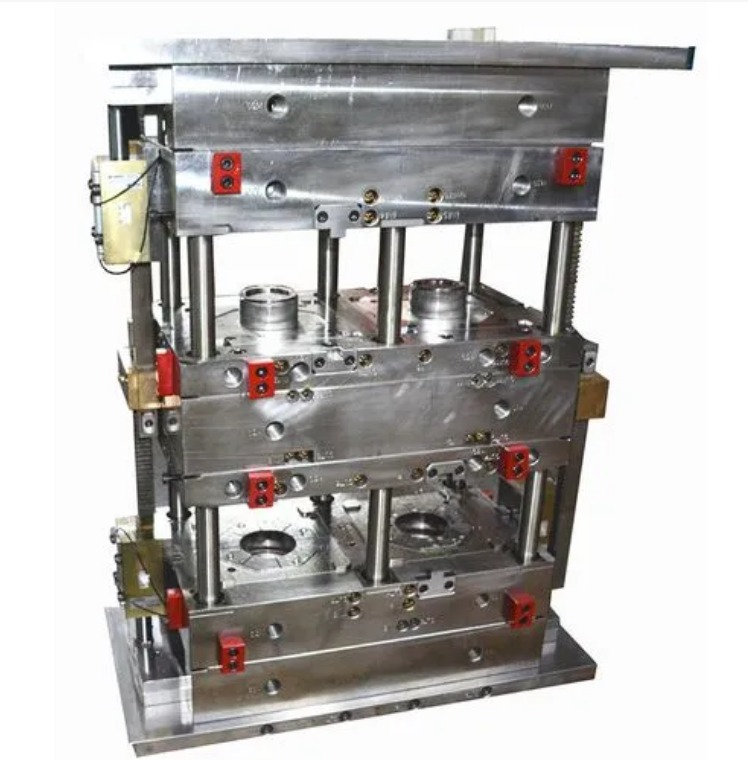
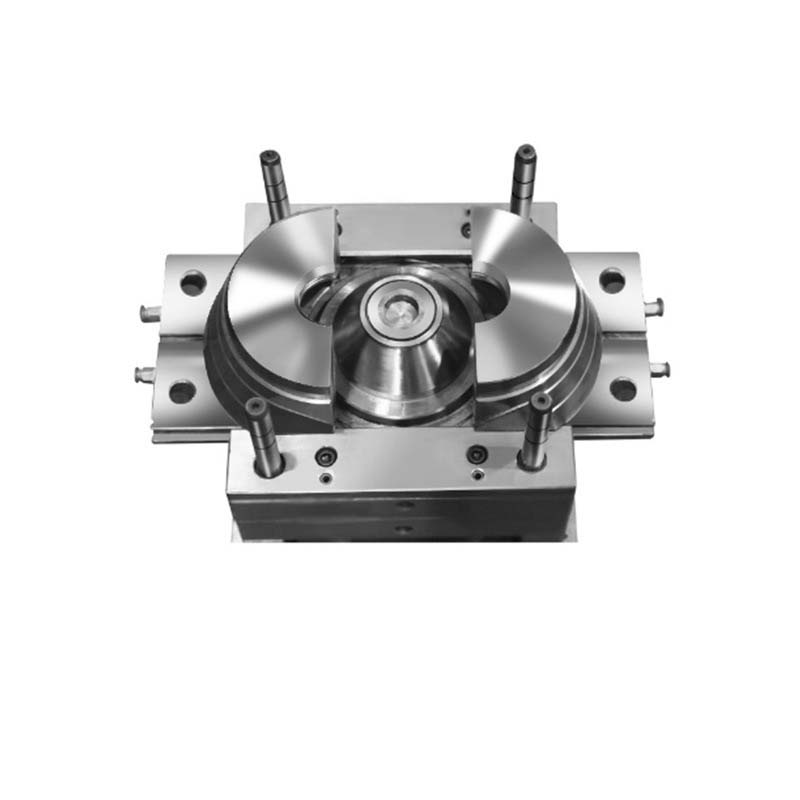
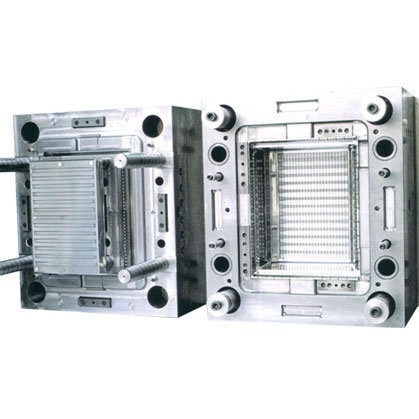
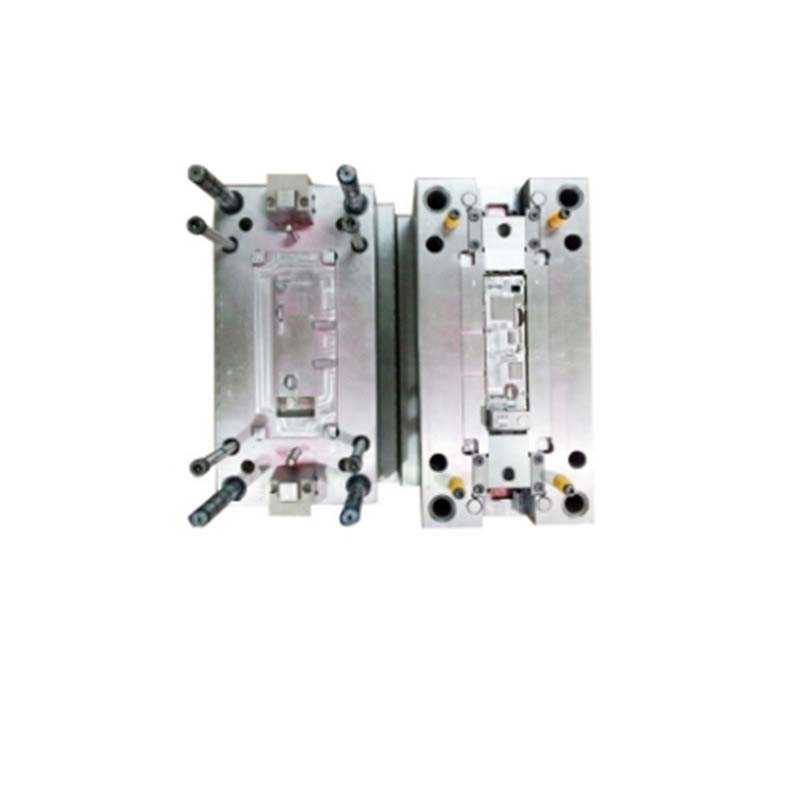
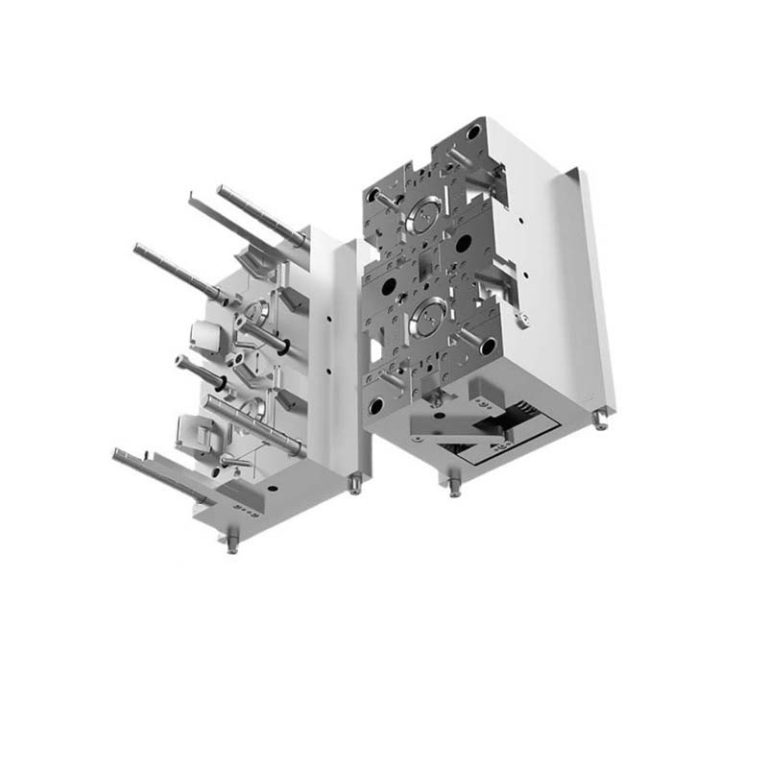
Plastic injection mold shops are the architects behind countless products we use daily—from tiny electronic components to large automotive parts. The molds they create determine product quality, production efficiency, and manufacturing costs.
Choosing the right shop is critical. A well-designed, precisely crafted mold ensures smooth surfaces, accurate dimensions, and consistent quality. In medical device manufacturing, where precision and biocompatibility are essential, a high-quality mold from a reliable shop is non-negotiable. Any deviation could lead to defective products that risk patient safety.
Cost savings are equally significant. While high-quality molds may cost more upfront, they offer longer service lives and produce fewer defective parts. Industry studies show that companies choosing reliable mold shops can reduce overall production costs by up to 20 percent due to lower defect rates and longer-lasting molds.
Production efficiency also depends on the shop. Advanced technologies and organized production lines shorten lead times—from design to delivery—allowing manufacturers to bring products to market faster.
This guide explores the key factors for finding the best plastic injection mold shops, helping you make an informed decision.
How Do You Evaluate Experience and Expertise?
Years of Operation
A shop with a long-standing presence—10 years or more—has likely amassed valuable experience. A 15-year-old shop has encountered a wide range of complex projects, refined techniques, developed efficient processes, and built strong supplier relationships. This experience enables them to handle challenges with different plastics, complex geometries, and tight tolerances. Newer shops may still be learning and may lack proficiency in diverse issues.
Range of Services
A top-tier shop offers a comprehensive range of services:
- Mold design: Advanced CAD/CAM software creates detailed 3D models. Mold flow analysis during design predicts issues like air traps or uneven plastic distribution, enabling adjustments before manufacturing.
- Mold manufacturing: State-of-the-art equipment—high-precision CNC machines, EDM (Electrical Discharge Machining), wire-cutting machines—creates molds with intricate details and tight tolerances.
- Injection molding: High-speed, high-precision injection molding machines. Shops offering specialized processes—gas-assisted injection molding, insert molding—are more versatile.
- Post-processing: Trimming, polishing, painting, and assembly in-house offer one-stop solutions.
A shop providing all services under one roof simplifies communication, reduces miscommunication risks, and enables better cost control.
Specialized Expertise
Consider specialized expertise for your industry. If producing automotive parts, choose a shop with a proven track record in automotive—increasing the likelihood of molds meeting industry-specific requirements.
What Quality Assurance Measures Should You Look For?
Quality Certifications
Certifications demonstrate commitment to quality standards.
ISO 9001 is the most recognized quality management certification. It ensures effective quality management processes covering all business aspects—from design to delivery. Certified shops have documented processes for handling customer requirements, regular internal audits, and management reviews for continuous improvement.
ISO 14001 for environmental management shows commitment to sustainable practices—proper waste management, energy-efficient operations.
Industry-specific certifications: ISO 13485 for medical devices ensures compliance with strict medical regulations.
Sample Products
Requesting sample products is an excellent quality evaluation method.
Appearance: Look for surface imperfections—scratches, bubbles, discoloration. Surface finish should be smooth and uniform. For glossy finishes, consistency without dull spots is essential.
Dimensional accuracy: Use precision measuring tools or third-party measurement services. Compare measured dimensions with specifications. Even small deviations can cause problems during injection molding or final product fit.
Performance: Test functional properties—strength, durability, specific mechanical requirements—if the sample is for a mechanical component.
How Do You Compare Pricing?
Request Detailed Quotes
Obtain detailed quotes from multiple shops. A comprehensive quote should include:
| Cost Component | Description | Typical Range |
|---|---|---|
| Mold Design Cost | Initial design expenses; varies with complexity | $500–$1,000 (simple); $5,000+ (complex) |
| Mold Manufacturing Cost | Raw materials, machining, labor | Depends on steel quality, complexity |
| Injection Molding Cost | Per-unit cost based on part weight, cycle time, complexity | $0.05–$0.10 (small, simple); $0.50–$1.00+ (large, complex) |
| Shipping and Delivery | Air freight faster but more expensive; sea freight slower but economical | $200–$500 (sea freight, medium mold); $1,000–$3,000 (air freight) |
Understand the Cost Structure
Several factors influence mold pricing:
- Material: High-quality mold steels (P20, H13) cost 20–30 percent more than lower-grade steels but offer better durability and longer lifespan.
- Design complexity: Simple one-cavity molds may cost $2,000–$5,000. Multi-cavity molds for complex components with intricate features can cost $20,000–$50,000 or more.
- Production process: Advanced processes like high-speed machining or precision EDM improve quality but may add 10–15 percent to costs due to specialized equipment and skills.
- Order quantity: Larger orders reduce per-unit cost as fixed costs (design, setup) spread over more units. Example: 1,000 parts at $0.50 each; 10,000 parts at $0.35 each.
When comparing quotes, look beyond the bottom line. Consider quality, cost structure, and potential risks.
What Production Capacity and Lead Time Should You Consider?
Production Equipment and Capacity
Advanced equipment determines production capacity and quality.
High-precision machining centers: Five-axis CNC machining centers perform complex operations with extreme accuracy. They handle materials from common mold steels to high-performance alloys. Machining in one setup reduces cumulative errors from multiple setups, resulting in higher precision molds.
Injection molding machines: High-speed machines shorten cycle times—from tens of seconds to just seconds. Shorter cycles increase output and reduce defects like warping or shrinkage from uneven cooling.
Shops with advanced equipment handle large-scale orders efficiently, meet high-volume demands, and produce molds with high precision and complex designs required by aerospace and medical industries.
Lead Time for Production
Production lead time significantly impacts project schedules. Delays can cause missed market opportunities, increased costs, and customer dissatisfaction.
In consumer electronics, where product lifecycles are short, mold production delays can cause new products to miss optimal launch windows. In automotive, delays disrupt production lines and delay new vehicle releases.
Negotiating delivery times:
- Clearly communicate project timeline and requirements
- Provide detailed information on mold complexity, quantity, and deadlines
- Establish milestones—design completion, manufacturing start/end, final delivery
- Monitor progress and take corrective action if delays occur
- Consider contract clauses with penalties for late delivery or incentives for early delivery
Yigu Technology’s View
As a custom supplier of non-standard plastic and metal products, we emphasize three key aspects when evaluating mold shops.
Experience is foundational: Shops with extensive industry experience handle complex projects effectively. They have encountered diverse challenges and developed practical solutions.
Quality control is non-negotiable: Rigorous quality processes—from raw material inspection to final product testing—ensure molds meet high standards. This is essential for long-term manufacturing success.
Communication is essential: Open, effective communication ensures accurate understanding of requirements, timely adjustments, and final products that align with client expectations.
At Yigu Technology, our professional team and advanced equipment enable us to meet diverse client needs—offering high-quality solutions that combine precision, efficiency, and cost-effectiveness.
Conclusion
Finding the best plastic injection mold shop requires evaluating multiple factors. Experience and expertise—years of operation, range of services, specialized industry knowledge—indicate capability. Quality assurance through certifications and sample products ensures reliable results. Pricing comparisons should consider total cost structure, not just initial quotes. Production capacity and lead times must align with your project timeline.
A well-chosen mold shop becomes a partner in your success—delivering molds that produce consistent, high-quality parts efficiently. Taking time to evaluate these factors upfront saves costs, avoids delays, and ensures product quality.
FAQ
How can I ensure the quality of plastic injection molds?
Check the shop’s quality certifications like ISO 9001. Understand their quality control processes—from raw material procurement to finished product inspection. Request and thoroughly examine sample products for appearance, dimensional accuracy, and performance.
What factors affect the price of plastic injection molds?
Material quality (high-grade steels cost more), design complexity (intricate geometries increase cost), production process (advanced machining adds 10–15 percent), and order quantity (larger orders lower per-unit costs). Evaluate total cost of ownership, not just upfront price.
How long does it usually take to produce plastic injection molds?
Production time varies with mold complexity, processes involved, and shop capacity. Simple molds may take a few weeks. Complex, high-precision molds for aerospace or medical industries can take several months. Establish clear milestones and monitor progress to meet deadlines.
Contact Yigu Technology for Custom Manufacturing
Looking for a reliable plastic injection mold partner? Yigu Technology specializes in custom non-standard plastic and metal products. Our team combines technical expertise with rigorous quality control to deliver molds that perform.
Reach out today to discuss your next project. Let us help you find the right solution for your manufacturing needs.