Overview
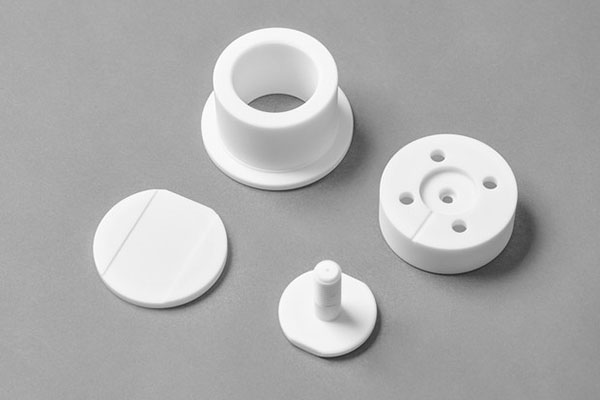
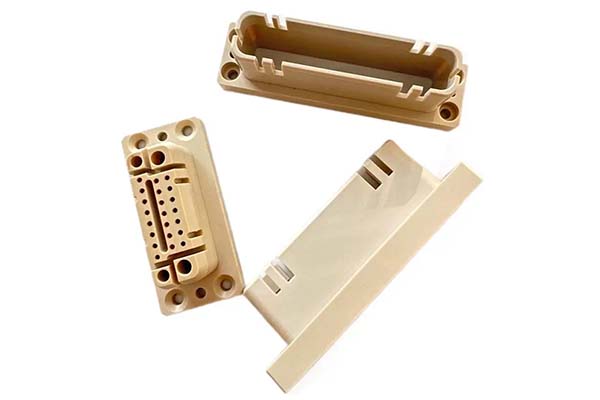
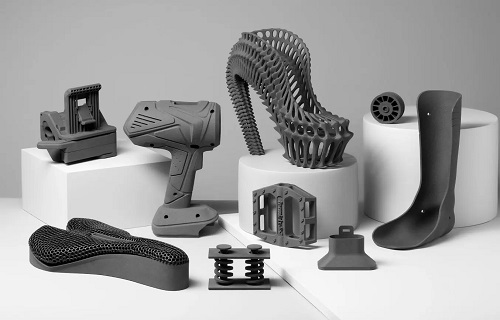
Walk into any modern manufacturing facility in Canada today, and you might spot something unexpected: machines that "print" real, functional parts. This isn't science fiction. 3D printing, technically called additive manufacturing, has quietly become one of the most practical tools across Canadian industries.
Simply put, 3D printing builds objects layer by layer from digital designs. Instead of cutting away material from a solid block (like traditional machining), it adds material only where needed. This fundamental difference changes everything about how we make things.
Canada has embraced this technology in ways that might surprise you. From airplane parts printed in Montreal to custom medical implants in Vancouver, 3D printing is solving real problems. Let's walk through exactly how this happens, what industries benefit most, and why it matters for Canadian businesses and workers.
How Did Canada Become a 3D Printing Hub?
Canada didn't jump on the 3D printing bandwagon yesterday. The National Research Council of Canada (NRC) has supported additive manufacturing research since the technology's early days. Universities across the country built strong programs, and private companies saw the potential early.
What makes Canada different? It's the combination of government support, world-class research institutions, and companies willing to take risks. Cities like Toronto, Montreal, and Vancouver now host thriving 3D printing ecosystems with startups, service bureaus, and major manufacturers all pushing the technology forward.
The result? Canada ranks among global leaders in 3D printing innovation, particularly in specialized applications like aerospace and medical devices.
What's Actually Happening Inside a 3D Printer?
Before diving into industries, let's quickly understand the main technologies Canadian companies actually use:
| Technology | How It Works | Best For |
|---|---|---|
| FDM (Fused Deposition Modeling) | Melts plastic filament and lays it down layer by layer | Prototypes, jigs, fixtures, low-cost parts |
| SLA (Stereolithography) | Uses UV laser to harden liquid resin | High-detail models, dental applications, jewelry |
| SLS (Selective Laser Sintering) | Fuses powder particles with a laser | Strong, complex functional parts |
| DLP (Digital Light Processing) | Projects light to cure entire layers at once | Faster production of detailed parts |
Each technology serves different needs. A dental lab might use SLA for clear aligners, while an automotive supplier uses SLS for durable under-hood components.
Which Canadian Industries Are Being Transformed?
Aerospace: Can 3D Printing Make Planes Lighter and Cheaper?
Here's a scenario: You're maintaining a military helicopter. A small plastic part breaks. Normally, you'd wait weeks for a replacement, pay for rush shipping, or keep expensive inventory. Not anymore.
Canadian aerospace leaders like Magellan Aerospace and MDA now print replacement parts on demand. The benefits go beyond convenience:
- Weight reduction – Printed parts use complex internal structures that maintain strength while shedding grams. In aerospace, every kilogram saved means significant fuel savings over an aircraft's life.
- Consolidated assemblies – What used to require 10 separate parts bolted together can now print as one piece. Fewer joints mean fewer failure points.
- Legacy parts – For older aircraft where original tooling no longer exists, 3D printing provides the only practical way to manufacture replacements.
Consider a real example: A satellite component that traditionally required machining from solid aluminum might waste 80% of the material as chips. Printing the same part uses exactly the material needed, nothing more.
Automotive Manufacturing: How Are Car Companies Using Printers?
The auto industry moves fast. New models, design changes, and customization demands put pressure on manufacturers. Magna International, one of Canada's largest automotive suppliers, uses 3D printing extensively.
Think about these applications:
Prototyping that actually works. Engineers can design a part in the morning, print it overnight, and test it the next day. When you need to verify fit and function quickly, this speed is invaluable. Design cycles that once took months now take weeks.
Production tools. Assembly line workers need fixtures to hold parts in place, jigs to guide tools, and gauges to check dimensions. Each traditionally required machined metal or molded plastic, expensive and slow to produce. Today, many of these tools are printed in-house for a fraction of the cost.
Custom and low-volume parts. For specialty vehicles, racing applications, or custom builds, 3D printing makes small production runs economically viable. You don't need expensive molds or minimum order quantities.
Healthcare: Can You Really Print Body Parts?
This might be the most personally meaningful application. Canadian healthcare providers are using 3D printing to create:
- Custom surgical guides – Before complex surgery, doctors can print exact models of a patient's anatomy and practice on them. Surgical guides ensure implants go in exactly as planned.
- Patient-matched implants – Instead of choosing from standard sizes, surgeons can order implants designed specifically for one patient's unique anatomy.
- Prosthetics – Organizations like 3DHEALS connect medical professionals with 3D printing expertise to create affordable, custom-fitted prosthetic devices.
Here's where it gets truly remarkable: Canadian researchers are actively working on bioprinting – printing living tissues. While we're not printing functional replacement organs yet, progress continues toward that goal. Imagine a future where burn victims receive printed skin grafts or patients receive organs grown from their own cells.
Consumer Goods and Electronics: What About Products We Buy?
Walk into any modern electronics company, and you'll see 3D printers at work. Companies like Sculpteo help businesses create customized products for consumers.
Consider these examples:
- Hearing aids – Nearly all hearing aids today are 3D printed because each ear canal shape is unique. Scanning and printing provides perfect fit.
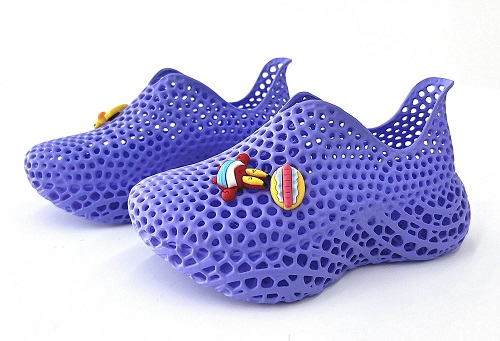
- Eyewear – Custom-fit glasses frames printed to match your face exactly.
- Replacement parts – When a small plastic piece on your appliance breaks, manufacturers can print and ship it instead of making you buy a whole new product.
The common thread? Customization without extra cost. Traditional manufacturing rewards making millions of identical items. 3D printing rewards making each item slightly different to meet individual needs.
What Does 3D Printing Mean for Canada's Economy?
Will It Create Jobs or Eliminate Them?
This question comes up constantly. The evidence so far suggests 3D printing creates more jobs than it eliminates, but they're different jobs.
Traditional manufacturing jobs focused on operating machines that cut, bend, and assemble. New jobs focus on:
- 3D modeling – Turning ideas into printable designs
- Materials science – Developing new materials for printing
- Post-processing – Finishing printed parts to meet specifications
- Maintenance – Keeping printers running optimally
For small businesses, this is good news. A startup can now access manufacturing capabilities that once required million-dollar factories. You can design a product, have it printed locally, and test the market without massive investment.
How Does This Help Local Manufacturing?
Remember when "Made in Canada" labels became rare? 3D printing helps reverse that trend.
When production happens digitally, location matters less. A company in Toronto can print parts locally instead of shipping them from overseas. Benefits include:
- Faster response – Need more inventory? Start printing today.
- Lower shipping costs – No containers crossing oceans.
- Supply chain resilience – Pandemic disruptions taught everyone the risks of distant suppliers.
Is 3D Printing Actually Better for the Environment?
This deserves honest assessment. 3D printing isn't automatically green, but it offers genuine environmental advantages:
| Environmental Factor | Traditional Manufacturing | 3D Printing |
|---|---|---|
| Material waste | Can exceed 80% for machined parts | Typically under 10% waste |
| Inventory | Mass production creates excess | Print on demand, nothing wasted |
| Shipping | Global supply chains | Local production possible |
| Energy use | High for large-scale production | Lower per part for small runs |
| Materials | Often non-recyclable | Many materials reusable |
The catch? Some 3D printing processes use significant energy, and not all printed parts are recyclable. But overall, when applied thoughtfully, additive manufacturing supports sustainability goals.
What Skills Matter for 3D Printing Careers?
If you're considering entering this field, here's what actually matters day-to-day:
Technical skills:
- CAD software proficiency – You must communicate with machines through digital models
- Material knowledge – Different applications need different materials with specific properties
- Printer operation – Understanding machine settings, calibration, and maintenance
- Quality assessment – Knowing when a printed part meets specifications and when it doesn't
Soft skills:
- Problem-solving – Prints fail. You'll need to figure out why and fix it.
- Communication – Explaining possibilities and limitations to non-technical colleagues
- Creativity – Designing for additive manufacturing requires different thinking than traditional design
The learning curve exists, but resources abound. Community colleges across Canada offer programs, online courses provide basics, and many employers offer on-the-job training.
Conclusion
3D printing isn't replacing all manufacturing in Canada tomorrow. But it's already solving real problems across aerospace, automotive, healthcare, and consumer goods. The technology enables faster innovation, more efficient production, and personalized products that weren't possible before.
For Canadian businesses, the message is clear: ignoring additive manufacturing means leaving opportunities on the table. Whether you're prototyping new products, creating custom tools, or manufacturing end-use parts, 3D printing offers practical advantages.
The future isn't about choosing between traditional and additive manufacturing. It's about knowing when each makes sense and combining them intelligently. Canadian companies that understand this balance will lead in efficiency, innovation, and sustainability.
Frequently Asked Questions
How much does industrial 3D printing equipment cost in Canada?
Entry-level industrial printers start around $10,000 to $20,000. Production-ready systems range from $50,000 to several hundred thousand dollars. Many Canadian businesses start with printing services before investing in their own equipment.
What materials can be 3D printed commercially?
Common materials include various plastics (ABS, nylon, PLA), resins, metals (titanium, aluminum, stainless steel), ceramics, and composites. New materials emerge regularly as technology advances.
How long does it take to learn 3D modeling for printing?
Basic proficiency typically takes 3-6 months of regular practice. Complex design work requires ongoing learning. Many successful professionals start with simple projects and gradually increase complexity.
Can 3D printing replace injection molding for mass production?
Generally, no. For runs above a few thousand identical parts, injection molding remains faster and cheaper per part. 3D printing excels at customization, complexity, and low volumes.
Is the quality of printed parts reliable for critical applications?
Yes, when properly executed. Aerospace and medical applications use certified 3D printed parts daily. The key is proper process control, material selection, and post-processing.
Contact Yigu Technology for Custom Manufacturing
Have a project that might benefit from 3D printing? At Yigu technology, we help Canadian businesses turn ideas into reality. Our team combines deep manufacturing expertise with practical 3D printing knowledge to deliver solutions that actually work.
Whether you need prototypes, production parts, or help designing for additive manufacturing, we're ready to help. Contact us today to discuss your specific requirements and discover how 3D printing can solve your manufacturing challenges.