Introduction
In modern healthcare, precision is not just a goal—it is a requirement. A hip replacement that does not fit perfectly can cause pain and limited mobility. A surgical instrument with an imperfect edge can compromise a delicate procedure. A cardiovascular stent with a microscopic flaw can have life-threatening consequences. Medical machining addresses these demands, producing the implants, instruments, and devices that save lives and improve patient outcomes.
Medical machining encompasses specialized manufacturing processes—CNC machining, laser cutting, 3D printing—that create components with micron-level accuracy. These technologies enable the production of customized implants, durable surgical tools, and complex diagnostic equipment, all while meeting stringent regulatory standards. This guide explores the technologies, materials, applications, and quality systems that make medical machining essential to modern healthcare.
What Is Medical Machining and Why Does It Matter?
Medical machining refers to the specialized process of creating medical devices and components through advanced manufacturing techniques. These processes enable the production of highly precise parts that are essential for medical applications.
Why Medical Machining Matters
| Impact | Description |
|---|---|
| Patient care | Directly affects treatment outcomes, recovery times, and safety |
| Device reliability | Ensures implants and instruments function as designed |
| Regulatory compliance | Meets strict FDA, ISO, and CE standards |
| Innovation | Enables new device designs and personalized medicine |
What Key Technologies Drive Medical Machining?
Several advanced technologies are revolutionizing medical machining, each contributing to the quality and functionality of medical devices.
CNC Machining in Medical Devices
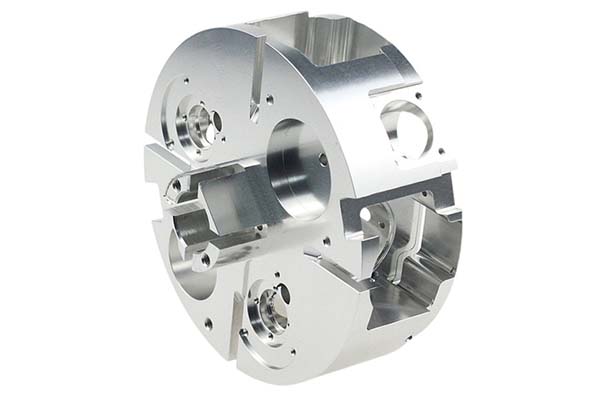
CNC (Computer Numerical Control) machining is foundational in medical device manufacturing. It enables the production of complex, precise components with high repeatability.
| Application | Examples |
|---|---|
| Orthopedic implants | Hip stems, knee components, spinal screws |
| Surgical instruments | Forceps, scissors, drill guides |
| Diagnostic equipment | Imaging system housings, fluidic components |
Advantages:
- High precision (tolerances to ±0.005 mm)
- Repeatability across production runs
- Wide material compatibility (metals, plastics, polymers)
Laser Cutting and 3D Printing
| Technology | Applications | Advantages |
|---|---|---|
| Laser cutting | Surgical scalpels, micro-tools, stents | Exceptional precision; fine, clean cuts; rapid processing |
| 3D printing | Custom prosthetics, patient-matched implants, surgical guides | Personalized devices; complex geometries; reduced lead times |
3D printing in practice: Using patient-specific data from imaging scans (CT, MRI), manufacturers create implants tailored to individual anatomy—improving fit, reducing complications, and speeding recovery.
Comparison of Key Technologies
| Technology | Precision | Material Range | Best For |
|---|---|---|---|
| CNC machining | ±0.005 mm | Metals, plastics, polymers | High-volume, high-precision components |
| Laser cutting | ±0.01 mm | Metals, some plastics | Thin materials; intricate profiles |
| 3D printing | Varies | Metals, polymers | Customization; complex internal structures |
What Materials Are Used in Medical Machining?
Material selection directly affects device performance, safety, and longevity.
Stainless Steel
| Property | Value | Application |
|---|---|---|
| Strength | High | Surgical instruments, scalpels, implants |
| Corrosion resistance | Excellent | Long-term implantable devices |
| Biocompatibility | Good | Wide range of applications |
Common grades: 304, 316L (low carbon for improved corrosion resistance)
Titanium and Its Alloys
| Property | Value | Application |
|---|---|---|
| Strength-to-weight ratio | Excellent | Orthopedic implants, dental devices, cardiovascular stents |
| Biocompatibility | Exceptional | Long-term implants |
| Osseointegration | Bonds with bone tissue | Hip stems, dental implants |
Common grades: Grade 5 (Ti-6Al-4V), Grade 23 (Ti-6Al-4V ELI) for medical applications
Polymers and Plastics
| Material | Properties | Applications |
|---|---|---|
| PEEK | High strength; biocompatible; radiolucent | Spinal implants, trauma fixation |
| Medical-grade ABS | Lightweight; cost-effective | Disposable surgical tools, housings |
| Polycarbonate | Impact-resistant; transparent | Instrument handles, fluidic components |
Material Comparison
| Material | Strength | Corrosion Resistance | Biocompatibility | Relative Cost |
|---|---|---|---|---|
| Stainless steel | High | Excellent | Good | Low–Medium |
| Titanium | Very high | Exceptional | Exceptional | High |
| PEEK | Moderate | Excellent | Excellent | High |
| ABS | Low–Moderate | Good | Moderate | Low |
Why Is Precision and Tolerance So Critical?
In medical machining, even minor deviations can lead to device failure or adverse reactions. Precision is non-negotiable.
The Importance of Accuracy
| Application | Tolerance Requirement | Consequence of Deviation |
|---|---|---|
| Orthopedic implant fit | ±0.01–0.05 mm | Loosening; patient discomfort; revision surgery |
| Surgical instrument edge | ±0.005 mm | Compromised cutting; tissue damage |
| Cardiovascular stent | ±0.01 mm | Migration; vessel damage; thrombosis |
Quality Control and Assurance
Medical machining incorporates rigorous quality control processes:
| Quality Measure | Description |
|---|---|
| Dimensional inspections | CMM, optical comparators, laser tracking |
| Material testing | Verify raw material properties; certificates of conformance |
| Sterilization validation | Ensure devices are free from contaminants |
| Performance testing | Simulated real-world conditions (load testing, fatigue testing) |
| Regulatory compliance | FDA approval, ISO 13485, CE mark |
Industry Standards
| Standard | Scope |
|---|---|
| ISO 13485 | Quality management for medical devices |
| FDA 21 CFR Part 820 | US medical device quality system regulation |
| CE mark | European conformity for medical devices |
Continuous improvement: Regular audits and process optimizations ensure consistent quality.
Where Is Medical Machining Applied?
Medical machining serves a wide range of healthcare fields.
Orthopedic Implants
| Implant Type | Materials | Manufacturing Methods |
|---|---|---|
| Hip replacements | Titanium, cobalt-chrome | CNC machining, 3D printing |
| Knee prostheses | Titanium, PEEK | CNC machining, finishing |
| Spinal fusion devices | PEEK, titanium | CNC machining, 3D printing |
Customization: CNC machining and 3D printing allow implants tailored to patient anatomy—improving fit, comfort, and functional outcomes.
Surgical Instruments
| Instrument | Requirements | Manufacturing Method |
|---|---|---|
| Scalpels | Sharp edges; ergonomic handles | Laser cutting; CNC machining |
| Forceps | Precise jaw alignment; smooth surfaces | CNC machining; finishing |
| Drill guides | Accurate positioning; sterile compatibility | CNC machining; 3D printing |
Key technologies: Laser cutting creates fine edges and intricate designs; CNC machining ensures dimensional accuracy.
Dental Devices
| Device | Requirements | Manufacturing Method |
|---|---|---|
| Dental implants | Precise fit; osseointegration | CNC machining; CAD/CAM |
| Crowns and bridges | Aesthetic; accurate fit | CAD/CAM; 3D printing |
| Orthodontic appliances | Customized; comfortable | 3D printing |
CAD/CAM revolution: Computer-aided design and manufacturing enable faster turnaround and better patient outcomes for custom dental prosthetics.
Other Applications
| Application | Examples |
|---|---|
| Cardiovascular | Stents, heart valves, catheter components |
| Diagnostic equipment | MRI housings, fluidic systems, sensor enclosures |
| Drug delivery | Implantable pumps, inhaler components |
Conclusion
Medical machining is revolutionizing healthcare by producing precision-engineered devices essential for patient care. Key technologies—CNC machining, laser cutting, 3D printing—enable:
- High precision: Tolerances to ±0.005 mm; essential for implants, instruments, and diagnostic equipment
- Material versatility: Stainless steel, titanium, PEEK, ABS—each selected for specific applications
- Quality assurance: Rigorous inspection, testing, and regulatory compliance (ISO 13485, FDA)
- Customization: Patient-matched implants and surgical guides via 3D printing and CAD/CAM
- Innovation: New device designs; improved patient outcomes; faster recovery times
As manufacturing technology continues to evolve—with artificial intelligence, robotics, and advanced materials—the role of medical machining will only grow. These innovations will further improve manufacturing precision, production speed, and personalization, pushing the boundaries of what is possible in healthcare.
FAQs
What are the primary advantages of CNC machining in medical device manufacturing?
CNC machining offers high precision (tolerances to ±0.005 mm), repeatability across production runs, and the ability to work with a wide range of materials (metals, plastics, polymers). It enables the production of complex parts with tight tolerances, ensuring reliability and functionality. Additionally, CNC machining enhances production efficiency, reduces human error, and accelerates time-to-market.
How does 3D printing contribute to the customization of medical implants?
3D printing allows manufacturers to design implants tailored to a patient's unique anatomy using patient-specific data from imaging scans (CT, MRI). This enables the production of personalized devices that improve fit, reduce complications, and enhance outcomes. Customization also speeds up the manufacturing process, providing quicker, more efficient care.
What materials are commonly used in medical machining?
Common materials include stainless steel (strength, corrosion resistance), titanium and its alloys (high strength-to-weight ratio, biocompatibility, osseointegration), and polymers like PEEK and ABS (lightweight, versatile, cost-effective). Each material is selected based on the specific application—implants, surgical instruments, disposable tools.
What quality control measures are implemented in medical machining?
Quality control includes dimensional inspections (CMM, optical comparators), material testing (certificates of conformance), sterilization validation, and performance testing under simulated real-world conditions. Compliance with ISO 13485, FDA 21 CFR Part 820, and CE mark ensures devices meet safety and efficacy standards. Continuous audits and process improvements ensure long-term reliability.
Why is precision so critical in medical machining?
Even minor deviations from design specifications can lead to device failure, adverse patient reactions, or compromised surgical outcomes. For implants, poor fit causes loosening, discomfort, and revision surgery. For instruments, imperfect edges compromise procedures. Precision—achieved through advanced machining, measurement systems, and rigorous quality control—is non-negotiable.
Contact Yigu Technology for Custom Manufacturing
At Yigu Technology, we specialize in medical machining for orthopedic implants, surgical instruments, and diagnostic equipment. With 15 years of experience, advanced 5-axis CNC machining, laser cutting, and ISO 13485 certification, we deliver components that meet the highest standards of precision and reliability.
Our capabilities include machining stainless steel, titanium, PEEK, and medical-grade plastics—with rigorous quality control and full traceability. Contact us today to discuss your medical device manufacturing requirements.