Introduction
You have a product idea. You have a design. Now you need a partner to turn that design into a physical prototype. The choice of prototype development company can determine whether your product succeeds or fails. The right partner brings expertise, quality, and reliability. The wrong one delivers delays, poor quality, and wasted budget. This guide explains what to look for, what questions to ask, and how to select a company that transforms your concept into a market-ready prototype.
Why Is Choosing the Right Prototype Company So Important?
Prototyping is the tangible manifestation of your ideas. It allows testing and validation before committing to full-scale production. A McKinsey study found that companies engaging in prototyping and iterative design are 50% more likely to bring products to market that meet or exceed customer expectations.
A well-made prototype:
- Identifies design flaws early
- Improves functionality
- Gathers valuable user feedback
- Reduces costly production mistakes
The right prototype company is the difference between success and failure.
What Key Factors Should You Consider?
Evaluate potential partners across several critical dimensions.
Industry Experience and Familiarity
A company with deep understanding of your specific industry brings invaluable insights. They know common materials, regulatory requirements, and latest trends.
Medical device industry: Look for companies familiar with FDA regulations on materials, sterilization, and biocompatibility. Prior medical prototype experience ensures your prototype meets necessary standards.
Diverse experience: Companies that have worked across automotive, aerospace, and consumer electronics bring cross-industry best practices and innovative thinking to your project.
Services Offered
Different prototypes require different manufacturing techniques.
| Service | Description | Ideal For |
|---|---|---|
| 3D Printing | Builds objects layer by layer from digital models | Concept models, small-scale runs, complex geometries |
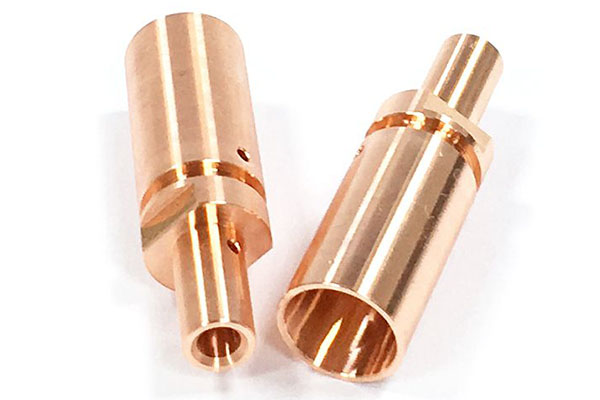
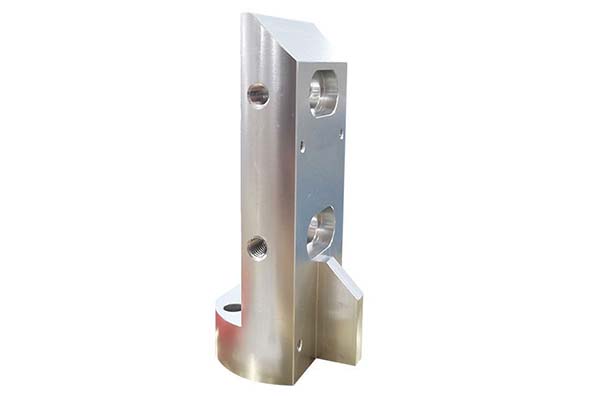
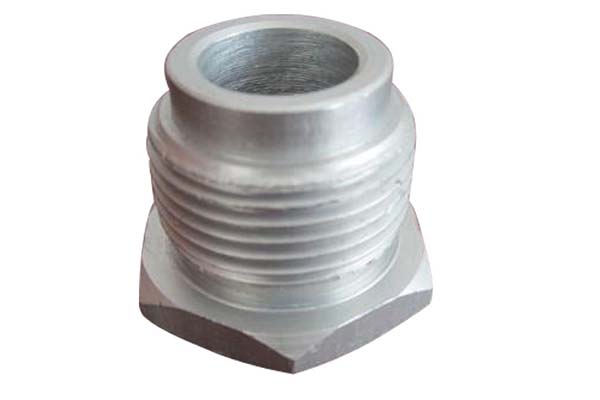
| CNC Machining | Computer-controlled cutting and shaping | High-precision parts, metals and plastics |
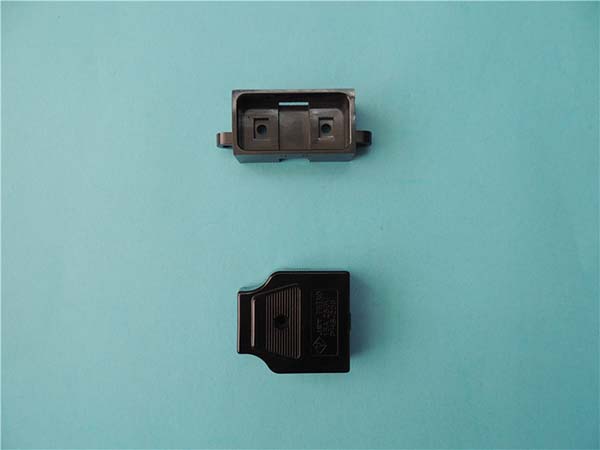
| Injection Molding | Injects molten material into a mold cavity | High-volume plastic prototypes, consistent quality |
| Sheet Metal Fabrication | Shapes and joins sheet metal | Enclosures, brackets, automotive, electronics |
A company offering a comprehensive suite of services—from initial design to final assembly—provides a seamless experience, eliminating coordination with multiple vendors and reducing miscommunication and delays.
Quality Assurance
Quality is non-negotiable. Reputable companies have robust quality processes.
Material selection: High-quality materials suitable for intended application. For harsh environments, materials must withstand conditions.
In-process inspections: Dimensional checks, material integrity tests, functionality tests during manufacturing.
Final inspection: Comprehensive quality check. ISO-certified companies adhere to international quality management standards.
Cost-Effectiveness
Cost is important but not the sole factor. Different companies have different pricing models—based on design complexity, materials, or manufacturing processes.
Get detailed quotes from multiple companies. Look beyond initial price. Consider:
- Reputation for quality
- Likelihood of costly revisions
- Long-term cost savings
A slightly more expensive prototype from a company with a proven track record may be more cost-effective than a cheaper one requiring numerous reworks.
Turnaround Time
Speed matters in product development. Some companies specialize in rapid prototyping, producing prototypes in days.
Balance speed with quality. Extremely short turnaround may compromise quality. Look for reasonable estimates based on design complexity, material availability, and current workload.
Customer Reviews and Testimonials
Past client experiences provide valuable insights.
Online reviews: Google, Yelp, industry-specific sites. Positive reviews highlight strengths—creativity, attention to detail, customer service. Negative reviews reveal potential issues—missed deadlines, poor communication, substandard quality.
Testimonials: Company website testimonials show types of projects completed and client satisfaction.
How Do You Compare Potential Companies?
Create a comparison chart after gathering information.
| Factor | Company A | Company B | Company C |
|---|---|---|---|
| Industry Experience | 15 years, medical devices | 8 years, consumer electronics | 20 years, aerospace, automotive |
| Services | 3D printing, CNC | 3D printing, injection molding | All services |
| Quality | ISO 9001 certified, <2% defect rate | Good, 4% defect rate | AS9100 certified, <1% defect rate |
| Cost | Medium-high | Low-medium | High |
| Turnaround | 1–2 weeks | 3–5 days | 2–3 weeks |
| Reviews | 4.8/5 (100+ reviews) | 4.2/5 (50 reviews) | 4.9/5 (200+ reviews) |
Rate companies on each factor or note pros and cons. Visual comparison makes it easier to identify the best fit.
Should You Consider Long-Term Collaboration?
If you anticipate multiple prototypes or future development work, consider potential for long-term collaboration.
Benefits:
- Better understanding of your brand and products
- More efficient processes
- Potentially favorable pricing
Ask about willingness and ability to support future projects.
What Steps Should You Take After Choosing?
Once you’ve made your decision:
- Contact the company to discuss your project in detail
- Sign a clear contract outlining scope, deliverables, timeline, cost, and terms
- Stay involved—maintain regular communication, ask for updates, provide feedback
- Work closely to ensure your vision translates into a high-quality prototype
How Does Yigu Technology Approach Prototyping?
As a non-standard plastic and metal products custom supplier, Yigu Technology provides comprehensive prototype development services.
We Offer Diverse Services
- 3D printing (FDM, SLA, SLS) for complex geometries and rapid iteration
- CNC machining for precision metal and plastic parts
- Injection molding for high-volume prototypes
- Sheet metal fabrication for enclosures and brackets
We Bring Industry Experience
Our team has worked across medical, automotive, aerospace, and consumer electronics—bringing cross-industry best practices to your project.
We Ensure Quality
ISO 9001 certification, rigorous in-process inspections, and final CMM verification ensure prototypes meet your specifications.
We Provide Transparent Quotes
Detailed quotes with clear breakdowns—no hidden fees. We balance cost with quality and deliver on time.
Conclusion
Choosing the right prototype development company is a critical decision. Evaluate industry experience, services offered, quality assurance, cost-effectiveness, turnaround time, and customer reviews. Compare options systematically. Consider long-term collaboration potential. By carefully researching and making an informed decision, you find a partner that brings your ideas to life and turns your product concept into market-ready reality.
Frequently Asked Questions
What is the most important factor when choosing a prototype company?
There is no single most important factor—it depends on your project. Industry experience ensures they understand your requirements. Quality assurance ensures reliable testing. Services offered must match your needs. Balance these with cost and turnaround time based on your priorities.
How do I know if a prototype company is reliable?
Check customer reviews and testimonials on Google, Yelp, and industry sites. Look for certifications like ISO 9001. Ask for references and contact past clients. A reliable company has documented quality processes and a proven track record.
Should I choose a company that offers all services or specialize in one?
A company with comprehensive services (3D printing, CNC, injection molding) provides a seamless experience—no coordination with multiple vendors. However, a specialized company may offer deeper expertise in specific technologies. Choose based on your project requirements.
How much should I expect to pay for a prototype?
Costs vary widely. Simple 3D-printed parts: $50–$500. CNC-machined parts: $200–$2,000. Injection-molded prototypes: $2,000–$10,000 for mold setup. Get detailed quotes from multiple companies and compare beyond initial price—consider quality and long-term cost.
How long does prototype development take?
Timelines vary by complexity and method. Simple 3D-printed parts: 1–3 days. CNC-machined parts: 5–10 days. Injection-molded prototypes: 2–4 weeks. Companies specializing in rapid prototyping offer faster turnaround but balance speed with quality.
Contact Yigu Technology for Custom Manufacturing
Ready to bring your product idea to life with a trusted prototype partner? Yigu Technology offers 3D printing, CNC machining, injection molding, and sheet metal fabrication services. Our engineers help you select the right technologies and materials for your project. Contact us today to discuss your vision.