Introduction
In product development, time is the most expensive resource. Every week spent waiting for a prototype delays testing, iteration, and market entry. The rapid prototyping process changes this equation. It transforms digital designs into physical prototypes in days—not weeks or months—enabling iterative testing, early validation, and faster time-to-market. According to Industry Week (2024), rapid prototyping reduces development risks by 60% compared to traditional methods. At Yigu Technology, we use this process daily to help clients across industries accelerate innovation. This article explores how rapid prototyping works, its core components, technology options, and how to choose the right partner for your project.
What Exactly Is the Rapid Prototyping Process?
The rapid prototyping process is a transformative manufacturing technique that converts digital designs into physical prototypes within days using technologies like 3D printing, CNC machining, and laser sintering.
Traditional vs. rapid prototyping:
- Traditional: Weeks to months—tooling, machining, assembly
- Rapid: Hours to days—direct from CAD to physical part
Example: In the automotive industry, companies can create scale models of new car designs in weeks or days instead of months—evaluating aesthetics, aerodynamics, and ergonomics long before mass production. This enables more design iterations and faster development.
What Are the Core Components of the Process?
Digital Design
The journey begins with digital design using advanced CAD tools like AutoCAD or SolidWorks.
Activities:
- Create detailed 3D models with precise dimensions, shapes, and internal layouts
- Experiment with forms, test ergonomics virtually
- Make adjustments easily before physical fabrication
Impact: A Design World (2023) study found that 95% of product development teams rely on CAD software for initial design—highlighting its importance in rapid prototyping.
Layer Slicing
Once the 3D model is ready, specialized software slices it into thin horizontal layers.
Layer thickness:
- High-resolution prototypes: As small as 0.05 mm
- Larger, less detailed prototypes: Up to 0.5 mm
Each layer represents a cross-section of the final prototype. The slicing data controls the prototyping machine during material deposition.
Material Deposition
This is where the physical prototype takes shape. Different technologies build parts layer by layer.
| Technology | Process | Materials |
|---|---|---|
| FDM (Fused Deposition Modeling) | Heats and extrudes thermoplastic filament | PLA, ABS, nylon |
| SLA (Stereolithography) | UV laser cures liquid resin | Photopolymer resins |
| SLS (Selective Laser Sintering) | Laser sinters powdered materials | Nylon, metal powders |
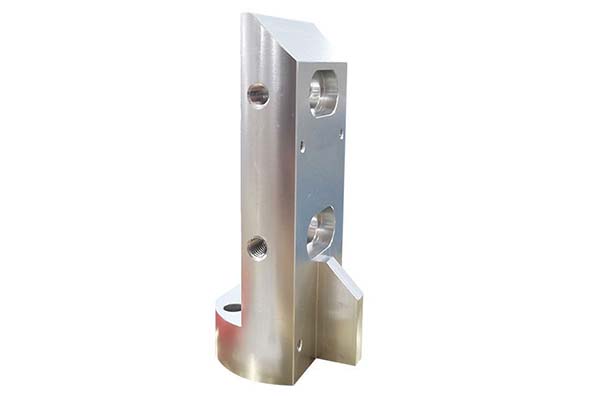
| CNC machining | Removes material from solid block | Metals, plastics |
Post-Processing
Post-processing enhances appearance, functionality, and durability.
| Process | Purpose |
|---|---|
| Sanding | Smooth surfaces; remove layer lines or rough edges |
| Painting | Add color, finished appearance |
| Surface treatments | Chemical coatings, vapor smoothing; improve wear resistance |
| Assembly | Join multiple printed sections |
What Are the Key Technologies Compared?
| Technology | Materials | Typical Tolerance | Ideal Applications |
|---|---|---|---|
| FDM 3D printing | PLA, ABS, nylon | ±0.1 mm | Low-cost functional prototypes, mechanical parts for fit and function testing |
| SLA 3D printing | Photopolymer resins | ±0.05 mm | High-detail aesthetic models, jewelry, consumer products where appearance matters |
| SLS 3D printing | Nylon, metal powders | ±0.1–0.3 mm | Functional parts, complex geometries, small-batch production |
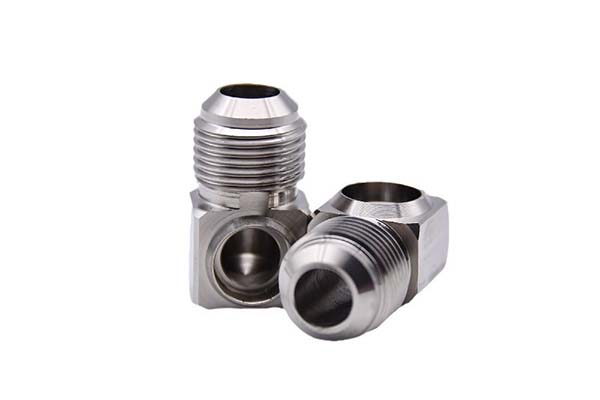
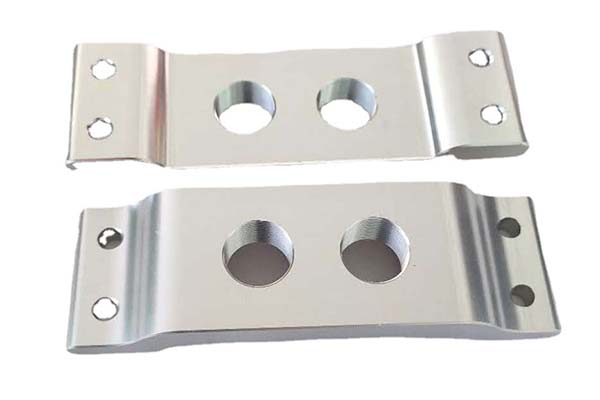
| CNC machining | Metals, plastics | ±0.01 mm | Durable, high-strength components; aerospace engine parts, structural components |
Key insight: The choice of technology depends on prototype type (functional vs. aesthetic), materials, precision requirements, and cost constraints.
How Does the Process Transform Development?
Accelerated Time-to-Market
Traditional prototyping: weeks to months. Rapid prototyping: days to hours. This compression enables:
- Earlier testing and validation
- More design iterations
- Faster response to market changes
Reduced Development Risk
According to Industry Week (2024), rapid prototyping reduces development risks by 60%. By identifying design flaws early—when they are cheap to fix—companies avoid costly production delays and rework.
Cost-Effective Iteration
Traditional design changes require new tooling. Rapid prototyping allows modifications in the digital model—new prototype in hours. Cost per iteration drops dramatically.
Improved Design Quality
Multiple iterations enable continuous refinement. Each prototype provides feedback that improves form, fit, function, and user experience.
How Do You Choose the Right Rapid Prototyping Partner?
Evaluation Criteria
| Criteria | What to Look For |
|---|---|
| Technical expertise | Certifications (ISO 9001, AS9100); experience with your industry and materials |
| Technology range | Multiple options (FDM, SLA, SLS, CNC) to match your requirements |
| Post-processing capabilities | Sanding, painting, surface treatment, assembly |
| Track record | Case studies, references, project portfolio |
| Communication | Responsive, clear quotes, DFM feedback |
| Quality control | Inspection reports, dimensional verification |
Yigu Technology's Approach
Yigu Technology stands out as a reliable rapid prototyping partner with comprehensive services:
- 3D printing: FDM, SLA, SLS—choosing the most suitable method for your project
- CNC machining: High-precision, durable prototypes for metal and high-strength plastic components
- Post-processing: Sanding, painting, surface treatment to enhance appearance and functionality
Our expertise spans industries—from aerospace to consumer goods—ensuring your prototype meets both design intent and manufacturing requirements.
What Are the Future Trends?
AI-Assisted Design
AI algorithms generate optimized designs for additive manufacturing—lighter, stronger, more efficient—and output directly to prototyping equipment.
Hybrid Manufacturing
Combining additive and subtractive processes in one workflow: 3D print complex geometries, then CNC machine critical surfaces for precision.
Digital Twins
Virtual prototypes paired with physical prototypes enable faster iteration. Simulate performance digitally; validate with physical testing.
Sustainable Materials
Bio-based resins, recycled powders, and biodegradable materials are expanding the environmental sustainability of rapid prototyping.
Conclusion
The rapid prototyping process transforms product development by:
- Accelerating timelines: Days instead of weeks
- Reducing risk: 60% reduction in development risks
- Enabling iteration: Cost-effective design changes
- Improving quality: Multiple cycles of refinement
Core components:
- Digital design (CAD)
- Layer slicing
- Material deposition (FDM, SLA, SLS, CNC)
- Post-processing
Technology selection:
- FDM: Low-cost functional prototypes
- SLA: High-detail aesthetic models
- SLS: Functional parts, complex geometries
- CNC: High-strength, precision components
By understanding these components, technologies, and selection criteria, businesses can make informed decisions to drive innovation. Whether you need low-cost functional prototypes, high-detail aesthetic models, or precision metal components, choosing the right rapid prototyping approach is essential for success.
Frequently Asked Questions
What is the typical lead time for rapid prototyping?
Simple prototypes: 1–3 days. Complex prototypes: 3–7 days. Factors include part complexity, material availability, and technology used. Traditional methods take weeks to months.
Which rapid prototyping technology is most cost-effective?
For low-cost functional prototypes, FDM 3D printing is most cost-effective. Desktop FDM printers are affordable, and filament costs are low ($20–$50/kg). For high-detail aesthetic models, SLA offers better value despite higher material costs.
Can rapid prototyping produce metal parts?
Yes. SLS with metal powders (titanium, aluminum, stainless steel) produces metal prototypes. CNC machining also produces metal parts with high precision and production-grade material properties.
What is the difference between FDM, SLA, and SLS?
FDM extrudes plastic filament—low cost, good for functional prototypes. SLA cures liquid resin—high detail, smooth finish. SLS sinters powder—durable parts, complex geometries, no supports needed. Choose based on precision, strength, and cost requirements.
How do I ensure the quality of my rapid prototype?
Choose a partner with certifications (ISO 9001, AS9100). Request inspection reports (dimensional verification). Communicate tolerance requirements clearly. Use a partner with design for manufacturability (DFM) feedback to optimize design before fabrication.
Contact Yigu Technology for Custom Manufacturing
At Yigu Technology, we specialize in rapid prototyping and custom manufacturing. Our capabilities include FDM, SLA, SLS, CNC machining, and post-processing. We serve aerospace, automotive, medical, and consumer goods industries.
If you are developing a new product and want to leverage the rapid prototyping process to accelerate development, contact our engineering team. Let us help you turn designs into prototypes—faster, with higher quality, and with greater confidence.