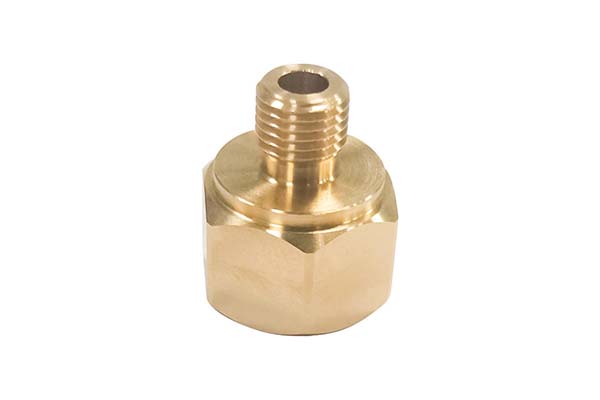
Introduction
In product development, the right prototyping partner can mean the difference between a successful launch and costly delays. A prototyping company translates your concept into a tangible model—using technologies like 3D printing, CNC machining, and vacuum casting—enabling testing, iteration, and validation before mass production. But with numerous options, how do you choose? The decision requires evaluating technical capabilities, industry experience, quality assurance, and communication. At Yigu Technology, we help clients navigate this process. This article provides a structured approach to selecting the right prototyping company for your project.
What Are Prototyping Companies?
Prototyping companies are specialized entities that create physical or digital models of products—taking a concept (consumer gadget, medical device, industrial component) and translating it into a tangible or virtual representation.
Key technologies:
- 3D printing (additive): Layers materials (plastics, metals, ceramics) based on digital models
- CNC machining (subtractive): Computer-controlled cutting tools carve shapes from solid blocks (aluminum, steel)
- Rapid tooling: Quick production of molds or dies for injection molding—efficient for multiple prototype parts
What Key Factors Should You Evaluate?
Technical Capabilities
Technology Offerings
| Technology | Process | Cost | Speed | Precision | Ideal For |
|---|---|---|---|---|---|
| FDM 3D printing | Melts and extrudes thermoplastic filament | Low | Slow–Medium | Low–Medium | Large-scale, less complex prototypes—outdoor furniture concepts |
| SLA 3D printing | Laser cures liquid resin layer by layer | Medium–High | Medium | High | Highly detailed, complex parts—jewelry, intricate patterns |
| CNC machining | Computer-controlled cutting from solid block | High | Slow | High | High-tolerance, high-strength parts—automotive engine components |
| Vacuum casting | Silicone mold from master pattern; cast resin | Medium | Medium–Fast | High | Small-batch, high-quality surface finish—consumer electronics prototypes |
Material Expertise
A company that handles a wide range of materials offers greater versatility.
| Material Category | Examples | Applications |
|---|---|---|
| Metals | Aluminum (lightweight, corrosion-resistant), stainless steel (high strength, corrosion-resistant) | Aerospace, automotive, medical, food processing |
| Polymers | ABS (strong, durable, aesthetic), polycarbonate (high impact resistance) | Consumer products, protective gear prototypes |
| Biocompatible materials | Titanium, specialized plastics | Medical implants, prosthetics, dental devices |
Industry Experience
| Indicator | What to Look For |
|---|---|
| Case studies | Automotive—safety, durability, aerodynamics; aerospace—lightweight high-strength materials (carbon fiber), precise tolerances; medical—sterilizability, ergonomics, biocompatibility, FDA compliance |
| Domain knowledge | Understanding of industry-specific requirements and regulatory standards |
Quality Assurance
| Factor | Description |
|---|---|
| Certifications | ISO 9001—quality management systems; demonstrates commitment to quality from design to delivery |
| Testing protocols | Stress testing (maximum load), thermal testing (temperature extremes), ergonomic testing (comfort, usability) |
Communication and Collaboration
| Factor | Description |
|---|---|
| Transparency | Regular updates—design revisions, production timelines, potential issues; clear reporting (progress reports, meetings, online tools) |
| Design support | Engineers provide feedback on manufacturability—suggest alternative designs or methods for cost-effectiveness and feasibility |
How Do You Compare Prototyping Companies?
Sample Comparison Table
| Company | Specialized Area | Lead Time | Cost Range | Key Technologies |
|---|---|---|---|---|
| Yigu Technology | Complex mechanical prototypes | 5–10 days | $1,000–$10,000 | CNC machining, 3D printing |
| ProtoLabs | Rapid injection molding | 3–7 days | $3,000–$15,000 | Digital manufacturing |
How to Use This Table
| Factor | Consideration |
|---|---|
| Lead time | Tight schedule? ProtoLabs offers 3–7 days. Flexible timeline? Yigu Technology’s 5–10 days acceptable—especially for complex mechanical prototypes |
| Cost range | Limited budget? Yigu Technology’s $1,000–$10,000 may appeal for customized consumer goods. High-precision complex components? Value may justify higher cost |
| Technologies | Yigu Technology—CNC machining + 3D printing (high-precision subtractive + additive flexibility). Automotive engine components requiring precise dimensions + complex internal geometries |
| Specialized area | ProtoLabs—digital manufacturing, rapid injection molding—multiple prototype parts, high-quality surface finishes (consumer goods) |
What Are the Key Takeaways?
| Factor | Key Considerations |
|---|---|
| Technical capabilities | Technology offerings (FDM, SLA, CNC, vacuum casting) align with project requirements; material expertise (metals, polymers, biocompatible) |
| Industry experience | Case studies demonstrate domain knowledge; understanding of industry-specific requirements (automotive safety, aerospace tolerances, medical regulatory) |
| Quality assurance | ISO 9001 certification; in-house testing protocols (stress, thermal, ergonomic) |
| Communication and collaboration | Transparency (regular updates, clear reporting); design support (manufacturability feedback) |
| Comparative analysis | Lead time, cost range, key technologies, specialized area—match to project priorities |
Yigu Technology's Perspective
As a custom manufacturer of non-standard plastic and metal parts, Yigu Technology helps clients choose the right prototyping partner.
What we offer:
- Complex mechanical prototypes: CNC machining + 3D printing—precision subtractive + additive flexibility
- Material expertise: Metals (aluminum, stainless steel), polymers (ABS, polycarbonate), biocompatible materials
- Quality assurance: ISO 9001; stress, thermal, ergonomic testing
- Transparent communication: Regular updates, clear reporting, design support
Our view: Selecting the right prototyping company is critical to product success. Technical capabilities, industry experience, quality assurance, and communication are fundamental. The right technology and material choices ensure prototypes accurately represent final products in functionality, durability, and aesthetics. Industry experience provides invaluable insights—anticipating challenges, finding innovative solutions. Quality assurance guarantees high standards—confidence in product, avoiding costly rework. Transparent communication and effective collaboration lead to better-designed, more successful prototypes.
Conclusion
Choosing the right prototyping company requires evaluating:
| Factor | What to Assess |
|---|---|
| Technical capabilities | Technology offerings (FDM, SLA, CNC, vacuum casting); material expertise (metals, polymers, biocompatible) |
| Industry experience | Case studies; domain knowledge; understanding of industry-specific requirements (automotive, aerospace, medical) |
| Quality assurance | ISO 9001 certification; in-house testing protocols (stress, thermal, ergonomic) |
| Communication and collaboration | Transparency (regular updates, clear reporting); design support (manufacturability feedback) |
| Comparative analysis | Lead time, cost range, key technologies, specialized area—match to project priorities |
Key takeaways:
- Technical expertise ensures prototypes accurately represent final products
- Industry experience anticipates challenges and finds innovative solutions
- Quality assurance guarantees high standards—avoid costly rework
- Transparent communication leads to better-designed, more successful prototypes
By systematically evaluating these factors, you can select a prototyping company that aligns with your project requirements—accelerating development, reducing risk, and ensuring product success.
Frequently Asked Questions
What are the most important factors when choosing a prototyping company?
Technical capabilities (technology offerings, material expertise), industry experience (case studies, domain knowledge), quality assurance (certifications, testing protocols), and communication (transparency, design support). Match these to your project requirements.
How do I choose between 3D printing and CNC machining for my prototype?
3D printing: Complex geometries, rapid iteration, low-cost for small parts—concept testing, early prototypes. CNC machining: High precision, tight tolerances, high-strength materials—functional testing, production-grade prototypes. Combine both: CNC for precision, 3D printing for complex internal features.
What certifications should a prototyping company have?
ISO 9001: Quality management systems—demonstrates commitment to quality from design to delivery. For medical devices: ISO 13485. For aerospace: AS9100. Certifications ensure established processes for quality planning, control, and improvement.
How can I verify a prototyping company's quality?
Check certifications (ISO 9001). Ask about testing protocols—stress, thermal, ergonomic. Request case studies similar to your project. Ask for references. If possible, visit facilities or request sample parts.
What is the typical cost range for prototyping?
Costs vary widely: 3D printed prototypes: $100–$5,000. CNC-machined parts: $500–$10,000. Injection-molded prototypes: $2,000–$20,000 (including tooling). Factors: size, complexity, material, technology, quantity. Get detailed quotes comparing upfront cost + finishing + shipping + revisions.
Contact Yigu Technology for Custom Manufacturing
At Yigu Technology, we specialize in complex mechanical prototypes and custom manufacturing. Our capabilities include CNC machining, 3D printing, and finishing. We serve automotive, aerospace, medical, and consumer goods industries.
If you are developing a new product and need guidance on choosing the right prototyping company, contact our engineering team. Let us help you evaluate technical capabilities, industry experience, and quality assurance—to bring your ideas to life efficiently and effectively.