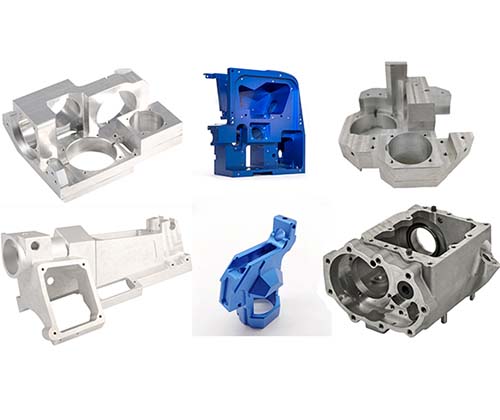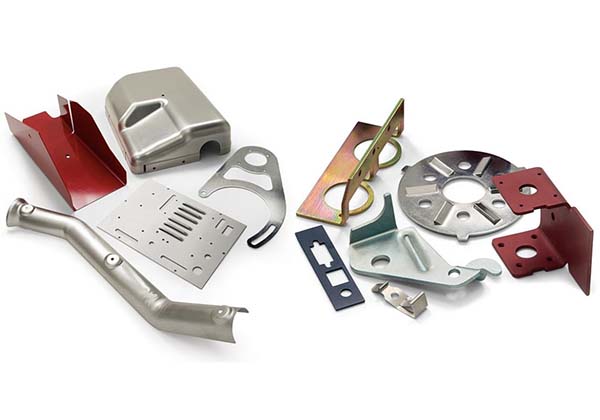
Finding a reliable sheet metal fabrication supplier can make or break your project. The wrong choice leads to quality issues, missed deadlines, and hidden costs. This guide walks you through exactly what to look for and which questions to ask.
Introduction
Your product is only as good as the parts that go into it. Sheet metal components form the backbone of countless products—from electronics enclosures to automotive frames. Choose the right supplier, and you get consistent quality, on-time delivery, and fair pricing. Choose poorly, and you face delays, rework, and frustrated customers.
In this guide, you will learn the key factors that separate great suppliers from average ones. You will understand what to evaluate before signing a contract. And you will gain practical tips for making a confident choice.
Why Supplier Selection Matters
Impact on Product Quality
Quality starts with your supplier. A reliable fabricator uses high-grade materials and advanced techniques. The result is parts that fit correctly and perform as designed.
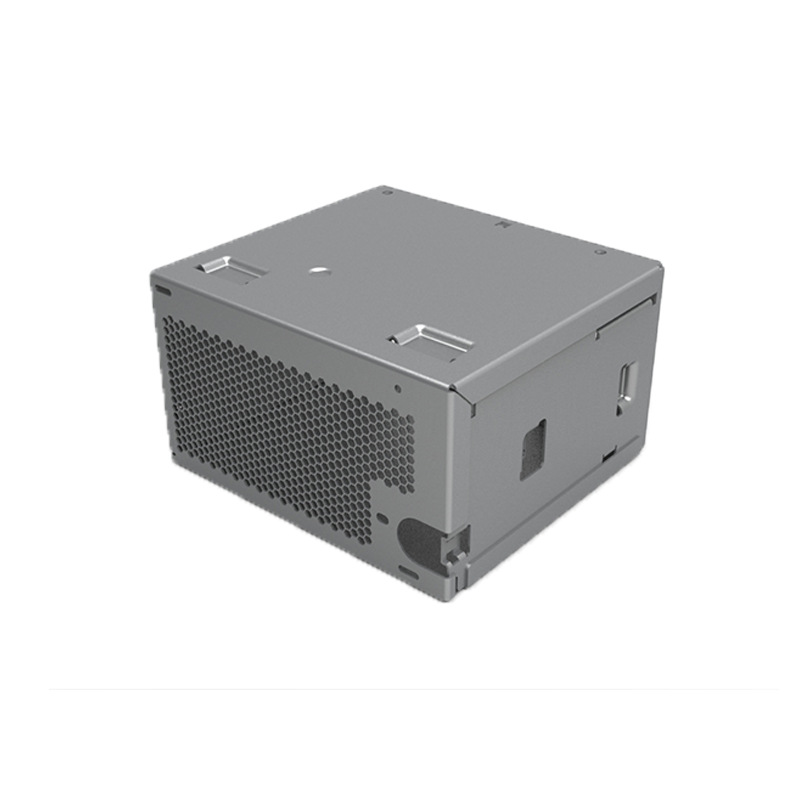
Consider electronic enclosures. If the sheet metal parts are not precise, components won't fit. Gaps let in dust and moisture. According to the Fabricators & Manufacturers Association, products made with high-quality sheet metal fabrication are 30% less likely to experience early-stage failures compared to those made with sub-standard work.
Cost Control Beyond the Price Tag
The right supplier helps control costs in multiple ways. They offer competitive pricing through economies of scale and efficient processes. They also optimize material usage.
One supplier saved a client 15% on material costs simply by using nesting software. The software arranged parts on each sheet to minimize waste. That saving went straight to the bottom line without sacrificing quality.
Meeting Production Deadlines
Production delays cost money. A late component can halt an entire assembly line. A survey among manufacturing companies found that 70% of production delays were directly related to supplier issues.
A reliable supplier has the capacity, resources, and systems to deliver on time. They don't overpromise and underdeliver.
Key Factors to Evaluate
Experience and Expertise
How long has the supplier been in business? Experience matters more than you might think.
A supplier with 20+ years in the industry has seen it all. They have solved countless manufacturing challenges. They understand different materials, techniques, and industries.
Look for suppliers who have served demanding sectors like aerospace or medical. These industries require precision and rigorous quality standards. A supplier who meets aerospace requirements can certainly handle your project.
Real-world example: A supplier I worked with had fabricated complex wing components for aircraft. When a medical device company needed similarly precise parts, that supplier delivered without issues. Their experience with tight tolerances translated directly to success.
Range of Services
A supplier offering a comprehensive service range simplifies your life. You avoid coordinating multiple vendors. You reduce communication errors. You save time.
| Service | What to Look For |
|---|---|
| Laser Cutting | Precision up to ±0.1mm; handles various thicknesses |
| Bending | Tight angle tolerances; consistent results |
| Welding | MIG, TIG, and spot welding capabilities |
| Finishing | Powder coating, plating, anodizing |
| Design Support | DFM feedback; CAD capabilities |
A one-stop shop streamlines production. You place one order, manage one relationship, and receive finished parts ready for assembly.
Quality Assurance Systems
Quality assurance is non-negotiable. Look for suppliers with ISO 9001:2015 certification. This standard ensures they have a documented quality management system.
But certification alone is not enough. Ask about their inspection methods:
- Coordinate Measuring Machines (CMMs) verify dimensions with high accuracy
- Surface inspection checks for scratches, dents, or porosity
- In-process inspections catch issues before they become expensive
A supplier should provide inspection reports with your order. These documents give you confidence that parts meet specifications.
Material Options and Expertise
Different projects require different materials. Your supplier should offer a range of options and understand their properties.
| Material | Best For | Key Consideration |
|---|---|---|
| Stainless Steel | Corrosion resistance, hygiene | Higher cost; select grade based on environment |
| Aluminum | Lightweight, conductivity | Softer; requires careful handling |
| Carbon Steel | Strength, cost-effectiveness | Prone to rust; may need coating |
| Galvanized Steel | Outdoor applications | Zinc coating protects against corrosion |
A knowledgeable supplier helps you choose the right material for your application. They understand trade-offs between performance and cost.
Pricing and Value
Price matters, but value matters more. The lowest quote rarely delivers the best outcome.
Several factors affect pricing:
- Raw material costs: Metal prices fluctuate. Ask how suppliers handle price changes.
- Design complexity: Intricate parts take more time and advanced techniques.
- Order volume: Larger orders typically lower per-unit costs.
- Finishing requirements: Surface treatments add cost but extend product life.
When comparing quotes, look beyond the bottom line. A cheaper supplier might use lower-grade materials. They might have longer lead times. They might cut corners on quality checks.
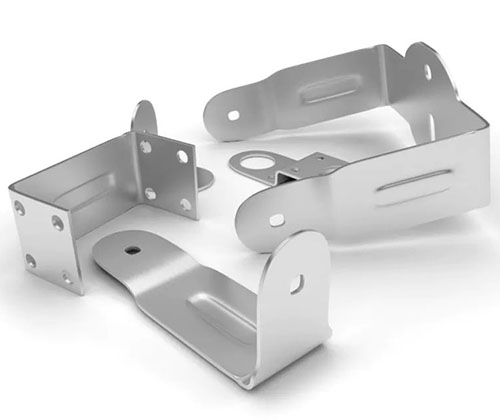
Example: One client chose a low-cost supplier for metal brackets. The brackets arrived with inconsistent hole placements. Assembly slowed by 40%. Rework costs erased the initial savings. They switched to a higher-priced but reliable supplier and saved money overall.
Production Capacity and Lead Times
A supplier’s capacity must match your needs. Ask about:
- Equipment: Do they have modern machines? High-speed laser cutters? Automated benders?
- Workforce: How many skilled fabricators? Can they handle complex projects?
- Shift structure: Do they run single shifts or multiple? Can they scale up for urgent orders?
Lead times vary. A small, simple order might take a few days. A large, complex project could take several weeks. A good supplier gives realistic timelines and communicates proactively if delays arise.
Customer Service and Communication
Clear communication separates good suppliers from great ones. You want a partner, not just a vendor.
Look for:
- Responsive communication: Do they answer calls and emails promptly?
- Design consultation: Do they offer feedback to improve manufacturability?
- Progress updates: Do they keep you informed throughout production?
- After-sales support: Do they stand behind their work if issues arise?
A supplier who values communication builds trust. They become a partner in your success, not just another vendor.
Red Flags to Watch For
Be cautious if you encounter these warning signs:
- Vague quotes: Quotes that lack detail about materials, processes, or timelines
- No certifications: Inability or unwillingness to provide quality certifications
- Reluctance to share references: Unwillingness to connect you with past clients
- Unclear quality process: No documented inspection procedures
- Pressure to rush decisions: Pushing you to commit without proper evaluation
Yigu Technology’s Perspective
As a custom manufacturer of non-standard metal and plastic products, Yigu Technology works with sheet metal fabricators regularly. We have learned what makes a partnership succeed.
In one project, we needed complex enclosures combining plastic and metal components. We chose a fabricator with strong communication and flexible capacity. They provided design feedback early, catching a potential fit issue before production. The project finished ahead of schedule.
We have also seen the cost of poor choices. Another supplier delivered parts with inconsistent finishes. Rework delayed our client’s product launch by three weeks. That experience reinforced the importance of thorough vetting.
Our advice: Visit potential suppliers when possible. See their equipment. Meet their team. Watch how they handle quality checks. A site visit reveals more than any brochure.
Conclusion
Choosing the right sheet metal fabrication supplier takes time, but the investment pays off. Focus on experience, service range, quality systems, material expertise, and communication. Look beyond price to total value. Trust your instincts—if something feels off during discussions, it probably is.
A great supplier becomes a long-term partner. They help you improve designs, reduce costs, and meet deadlines. Choose wisely, and your projects will run smoother from start to finish.
FAQ
How can I ensure the quality of sheet metal products?
Choose a supplier with ISO 9001:2015 certification and a documented quality system. Ask about their inspection methods, including CMM measurement and surface checks. Request inspection reports with your orders to verify that parts meet specifications.
What is the typical lead time for sheet metal fabrication?
Lead times vary widely. Simple orders with small quantities may take 3-7 days. Complex projects with large volumes, custom tooling, or specialized finishing can take 3-8 weeks. Ask suppliers for realistic timelines based on your specific requirements.
Can a sheet metal fabrication supplier help with product design?
Yes, many reputable suppliers offer design support. Their engineers can review your designs and suggest improvements for manufacturability. This feedback often reduces costs and prevents production issues. Look for suppliers who provide this service early in the process.
What should I look for when comparing quotes?
Look beyond the total price. Compare material specifications, included services, quality checks, and lead times. A higher quote may include better materials, more thorough inspection, or faster delivery. Ask for detailed breakdowns to understand what you are paying for.
Contact Yigu Technology for Custom Manufacturing
Need reliable sheet metal components for your next project? Yigu Technology combines engineering expertise with rigorous quality control. We help you select the right materials and processes for your application. [Contact us] to discuss your requirements and get a detailed quote.