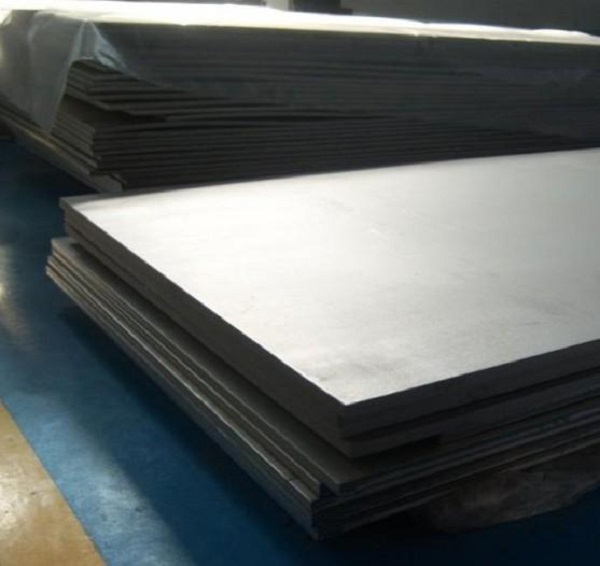
Finding the right thin sheet metal for your project starts with understanding its unique properties and how they match your needs. This guide covers everything from material basics to advanced manufacturing processes, helping you make informed decisions.
Introduction
Thin sheet metal appears in products we use every day. It forms smartphone cases, car panels, and even aircraft wings. But choosing the wrong type can lead to costly failures, from rust to structural weakness.
In this guide, you will learn what thin sheet metal really is, how different materials compare, and which manufacturing processes deliver the best results. Whether you are designing a new product or sourcing components, this information will help you get it right the first time.
What Is Thin Sheet Metal?
Defining the Thickness Range
Thin sheet metal typically ranges from 0.15mm to 6mm in thickness. Anything above 6mm is usually called plate. This thin profile gives it unique advantages.
The high surface-area-to-volume ratio makes it excellent for heat transfer applications. Think of heat exchangers in refrigerators or cooling fins on electronics. That thinness also allows for complex shaping without excessive force or energy.
Common Material Types
Different metals serve different purposes. Here is a quick comparison:
| Material | Key Advantage | Typical Thickness | Common Uses |
|---|---|---|---|
| Stainless Steel | Corrosion resistance | 0.3mm – 4mm | Kitchen equipment, medical tools |
| Aluminum | Lightweight, high conductivity | 0.2mm – 5mm | Aerospace, electronics, automotive |
| Copper | Superior electrical/thermal conductivity | 0.1mm – 3mm | Wiring, heat sinks, circuit boards |
| Galvanized Steel | Rust protection, low cost | 0.4mm – 4mm | Roofing, ductwork, enclosures |
Stainless steel contains chromium, which forms a passive oxide layer on the surface. This layer blocks oxygen and moisture. Grade 304 (18% chromium, 8% nickel) works well for most indoor applications. Grade 316 adds molybdenum, making it resistant to saltwater and chemicals. A food processing plant I worked with switched from painted carbon steel to 316 stainless for their mixing tanks. The initial cost was 35% higher, but they eliminated annual rust-related replacements.
Aluminum weighs about one-third as much as steel. Its density is roughly 2.7 g/cm³ compared to steel’s 7.85 g/cm³. This makes it the top choice for aircraft and electric vehicles. Aluminum also conducts heat well—around 237 W/(m·K) —which helps keep electronics cool.
Copper offers unmatched conductivity. Its electrical resistivity is just 1.68×10⁻⁸ Ω·m at 20°C. Copper also kills bacteria naturally. Some hospitals now use copper surfaces on high-touch areas to reduce infection rates.
Properties That Matter Most
Mechanical Properties
Strength determines how much stress the metal can handle. Tensile strength for mild steel ranges from 250 to 550 MPa. Advanced high-strength steels can exceed 1000 MPa. Yield strength matters too—it is the point where the metal starts to deform permanently. For aluminum, yield strength varies from 50 MPa for pure grades to over 400 MPa for aerospace alloys.
Hardness affects resistance to scratching and denting. The Rockwell scale measures this. Stainless steel 304 typically rates around HRB 88. A client once used soft aluminum for a public kiosk touchscreen frame. Within months, scratches appeared. Switching to a harder 5052 aluminum solved the issue.
Ductility lets metal stretch without breaking. Copper is highly ductile. You can draw it into thin wires or deep-draw it into complex shapes. This property is essential for components that undergo significant forming during manufacturing.
Physical Properties
Thermal conductivity matters for heat management. Aluminum’s rating of 237 W/(m·K) makes it ideal for heat sinks. Copper is even better at around 400 W/(m·K) , which is why high-end cooling systems use copper cores.
Electrical conductivity determines how efficiently the metal carries current. Copper leads the pack among common sheet metals. That is why it dominates electrical applications from circuit boards to EV battery connections.
Density affects weight. For aircraft, every kilogram saved reduces fuel costs. The aerospace industry calculates that reducing aircraft weight by 1 kg can save roughly $3,000 in fuel over the plane’s lifetime. That explains why aluminum is so widely used in aviation.
Manufacturing Processes Explained
Stamping: For High-Volume Production
Stamping uses a punch and die to shape sheet metal. The punch forces the metal into the die cavity, forming the desired shape. This process delivers high efficiency and precision.
A single stamping press can produce thousands of parts per hour. Tolerances typically range from ±0.1mm to ±0.5mm, depending on part complexity. Automotive plants use stamping to make door panels, hoods, and fenders. Appliance manufacturers use it for refrigerator doors and washing machine bodies.
Real-world example: A consumer electronics company needed 50,000 metal casings per month. Stamping reduced their per-unit cost by 62% compared to laser cutting, while maintaining ±0.15mm tolerances.
Bending: Creating Angles and Curves
Bending applies force to change the shape of sheet metal along a straight axis. Modern press brakes achieve bend accuracy of ±1° to ±3°.
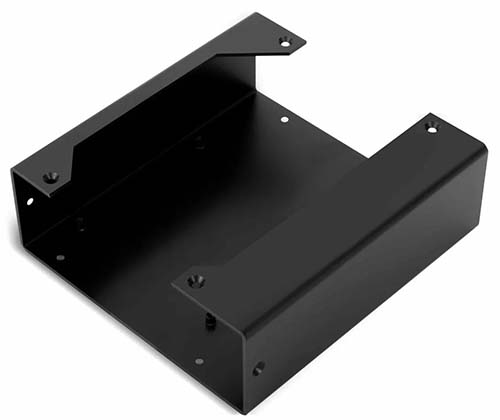
This process is essential for creating enclosures, brackets, and frames. In HVAC systems, bending forms ducts that direct airflow. In furniture manufacturing, it creates table legs and chair frames.
Key factors to consider:
- Bend radius: Too tight, and the metal may crack
- Grain direction: Bending across the grain reduces cracking risk
- Springback: Metal tries to return to its original shape after bending
Laser Cutting: Precision for Complex Shapes
Laser cutting focuses a high-energy beam onto the metal surface. The beam melts or vaporizes the material, creating clean cuts with tolerances as low as ±0.05mm.
This method excels at creating intricate shapes without expensive tooling. The kerf (cut width) is typically around 0.1mm, which minimizes material waste. The heat-affected zone is small, so the surrounding material retains its original properties.
Laser cutting shines in:
- Prototyping and small batches
- Complex geometries
- Materials sensitive to mechanical stress
- Projects requiring quick turnaround
I once advised a startup creating custom drone frames. They needed complex cutouts and tight weight control. Laser cutting allowed them to iterate designs rapidly without waiting weeks for tooling.
Choosing the Right Material
Matching Properties to Application
Here is a decision framework to guide your choice:
| If You Need | Consider | Why |
|---|---|---|
| Corrosion resistance | Stainless steel (304 or 316) | Passive oxide layer prevents rust |
| Light weight | Aluminum (5052, 6061) | One-third the weight of steel |
| High conductivity | Copper or aluminum | Copper offers best electrical; aluminum offers good thermal |
| Lowest cost | Carbon steel or galvanized | Widely available, mature supply chain |
| Formability | Aluminum or low-carbon steel | High ductility allows complex shapes |
Cost Considerations
Material costs fluctuate based on global markets. As of recent trends:
- Carbon steel remains the most affordable option
- Aluminum typically costs 2–3 times more than carbon steel by weight
- Stainless steel often runs 3–5 times higher than carbon steel
- Copper is the most expensive among common sheet metals
But material cost is only one factor. Processing costs, tooling, and finishing also impact the total. A cheaper material that requires expensive coatings or frequent replacement may cost more in the long run.
Yigu Technology’s Perspective
As a custom manufacturer of non-standard plastic and metal products, Yigu Technology works with thin sheet metal daily. We have learned that success depends on three factors.
First, material selection must match the real-world environment. We had a client designing outdoor telecommunications enclosures. They initially specified standard carbon steel to save costs. After reviewing the coastal installation location, we recommended 316 stainless steel. The client agreed, and three years later, those enclosures still show no signs of corrosion.
Second, process selection impacts both quality and cost. For high-volume parts, stamping delivers consistency and speed. For complex, low-volume parts, laser cutting offers flexibility. Understanding your production volume and design complexity helps choose the right method.
Third, tight tolerances require experienced operators. Our team maintains precision across all processes through careful calibration and regular quality checks. We provide inspection reports with every order, so clients know exactly what they are receiving.
Conclusion
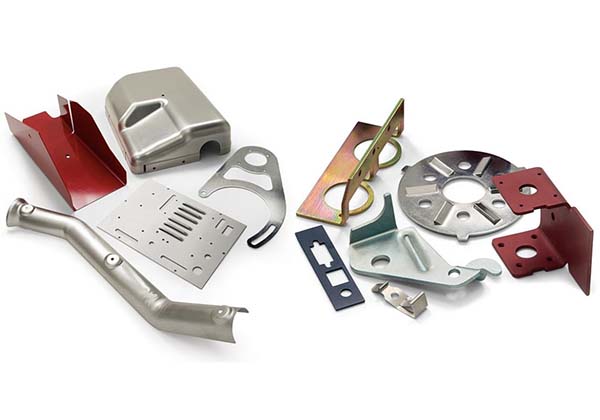
Thin sheet metal combines versatility with performance. From the corrosion resistance of stainless steel to the lightweight nature of aluminum and the conductivity of copper, each material serves specific needs. Manufacturing processes like stamping, bending, and laser cutting transform flat sheets into functional components.
Choosing the right material and process saves money, reduces failures, and extends product life. Start by defining your application requirements, then match them to material properties. When in doubt, consult with experienced manufacturers who can guide you based on real-world results.
FAQ
What thickness range defines thin sheet metal?
Thin sheet metal typically ranges from 0.15mm to 6mm in thickness. Below 0.15mm is often classified as foil, while above 6mm is considered plate. This thickness range balances strength, formability, and weight for most industrial applications.
Which material offers the best corrosion resistance?
Stainless steel, particularly grade 316, provides the best corrosion resistance among common sheet metals. The addition of molybdenum in grade 316 protects against pitting and crevice corrosion, making it suitable for marine and chemical environments. Grade 304 works well for most indoor applications.
What manufacturing process is best for complex shapes?
Laser cutting is ideal for complex shapes because it achieves tolerances as low as ±0.05mm without requiring custom tooling. It works well for prototypes, small batches, and intricate designs. For high-volume production of simpler shapes, stamping is more cost-effective.
How does aluminum compare to steel for structural applications?
Aluminum weighs about one-third as much as steel, making it excellent for weight-sensitive applications like aerospace and transportation. However, steel generally offers higher strength and lower cost. The choice depends on whether weight reduction or strength per dollar matters more for your project.
Contact Yigu Technology for Custom Manufacturing
Need thin sheet metal components made to your exact specifications? Yigu Technology specializes in custom non-standard plastic and metal products. Our team handles everything from material selection to finishing, with rigorous quality control at every step. Whether you need prototypes or production runs, we deliver precision and reliability. [Reach out to us] to discuss your requirements.