Introduction
You have a new product design. It needs to be tested, validated, or launched in limited quantities. But traditional manufacturing methods—injection molding with steel tools—require high volumes to be cost-effective. Short run plastic parts offer a solution. They are batches of plastic components ranging from a few dozen to a few hundred units. This approach enables businesses to test new designs, adapt to market changes, and minimize inventory costs without the expense of full-scale production tooling. This guide covers material selection, manufacturing methods, and best practices for efficient short-run production.
What Are Short Run Plastic Parts?
Short run plastic parts refer to the production of limited quantities of plastic components—typically from a few dozen to a few hundred units. This approach is used where high-volume production is not cost-effective or necessary.
Common applications include:
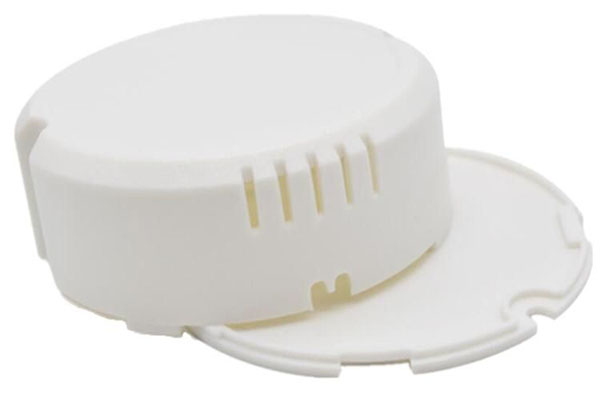
- Custom electronics housings
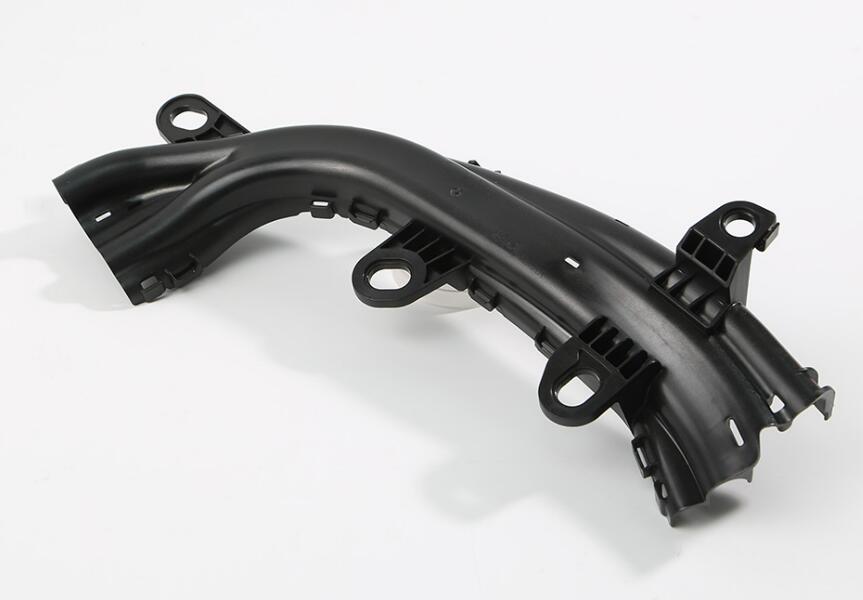
- Automotive prototypes
- Medical device components
- Consumer product iterations
The ability to efficiently produce small batches allows businesses to test new designs, adapt to changing market demands, and minimize inventory costs.
How Do You Select the Right Material?
Material selection is critical for part performance. Different plastics offer various benefits depending on the application.
Common Plastics for Short Run Parts
| Material | Key Properties | Typical Applications |
|---|---|---|
| ABS | Durable, strong, impact-resistant | Automotive parts, electronic enclosures, toys |
| Polycarbonate (PC) | High transparency, impact resistance, heat resistance | Safety glasses, medical devices, compact discs |
| Nylon (PA) | High strength, durability, wear resistance | Gears, bearings, mechanical components |
| PEEK | High-performance, chemical resistance, thermal stability | Aerospace, medical implants, industrial applications |
| PLA | Biodegradable, easy to print | 3D printing, concept models |
Key Material Properties to Consider
When selecting material, evaluate:
- Mechanical strength: Ability to withstand stress without breaking or deforming
- Thermal stability: Maintains properties at high or low temperatures
- Chemical resistance: Resistance to damage from chemical exposure
- Moldability: Ease of shaping into the desired form
- Cost: Raw material and processing expenses
What Manufacturing Methods Are Available?
Several methods are effective for producing short run plastic parts.
3D Printing (Additive Manufacturing)
3D printing builds parts layer by layer from digital models. It excels at creating complex geometries difficult or impossible with traditional methods.
| Technology | Process | Advantages | Best For |
|---|---|---|---|
| FDM | Extrudes melted plastic filament | Low cost, widely available, easy to use | Prototypes, low-cost production |
| SLA | Laser cures liquid resin | High resolution, smooth surfaces | Intricate designs, small batches |
| SLS | Laser sinters powdered material | Functional parts, no supports | End-use parts, functional prototypes |
Injection Molding
Injection molding injects molten plastic into a mold under high pressure. For short runs, specialized techniques reduce costs and lead times.
Rapid injection molding techniques:
- Hot runner systems: Recycle heating elements, minimizing material waste and lowering costs
- Prototype molds: Simple molds designed for short runs—lower cost than full-scale production molds
- Small-scale injection molding machines: Designed for small batches without large, expensive equipment
| Aspect | Traditional Molding | Rapid Injection Molding |
|---|---|---|
| Mold Cost | $10,000–$50,000+ | $2,000–$10,000 |
| Lead Time | 4–8 weeks | 2–4 weeks |
| Best Volume | 10,000+ units | 50–5,000 units |
CNC Machining
CNC machining uses computer-controlled machines to cut and shape plastic materials with high precision.
Common processes:
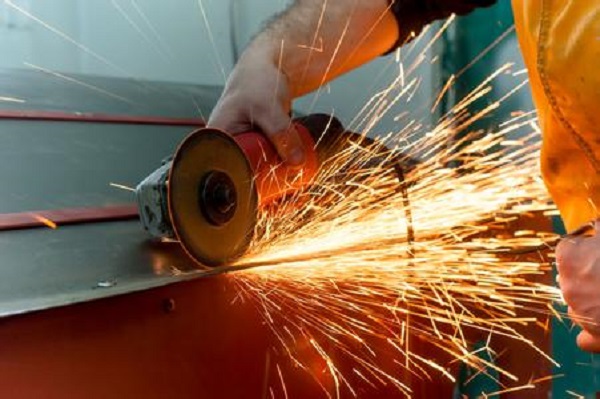
- Milling: Rotating cutter removes material to shape the part
- Turning: Material rotates while fixed cutting tool shapes cylindrical parts
- Drilling: Specialized drill bits create holes for assembly
Advantages:
- High precision (±0.01–0.05 mm)
- Production-grade materials
- No tooling costs—ideal for one-off or small batches
How Do You Choose the Right Method?
The choice depends on volume, complexity, and performance requirements.
| Method | Best Volume | Complexity | Precision | Material Range | Tooling Cost |
|---|---|---|---|---|---|
| 3D Printing | 1–100 units | High | Moderate | Limited | None |
| CNC Machining | 1–500 units | Moderate–High | High | Wide | Low–Moderate |
| Rapid Injection Molding | 50–5,000 units | Moderate | High | Wide | Moderate |
Use 3D printing for complex geometries, early concept validation, or when speed is critical.
Use CNC machining for high-precision parts, production-grade materials, or when no tooling is desired.
Use rapid injection molding for larger batches (50–5,000 units) where production-grade material properties are required.
What Are Best Practices for Efficient Production?
Follow these practices to ensure quality and cost-effectiveness.
Optimize Design for Manufacturability
- Simplify geometry: Eliminate unnecessary undercuts, thin walls, and sharp corners that increase manufacturing complexity
- Add draft angles (for injection molding): 0.5–1 degree per side allows easy part ejection
- Specify appropriate tolerances: Tighter tolerances increase cost—use only where functionally necessary
Choose the Right Material
Match material properties to application requirements. For functional testing, use production-grade materials like ABS, nylon, or polycarbonate. For concept models, PLA or standard resins may suffice.
Implement Quality Control
- In-process inspections: Monitor dimensions during production
- Final inspections: Use CMM or optical comparators to verify tolerances
- Documentation: Record material batches, process parameters, and inspection results
Leverage Hybrid Approaches
Combine methods for efficiency. Use 3D printing for initial concept validation, CNC machining for functional testing, and rapid injection molding for pilot production. This layered approach minimizes risk and cost.
What Future Trends Are Emerging?
Several trends will shape short-run plastic part manufacturing.
Advancements in Additive Manufacturing
Emerging 3D printing technologies offer faster speeds, improved resolution, and broader material ranges. High-speed sintering and continuous printing systems are closing the gap between prototyping and production.
Hybrid Manufacturing
Combining additive (3D printing) and subtractive (CNC machining) processes leverages the strengths of both. Additive creates near-net shapes; subtractive adds precision features and smooth surfaces.
Automation and AI Integration
Automation optimizes workflows, improves precision, reduces errors, and enhances productivity. AI-driven design tools generate manufacturable geometries and predict potential issues before production.
Sustainable Manufacturing
Increased focus on eco-friendly materials, waste reduction, and energy-efficient processes. Recycled filaments, biodegradable plastics, and closed-loop material systems are becoming more common.
How Does Yigu Technology Approach Short Run Production?
As a non-standard plastic and metal products custom supplier, Yigu Technology specializes in efficient short-run manufacturing.
We Offer Multiple Methods
- 3D printing (FDM, SLA, SLS) for complex geometries and rapid iteration
- CNC machining for precision plastic parts with production-grade materials
- Rapid injection molding for larger batches with production-quality finishes
We Guide Material Selection
Our engineers help you choose the right plastic based on mechanical requirements, thermal stability, chemical resistance, and cost.
We Ensure Quality
Strict quality control processes—in-process inspections, final CMM verification—ensure consistency and accuracy.
We Optimize for Cost
We provide DFM feedback to simplify designs, reduce material waste, and minimize manufacturing time—lowering overall costs.
Conclusion
Short run plastic parts enable businesses to test designs, adapt to market changes, and launch products without the expense of high-volume production tooling. By selecting the right material, manufacturing method, and applying best practices—DFM, quality control, and process optimization—you can efficiently produce high-quality parts at volumes from a few dozen to a few thousand units.
Technologies like 3D printing, CNC machining, and rapid injection molding offer distinct advantages. The key is matching the method to your volume, complexity, and performance requirements.
Frequently Asked Questions
What are the advantages of using rapid prototyping for short run plastic parts?
Rapid prototyping offers reduced lead times (prototypes in hours or days), cost savings (no expensive molds), and the ability to produce complex geometries impossible with traditional methods. It enables quick design testing and refinement—critical for fast-paced industries.
How can I ensure the quality of my short run plastic parts?
Ensure quality through rigorous testing and inspection at each production stage. Use precise measurement tools (CMM, optical comparators), conduct visual inspections, and adhere to industry standards. Collaborate with experienced manufacturers who maintain strong quality control processes.
What are some cost-effective methods for producing short run plastic parts?
Cost-effective methods include rapid injection molding with prototype molds, hot runner systems to minimize waste, small-scale injection molding machines, and 3D printing technologies like FDM and SLA. Optimizing designs to reduce material waste and manufacturing time also contributes to cost savings.
What is the difference between rapid injection molding and traditional injection molding?
Rapid injection molding uses prototype molds (often aluminum) and simplified processes to produce parts in 2–4 weeks with lower tooling costs ($2,000–$10,000). Traditional injection molding uses hardened steel molds with 4–8 week lead times and higher tooling costs ($10,000–$50,000+), but lower per-unit cost at high volumes.
When should I choose CNC machining over 3D printing for short run plastic parts?
Choose CNC machining when you need high precision (±0.01–0.05 mm), production-grade materials (solid plastics with consistent properties), or larger quantities (50–500 units). Choose 3D printing for complex geometries, rapid iteration, or when cost is the primary constraint for very small batches.
Contact Yigu Technology for Custom Manufacturing
Ready to efficiently manufacture your short run plastic parts? Yigu Technology offers 3D printing, CNC machining, and rapid injection molding services. Our engineers help you select the right materials and processes for your application. Contact us today to discuss your project.