Introduction
Imagine machining a material that cuts like a hard plastic but wears down tools like an abrasive. It produces fine dust instead of chips. It cracks if your feed rate is too aggressive. And if temperatures climb too high, it can actually burn.
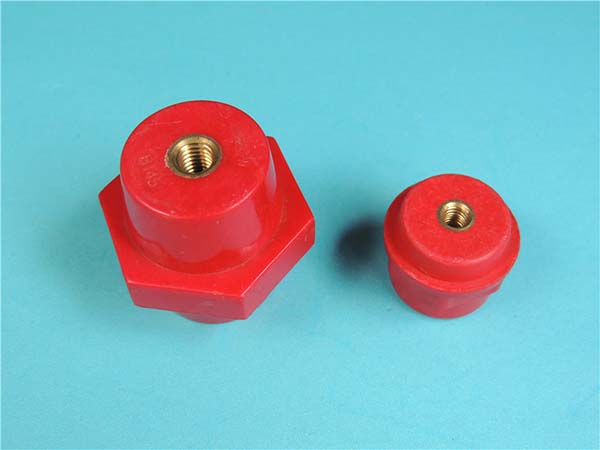
This is bakelite—the world’s first synthetic plastic. Invented in 1907, it remains widely used today for electrical insulators, automotive components, and industrial parts. Its unique properties—high heat resistance, excellent electrical insulation, and good mechanical strength—make it irreplaceable in certain applications.
But machining bakelite requires a different approach than metal or standard plastics. Its hardness, brittleness, and abrasive nature create challenges that catch many machinists off guard. Tools wear rapidly. Parts crack unexpectedly. Surface finishes suffer.
This guide walks you through the practical realities of machining bakelite. You will learn what makes this material unique, what tools work best, how to set parameters, and how to avoid the common pitfalls that lead to scrap.
What Makes Bakelite Different?
A Brief History and Composition
Bakelite, also known as phenolic resin, was the first fully synthetic plastic. Leo Baekeland invented it in 1907 by combining phenol and formaldehyde under heat and pressure. The result was a material that would not melt or soften under heat—a revolutionary property at the time.
Today, bakelite refers to a family of thermoset plastics. Unlike thermoplastics (which soften when heated), thermosets undergo a chemical reaction during curing that creates a cross-linked polymer structure. Once set, they cannot be remelted.
This cross-linked structure gives bakelite its valuable properties:
- Heat resistance: Maintains integrity up to 300°C
- Electrical insulation: Excellent dielectric properties
- Dimensional stability: Does not creep under load
- Chemical resistance: Resists many solvents and acids
But this same structure creates machining challenges. Bakelite does not produce continuous chips like metal. It generates fine dust. It is brittle and prone to cracking. And its abrasive fillers—often wood flour, asbestos, or glass fibers—wear down cutting tools rapidly.
Common Applications
| Industry | Applications |
|---|---|
| Electrical | Insulators, switchgear components, terminal blocks |
| Automotive | Distributor caps, brake pads, timing gears |
| Industrial | Gears, pulleys, bearings, valve components |
| Consumer | Knobs, handles, vintage radio cabinets |
What Tools Should You Use for Bakelite?
Carbide Tools: The Reliable Choice
Carbide-tipped tools are the standard for bakelite machining. Carbide offers hardness of 89–93 HRA —significantly harder than high-speed steel. It resists the abrasive wear that quickly destroys HSS tools.
In a comparative test, an HSS tool showed visible edge wear after 30 minutes of machining bakelite. A carbide-tipped tool ran for 2 hours with minimal wear.
For most bakelite machining operations:
- Use K-grade carbide (tungsten carbide with cobalt binder)
- Choose sharp edges—bakelite does not require the edge honing used for metals
- Select positive rake geometries to reduce cutting forces
Ceramic Tools: Higher Speed, Higher Risk
Ceramic tools offer even higher hardness—up to 95 HRA —and excellent heat resistance. They can run at higher cutting speeds than carbide.
But ceramic tools are brittle. They chip more easily than carbide, especially in interrupted cuts or if the setup lacks rigidity. For most bakelite machining, carbide remains the safer choice.
Tool Geometry Matters
| Parameter | Recommendation | Why |
|---|---|---|
| Rake angle | +5° to +10° (positive) | Reduces cutting force; smoother cutting |
| Clearance angle | 10° to 15° | Prevents rubbing against workpiece |
| Edge radius | 0.05–0.1 mm | Sharp enough for clean cuts, strong enough to resist chipping |
A sharp tool with proper geometry cuts through bakelite cleanly. A dull tool rubs, generating heat that can soften or burn the material.
How Do You Set Machining Parameters?
Cutting Speed
Cutting speed significantly affects surface finish and tool life in bakelite machining. Experiments show that:
- At 50 m/min, surface finish is acceptable but production rate is low
- Increasing to 80–100 m/min improves finish and efficiency
- Above 100 m/min, heat generation increases, surface finish degrades, and tool wear accelerates
For most operations, target 60–100 m/min for milling and 40–80 m/min for turning.
Feed Rate
Feed rate controls chip formation and cutting forces. Too high, and you risk cracking the workpiece. Too low, and you generate fine dust that can clog tools.
| Operation | Recommended Feed Rate |
|---|---|
| Milling | 0.08–0.15 mm/tooth |
| Turning | 0.05–0.12 mm/rev |
| Drilling | 0.03–0.08 mm/rev |
A manufacturer machining electrical insulators found that reducing feed rate from 0.2 mm/rev to 0.1 mm/rev dropped surface roughness from 3.2 μm Ra to 1.6 μm Ra and eliminated cracking entirely.
Depth of Cut
Bakelite does not require heavy cuts. Light passes reduce cutting forces and minimize the risk of cracking.
- Milling: 0.5–2 mm
- Turning: 0.2–1 mm
- Drilling: peck cycles with 1–2 mm per peck
Coolant: Essential, Not Optional
Bakelite generates heat during machining. Without coolant, cutting temperatures can reach 350°C —enough to soften or burn the material.
A turning operation without coolant recorded 350°C at the cutting zone. Tool wear was rapid. Surface finish was poor. With water-based coolant applied, temperature dropped to 150°C . Tool life extended. Surface finish improved.
Coolant recommendations:
- Use water-based coolant with good lubricity
- Apply flood coolant to flush dust and reduce heat
- For electrical applications, ensure parts are dried after machining to restore insulation properties
What Pre-Treatment and Post-Treatment Help?
Preheating: Reducing Brittleness
Bakelite is brittle at room temperature. Preheating to 60–80°C reduces brittleness and makes the material more forgiving during machining.
The preheating process:
- Heat in an oven or on a heating plate
- Hold at temperature for 30–60 minutes
- Machine while warm
- Allow to cool slowly after machining
Preheating helps prevent edge chipping and cracking, especially in thin sections or complex geometries.
Annealing: Relieving Internal Stress
Machining induces residual stresses in bakelite. These stresses can cause parts to crack days or weeks after machining—a frustrating failure mode that appears long after the part passed final inspection.
Annealing relieves these stresses:
- Heat the machined part to 150–180°C
- Hold for 1–2 hours per 25 mm of thickness
- Cool slowly (no more than 20°C per hour)
Annealed parts maintain their dimensions and resist stress cracking over time.
Surface Treatment: Enhancing Performance
For demanding applications, surface treatments add value:
| Treatment | Benefits | Typical Thickness |
|---|---|---|
| Epoxy coating | Improved corrosion resistance, enhanced electrical insulation | 0.1–0.3 mm |
| Nickel plating | Increased surface hardness, wear resistance | 0.02–0.05 mm |
A manufacturer of electrical components found that epoxy-coated bakelite insulators passed salt spray testing that uncoated parts failed.
What Are the Common Challenges?
Cracking During Machining
Cracking is the most common failure mode in bakelite machining. It occurs when cutting forces exceed the material's strength.
Causes:
- Feed rate too high
- Dull tools
- Insufficient support for thin sections
- No preheating
Solutions:
- Reduce feed rates
- Use sharp carbide tools
- Add backing support for thin walls
- Preheat brittle material
A manufacturer reduced cracking from 15% to less than 5% by switching from HSS to carbide tools and reducing feed rates from 0.2 mm/rev to 0.1 mm/rev.
Tool Wear and Breakage
Bakelite's abrasive fillers wear tools rapidly. Glass-filled grades are particularly aggressive.
Causes:
- Abrasive fillers (glass, wood flour, minerals)
- High cutting speeds
- No coolant
Solutions:
- Use carbide or ceramic tools
- Reduce cutting speeds
- Apply flood coolant
- Monitor tool wear and replace before failure
Heat Generation and Burning
Excessive heat softens bakelite and can cause surface burning—visible as dark, discolored areas.
Causes:
- Cutting speed too high
- Dull tools creating friction
- No coolant
Solutions:
- Reduce cutting speed
- Maintain sharp tools
- Use coolant to remove heat
Dust Management
Bakelite produces fine dust rather than chips. This dust:
- Can be a respiratory hazard
- Accumulates on machine surfaces
- Can clog coolant systems
Solutions:
- Use dust collection systems
- Wear appropriate respiratory protection
- Clean machines regularly
- Consider wet machining to suppress dust
What Do Case Studies Teach Us?
Success: Turning Around a Troubled Operation
A manufacturer producing electrical insulator components faced two problems: 15% cracking rate and low production efficiency (50 parts per hour).
They made three changes:
- Switched from HSS to carbide-tipped tools
- Reduced cutting speed from 120 m/min to 80 m/min
- Reduced feed rate from 0.2 mm/rev to 0.1 mm/rev
Results:
- Cracking rate dropped from 15% to below 5%
- Production rate increased from 50 to 80 parts per hour (60% increase)
- Tool life extended significantly
Failure: Lessons from a Failed Project
A project to machine bakelite automotive parts failed completely. The team used HSS tools that wore out in 2 hours. They did not control cutting temperature. Parts deformed and burned.
Root causes:
- Wrong tool material for the application
- No monitoring of cutting temperature
- No parameter optimization before production
Lessons learned:
- Select carbide or ceramic tools for bakelite, not HSS
- Control cutting temperature with proper parameters and coolant
- Run trials before mass production to optimize parameters
Yigu Technology's Perspective
At Yigu Technology, we machine bakelite regularly for clients in electrical, automotive, and industrial markets. Our experience confirms that success depends on tool selection, parameter control, and thermal management.
We use carbide-tipped tools with positive rake geometries and sharp edges. For high-volume runs, we specify K-grade carbide that resists abrasive wear. Our machining parameters are dialed in for each grade of bakelite—glass-filled grades run slower than unfilled grades.
We incorporate preheating for brittle material and annealing for precision components that must maintain dimensional stability. Our coolant systems deliver flood coolant to every cut, controlling temperature and suppressing dust.
For electrical applications, we ensure parts are thoroughly dried after machining to restore insulation properties. For demanding applications, we offer epoxy coating and nickel plating to enhance performance.
Conclusion
Bakelite machining presents unique challenges, but they are manageable with the right approach. The material's hardness, brittleness, and abrasive nature demand attention to tool selection, parameters, and thermal control.
Success requires:
- Carbide or ceramic tools with sharp edges
- Moderate cutting speeds (60–100 m/min for milling)
- Controlled feed rates that balance efficiency against cracking risk
- Flood coolant to manage heat and suppress dust
- Preheating for brittle sections
- Annealing to relieve residual stress
The rewards justify the care. Bakelite components provide heat resistance, electrical insulation, and dimensional stability that other materials cannot match. With proper machining practices, you can produce high-quality parts that perform reliably for decades.
FAQ
Why does bakelite crack during machining?
Bakelite cracks when cutting forces exceed its strength. Common causes include feed rates that are too high, dull tools that increase cutting force, insufficient workpiece support, or machining without preheating. Reducing feed rates, using sharp carbide tools, and preheating brittle material to 60–80°C significantly reduce cracking.
What tools work best for machining bakelite?
Carbide-tipped tools are the standard for bakelite. They resist the abrasive wear that quickly destroys high-speed steel tools. For high-volume operations, K-grade carbide with sharp edges and positive rake angles delivers the best combination of wear resistance and cutting performance. Ceramic tools can run faster but are more brittle and prone to chipping.
Do I need coolant when machining bakelite?
Yes. Coolant is essential for bakelite machining. Without coolant, cutting temperatures can reach 350°C, causing rapid tool wear, poor surface finish, and potential material burning. Water-based flood coolant reduces cutting temperature to around 150°C, extends tool life, improves surface finish, and helps suppress hazardous dust.
Can bakelite be machined dry?
Technically yes, but it is not recommended. Dry machining generates fine dust that is a respiratory hazard and can accumulate on machine surfaces. It also runs hotter, accelerating tool wear and risking material burning. Wet machining with coolant is safer, more efficient, and produces better results.
How do I prevent dust problems when machining bakelite?
Use flood coolant to suppress dust at the source. If dry machining is necessary, use dust collection systems with HEPA filtration. Operators should wear appropriate respiratory protection. Clean machines regularly to prevent dust accumulation, which can be both a safety hazard and a fire risk.
Contact Yigu Technology for Custom Manufacturing
Need precision-machined bakelite components for electrical, automotive, or industrial applications? Yigu Technology brings decades of experience machining thermoset plastics. Our capabilities include CNC milling, turning, and drilling of bakelite in all grades—unfilled, glass-filled, and mineral-filled.
We understand the unique challenges of bakelite: tool wear, cracking risk, and thermal management. Our processes incorporate carbide tooling, optimized parameters, and flood coolant to deliver consistent quality. We offer preheating, annealing, and surface treatment services to enhance part performance.
Contact Yigu Technology today to discuss your bakelite machining project or request a quote. Let our expertise work for you.