Plastic parts are everywhere. They are in your car, your phone, your kitchen, and your hospital room. But have you ever wondered how they are made? The processes behind plastic manufacturing shape not only the products we use but also the economy, the environment, and the future of design.
This guide explains the main methods of plastic part manufacturing—injection molding, extrusion, blow molding, and thermoforming. You will learn how each process works, where it excels, and the broader impact of plastic production on our world. Whether you are an engineer, a product designer, or simply curious, this provides a clear view.
How Are Plastic Parts Manufactured?
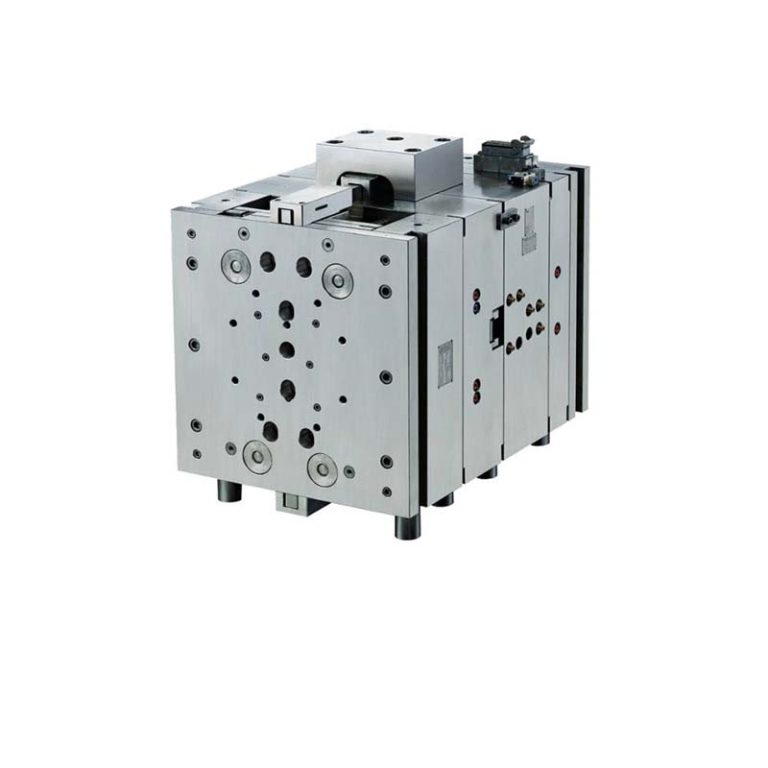
Injection Molding: Precision at Scale
Injection molding is the most common method for producing plastic parts. It creates everything from smartphone cases to automotive components.
How it works:
- Plastic pellets are fed into a heated barrel
- A rotating screw melts the plastic and forces it forward
- Molten plastic is injected into a closed mold cavity under high pressure
- The plastic cools and solidifies
- The mold opens, and the part is ejected
Key advantages:
- High precision: Tolerances as tight as ±0.02 mm
- Complex geometries: Intricate designs, undercuts, and fine details
- Fast cycle times: Seconds to minutes per part
- Material versatility: Works with thermoplastics, engineering plastics, and some thermosets
Typical products:
- Smartphone cases
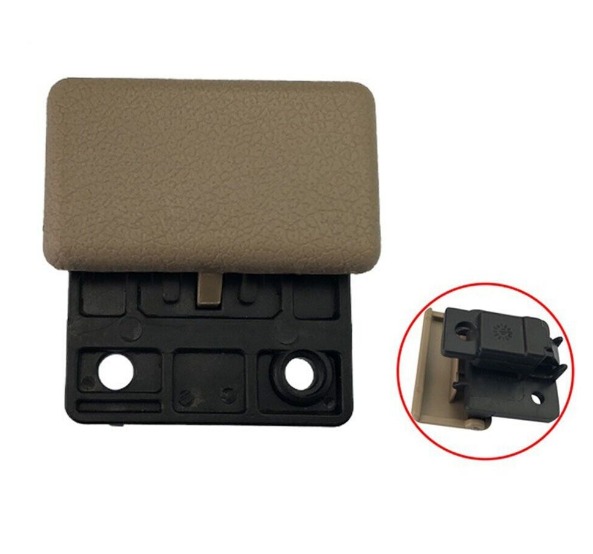
- Automotive interior parts
- Medical device components
- Consumer electronics housings
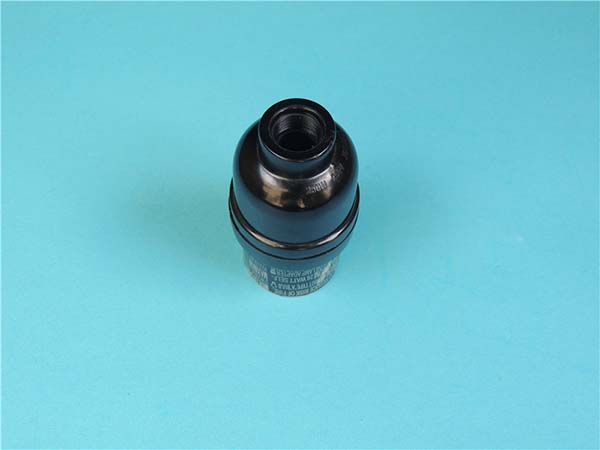
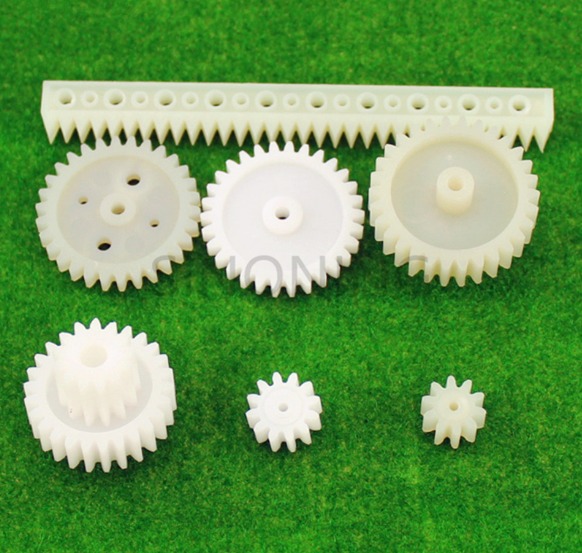
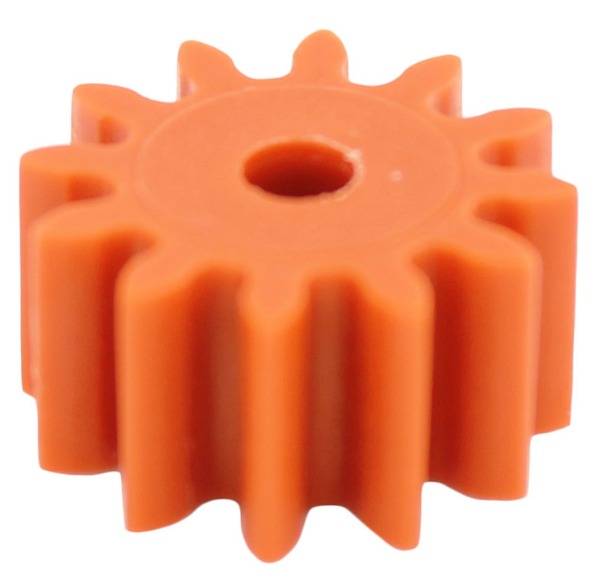
- Small gears and mechanical parts
Cost structure: High initial mold cost ($5,000–$50,000+), but low per-unit cost at volume. Economical for runs of 10,000+ parts.
Extrusion: Continuous Shapes
Extrusion creates long, continuous plastic shapes—pipes, tubing, sheets, and custom profiles.
How it works:
- Plastic pellets are fed into a heated barrel
- A screw melts and pushes the plastic forward
- Molten plastic is forced through a die with the desired cross-section
- The extruded shape passes through a cooling system (water or air)
- It is cut to length or wound onto rolls
Key advantages:
- Continuous production: Ideal for long lengths
- Consistent cross-section: Uniform shape throughout
- Efficient: High output for continuous profiles
Typical products:
- Plastic pipes and tubing
- Window frames and siding
- Plastic films and sheets
- Weather stripping
- Wire insulation
Cost structure: Moderate equipment cost. Low per-unit cost for continuous production.
Blow Molding: Hollow Parts
Blow molding creates hollow plastic products—bottles, containers, and hollow toys.
How it works (extrusion blow molding):
- A hollow tube of molten plastic (parison) is extruded
- The parison is enclosed in a mold
- Compressed air is blown into the parison, expanding it to fill the mold
- The plastic cools and solidifies
- The mold opens, and the hollow part is ejected
Types:
- Extrusion blow molding: Large containers, industrial drums
- Injection blow molding: Smaller, precise containers (cosmetic bottles, pharmaceutical containers)
- Stretch blow molding: PET beverage bottles with improved strength and barrier properties
Typical products:
- Water and soda bottles
- Shampoo containers
- Fuel tanks
- Hollow toys
Cost structure: Moderate mold and equipment cost. Efficient for high-volume hollow products.
Thermoforming: Shaping Sheets
Thermoforming starts with a flat plastic sheet and forms it into shape using heat and pressure.
How it works:
- A plastic sheet is heated until pliable
- The heated sheet is placed over (or under) a mold
- Vacuum or pressure forces the sheet to conform to the mold shape
- The plastic cools and retains the shape
- Excess material is trimmed away
Key advantages:
- Low tooling cost: Molds are less expensive than injection molds
- Quick turnaround: Good for prototyping and small to medium runs
- Large parts: Can produce large-area components
Typical products:
- Disposable food containers
- Blister packs
- Automotive dashboards and door panels
- Medical packaging
- Refrigerator liners
Cost structure: Low initial tooling cost. Economical for runs of 500–10,000 parts.
How Do These Methods Compare?
| Method | Initial Cost | Per-Unit Cost | Production Speed | Precision | Best For |
|---|---|---|---|---|---|
| Injection molding | High (mold) | Low at volume | Fast (seconds) | Very high | Complex, high-volume parts |
| Extrusion | Moderate | Low | Continuous | Moderate (cross-section) | Long, continuous profiles |
| Blow molding | Moderate | Low | Moderate | Moderate | Hollow containers |
| Thermoforming | Low | Low | Moderate | Low–moderate | Large, simple shapes, low volume |
How Is Plastic Manufacturing Impacting Our World?
Economic Impact
Plastic manufacturing drives significant economic activity:
- Employment: Millions of jobs globally—from raw material production to product design, manufacturing, and distribution
- Industry growth: The global plastic market was valued at over $650 billion in 2022 and continues to grow
- Accessibility: Low-cost manufacturing makes products affordable across income levels
- Innovation: Plastic enables products that would be impossible or too expensive with other materials
In the automotive industry, plastic parts reduce vehicle weight. Lighter cars mean better fuel efficiency—10–15% improvement in some cases. This translates to consumer savings and reduced emissions.
Environmental Impact
Plastic manufacturing creates environmental challenges:
- Fossil fuel dependence: Most plastics derive from petroleum and natural gas
- Waste: Plastic waste persists in the environment. An estimated 8–10 million tons enter oceans annually
- Recycling limitations: Only about 9% of all plastic ever produced has been recycled
- Microplastics: Tiny plastic particles now found in water, soil, and even human tissue
Positive developments:
- Recycled content: Increasing use of post-consumer recycled materials
- Bioplastics: Materials derived from renewable sources (corn starch, cellulose)
- Circular economy: Design for recyclability and extended producer responsibility
A manufacturer we work with now uses 30% recycled content in their injection-molded parts. The parts meet all quality specifications while reducing virgin material consumption.
Innovation and Progress
Plastic manufacturing enables advances across industries:
Medical:
- Sterile, single-use devices that prevent infection
- Lightweight prosthetics and implants
- Precision drug delivery systems
Electronics:
- Miniaturization of components
- Lightweight, durable housings
- Complex internal structures
Transportation:
- Lightweight parts that improve fuel efficiency
- Corrosion-resistant components
- Noise-reducing interior parts
Renewable energy:
- Wind turbine blades (composite plastics)
- Solar panel components
- Battery housings for electric vehicles
Human Health Considerations
Plastic manufacturing and use raise health questions:
Concerns:
- Chemical additives (phthalates, BPA) that may disrupt hormones
- Microplastic ingestion and unknown long-term effects
- Occupational exposure during manufacturing
Safeguards:
- Stricter regulations on food-contact materials
- Medical-grade plastics with biocompatibility testing (ISO 10993)
- Improved factory safety standards
How Can We Make Better Choices?
For Manufacturers
- Design for recyclability: Use single-material construction where possible
- Optimize material use: Reduce part weight without compromising performance
- Use recycled content: Incorporate post-consumer or post-industrial recycled materials
- Select appropriate processes: Match manufacturing method to volume and complexity to minimize waste
For Product Designers
- Choose materials wisely: Consider end-of-life implications
- Minimize part count: Combine functions into fewer parts
- Use standard sizes: Reduce mold costs and material waste
- Consider disassembly: Design products that can be separated for recycling
For Consumers
- Reduce single-use plastic: Choose reusable alternatives when possible
- Recycle properly: Follow local guidelines—not all plastics are recyclable everywhere
- Support sustainable products: Look for recycled content and responsible manufacturing
What Does the Future Hold?
Emerging Trends
Advanced recycling: Chemical recycling breaks plastics down to their original monomers, enabling true circularity for materials previously unrecyclable.
Bioplastics: Materials from renewable sources are improving in performance and cost. Some now match conventional plastics in key properties.
Additive manufacturing: 3D printing enables on-demand production, reducing waste and inventory. Complex geometries that were impossible become feasible.
Smart manufacturing: Industry 4.0 technologies—sensors, AI, automation—reduce waste, energy consumption, and defects.
Challenges Ahead
Infrastructure: Recycling capacity lags behind production. Investment in collection, sorting, and processing is needed.
Cost: Sustainable alternatives often cost more. Scale will reduce prices over time.
Performance: Bioplastics and recycled materials sometimes underperform virgin materials in certain applications. Research continues.
Conclusion
Plastic part manufacturing—through injection molding, extrusion, blow molding, and thermoforming—has transformed our world. These processes enable affordable products, fuel economic growth, and drive innovation across industries. But they also create environmental and health challenges that demand attention.
The future lies in balance: continuing to use plastics where they provide unique benefits while reducing waste, increasing recycling, and developing sustainable alternatives. For manufacturers, designers, and consumers alike, understanding how plastics are made—and their impacts—is the first step toward making better choices.
Frequently Asked Questions
What is the most cost-effective plastic manufacturing method for small-scale production?
Thermoforming often has the lowest initial tooling cost, making it economical for small runs (500–5,000 parts). Injection molding has high mold costs that are only justified at higher volumes (typically 10,000+ parts). For very small quantities, 3D printing may be the most cost-effective option.
How can I tell if a plastic product is recyclable?
Look for the recycling symbol with a number (1–7) on the product. However, local recycling facilities vary in what they accept. PET (1) and HDPE (2) are most commonly recycled. Check with your local waste management authority for specific guidelines.
What is the difference between thermoplastics and thermosets?
Thermoplastics (like ABS, polycarbonate, nylon) can be melted and reshaped multiple times. They are used in injection molding, extrusion, and blow molding. Thermosets (like Bakelite, epoxy) undergo a chemical change during curing and cannot be remelted. They require different processing methods.
Are bioplastics better for the environment?
It depends. Bioplastics from renewable sources can reduce fossil fuel dependence. Some are biodegradable or compostable. However, they may still require energy-intensive processing, and biodegradable plastics often need industrial composting facilities to break down—they do not degrade quickly in oceans or landfills. Evaluate the full lifecycle, not just the material source.
What are the most common plastics used in manufacturing?
Polyethylene (PE) for films, bottles, and containers. Polypropylene (PP) for automotive parts, food containers, and textiles. Polyvinyl chloride (PVC) for pipes and profiles. Polyethylene terephthalate (PET) for beverage bottles. Acrylonitrile butadiene styrene (ABS) for consumer electronics and automotive parts. Each is chosen for specific property combinations.
Contact Yigu Technology for Custom Manufacturing
Need custom plastic parts for your application? At Yigu Technology, we work across injection molding, extrusion, and other processes to deliver components that meet your specifications. From design optimization to production, we help you get the right parts efficiently.
Contact us today to discuss your plastic part manufacturing needs.