Introduction
Every plastic product you use—from the smartphone in your pocket to the dashboard in your car—begins as tiny plastic pellets. These small, often cylindrical granules are the raw material that fuels the injection molding process, one of the most versatile and widely used manufacturing methods in the world.
Injection molding transforms these pellets into finished parts through a precise, repeatable cycle. The process is deceptively simple: melt plastic, inject it into a mold, let it cool, and eject the part. But behind this simplicity lies a sophisticated engineering discipline that requires careful control of temperature, pressure, timing, and material properties.
This guide explores the journey of plastic pellets through the injection molding process. You will learn how pellets behave at each stage, how their properties affect the final product, and how this technology shapes industries from automotive to consumer goods.
What Is Injection Molding?
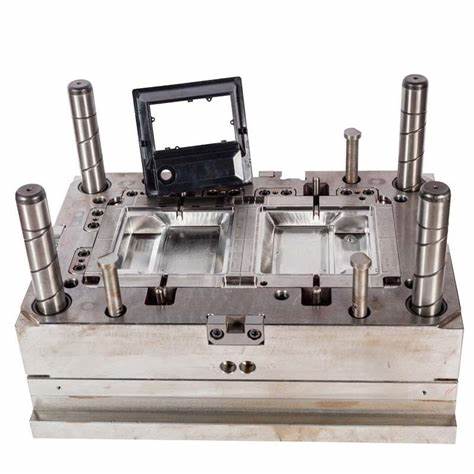
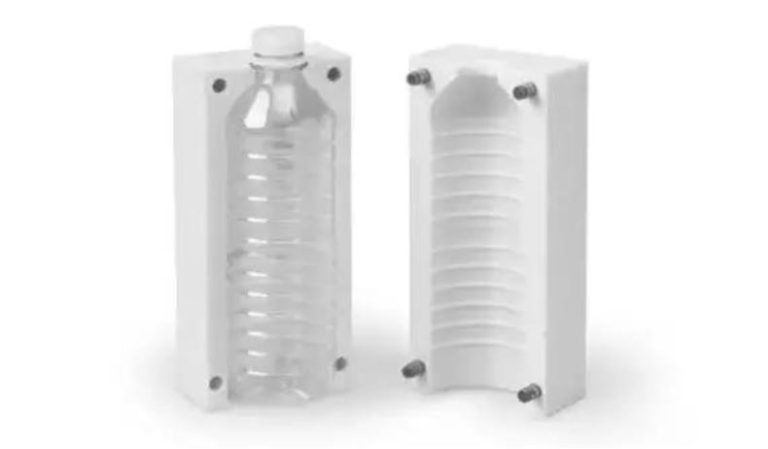
Injection molding is a manufacturing process that produces plastic parts by injecting molten material into a precisely designed mold cavity. The material cools and solidifies, taking the shape of the cavity.
Why Is It So Widely Used?
Injection molding is the dominant method for producing plastic parts because it offers:
- High efficiency – Cycles repeat in seconds to minutes
- Complex geometry – Intricate shapes with fine details are possible
- Tight tolerances – ±0.05 mm or better for precision parts
- Material variety – Hundreds of thermoplastic formulations available
- Scalability – From hundreds to millions of parts
The Role of Plastic Pellets
Plastic pellets are the starting point. They are engineered for specific properties:
- Melt flow characteristics
- Mechanical strength
- Chemical resistance
- Color and appearance
- Processing temperature range
The quality of the pellets directly affects the quality of the finished part.
How Does the Injection Molding Process Work?
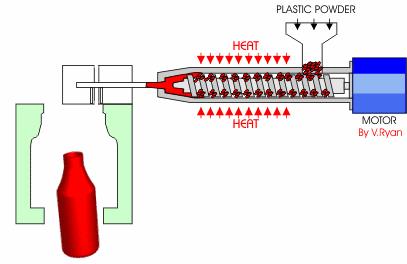
The injection molding process follows a precise sequence. Each step transforms the pellets closer to the finished product.
Step 1: Mold Closing
Before any plastic moves, the mold must close. The two halves—stationary and moving—are brought together with precise alignment.
Key considerations:
- Alignment pins ensure the halves meet exactly
- Clamping force holds the mold closed during injection
- Insufficient clamping allows flash (plastic leakage)
Plastic pellets at this stage: waiting in the hopper, ready to feed into the barrel.
Step 2: Injection
Pellets feed from the hopper into a heated barrel. A rotating screw conveys them forward while external heaters melt the plastic.
The melting process:
- Pellets enter the barrel at the feed zone
- Compression zone applies pressure and friction
- Metering zone completes melting and homogenizes the melt
Once fully melted, the screw moves forward like a plunger, forcing the molten plastic through the nozzle and into the mold cavity.
Injection pressure: Typically 1,000–30,000 psi (7–200 MPa), depending on material and part complexity.
How pellets behave: As pellets heat, polymer chains become mobile. Crystalline plastics (PP, PE) transition from ordered structures to amorphous melt. Amorphous plastics (ABS, PC) soften gradually.
Step 3: Packing and Holding Pressure
After the cavity fills, packing and holding pressure begin. This phase compensates for shrinkage as the plastic cools.
Purpose:
- Forces additional material into the cavity
- Maintains pressure until the gate freezes
- Prevents sink marks and voids
Holding pressure: Typically 50–80% of injection pressure.
How pellets affect this step: Materials with high shrinkage rates (PP, nylon) require longer holding times. The original pellet formulation—including additives and fillers—influences shrinkage behavior.
Step 4: Cooling
Cooling accounts for 50–80% of the total cycle time. The plastic must solidify enough to hold its shape before ejection.
Cooling mechanism:
- Coolant (water) circulates through channels in the mold
- Heat transfers from plastic to mold to coolant
- Uniform cooling prevents warpage
How pellets affect cooling:
- Crystalline plastics release additional heat during solidification; require longer cooling
- Amorphous plastics cool more uniformly
- Glass-filled materials may have different thermal conductivity
| Material Type | Cooling Behavior | Cycle Time Impact |
|---|---|---|
| Amorphous (ABS, PC) | Gradual solidification | Moderate |
| Semi-crystalline (PP, PE) | Phase change; additional heat release | Longer |
| Filled materials | Altered thermal properties | Variable |
Step 5: Mold Opening
Once the part has cooled sufficiently, the mold opens. The moving half retracts, exposing the solidified part.
Control considerations:
- Opening speed must be controlled to prevent part damage
- Smooth operation extends mold life
Step 6: Ejection
Ejector pins push the part out of the mold cavity. Proper ejection design prevents deformation or damage.
Ejection considerations:
- Pin placement distributes force evenly
- Draft angles facilitate release
- Surface finish affects adhesion
The journey complete: The plastic pellets have transformed into a finished part, ready for inspection and use.
What Role Do Plastic Pellets Play at Each Step?
The properties of the original pellets influence every stage of the process.
Material Flow Properties
| Property | Definition | Impact on Process |
|---|---|---|
| Melt Flow Index (MFI) | Measure of how easily plastic flows when molten | Higher MFI = easier injection; lower MFI = higher pressure required |
| Viscosity | Resistance to flow | High viscosity requires higher injection pressure |
| Melt temperature | Temperature at which plastic becomes fluid | Determines barrel temperature settings |
Example: A polypropylene with high MFI (30 g/10 min) fills thin walls easily but may flash at lower clamp forces. A low MFI grade (5 g/10 min) requires higher pressure but is less prone to flash.
Thermal Properties
| Property | Impact |
|---|---|
| Specific heat | Affects energy required to melt and cool |
| Thermal conductivity | Influences cooling rate |
| Crystallization rate | Determines cooling time for semi-crystalline materials |
Mechanical Properties
The pellets’ formulation—base resin plus additives—determines final part properties:
- Impact strength – ABS, polycarbonate
- Flexibility – Polyethylene, TPE
- Rigidity – Glass-filled nylon, polypropylene
- Heat resistance – PEEK, PEI
What Are the Main Types of Plastic Pellets?
Plastic pellets come in hundreds of formulations. They fall into broad categories.
Commodity Thermoplastics
| Material | Key Properties | Applications |
|---|---|---|
| Polypropylene (PP) | Lightweight; chemical resistance; flexible | Containers, automotive parts, living hinges |
| Polyethylene (PE) | Flexible; chemical resistance; low cost | Bottles, tubing, packaging |
| Polystyrene (PS) | Rigid; low cost; easy to process | Disposable products, packaging |
| ABS | Impact resistant; good surface finish | Housings, toys, automotive trim |
Engineering Thermoplastics
| Material | Key Properties | Applications |
|---|---|---|
| Polycarbonate (PC) | High strength; transparency; heat resistance | Lenses, housings, medical devices |
| Nylon (PA) | Strong; wear-resistant; absorbs moisture | Gears, bearings, structural parts |
| Acetal (POM) | Low friction; dimensional stability | Gears, precision components |
| PBT | Chemical resistance; electrical properties | Connectors, automotive electronics |
High-Performance Plastics
| Material | Key Properties | Applications |
|---|---|---|
| PEEK | High temperature; chemical resistance; biocompatible | Aerospace, medical implants |
| PEI (Ultem) | Heat resistant; flame retardant | Aerospace interiors, surgical instruments |
| PPS | Chemical resistance; dimensional stability | Automotive underhood, industrial |
Additives and Modifiers
Pellets often contain additives that modify properties:
- Glass fibers – Increase stiffness and strength
- Mineral fillers – Reduce shrinkage; increase heat deflection
- Flame retardants – Meet safety standards (UL94 V-0)
- UV stabilizers – Prevent degradation from sunlight
- Colorants – Provide consistent color throughout the part
What Industries Rely on Injection Molding?
Injection molding serves nearly every manufacturing sector.
Automotive Industry
Injection molding produces a vast range of automotive components. Approximately 50% of a modern vehicle’s interior volume consists of injection-molded plastic parts.
| Component Type | Examples | Materials |
|---|---|---|
| Interior | Dashboards, door panels, seat components | ABS, PP, TPE |
| Exterior | Bumpers, wheel arches, spoilers | PP, TPO, PC |
| Functional | Air ducts, fuel tanks, connectors | Nylon, PE, PP |
Trend: Over 80% of new vehicles have at least some injection-molded exterior components. Plastic bumpers and fuel tanks reduce weight and improve fuel efficiency.
Electronics Industry
Electronic devices rely on injection molding for enclosures and internal components.
| Component Type | Examples | Materials |
|---|---|---|
| Enclosures | Smartphone cases, laptop shells, TV housings | PC, ABS, PC/ABS |
| Internal | Connectors, brackets, holders | Nylon, PBT, LCP |
| Precision | SIM card trays, button assemblies | PC, POM |
Precision requirements: Smartphone cases require tolerances of ±0.05 mm or tighter for button openings and camera cutouts.
Consumer Goods
Injection molding produces countless everyday items.
| Category | Examples | Materials |
|---|---|---|
| Toys | Action figures, building blocks, dolls | ABS, PVC, PP |
| Kitchenware | Utensils, containers, cups | PP, PE, SAN |
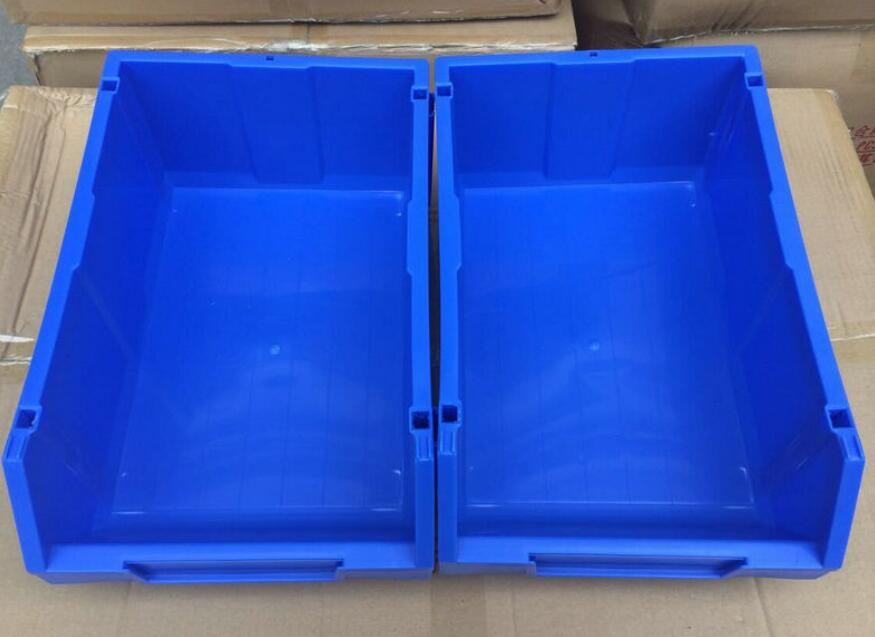
| Home goods | Storage bins, furniture components | PP, HDPE |
The global toy market—largely dependent on injection-molded plastic—is valued at over $90 billion annually.
Medical Industry
Medical devices require precision, sterility, and biocompatibility.
| Component Type | Examples | Materials |
|---|---|---|
| Disposables | Syringes, IV connectors, test tubes | PP, COC, PC |
| Devices | Housings, instrument handles | PC, ABS, PEI |
| Implants | Spinal cages, dental components | PEEK, medical-grade silicone |
Over 80% of disposable medical devices are made through injection molding.
Packaging
Injection molding produces rigid packaging with consistent quality.
| Component | Materials | Characteristics |
|---|---|---|
| Closures | PP, HDPE | Tight sealing; tamper evidence |
| Containers | PP, PET | Food-grade; clarity; durability |
| Thin-wall packaging | PP | Lightweight; high-speed production |
How Do You Select the Right Plastic Pellets?
Material selection is the most important decision in injection molding.
Selection Criteria
| Factor | Questions to Ask |
|---|---|
| Mechanical requirements | What loads will the part bear? Does it need impact resistance? Flexibility? |
| Thermal requirements | Will the part be exposed to heat? What is the maximum operating temperature? |
| Chemical exposure | Will the part contact chemicals, oils, or cleaning agents? |
| Regulatory requirements | Does it need FDA food contact? ISO 10993 biocompatibility? UL flame rating? |
| Aesthetic requirements | Does it need transparency? Specific color? Surface finish? |
| Cost targets | What is the budget per part? |
| Processing considerations | What cycle time is acceptable? What equipment is available? |
Common Selection Scenarios
| Application | Recommended Material | Rationale |
|---|---|---|
| Disposable medical syringe | PP | Sterilizable; chemical resistant; cost-effective |
| Smartphone case | PC/ABS | Impact resistance; thin-wall capability; good finish |
| Automotive underhood connector | Nylon 6/6 with glass | Heat resistant; strong; dimensionally stable |
| Clear optical lens | PC | Transparency; impact resistance; moldable to tight tolerances |
| Flexible living hinge | PP | Fatigue resistance; flexibility |
What Quality Factors Affect Pellets?
The quality of incoming pellets directly affects molding consistency.
Key Quality Parameters
| Parameter | Why It Matters | Typical Specification |
|---|---|---|
| Moisture content | Moisture causes voids, splay, and degradation | <0.02–0.05% depending on material |
| Melt flow consistency | Variations affect fill and cycle time | ±10% of nominal MFI |
| Color uniformity | Ensures consistent appearance | ΔE < 1.0 |
| Pellet size and shape | Affects feeding and melting | Uniform; no fines |
| Contamination | Foreign material causes defects | Zero visible; <0.1% by weight |
Drying Requirements
Hygroscopic materials (nylon, PC, ABS) absorb moisture from air and must be dried before processing.
| Material | Drying Temperature | Drying Time | Target Moisture |
|---|---|---|---|
| ABS | 80–90°C | 2–4 hours | <0.05% |
| Nylon 6 | 80–100°C | 4–6 hours | <0.10% |
| Polycarbonate | 120°C | 3–4 hours | <0.02% |
| PET | 150–170°C | 4–6 hours | <0.02% |
| PP, PE | 60–80°C | 1–2 hours | Minimal |
Conclusion
Plastic pellets are the foundation of the injection molding process. Their properties—melt flow, thermal behavior, mechanical strength—determine how the process runs and what final properties the part achieves.
The injection molding cycle transforms these pellets through six key steps:
- Mold closing – Prepares the cavity
- Injection – Melts and forces plastic into the mold
- Packing – Compensates for shrinkage
- Cooling – Solidifies the part
- Mold opening – Exposes the part
- Ejection – Removes the finished product
Understanding the role of pellets at each stage enables manufacturers to select the right materials, optimize processes, and produce high-quality parts consistently. From automotive to medical to consumer goods, injection molding powered by carefully selected plastic pellets continues to shape the world around us.
Frequently Asked Questions (FAQ)
What are plastic pellets made of?
Plastic pellets are made from thermoplastic resins—polymer chains derived from petroleum, natural gas, or bio-based sources. They may contain additives such as colorants, UV stabilizers, flame retardants, glass fibers, or processing aids to modify properties. The specific formulation determines the material’s behavior during molding and the final part’s characteristics.
How does the melt flow index (MFI) affect injection molding?
MFI measures how easily plastic flows when molten. A higher MFI means better flowability, which helps fill thin walls and complex cavities but may increase flash risk. A lower MFI requires higher injection pressure but reduces flash potential. Selecting the right MFI balances fill capability with process stability.
Why do some plastics need drying before molding?
Hygroscopic plastics—including nylon, polycarbonate, ABS, and PET—absorb moisture from the air. When heated in the injection barrel, this moisture turns to steam, causing voids, splay marks, and material degradation. Drying removes moisture to safe levels (<0.02–0.10% depending on material) before processing.
What is the difference between amorphous and semi-crystalline plastics?
Amorphous plastics (ABS, PC, PS) have random polymer chains. They soften gradually, have lower shrinkage, and cool without a defined melting point. Semi-crystalline plastics (PP, PE, nylon) have ordered regions. They require more precise temperature control, have higher shrinkage, and release additional heat during solidification, affecting cooling time.
How do I choose the right plastic pellets for my product?
Consider mechanical requirements (strength, flexibility), thermal requirements (operating temperature), chemical exposure, regulatory needs (FDA, USP Class VI), aesthetics (color, transparency), and cost targets. Work with material suppliers and experienced molders to match material properties to application requirements.
Contact Yigu Technology for Custom Manufacturing
At Yigu Technology, we understand the critical role that plastic pellets play in producing high-quality injection-molded parts. Our expertise spans material selection, process optimization, and precision manufacturing across industries.
Our capabilities include:
- Material selection guidance – Matching the right pellets to your application
- In-house mold design and manufacturing – Precision tools for consistent production
- Process development – Optimized parameters for each material
- Quality control – Material testing; in-process monitoring; dimensional inspection
- Diverse machine range – 80 to 800 tons for parts of all sizes
We serve automotive, medical, electronics, and consumer goods industries with custom injection molding solutions. From prototypes to high-volume production, we deliver parts that meet your specifications.
Contact us today to discuss your injection molding project. Let our expertise help you transform plastic pellets into quality products.