Introduction
Injection blow molding (IBM) is a specialized manufacturing process that produces high-quality, precision-engineered hollow plastic products. From the shampoo bottle in your shower to the pharmaceutical vial in your medicine cabinet, injection blow molded products surround us daily. The process combines the precision of injection molding with the hollow-forming capabilities of blow molding, creating containers with exceptional dimensional accuracy, smooth surfaces, and consistent wall thickness.
Unlike extrusion blow molding, which produces a less precise parison, injection blow molding starts with an injection-molded preform. This preform contains precisely formed features—threaded necks, intricate closures, and accurate dimensions—that are then expanded into the final product shape. The result is packaging that performs reliably, looks appealing, and meets stringent quality standards for industries ranging from cosmetics to pharmaceuticals.
This guide explores what injection blow molding products are, how the process works, their applications across industries, and how they compare to other molding methods. Whether you are a packaging professional, product developer, or curious consumer, this comprehensive overview will deepen your understanding of this essential manufacturing technology.
What Exactly Are Injection Blow Molding Products?
Injection blow molding products are hollow plastic items created through a two-stage process that first injection molds a precise preform (parison), then blow molds it into its final shape. The result is a seamless, one-piece container with excellent dimensional accuracy, consistent wall thickness, and finely detailed features.
Key Characteristics of Injection Blow Molded Products
| Characteristic | Description |
|---|---|
| Precise neck finish | Threaded or snap-fit closures are accurately formed in the injection stage |
| Consistent wall thickness | Uniform material distribution throughout the container |
| No seams | Seamless construction; no weld lines |
| Smooth surface finish | High-quality appearance; no flash or parting line marks |
| Good clarity | Suitable for transparent applications (PET, PP, etc.) |
| Tight tolerances | Ideal for pharmaceutical and cosmetic packaging |
Common Examples
- Pharmaceutical bottles – Prescription containers; liquid medication vials
- Cosmetic containers – Perfume bottles; lotion jars; cream pots
- Personal care products – Shampoo bottles; soap dispensers
- Food packaging – Small condiment containers; spice jars
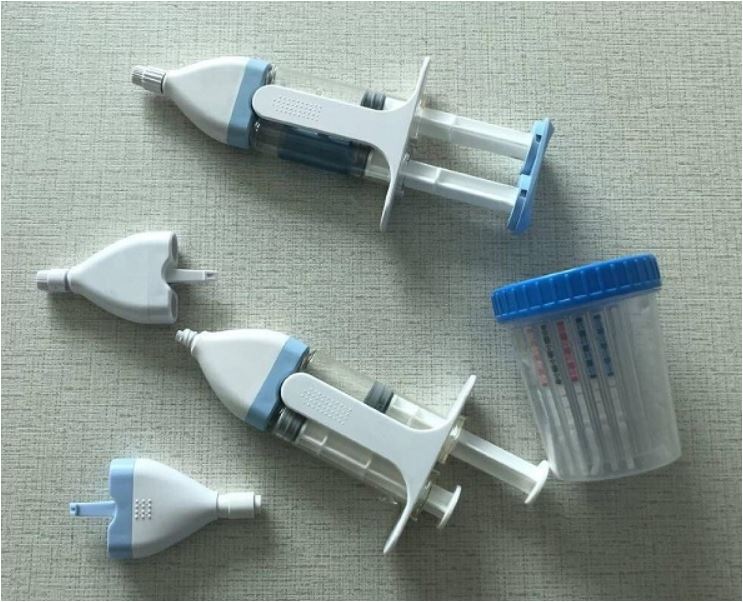
- Medical devices – Specimen containers; sterile packaging
How Does the Injection Blow Molding Process Work?
The injection blow molding process consists of three main stages: injection molding of the preform, blow molding of the container, and ejection.
Stage 1: Injection Molding – Creating the Preform
Material Preparation
Plastic resin pellets (PE, PP, PET, PC, etc.) are fed into a hopper and heated in a barrel to a molten state.
| Material | Melting Temperature Range |
|---|---|
| Polyethylene (PE) | 120–200°C |
| Polypropylene (PP) | 160–170°C |
| PET (Polyethylene terephthalate) | 250–270°C |
| Polycarbonate (PC) | 260–300°C |
Injection into Preform Mold
Molten plastic is injected under high pressure (50–200 MPa) into a preform mold cavity. This mold creates the parison—a tube-like piece with a closed end that includes:
- The finished neck finish (threads, snap features)
- The shoulder of the container
- A short section of the body (to be expanded later)
Critical detail: The neck finish is fully formed during injection. This ensures precise threads and sealing surfaces—critical for pharmaceutical and cosmetic applications where closure integrity is essential.
Stage 2: Blow Molding – Expanding to Final Shape
Transfer to Blow Mold
The preform, still hot and in a semi-molten state, is transferred to a blow mold cavity. This transfer is typically automated using robotic arms or mechanical systems to ensure accuracy and speed.
Blowing the Parison
Hot air is introduced into the parison through a blow pin at pressures of 2–10 MPa. The air expands the parison, forcing it against the walls of the blow mold cavity. The plastic takes the shape of the final container.
Biaxial stretching: The plastic is stretched in both axial and radial directions during this stage. This orientation enhances mechanical properties:
- Increased strength – Up to 3–5 times stronger than unoriented material
- Improved clarity – Reduced haze
- Better barrier properties – Important for carbonated beverages and oxygen-sensitive products
Stage 3: Demolding – Cooling and Ejection
Cooling
Cooling channels in the blow mold circulate coolant (usually water) to solidify the plastic. Cooling time depends on:
- Part thickness – thicker parts require longer cooling
- Material properties – higher melting point materials need more time
- Mold design – efficient cooling channels reduce cycle time
Ejection
Once cooled, the blow mold opens. Ejector pins or other mechanisms push the finished product out. The container is now ready for:
- Trimming (if any flash exists—rare in IBM)
- Labeling
- Filling
- Quality inspection
How Does Injection Blow Molding Compare to Other Processes?
Injection Blow Molding vs. Extrusion Blow Molding
| Aspect | Injection Blow Molding | Extrusion Blow Molding |
|---|---|---|
| Preform formation | Injection molded (precise) | Extruded tube (continuous) |
| Neck finish | Highly precise; fully formed | Less precise; may require trimming |
| Wall thickness | Consistent; uniform | Variable; can be thicker at ends |
| Material waste | Minimal (no flash) | Moderate (flash trimmed) |
| Production speed | Fast for small-medium containers | Suitable for large containers |
| Applications | Pharmaceuticals; cosmetics; small bottles | Large containers; industrial drums; toys |
Example: A pharmaceutical bottle requiring an airtight screw cap is best made by injection blow molding, where the threads are precisely formed. A large industrial detergent bottle may be more economically produced by extrusion blow molding.
Injection Blow Molding vs. Stretch Blow Molding
| Aspect | Injection Blow Molding | Stretch Blow Molding |
|---|---|---|
| Stretching | Biaxial stretching during blow | Intensified biaxial stretching |
| Material focus | Wide range (PE, PP, PET, PC, etc.) | Primarily PET |
| Barrier properties | Good | Excellent (for carbonated beverages) |
| Shape complexity | Very high | Moderate |
| Applications | Cosmetics; pharmaceuticals; general packaging | Carbonated beverage bottles; water bottles |
Key difference: Stretch blow molding intensifies biaxial stretching to maximize gas barrier properties—critical for carbonated soft drinks. Injection blow molding offers greater material flexibility and shape complexity.
What Materials Are Used in Injection Blow Molding?
Common Materials and Their Properties
| Material | Key Properties | Typical Applications |
|---|---|---|
| Polyethylene (PE) | Chemical resistance; flexibility; low cost | Personal care bottles; household containers |
| Polypropylene (PP) | High melting point; heat resistance; lightweight | Food containers; microwaveable packaging |
| PET (Polyethylene terephthalate) | High strength; clarity; good gas barrier | Pharmaceutical bottles; beverage containers |
| Polycarbonate (PC) | Impact resistance; heat resistance; dimensional stability | Medical device components; durable containers |
| PMMA (Acrylic) | Excellent optical clarity; good surface finish | Cosmetic jars; premium packaging |
Material Selection Considerations
| Factor | What to Consider |
|---|---|
| Product requirements | Clarity; strength; chemical resistance; barrier properties |
| Regulatory compliance | Food contact; pharmaceutical (USP Class VI) |
| Processing characteristics | Melt flow; shrinkage; drying requirements |
| Cost | Material cost vs. performance |
Example: For a carbonated beverage bottle, PET is chosen for its gas barrier properties and strength. For a hot-fill sauce bottle, PP is preferred for its heat resistance.
What Are the Applications of Injection Blow Molding?
Packaging Industry
| Application | Why IBM? |
|---|---|
| Cosmetic bottles | Precise neck finish; smooth surfaces; complex shapes; premium appearance |
| Perfume bottles | Excellent clarity; high-quality surface; design flexibility |
| Pharmaceutical bottles | Tight tolerances; airtight seals; consistent wall thickness |
| Personal care containers | Uniform wall thickness; stackable; durable |
Industry data: Over 60% of luxury cosmetic brands use injection blow-molded plastic bottles for their premium packaging, appreciating the high-end look, smooth surfaces, and consistent wall thickness.
Pharmaceutical impact: Approximately 70% of small-to-medium pharmaceutical bottles are injection blow molded, meeting strict quality and safety standards for drug packaging.
Automotive Industry
| Application | Benefit |
|---|---|
| Air vents | Precise shapes; uniform wall thickness for efficient airflow |
| Side mirror housings | Durable; good surface finish; UV resistance |
| Interior trim components | Complex geometries; consistent appearance |
Example: A leading automotive manufacturer reported a 15% improvement in air-conditioning efficiency after switching to injection blow-molded air vents with optimized aerodynamic shapes.
Daily Necessities and Consumer Goods
| Application | Why IBM? |
|---|---|
| Toys | Hollow bodies; complex shapes; cost-effective |
| Storage containers | Uniform wall thickness; stackable; durable |
| Soap dispensers | Ergonomic shapes; precise dispensing mechanisms |
| Spray bottles | Consistent dimensions; reliable trigger fit |
Toy industry: 85% of toy manufacturers use injection blow-molded parts in their products due to the cost-effectiveness and design flexibility it offers for hollow toys and action figures.
How Do You Ensure Quality in Injection Blow Molding?
Mold Design
| Factor | Importance |
|---|---|
| Cooling channels | Uniform cooling ensures consistent wall thickness; conformal cooling reduces cycle time |
| Material quality | High-quality steel (P20, H13) withstands high pressures and temperatures |
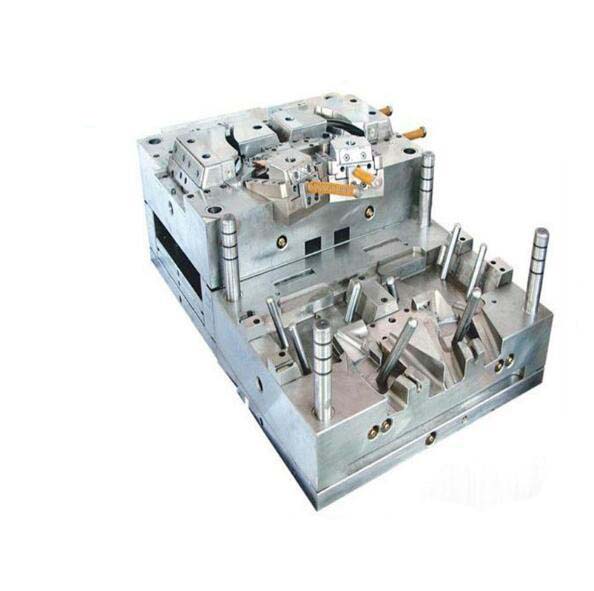
| Precision machining | Tight tolerances for preform and blow mold cavities |
Process Parameter Control
| Parameter | Effect | Control Method |
|---|---|---|
| Injection pressure | Affects preform density and detail replication | 50–200 MPa; monitor consistency |
| Melt temperature | Affects flow and material properties | Material-specific; ±3°C |
| Blow pressure | Affects expansion and wall thickness | 2–10 MPa; adjust for material |
| Cooling time | Affects dimensional stability | Optimize for wall thickness |
Quality Detection
| Method | What It Detects |
|---|---|
| Visual inspection | Surface defects; clarity; flash |
| Dimensional measurement (CMM) | Neck finish dimensions; overall size; wall thickness |
| Leak testing | Seal integrity; pinholes |
| Non-destructive testing (ultrasonic) | Internal voids; delamination |
| Wall thickness measurement | Uniformity of material distribution |
What Are the Advantages and Limitations?
Advantages
| Advantage | Explanation |
|---|---|
| Precise neck finish | Threads and sealing surfaces formed in injection stage; consistent |
| No flash | Sealed parison eliminates flash; no trimming needed |
| Uniform wall thickness | Excellent material distribution |
| Seamless construction | No weld lines; stronger container |
| High-quality surface | Smooth finish; good clarity |
| Material flexibility | Wide range of thermoplastics |
| High production speed | Efficient for small to medium containers |
Limitations
| Limitation | Explanation |
|---|---|
| Limited to hollow products | Cannot produce solid parts |
| Size constraints | Typically small to medium containers (up to 1–2 liters) |
| Higher tooling cost | More complex than extrusion blow molds |
| Material restrictions | Not suitable for all plastics (e.g., PVC difficult) |
| Shape limitations | Best for symmetrical shapes; complex undercuts difficult |
Conclusion
Injection blow molding products are high-quality, precision-engineered hollow plastic containers created through a two-stage process combining injection molding and blow molding. The process delivers:
- Precise neck finishes – Critical for closures and sealing
- Consistent wall thickness – Uniform strength and appearance
- Seamless construction – No weld lines; stronger containers
- Smooth surfaces – Premium appearance for cosmetics and pharmaceuticals
- Material versatility – PE, PP, PET, PC, PMMA, and more
Applications span pharmaceutical bottles requiring airtight seals, cosmetic containers demanding premium appearance, automotive components needing precision, and everyday consumer goods like toys and storage containers. While injection blow molding has higher tooling costs and size limitations compared to extrusion blow molding, its precision, quality, and material flexibility make it the preferred choice for applications where dimensional accuracy and appearance matter.
Frequently Asked Questions (FAQ)
What materials are commonly used in injection blow molding?
Common materials include polyethylene (PE) (chemical resistance; flexibility; low cost), polypropylene (PP) (heat resistance; lightweight), PET (strength; clarity; gas barrier), polycarbonate (PC) (impact resistance; dimensional stability), and PMMA (acrylic) (optical clarity). Selection depends on application requirements—PET for carbonated beverages; PP for hot-fill; PE for personal care; PC for medical; PMMA for premium cosmetics.
How do you ensure quality in injection blow molding products?
Quality requires precise mold design (uniform cooling; high-quality steel), strict process control (temperature; pressure; timing), and comprehensive inspection (dimensional measurement; wall thickness; leak testing; visual inspection). For pharmaceutical applications, additional validation and documentation are required to meet regulatory standards.
What is the difference between injection blow molding and extrusion blow molding?
Injection blow molding starts with an injection-molded preform, creating precise neck finishes and consistent wall thickness. Extrusion blow molding extrudes a continuous tube (parison) that is then blown; neck finishes are less precise, and wall thickness may vary. IBM is preferred for small-to-medium containers requiring precision (pharmaceuticals; cosmetics); EBM is better for large containers (industrial drums; large bottles).
Can injection blow molding produce complex shapes?
Yes. Injection blow molding can produce complex shapes with curves, contours, and varying cross-sections. The preform is injection molded with precise details (threads, shoulders), then blown into the final shape. However, severe undercuts or shapes that would prevent mold opening are difficult. For highly complex geometries, other processes like injection molding may be more suitable.
What is the typical production volume for injection blow molding?
Injection blow molding is cost-effective for medium to high volumes (typically 50,000 to millions of units). Tooling costs are higher than extrusion blow molding, so low-volume production (under 10,000 units) may not be economical. However, for precision applications like pharmaceuticals, the quality benefits often justify the tooling investment even at lower volumes.
Contact Yigu Technology for Custom Manufacturing
At Yigu Technology, we specialize in injection blow molding for high-quality, precision plastic containers. Our expertise spans pharmaceutical, cosmetic, automotive, and consumer goods industries where dimensional accuracy, appearance, and reliability matter.
Our injection blow molding capabilities include:
- Precision mold design – Optimized preform and blow molds; conformal cooling
- Material expertise – PE, PP, PET, PC, PMMA, and custom formulations
- Process control – Tight temperature and pressure control for consistency
- Quality assurance – Dimensional inspection; wall thickness measurement; leak testing
- Volume flexibility – Medium to high-volume production
We help clients create containers with precise neck finishes, consistent wall thickness, and premium appearance—meeting the stringent requirements of pharmaceutical and cosmetic applications.
Contact us today to discuss your injection blow molding project. Let our expertise help you create packaging that performs, protects, and appeals.