Introduction
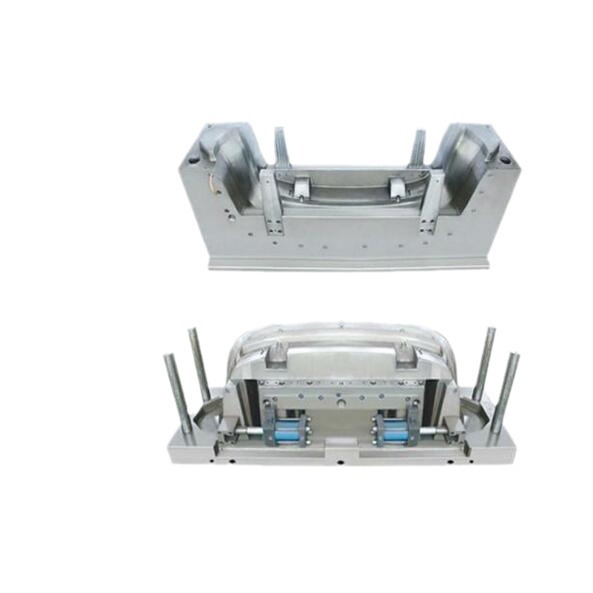
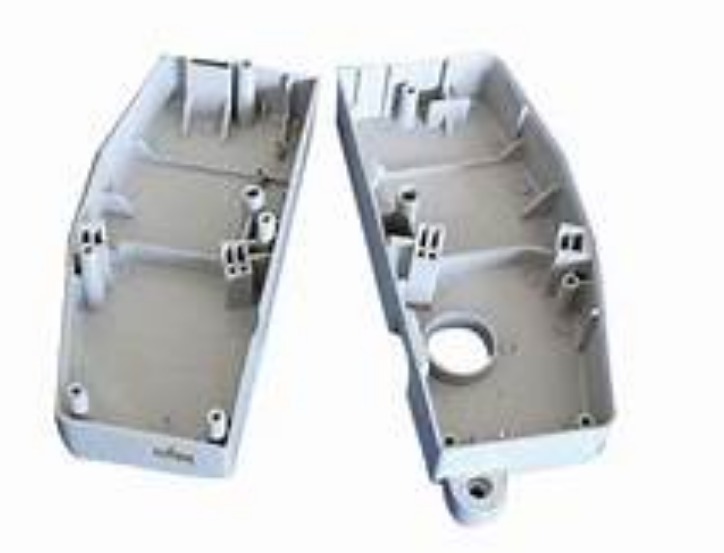
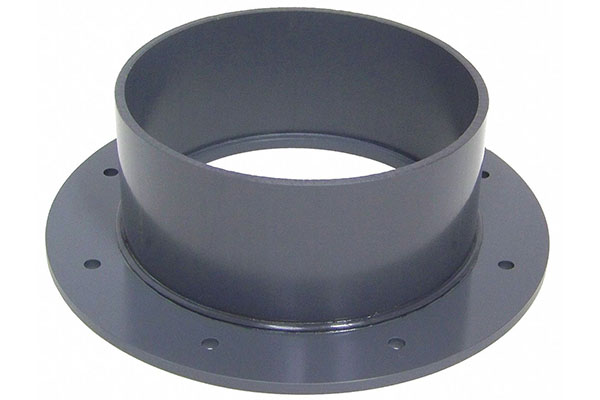
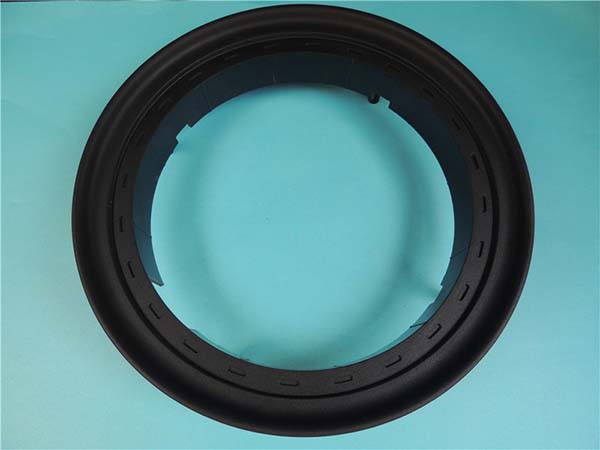
Walk through any parking lot today. Look at the cars around you. What do you see? Bumpers that absorb impact. Dashboards with soft-touch surfaces. Headlight lenses that stay clear for years. Behind each of these components lies a common manufacturing process: plastic injection molding.
The automotive industry has embraced plastics like never before. About 50% of a modern vehicle's volume now comes from plastic parts. This shift isn't accidental. It's driven by the need for lighter vehicles, better fuel efficiency, and designs that were impossible with metal alone.
This guide explores how plastic injection automotive parts are made, the materials that make them possible, and the manufacturing advances shaping the cars of tomorrow. Whether you work in automotive design or simply want to understand what goes into your vehicle, you'll find practical insights here.
Why Has Plastic Become Essential in Automotive Manufacturing?
The Lightweighting Imperative
Every kilogram matters in a vehicle. Reducing weight directly improves fuel economy and lowers emissions. Replacing metal components with plastic injection parts can cut a vehicle's weight significantly.
Consider this: a steel part weighing 10 kilograms might be replaced by a glass-filled nylon component weighing just 4 kilograms. That 60% reduction adds up across hundreds of parts. Industry estimates suggest that every 10% reduction in vehicle weight improves fuel economy by 6–8%.
Performance Beyond Weight
Plastics offer advantages metal cannot match. They resist corrosion. They absorb impact energy. They allow complex shapes with integrated features. And they do it all at a cost that makes mass production feasible.
What Material Innovations Are Driving Change?
High-Performance Plastics
Standard plastics work for many applications. But today's vehicles demand materials that withstand heat, stress, and chemicals.
Carbon Fiber-Reinforced Plastic (CFRP)
CFRP offers a strength-to-weight ratio that exceeds steel by a wide margin. Its strength can reach five times that of steel, while its density sits at only one-fourth of steel's. This makes it ideal for structural components like chassis elements and body panels where every gram counts.
Polyphenylene Sulfide (PPS)
Under the hood, temperatures run high. PPS withstands those conditions without degrading. Its heat resistance, chemical stability, and mechanical strength make it suitable for engine covers, oil pans, and exhaust system components. Parts maintain their shape and size over time, even in harsh operating environments.
Polyetheretherketone (PEEK)
For the most demanding applications—transmission components, bearings, high-stress mechanical parts—PEEK delivers. Its high melting point, outstanding mechanical properties, and resistance to chemicals and wear enable reliable operation in extreme conditions.
Material Blending for Balanced Properties
Sometimes, the best material isn't a single plastic but a blend. Manufacturers combine materials to get the best of each.
| Base Material | Blended With | Resulting Property |
|---|---|---|
| Polypropylene (PP) | Elastomers (EPDM) | Improved impact resistance for bumpers and trim |
| Nylon (PA) | Other polymers | Reduced moisture absorption while retaining strength |
| Engineering plastic | Commodity plastic | Cost optimization without sacrificing performance |
A real-world example: an automotive supplier needed a bumper that could withstand low-speed impacts without cracking. Pure PP offered good chemical resistance but lacked toughness. Blending PP with ethylene-propylene-diene monomer (EPDM) produced a material with the needed impact resistance while keeping costs reasonable.
How Have Manufacturing Processes Improved?
Precision Molding Technologies
Micro-Injection Molding
Modern vehicles contain hundreds of tiny electronic components—sensors, connectors, control units. Micro-injection molding produces these parts with tolerances as tight as ±0.01 mm. Traditional molding for larger parts typically holds ±0.1–0.5 mm. That precision matters when connectors must fit perfectly into complex electronic assemblies.
Precision Insert Molding
Some parts need both metal's conductivity and plastic's design flexibility. Insert molding places pre-formed metal components into the mold before plastic injection. The plastic encapsulates the metal, creating a single composite part.
Consider an electrical connector: metal inserts provide reliable electrical contact. The plastic housing offers insulation and protection. The process positions inserts with minimal deviation, eliminating secondary assembly steps.
Process Monitoring and Control
Modern injection molding machines look nothing like those from twenty years ago. Sensors now monitor every critical parameter in real time:
- Injection pressure
- Melt temperature
- Mold temperature
- Cooling channel flow
Automation systems use this data to make instantaneous adjustments. Pressure too low? The system increases it. Temperature drifting? Heating or cooling adjusts automatically.
The results speak for themselves. Facilities using advanced monitoring report defect rate reductions of up to 50% compared to traditional methods. Fewer defects mean less waste, lower costs, and more reliable production schedules.
What Design Advances Improve Quality and Efficiency?
CAD/CAM/CAE Integration
Designing plastic parts once required physical prototypes—expensive and time-consuming. Today, the process is virtual.
CAD (Computer-Aided Design)
Designers create detailed 3D models. They can experiment with shapes, test ergonomics, and refine aesthetics before any metal is cut. Precision reaches down to the micron level in advanced systems.
CAM (Computer-Aided Manufacturing)
The same digital model generates instructions for manufacturing equipment. The CAM system determines injection amounts, speeds, cooling times—all based on the CAD design. This seamless transition eliminates translation errors.
CAE (Computer-Aided Engineering)
Before manufacturing a single part, engineers simulate real-world conditions. Will a plastic engine mount withstand vibration? How does a dashboard component behave in extreme heat? CAE answers these questions virtually, identifying weak points and suggesting improvements without building physical prototypes.
Design for Assembly and Manufacturing
Design for Assembly (DFA)
DFA simplifies assembly. Instead of twenty small plastic pieces requiring individual installation, a single injection-molded part might perform the same function. Fewer parts mean less labor, fewer failure points, and faster assembly lines.
Design for Manufacturing (DFM)
DFM ensures parts are easy to make. Considerations include:
- Uniform wall thickness: Prevents warping and sink marks
- Draft angles: Typically 1–3 degrees for easy mold ejection
- Gate placement: Ensures even material flow
One manufacturer redesigned a door panel following DFM principles. The original design required five separate components assembled after molding. The new design used a single injection-molded part with integrated features. Assembly time dropped by 40%. Scrap rates fell by 25%.
What Real-World Applications Showcase These Advances?
Under the Hood
Modern engine compartments run hotter than ever. Turbochargers and tighter packaging increase temperatures. PPS and PEEK components handle these conditions. Oil pans, engine covers, and intake manifolds now appear in plastic where metal once dominated.
A European automaker switched from aluminum to glass-reinforced nylon for engine covers. Weight dropped by 35%. Noise reduction improved. And the plastic part cost 20% less to produce.
Interior Components
Passengers interact with interior parts constantly. They need to look good, feel right, and last. ABS and PC/ABS blends deliver. Soft-touch surfaces come from thermoplastic elastomers (TPE) overmolded onto rigid substrates.
Exterior and Structural
Bumpers, fenders, and body panels increasingly use plastic. A steel bumper reinforcement might weigh 12 kilograms. A carbon-fiber-reinforced alternative weighs 3 kilograms—with comparable strength.
Lighting and Electronics
Headlight lenses demand optical clarity and UV resistance. Polycarbonate delivers both. It weighs half what glass would and resists impact that would shatter traditional lenses.
What Does the Future Hold?
Smarter Manufacturing
Artificial intelligence and the Internet of Things (IoT) are entering molding facilities. Smart sensors will predict maintenance needs before failures occur. Machine learning algorithms will optimize process parameters automatically, learning from each production run.
Sustainable Materials
Recycled plastics are gaining ground. Post-consumer recycled (PCR) materials now appear in non-critical automotive parts. Some manufacturers target 25% recycled content across all plastic components by 2030.
New Material Frontiers
Research continues on plastics that conduct electricity, self-heal minor damage, and change color on demand. These materials will enable new vehicle functions we haven't imagined yet.
Conclusion
Plastic injection automotive parts have transformed vehicle manufacturing. The shift from metal to plastic isn't simply about cost—it's about performance. Lighter vehicles use less fuel. Complex shapes enable better aerodynamics. Integrated features reduce assembly steps and improve reliability.
Material innovations like CFRP, PPS, and PEEK push into applications once reserved for metals. Manufacturing advances—micro-molding, insert molding, real-time process control—deliver precision that rivals machining. Design tools like CAD/CAM/CAE and principles like DFM/DFA ensure parts are both functional and manufacturable.
For automotive manufacturers, understanding these advances isn't optional. It's essential for building vehicles that meet consumer expectations and regulatory requirements. For the rest of us, it explains why today's cars are lighter, safer, and more efficient than ever before.
FAQ
What are the most common plastics used in automotive injection molding?
ABS dominates interior components like dashboards and trim for its strength and processability. Polypropylene (PP) appears in bumpers, interior trim, and under-hood components due to its low cost and chemical resistance. Polycarbonate (PC) is the go-to for headlight lenses and other transparent applications requiring impact strength. Nylon (PA) , often glass-filled, serves in structural and under-hood applications.
How does plastic injection molding reduce vehicle weight?
Plastics have much lower density than metals. A typical plastic part weighs 20–50% less than its metal equivalent. When applied across hundreds of components, this weight reduction directly improves fuel economy—roughly 6–8% improvement for every 10% weight reduction.
Can plastic parts withstand engine heat?
Yes. High-performance plastics like PPS and PEEK withstand continuous temperatures up to 200–260°C. They maintain dimensional stability and mechanical properties under hood conditions that would soften or degrade standard plastics.
What is insert molding in automotive manufacturing?
Insert molding places pre-formed metal components—terminals, threaded inserts, brackets—into the mold before plastic injection. The plastic encapsulates the metal, creating a single composite part. This eliminates secondary assembly and improves reliability for components like electrical connectors and sensors.
How is quality controlled in automotive plastic injection?
Quality control starts with material verification. During production, sensors monitor injection pressure, melt temperature, mold temperature, and cooling rates in real time. Automated systems adjust parameters instantly to maintain consistency. Finished parts undergo dimensional inspection, mechanical testing, and visual inspection for surface defects. Advanced facilities use statistical process control (SPC) to detect trends before defects occur.
Contact Yigu Technology for Custom Manufacturing
At Yigu Technology, we specialize in custom injection molding for automotive applications. From high-performance under-hood components to precision interior parts, we deliver quality that meets automotive industry standards. Our team brings years of experience with materials like PPS, PEEK, nylon, and ABS—and the process expertise to mold them right. Whether you need design support, prototyping, or full-scale production, contact us today to discuss your automotive project.